Search Results for: stucco patch

Stucco exterior wall with multiple windows and red trim

Stucco Cracks Around Windows: Common Causes and Better Detailing

Introduction Stucco cracks around windows are gaps in the stucco that show movement or moisture at the opening. They’re often caused by framing shifts, flashing issues, or moisture-related stress near the window edge. There are different crack types to look for, like hairline, spider, or cross-pattern cracks. Moisture behind the stucco worsens damage, and using […]

Stucco Cracks Around Windows: Common Causes and Better Detailing Read More »

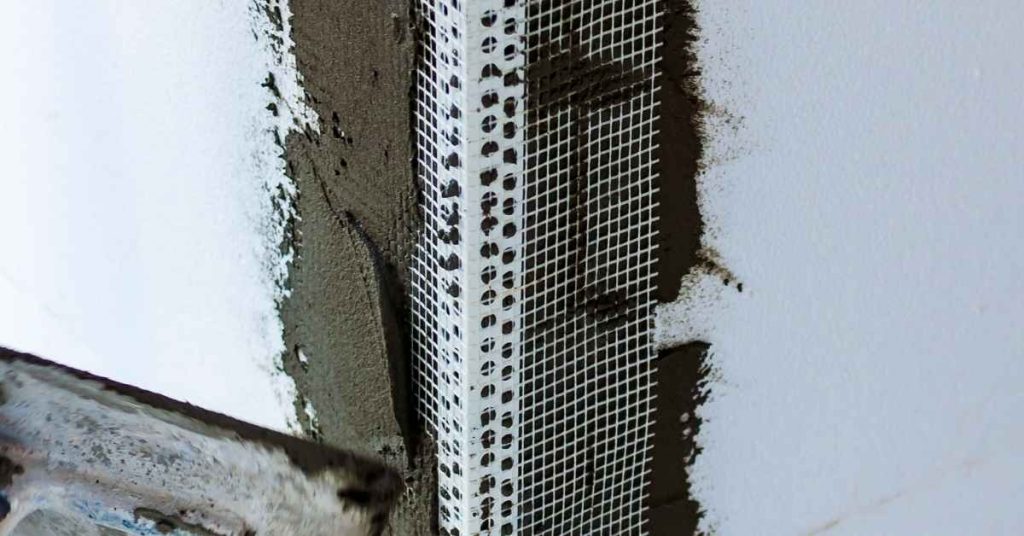
White mesh embedded in wet stucco on white wall surface

Stucco Over ICF Walls: Choose the Right System and Detail Openings

Introduction Yes, stucco can be installed over ICF walls—but ICF foam is not a generic substrate for arbitrary mesh, lath, or fasteners. Start by selecting one complete, manufacturer-approved assembly for your ICF brand: traditional cement plaster on mechanically attached lath, direct-applied cementitious stucco, or an adhered synthetic/EIFS-style system with fiberglass mesh embedded in base coat.

Stucco Over ICF Walls: Choose the Right System and Detail Openings Read More »

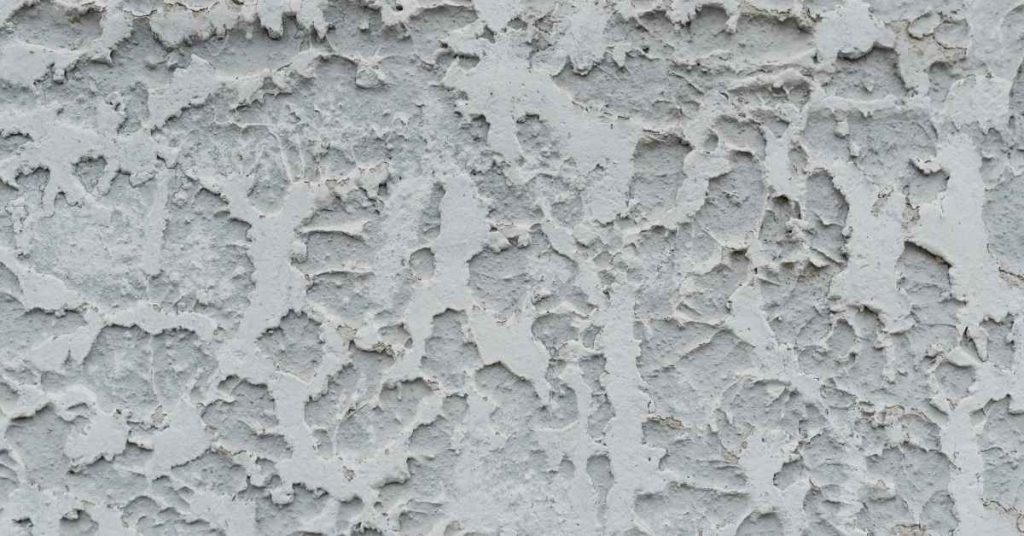
Close-up of rough textured gray stucco wall surface

How to Identify EIFS vs Hard-Coat Stucco: Simple On-Wall Tests

Introduction EIFS is an exterior insulation system with a foam board base and a thin textured finish, while hard-coat stucco is a cement-based, multi-layered plaster bonded to masonry or a lath substrate. In plain jobsite terms: EIFS feels lighter and can have a separation behind the finish, whereas hard-coat stucco is rigid and is trowel-applied

How to Identify EIFS vs Hard-Coat Stucco: Simple On-Wall Tests Read More »

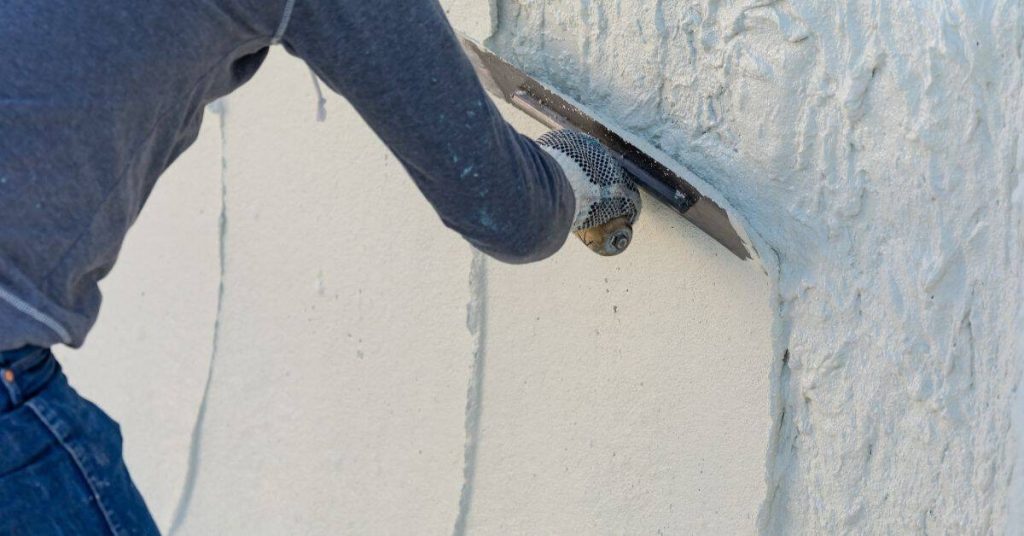
Person smoothing stucco on exterior wall with trowel

Drainage Stucco vs Barrier Stucco: How to Tell What You Have on Your House

Introduction Drainage stucco is a cladding system designed to let water that gets behind the finish drain out, while barrier stucco is meant to shed water at the surface and keep moisture out; that’s the practical difference. Think of drainage as a layered system with a gap or channels to manage moisture and barrier as

Drainage Stucco vs Barrier Stucco: How to Tell What You Have on Your House Read More »

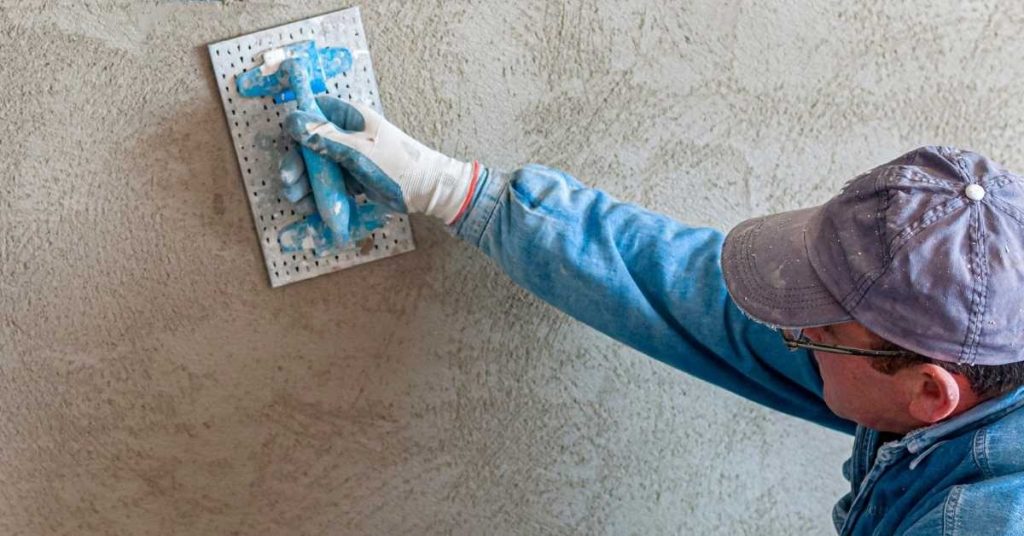
Worker smoothing fresh stucco on wall with trowel

Stucco Moisture Meter Readings Explained: When High Numbers Matter and When They Don’t

Introduction Stucco moisture meter readings are simply numbers that tell you how much moisture a meter senses in the wall material and whether that moisture might need attention. Think of the reading as one piece of a hands-on inspection—compare it to what you see on the surface and to any invasive checks before deciding if

Stucco Moisture Meter Readings Explained: When High Numbers Matter and When They Don’t Read More »

Close-up of blue stucco wall texture

Diagnosing Moisture Behind Stucco: Basic Probe Holes, Borescopes, and What to Look For

Introduction Diagnosing moisture behind stucco means checking for where water has crossed the exterior and is wetting the wall assembly; that can be done with basic probe holes, borescopes, and non‑invasive tools to confirm wet areas. Start by looking for staining, soft or sagging finishes, efflorescence, or indoor musty odors that suggest intrusion, and use

Diagnosing Moisture Behind Stucco: Basic Probe Holes, Borescopes, and What to Look For Read More »

Hand marking wall near electronic stud finder device

Stucco Clearance Over Walkways: How to Fix Wicking Without Full Removal

Introduction Stucco clearance over walkways means keeping the bottom edge of an EIFS or stucco finish high enough and detailed so moisture doesn’t wick into the walking surface; in plain terms, it’s about creating a gap and proper flashing so water drains away instead of soaking the path. For DIYers that can mean trimming finish,

Stucco Clearance Over Walkways: How to Fix Wicking Without Full Removal Read More »

Stacked precast concrete hollow core slabs on dirt ground

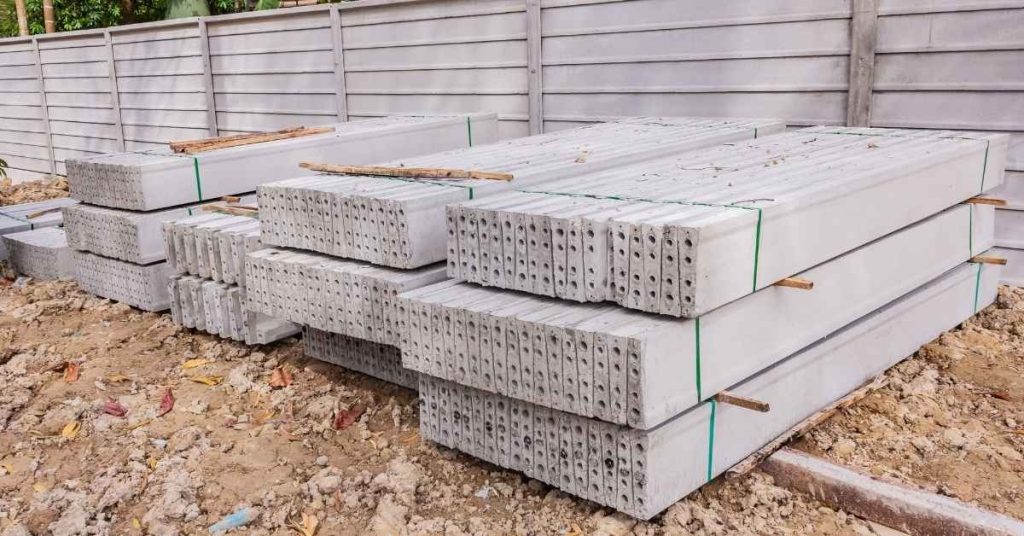
Stucco at Concrete Slabs: Proper Gap, Sealant Joint, and How to Fix a Tight Termination

Introduction Stucco at concrete slabs means leaving a controlled gap and sealing it so the finish can move without cracking at the slab edge. This protects the stucco from moisture wicking and movement from the slab; check product instructions and local rules for the gap size and backing material. A proper joint combines a backing

Stucco at Concrete Slabs: Proper Gap, Sealant Joint, and How to Fix a Tight Termination Read More »

Worker applying stucco around windows with protective coverings

Stucco at Window Sills: Drip Edges, End Dams, and How to Stop Staining Below

Introduction Stucco at window sills is the way the exterior plaster and the window flashing work together to shed water away from the opening; a proper setup keeps water off the wall below and prevents staining. In practice that means installing a flashinged sill, a drip edge or kerf, and end dams where the stucco

Stucco at Window Sills: Drip Edges, End Dams, and How to Stop Staining Below Read More »