Search Results for: stucco patch

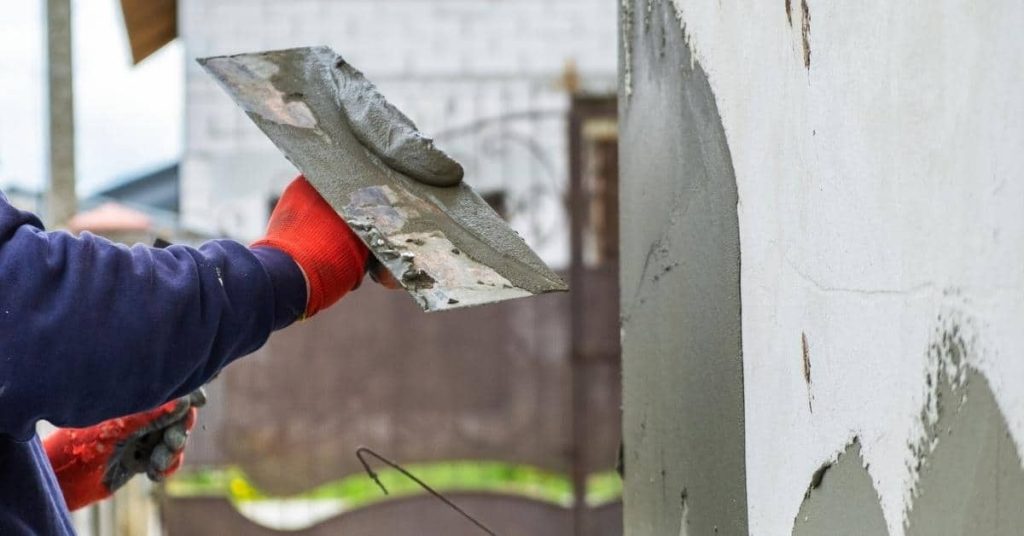
Worker applying stucco to exterior wall with trowel

Galvanic Corrosion at Stucco Accessories: Why Beads Rust and How to Stop Repeat Staining

Introduction Galvanic corrosion is a common issue that affects stucco accessories, particularly metal beads and trims. This process causes rust stains on your otherwise pristine exterior, marring its appearance and potentially leading to more serious damage over time. The good news? Understanding the cause of this problem can help you prevent it from happening again. […]

Galvanic Corrosion at Stucco Accessories: Why Beads Rust and How to Stop Repeat Staining Read More »

Construction worker smoothing plaster on wall wearing blue helmet

Repairing Polished Plaster Chips: Patch Blending Without Visible ‘Halos’

Introduction Repairing polished plaster chips means filling and feathering the damaged area so the patch matches surrounding sheen and texture without a visible ring. Start by cleaning and undercutting loose edges, use compatible repair material, and build thin layers that are troweled and polished to blend into the existing finish. Check product labels and manufacturer

Repairing Polished Plaster Chips: Patch Blending Without Visible ‘Halos’ Read More »

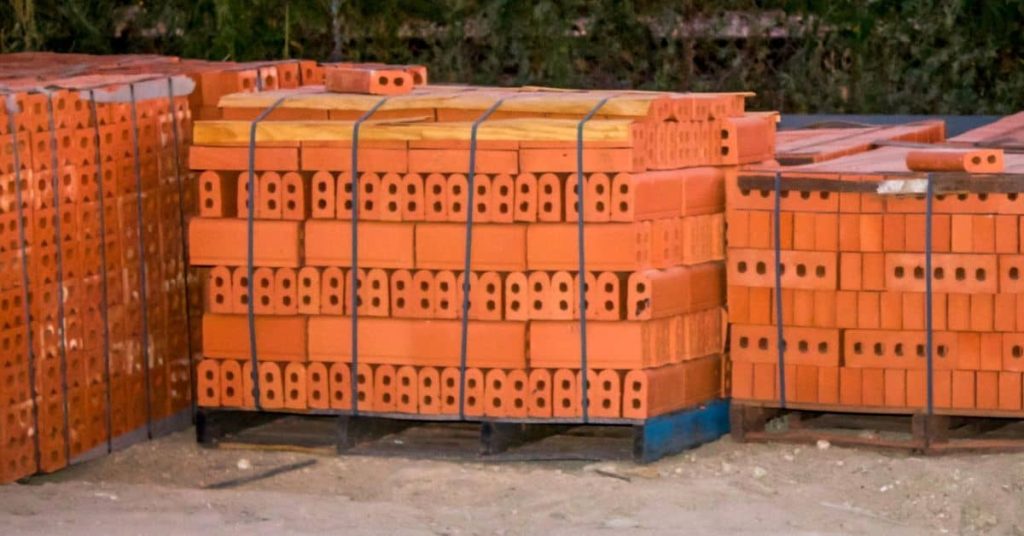
Stacks of orange hollow clay bricks on wooden pallets

Roman Clay Maintenance: Spot Repair, Re-Seal, and How to Avoid Shiny Patches

Introduction Roman Clay maintenance means keeping the finish patched, resealed, and matte where you want it, not shiny where you don’t — spot repairs and the right re-seal process fix most problems. This is a hands-on job: check the product label and manufacturer’s instructions for compatible patch mixes and sealers before you start. Expect to

Roman Clay Maintenance: Spot Repair, Re-Seal, and How to Avoid Shiny Patches Read More »

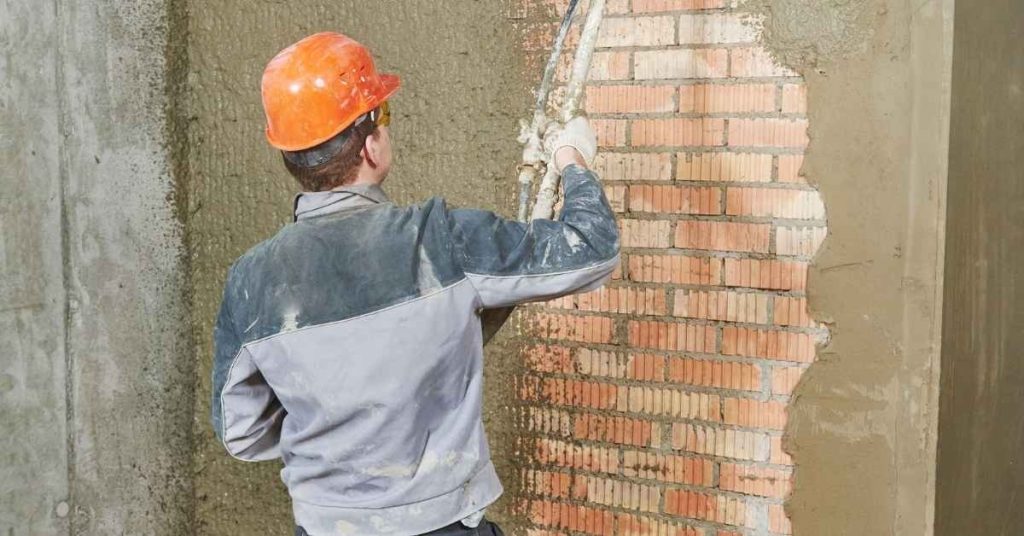
Worker applying stucco onto brick wall wearing orange hard hat

Rust Stains at Stucco Beads: Find the Cause and Make a Lasting Repair

Rust Stains at Stucco Beads: Start With the Source Orange or brown streaks at a stucco bead, casing bead, reveal, weep screed, or fastener do not prove galvanic corrosion. Ordinary corrosion of exposed or cut steel, water leaking from flashing, and rust bleeding from concealed lath can produce similar stains. Treat galvanic corrosion as a

Rust Stains at Stucco Beads: Find the Cause and Make a Lasting Repair Read More »

Blue painted stucco wall texture

How to Paint Stucco With Maximum Breathability: Product Types and Prep Steps

Introduction Painting stucco with maximum breathability means choosing and applying coatings that let moisture vapor move through the wall rather than trapping it behind the finish. In practice that means picking a paint or coating labeled for masonry/stucco breathability and preparing the surface so the coating can adhere and perform; check product labels and manufacturer

How to Paint Stucco With Maximum Breathability: Product Types and Prep Steps Read More »

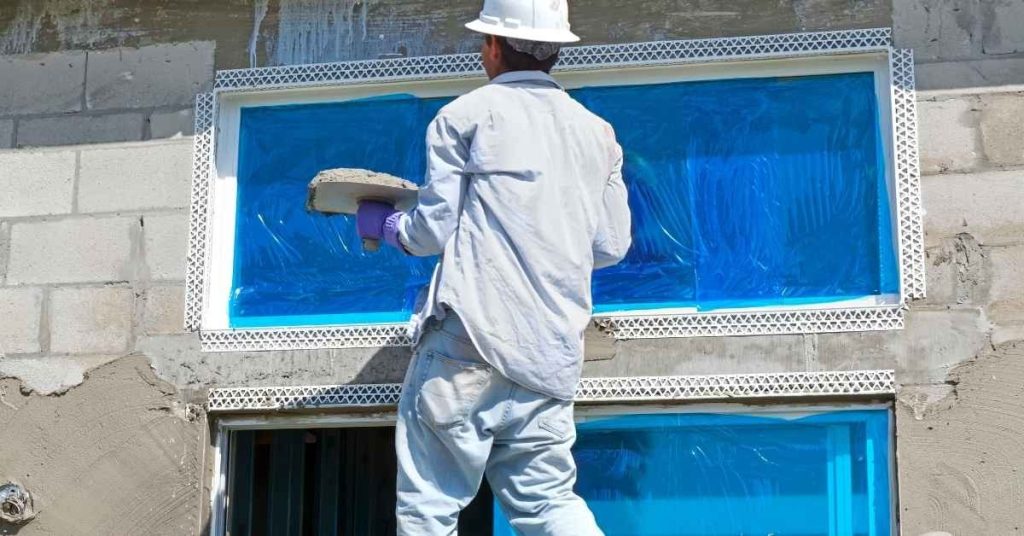
Worker applying stucco around window frames on building exterior

Stucco at Window Sills: Drip Edges, End Dams & Timeline for Installation

Introduction Installing stucco window sills with drip edges and end dams is a crucial step in waterproofing your home’s exterior. But how long does this process take? Let’s break down the timeline so you can plan your DIY project effectively. Whether you’re a seasoned DIYer or a first-timer, understanding the duration of each step will

Stucco at Window Sills: Drip Edges, End Dams & Timeline for Installation Read More »

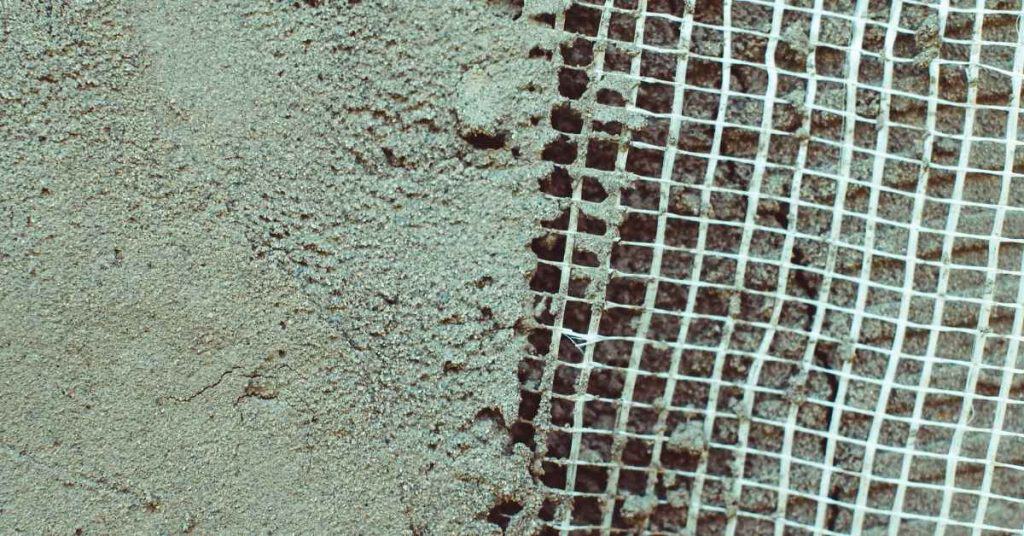
White mesh lath grid adjacent to cement-coated surface.

Replacing Rusted Metal Lath in a Small Area: Patch Boundaries and Fastener Choices

Introduction Replacing rusted metal lath in a small area means cutting out the corroded section, fitting a matching piece of new lath, and fastening it so the patch ties into solid surrounding material. Identify the rotted or rust-stained parts and pick a replacement lath type that matches or is compatible; check product labels or manufacturer

Replacing Rusted Metal Lath in a Small Area: Patch Boundaries and Fastener Choices Read More »

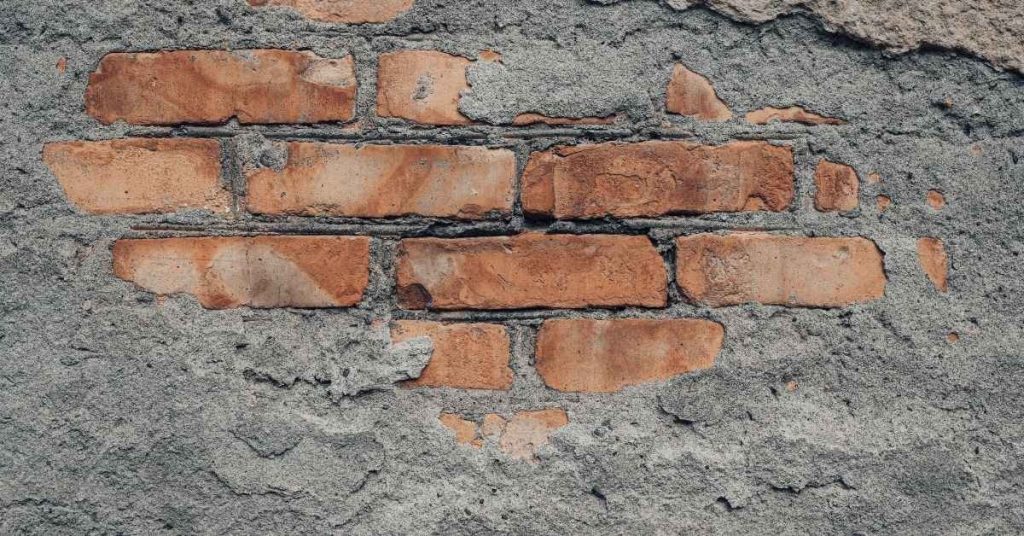
Partially covered brick wall with stucco and exposed bricks

Stucco Termination at Brick or Stone: A Step-by-Step Timeline for DIY Success

Introduction A stucco edge beside brick or stone is not one universal detail. The correct termination depends on the stucco system, the wall’s drainage plane, and whether the masonry is full-bed masonry, adhered veneer, framed veneer, a jamb, a roof intersection, or a base-of-wall condition. A visible joint can look simple while the flashing and

Stucco Termination at Brick or Stone: A Step-by-Step Timeline for DIY Success Read More »

Hands wearing gloves applying stucco with trowel on wall

Stucco at Roof Parapets: Coping, Drips, and How to Stop Water From Getting Behind

Introduction A parapet leak is rarely solved by filling the nearest crack. Water may enter at a coping joint, a roof-membrane-to-wall transition, a wall crack, a penetration, a window intersection, or—when dampness occurs without rain—from condensation. A durable repair restores the water-shedding layers in the right order: roof flashing and coping first, then the wall

Stucco at Roof Parapets: Coping, Drips, and How to Stop Water From Getting Behind Read More »

Closeup of a large crack in white stucco wall

Mounting Solar Cable Clips on Stucco: Fasteners, Sealants, and Crack Prevention

Introduction Mounting solar cable clips on stucco means choosing the right fastener and sealant so the clips hold securely without cracking the finish. Think like a tradesman: use fasteners and anchors rated for masonry and a compatible exterior sealant, and check product labels and local rules for load and weather guidance. Take the time to

Mounting Solar Cable Clips on Stucco: Fasteners, Sealants, and Crack Prevention Read More »