Search Results for: skim coat plaster

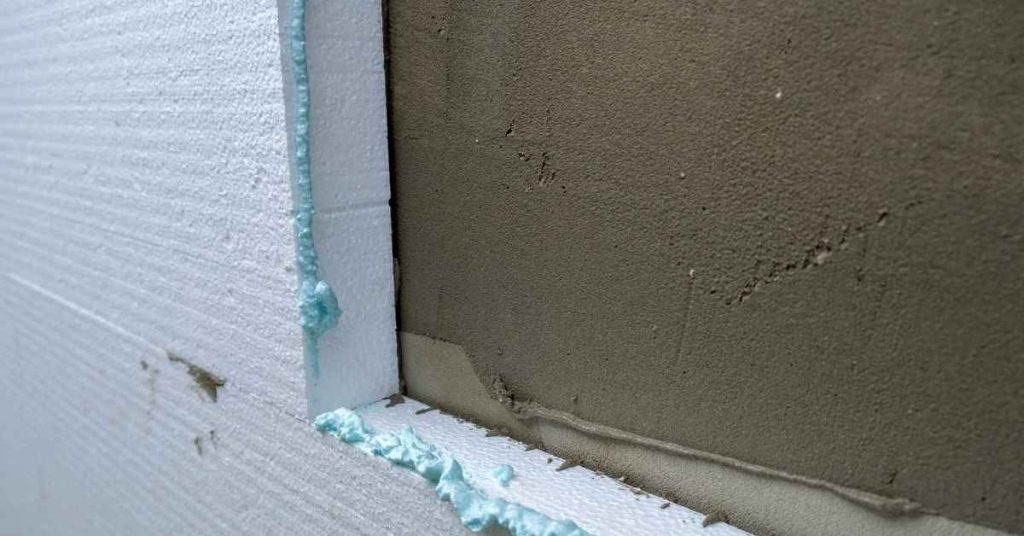
Close-up of foam insulation and repair mortar edge

Feather-Edge Rules for Repair Mortars: Minimum Thickness by Product Type

Introduction Feather-edge thickness for repair mortars is the minimum thickness you should aim for at the feathered edge of a repair, as defined by the product you choose. Because different products have different requirements, always check the label and the manufacturer instructions for the exact minimum. If in doubt, consult local rules or a pro […]

Feather-Edge Rules for Repair Mortars: Minimum Thickness by Product Type Read More »

Orange road work ahead sign with workers in safety gear

Ferrocement Repair Shells: When They Work, How to Build Them, and How They Fail

Introduction A ferrocement repair shell is a thin, reinforced mortar skin applied over a frame to repair or rebuild a boat or similar surface. Work is done in stages—from prep to application to curing—and relies on a solid bond to the existing substrate. This article walks you through what you need to know to decide

Ferrocement Repair Shells: When They Work, How to Build Them, and How They Fail Read More »

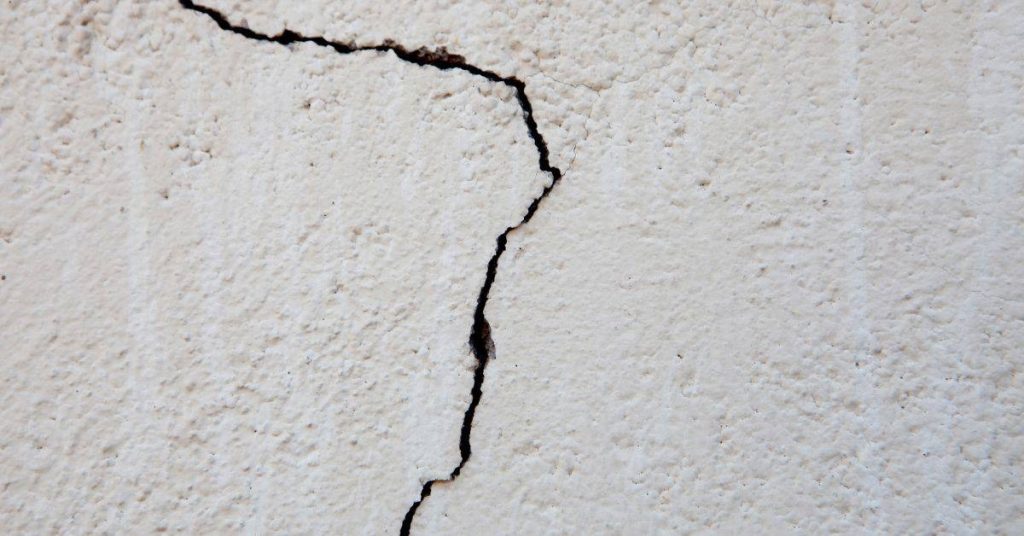
Closeup of cracked white stucco wall texture

Stucco Patch Color Matching: Avoiding halos and obvious repair rings

Introduction Color matching stucco patches means blending the new patch with the existing wall so it looks seamless. Start by inspecting the surface, note the shade under natural light, and compare small test spots. Plan to mix from the same material and apply in thin layers to avoid halos. Feather the edges and apply thin,

Stucco Patch Color Matching: Avoiding halos and obvious repair rings Read More »

Close-up of wrinkled burlap fabric texture in natural brown color

Stucco Patch Blending: Matching texture so it doesn’t flash in sunlight

Introduction Stucco patch blending is the process of making a new patch texture match the existing wall so it doesn’t flash in sunlight. Keep the goal simple: blend edges, lay color or texture subtly, and avoid obvious patches. Work in small, incremental steps and compare under the sun as you go. Check the patch material

Stucco Patch Blending: Matching texture so it doesn’t flash in sunlight Read More »

Hand holding paintbrush near white window frame and paint tray

Painting Over Patches: Priming so repairs disappear under raking light

Introduction Priming over patches means applying a seal coat to even out repairs so they don’t show under strong raking light. It helps blend repairs with the surrounding paint and surface texture. This is especially important on walls with uneven sheen or rough patches. Start with a clean, dry surface, lightly scuff the patched area,

Painting Over Patches: Priming so repairs disappear under raking light Read More »

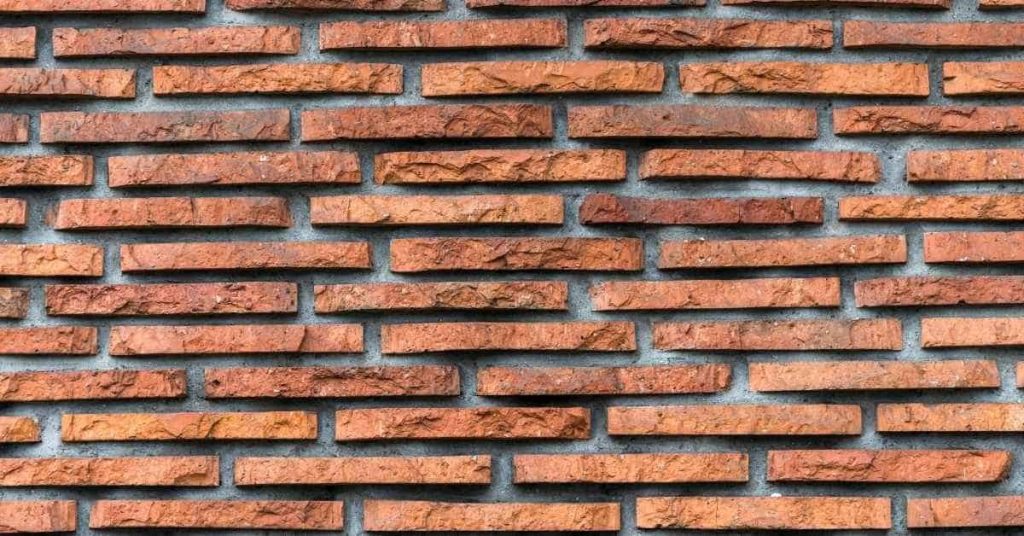
Close-up of thin red brick wall pattern with mortar joints

Overlay Thickness Rules: How thin overlays fail and what lasts outdoors

Introduction Overlay thickness rules determine how thin overlays will perform outdoors. If you go thinner than recommended, they can crack, delaminate, or wear away quickly. Always check the product label and local rules, and follow the manufacturer’s guidance for your climate and substrate. There are several overlay types you might consider, from micro-toppings to self-leveling

Overlay Thickness Rules: How thin overlays fail and what lasts outdoors Read More »

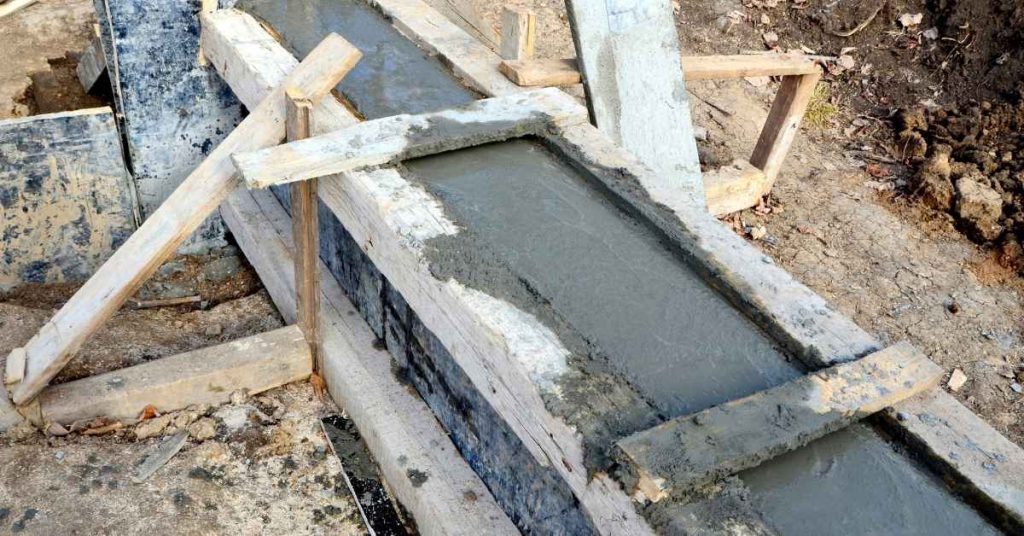
Fresh concrete poured into wooden forms at construction site

Concrete Form Release: Preventing stains, soft faces, and patchy color

Introduction Concrete form release is a coating applied to forms to prevent sticking and to help control staining and color issues on the surface. Key takeaways Choose release agents carefully; improper use can stain and dull decorative color. Plan form removal timing with manufacturer instructions and local code guidance. Use recommended tools and materials from

Concrete Form Release: Preventing stains, soft faces, and patchy color Read More »

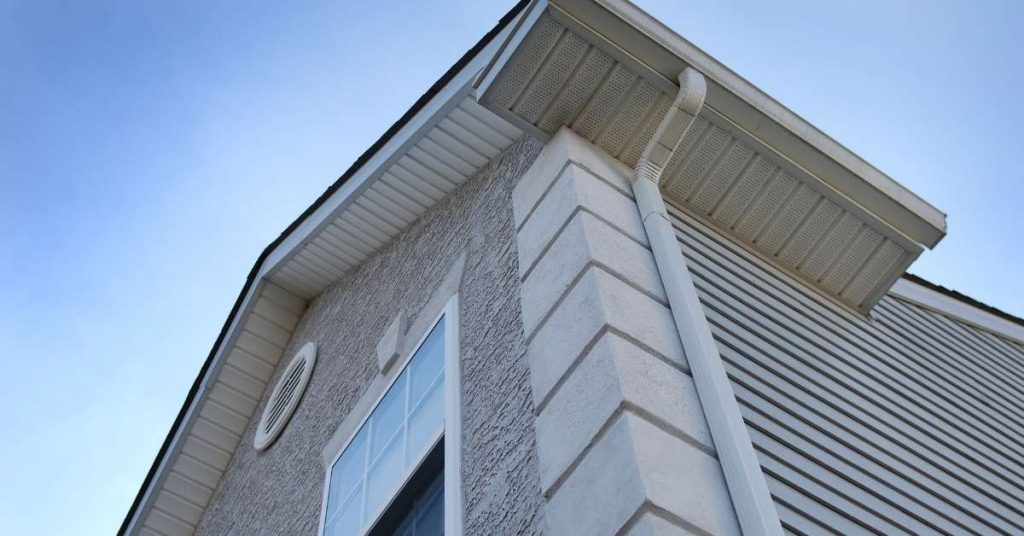
Close-up of outside stucco corner on house with clear sky

Outside Corner Stucco Damage: Stronger corner repairs that don’t chip out

Introduction Outside corner stucco damage refers to cracks or chips at the corner where two exterior walls meet. The goal is to make a repair that stays strong and looks even, without the chip coming back. This article walks you through practical, hands-on steps you can follow with common tools. You’ll want to check if

Outside Corner Stucco Damage: Stronger corner repairs that don’t chip out Read More »