Search Results for: skim coat plaster

Hand applying gray stucco to exterior wall with trowel

New Stucco Over Old Stucco: When it’s safe and how to prep properly

Introduction Yes—new stucco can go over old stucco when the base is sound. Look for cracks, loose sections, and obvious moisture problems and address them. Ask about local rules and follow manufacturer instructions for the products you choose. Prepare the surface by cleaning, repairing loose areas, and ensuring a stable bond. Prime as directed and

New Stucco Over Old Stucco: When it’s safe and how to prep properly Read More »

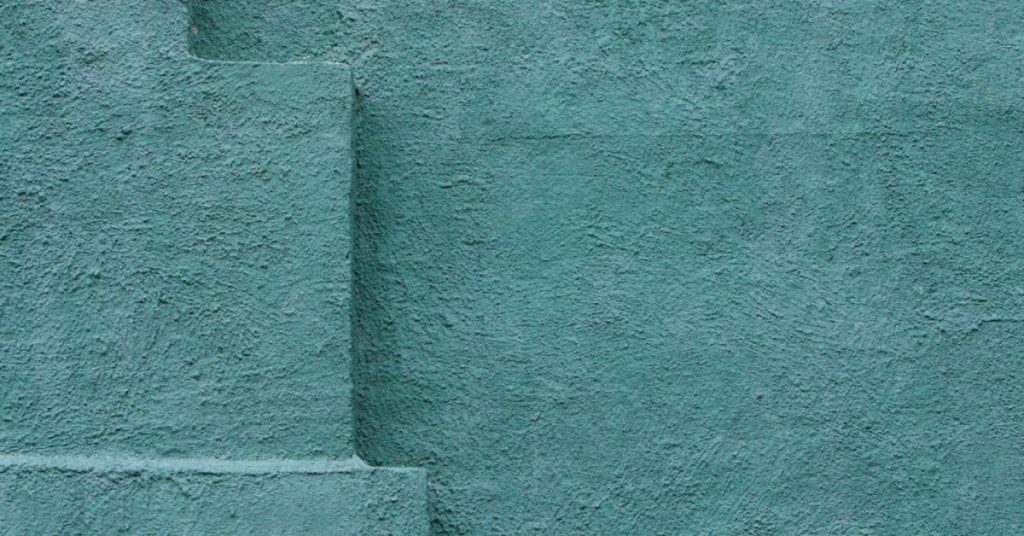
Close-up of blue stucco wall texture with slight indentations

Stucco Texture Repair After Pressure Washing Damage: How to rebuild the finish

Introduction This is the process of rebuilding a damaged stucco texture after pressure washing. You’ll assess the damage, prepare the surface, and re-apply texture to match the rest of the wall. Work in small sections and let your patch dry before finishing. Prepare the area by cleaning loose material and dampening the surface, then apply

Stucco Texture Repair After Pressure Washing Damage: How to rebuild the finish Read More »

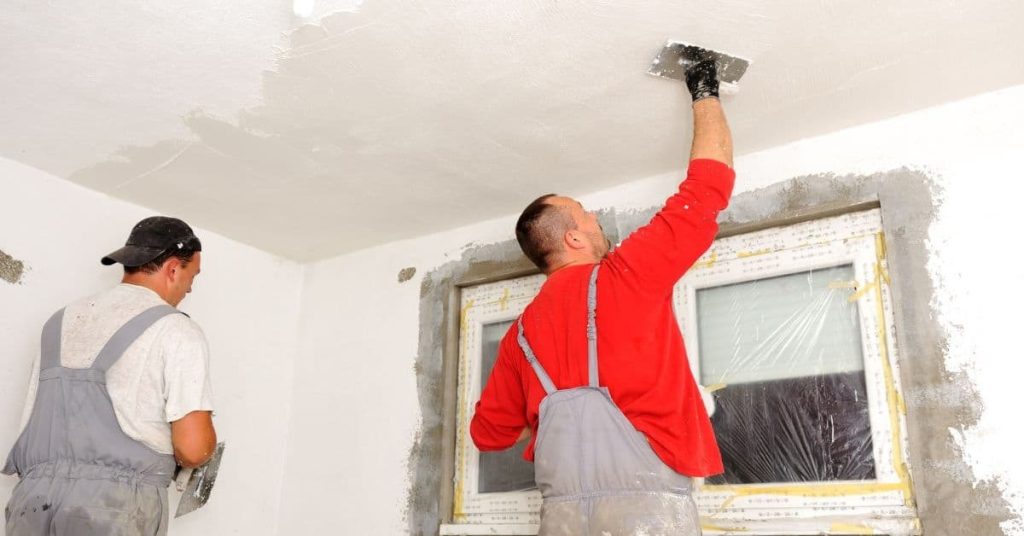
Two men applying plaster to a ceiling and wall near a window

Stopping Water Stain Bleed: Fixing the cause and sealing the ceiling

Introduction Stopping water stain bleed means fixing the moisture source and sealing the ceiling so stains don’t reappear. It’s a hands-on job that starts with finding where the water is coming from and drying the area thoroughly. Then you seal the surface to block any future bleed-through. You’ll see practical tips for locating the leak,

Stopping Water Stain Bleed: Fixing the cause and sealing the ceiling Read More »

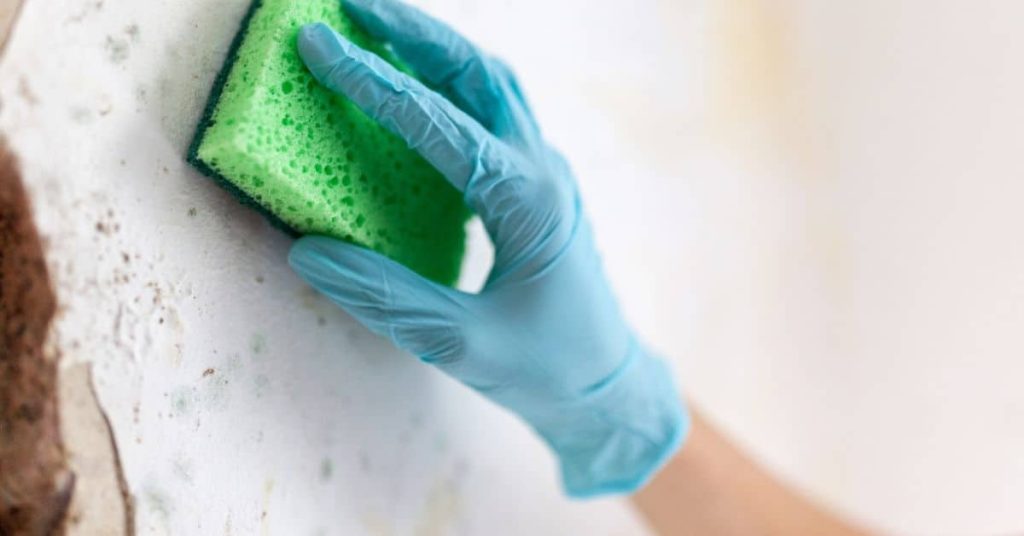
Gloved hand scrubbing white concrete wall with green sponge

Concrete Paint Prep: Cleaning, profiling, and drying for adhesion

Introduction Concrete paint prep is the process of cleaning the surface, creating a slight profile for the paint to grip, and ensuring it dries cleanly before coating. This hands-on approach helps adhesion and long-lasting results, not just a quick splash of color. Check the surface condition, the moisture level, and follow the paint label for

Concrete Paint Prep: Cleaning, profiling, and drying for adhesion Read More »

Worker smoothing plaster on drywall wearing safety helmet and mask

Gaps Between Trim and Wall: Fixing Wavy Drywall Without Replacing Trim

Introduction Gaps between trim and wall are gaps where the trim edge doesn’t sit tight against flat drywall. They happen when the drywall isn’t perfectly flush or the trim was fastened before the wall settled. You’ll see them most where corners and edges meet the wall surface. You can fix it without removing the trim

Gaps Between Trim and Wall: Fixing Wavy Drywall Without Replacing Trim Read More »

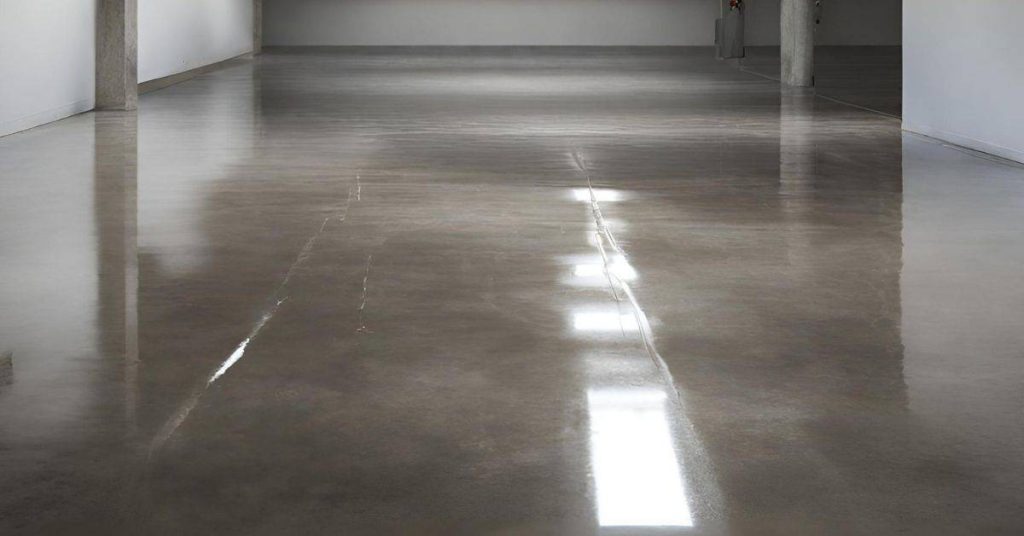
Polished concrete floor reflecting overhead lights

Polished Concrete Stain Protection: Guards, Resealing, and Maintenance That Works

Introduction Polished concrete stain protection is a practical plan to keep stains from soaking in and the surface looking good. It relies on guard methods, occasional resealing, and simple maintenance you can handle in a DIY project. This approach aims to slow wear, resist color change, and extend the life of the finish. To choose

Polished Concrete Stain Protection: Guards, Resealing, and Maintenance That Works Read More »