Search Results for: silica dust

Close-up of rough stucco dash finish texture surface

Stucco Texture Blending 101: How to Hide a Patch in Sand Float, Dash, and Lace Finishes

Introduction Stucco texture blending is the art of disguising a repair by matching texture and sheen under common finishes like sand float, dash, and lace. Treat the patch as a small project inside the bigger wall, plan to feather edges and adjust trowel pressure. Start by inspecting the surrounding texture and choosing a blending technique […]

Stucco Texture Blending 101: How to Hide a Patch in Sand Float, Dash, and Lace Finishes Read More »

Closeup of spider crack on rough concrete surface

DIY Concrete Waterproofing on the Inside: When It Works and When It’s a Trap

Introduction DIY concrete waterproofing on the inside is applying moisture barriers and sealants to interior concrete surfaces to keep dampness at bay. It helps when intrusion comes through cracks, porous walls, or hydrostatic pressure, but it isn’t a substitute for good exterior drainage. We’ll walk through identifying water sources and choosing practical interior steps for

DIY Concrete Waterproofing on the Inside: When It Works and When It’s a Trap Read More »

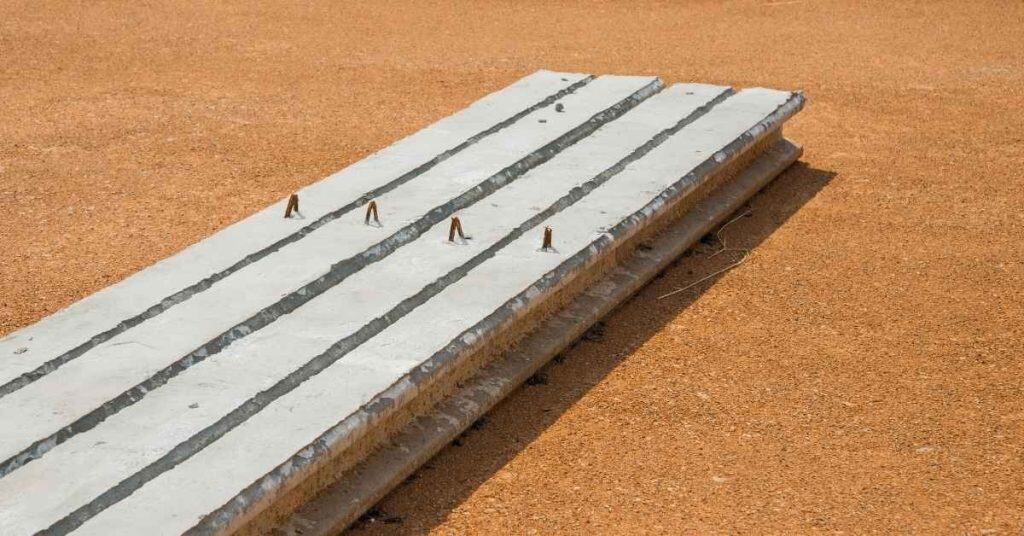
Concrete precast panel with metal rebar rods

How to Make a Concrete ‘Inlay’ House Number Panel (Clean Lines, No Spalling)

Introduction A concrete inlay house number panel is a built-in decorative panel that houses your address numbers flush with the surface. The goal is clean lines and a durable fit that resists spalling when exposed to weather. This article covers practical steps for creating the inlay and keeping the edges sharp while avoiding common mistakes.

How to Make a Concrete ‘Inlay’ House Number Panel (Clean Lines, No Spalling) Read More »

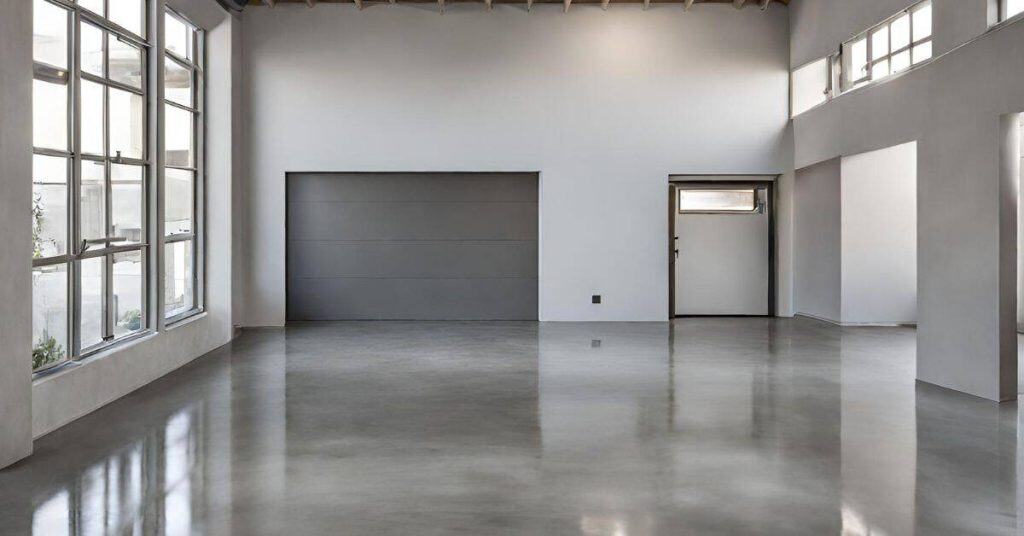
Empty room with polished concrete floor and large windows

DIY Anti-Slip Additives for Concrete Sealers: Where They Work and Where They Fail

Introduction DIY anti-slip additives for concrete sealers are materials mixed into sealers to increase traction on wet or dry concrete. They work by changing the surface texture or increasing roughness at small scales. Before using them, check the product label and follow the manufacturer’s instructions for mixing ratios, safety, and cure times. Different sealers (penetrating

DIY Anti-Slip Additives for Concrete Sealers: Where They Work and Where They Fail Read More »

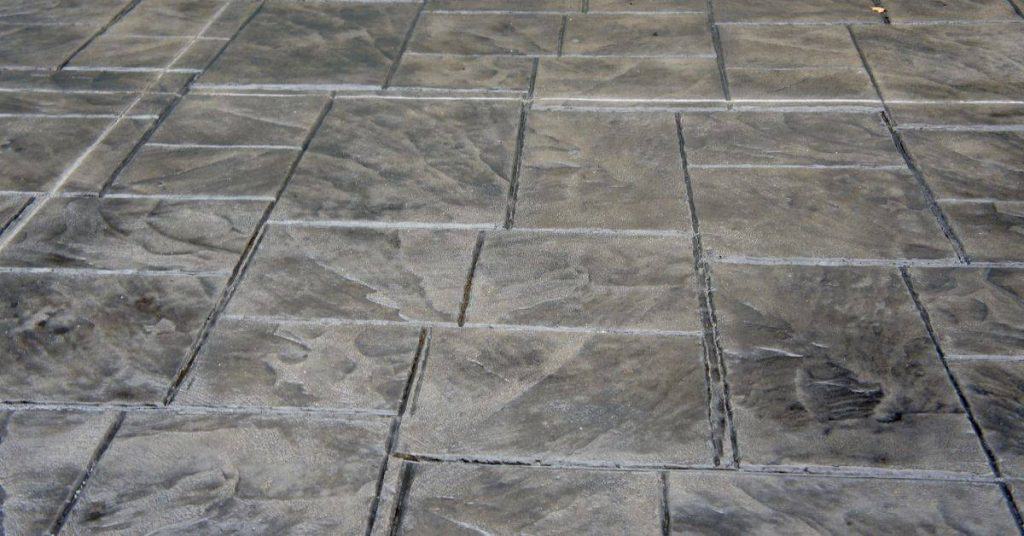
Close-up of textured stamped concrete surface with square pattern

Best Paint Systems for Concrete Block Walls Indoors (Breathability vs. Washability)

Introduction Breathable paint systems allow moisture in the wall to escape while still providing a decorative finish. Washable coatings resist scuffs and stains, but may seal too tight and trap moisture if used improperly. For block walls indoors, balance the needs of humidity, moisture migration, and cleaning ease. Check the product label for breathability ratings

Best Paint Systems for Concrete Block Walls Indoors (Breathability vs. Washability) Read More »

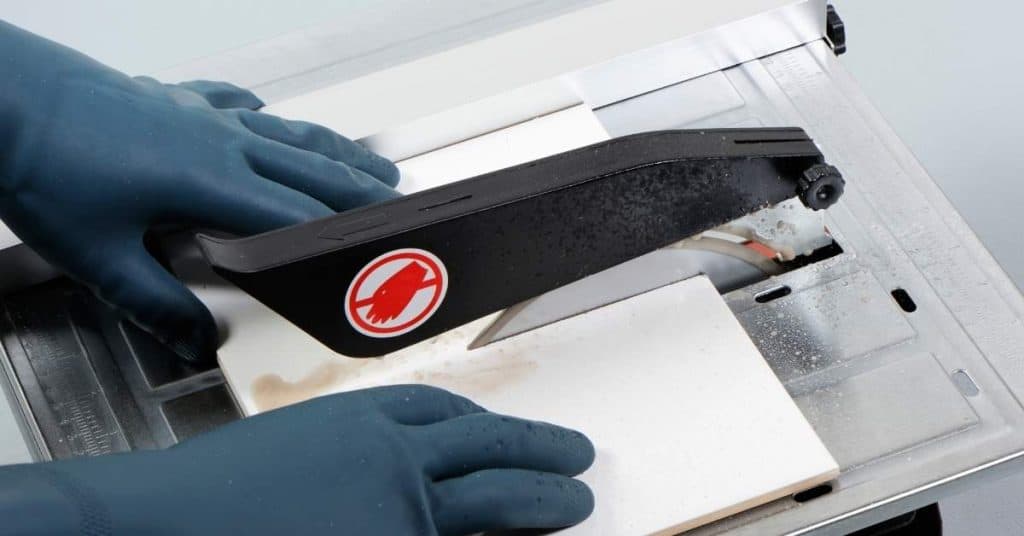
Hands in gloves cutting tile on a wet tile saw

Cutting Tiny Tile Slivers Safely: Jigs and Alternatives That Look Better

Introduction Cutting tiny tile slivers safely means trimming small tile offcuts with stable guides to avoid breakage. This article covers practical jigs and simple alternatives that help you keep the edge clean. It stays hands-on and avoids guessing, with tips you can verify on the job. You’ll find options that pair a steady fence with

Cutting Tiny Tile Slivers Safely: Jigs and Alternatives That Look Better Read More »

Man applying caulking near white baseboards on tile floor

Using Anti-Skid Additives in Paint: Correct Ratios and Where Not to Use Them

Introduction Anti-skid additives are materials you mix into paint to create a textured, non-slip surface. They add traction for safer walking on stairs, porches, ramps, and other wet or slick areas. Always read the product label and manufacturer instructions to understand how they work with your paint and surface. Correct ratios depend on the specific

Using Anti-Skid Additives in Paint: Correct Ratios and Where Not to Use Them Read More »

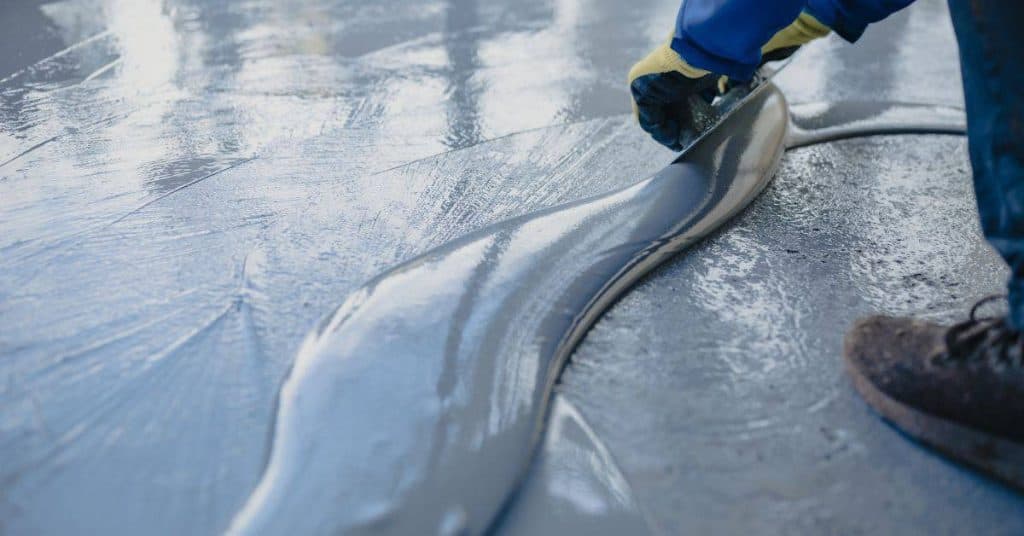
Person applying glossy epoxy coating on concrete floor

Painting Basement Walls Without Trapping Moisture: Mineral Paints vs. Acrylics vs. Epoxy

Introduction Painting basement walls without trapping moisture means choosing a coating and prep method that manages moisture rather than sealing it in. Start by diagnosing the wall condition and cleaning, repairing leaks, and planning ventilation before any paint goes on. Then determine if the wall needs moisture barriers, steps for drying, and whether to apply

Painting Basement Walls Without Trapping Moisture: Mineral Paints vs. Acrylics vs. Epoxy Read More »

Stamped concrete patio with curved edge and garden bed

How to Feather a Concrete Patch Without a Weak Edge (Undercuts and Micro-Overlays)

Introduction Feathering a concrete patch means shaping the edge with undercuts and a micro-overlay so the repair blends with the surrounding slab. It’s about creating a gradual transition, not a hard line or a loaded patch. You’ll want a clean bond, good surface prep, and a plan for the edge quality as you go. This

How to Feather a Concrete Patch Without a Weak Edge (Undercuts and Micro-Overlays) Read More »

Man patching interior wall with plaster using putty knife

Lime Plaster Compatibility Rules: Patching Old Walls Without Future Failure

Introduction Lime plaster compatibility means using a mix that can bond to existing walls without trapping moisture. It requires considering the old wall material and ensuring the new plaster can move with it. Always check the wall for moisture or stability before patching. To patch, clean and roughen the surface, then apply a lime-based plaster

Lime Plaster Compatibility Rules: Patching Old Walls Without Future Failure Read More »