
Introduction
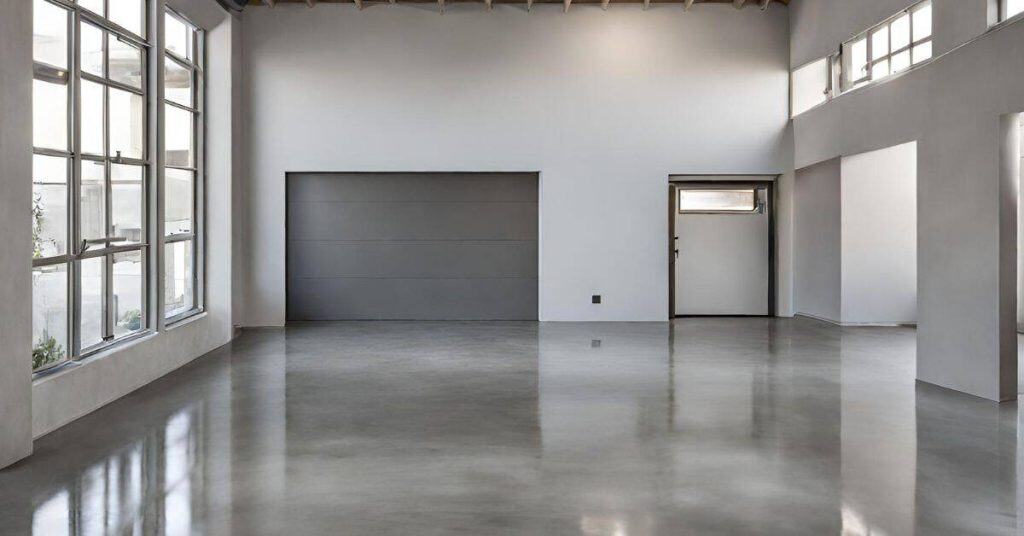
DIY anti-slip additives for concrete sealers are materials mixed into sealers to increase traction on wet or dry concrete. They work by changing the surface texture or increasing roughness at small scales. Before using them, check the product label and follow the manufacturer’s instructions for mixing ratios, safety, and cure times.
Different sealers (penetrating vs. wet look) behave differently with anti-slip additives, so choose based on how much surface shine you want and how you’ll use the space. Water-based and solvent-based sealers have different drying times and odor, so read the label for compatibility with additives and the surface condition. For a DIY job, test in a small, inconspicuous area first, and confirm that the mix stays evenly distributed and won’t leave blotches.
Key takeaways
- Know if your sealer is penetrating or wet-look before adding anti-slip additives.
- Verify compatibility with water-based vs solvent-based sealers and additives per label.
- Test slip resistance on a small area after applying the additive mix.
- Drying times and recoat windows vary; follow manufacturer guidelines closely.
- Wear gloves and eye protection; test in an inconspicuous area first.
- Inspect substrate for texture changes; aggressive grit may reduce wear resistance.
Table of Contents
- Introduction
- Key takeaways
- Quick Overview — What Anti-Slip Additives Are and When to Use Them
- Which Sealer Chemistries Accept Anti-Slip Additives (and Which Don’t)
- Water-Based Vs. Solvent-Based Sealers — Additive Behavior and Considerations
- Where DIY Additives Perform Well — Ideal Conditions and Substrates
- Where DIY Additives Fail or Underperform — Common Failure Modes
- Application Best Practices and Common DIY Mistakes to Avoid
- Safety, Testing, and Measuring Slip Resistance
- Costs, Maintenance, Tools Checklist, and Troubleshooting
- Conclusion
- FAQ
Quick Overview — What Anti-Slip Additives Are and When to Use Them
Anti-slip additives come in two broad families: inert surface materials like sand or silica grit, and polymer or aluminum oxide flakes that stay visible on the surface. They can be paired with sealers or applied during surface texture methods such as broadcast-and-embed. Expect texture differences that range from gritty to subtle depending on the method chosen.
Safety, code compliance, and maintenance all affect how you choose and use these additives. More traction can mean less slipping but potentially more tripping hazards and tougher cleaning. Always consider local requirements and plan for how the surface will be cared for after sealing and re-sealing.
Common Additive Types (Grit, Beads, Silica)
The most common anti-slip additives for concrete sealers fall into three categories:
- Inert Aggregates: Sand, silica grit, or other small particles. They create a rough surface texture.
- Polymer Flakes: Small plastic flakes that embed into the sealer to provide traction.
- Aluminum Oxide: Fine metal oxide particles offering superior durability and slip resistance.
Each has its pros and cons. Grits are cheap but can dull appearance if overused. Polymer flakes offer good traction but may not last as long. Aluminum oxide is durable but more expensive.
How Additives Increase Traction
Additives boost slip resistance through two main mechanisms:
- Mechanical Texture: Grits, beads, and flakes create microtexture on the surface. This increases friction between shoes and the floor.
- Surface Energy Modification: Some additives change how water interacts with the surface. They lower the surface energy, making it harder for water to form a thin film that reduces friction.
Mechanical texture works best on dry surfaces. Surface energy modification helps in wet conditions but may not be as effective on dry surfaces.
Which Sealer Chemistries Accept Anti-Slip Additives (and Which Don’t)
Compatibility hinges on whether the sealer is film-forming or penetrating. Moisture-curing and solvent- versus water-borne bases influence how well additives stay exposed and perform over time. Film-forming sealers may retain surface abrasives longer, while penetrating sealers rely on surface texture for grip.
Check manufacturer instructions and data sheets for each product you plan to use. Look for any stated limits on additive type, loading, or premixing requirements. Patch tests are essential before full-scale application to catch issues early.
Penetrating sealers and silicate/densifier products
Penetrating sealers like silane, siloxane, or silicate densifiers don’t create a surface film. They soak into the concrete to protect it from within.
Additives won’t stick to these types of sealers because they have no surface to adhere to once the sealer has penetrated.
On densified or polished concrete, additives will fail as they’re either washed away or lose effectiveness over time due to lack of exposure. Always check manufacturer guidelines before adding anything.
Film-forming sealers (acrylics, urethanes, epoxies)
Film-forming sealers like acrylics, urethanes, and epoxies create a protective layer on the concrete surface.
Additives can stick to this film, providing traction. However, not all film-forming sealers are compatible with additives. Always confirm with the manufacturer before adding anything.
These sealers may retain abrasives better than penetrating ones but can still wear unevenly over time. Regular maintenance might be needed to maintain anti-slip performance.
Water-Based Vs. Solvent-Based Sealers — Additive Behavior and Considerations
In water-based systems, dispersion of grit depends on particle size, surfactants, and viscosity, which affects uniform distribution during mixing and after application. Solvent-based systems can alter how additives disperse and how they appear once cured. Both can influence gloss and texture in different ways.
Substrate porosity, base chemistry, and additive type all shape performance. Be mindful of interactions that could hinder adhesion or film formation. Plan for ventilation, cleanup, and potential re-application when environments change.
Visual effects, clarity, and bloom risk
Adding anti-slip additives to sealers can change the visual appearance of your concrete. It’s crucial to understand these changes before you start.
Gloss or Matte Appearance: Additives can alter the gloss level of your sealer. Some may make it shinier, while others might dull it down. This depends on the type and size of the additive particles.
Haze or Blush: In humid conditions, some additives can cause a temporary haze or ‘blush’ effect. This usually fades once the sealer is fully cured. To avoid surprises, always test your chosen combination on a small, hidden area first.
Application, drying, and ventilation factors
Water-based and solvent-based sealers have different application, drying, and safety considerations when using anti-slip additives. Let’s break them down.
Drying Characteristics: Water-based sealers dry slower than their solvent counterparts due to evaporation rates. This can affect how evenly the additive distributes across the surface. Solvent-based sealers, on the other hand, may dry too quickly if not applied carefully, leading to clumping or uneven distribution.
Ventilation and Safety: Both types of sealers require proper ventilation during application and drying. However, solvent-based products often have stronger odors and can pose greater health risks with prolonged exposure. Always follow the manufacturer’s guidelines for handling and safety precautions.
Where DIY Additives Perform Well — Ideal Conditions and Substrates
DIY additives tend to work best on textured exterior concrete, wood-like overlays, and high-traffic areas such as garages or ramps. These substrates already have a built-in grip profile that additives can complement without masking it. Interior wet areas may also benefit with careful selection and timing.
Preparation matters: cleanliness, dryness, and proper cure stage maximize performance. Always verify compatibility with the chosen sealer and avoid substrates that are too smooth or coated with incompatible finishes.
Indoor vs. Outdoor Performance Differences
Anti-slip additives perform differently indoors and outdoors due to varying exposure factors.
Outdoor: UV rays, freeze-thaw cycles, and oil/chemical spills can degrade additive traction over time. Additives designed for outdoor use have UV stabilizers and better resistance to these elements.
Indoor: While less exposed, indoor surfaces still face wear from foot traffic and occasional spills. Indoor additives focus on providing consistent traction under these conditions.
Substrate Types That Accept Additives Best
Certain substrate traits favor successful additive application:
1. Porous but film-receptive surfaces: Additives need a surface to bond with. Porous concrete or overlays that aren’t too smooth accept additives well.
2. Non-oiled, non-polished surfaces: Oils and polishes can prevent additives from adhering properly. Ensure your substrate is clean and free of these.
3. Surface profile: A slightly textured surface helps additives create traction. Smooth surfaces may not hold additives well.
Where DIY Additives Fail or Underperform — Common Failure Modes
Be on the lookout for polished or highly densified floors, oil-contaminated zones, or areas with industrial traffic where additives may underperform. On these surfaces, grip can be inconsistent or quickly worn away. Pre-assessment helps you avoid wasted effort.
Understand compatibility and limits of the sealers and additives you use. Risks include color changes, hazing, or weakened cure if the wrong product is applied. Plan small tests and observe before wider implementation.
Chemical and abrasion breakdown
DIY anti-slip additives can wear down over time, especially in harsh conditions. Oil, fuel, or heavy abrasion can mask or even remove the texture that provides traction.
In high-traffic industrial zones or areas prone to chemical spills, additives might not be enough. You may need to consider mechanical anti-slip measures, like grit strips or treads.
Before applying additives in these conditions, do a small-scale patch test. Observe it over time to see if the texture holds up.
Adhesion and delamination risks
Improper mixing or incompatible chemistries between additives and sealers can lead to flaking or sealer failure. This is more likely on polished, densified, or high-gloss floors.
Proper surface preparation is crucial. Ensure the concrete is clean, dry, and free of any contaminants that could hinder adhesion.
Always check compatibility between your chosen additive and sealer. Some additives can cause hazing or color changes in certain sealers.
Before wider application, do a small patch test to observe cure and performance over time.
Application Best Practices and Common DIY Mistakes to Avoid
Start with a clear goal, confirm product compatibility, and assess surface conditions before applying additives. Establish a plan for testing patches to gauge traction and finish. Document batch notes for repeatability.
During mixing and sequencing, avoid air entrapment and over- or under-dosing. Follow the sequence of coats if applicable and allow proper cure before exposing the surface to moisture. Common mistakes include skipping patches and poor surface prep.
Surface prep, sequencing, and test patches
Before applying anti-slip additives, your surface needs to be clean, dry, and free of contaminants. Remove any existing sealers or wax buildup.
Check the ambient temperature and moisture levels. It should be between 50-90°F (10-32°C) with low humidity for best results.
Always perform a sanctioned test patch plan. Apply small patches with varied additive concentrations to gauge traction, gloss change, and cure behavior before full application. This helps you avoid costly mistakes.
Mixing, broadcast methods, and coverage planning
Anti-slip additives can be premixed into the sealer or broadcast onto a wet film. Premixing ensures even distribution but reduces working time. Broadcasting provides more control over additive placement.
To plan your coverage and material amounts, test different concentrations on a small area first. Follow label directions to ensure you’re using the correct amount of additives per square foot.
Consider the coverage rate of your sealer and additive combined. This will help you determine how many coats you’ll need and how much material to prepare.
Safety, Testing, and Measuring Slip Resistance
Follow basic safety protocols for DIY work: PPE, good ventilation, and careful handling of sealers and additives. Consider surface-specific prep needs such as ambient conditions and cleanliness to ensure meaningful results. Use patches to gauge initial performance.
When numbers matter, rely on local codes or manufacturer guidance and consider professional friction testing for objective data. Keep documentation of tests, conditions, and results to guide future projects and reapplication plans.
DIY tests and visual checkpoints
Before you start, use these simple checks to ensure your anti-slip additives are working as expected. These methods are subjective but can help catch issues early.
- Dry walk test: Walk on the surface with dry shoes. It should feel secure and not slippery.
- Wet walk test: Sprinkle water or use a wet mop to mimic wet conditions. Walk again. The surface should still provide good traction.
- Heel-to-sole friction: Try walking backwards in high heels (or just press your heel and sole against each other). If it’s slippery, the additive might not be working.
- Visual inspection: Look for any unevenness, cracks, or discoloration that could affect traction.
- Oily surface test: Apply a small amount of oil (like motor oil) on the surface. If it’s still slippery when dry, recheck your application.
- Water accumulation: Check if water pools or drains quickly. Prolonged pooling can affect traction over time.
- Bloom risk: If you see a white haze (bloom) after application, it might indicate improper mixing or curing.
- Consistency check: Ensure the additive is evenly distributed. Inconsistencies can lead to slippery spots.
Quick rule: If any of these checks fail, re-evaluate your application process and consider professional testing.
Professional testing and standards to consider
For critical areas or when DIY tests aren’t conclusive, consult recognized friction testing methods. Local building codes may also require specific slip resistance levels.
Tribometer/COF testing: These devices measure dynamic (sliding) and static (stationary) coefficients of friction. They provide objective numbers but require professional use.
Common tests include ASTM E303 (Taber Shear Test) or the pendulum test (for hard surfaces).
Local building codes: Check with your local code official to ensure your chosen additive meets required slip resistance levels, especially in public spaces or critical areas like stairs and ramps.
For code-critical installations, consider hiring a certified tester or consultant. They can provide accurate readings and ensure compliance with relevant standards and codes.
Costs, Maintenance, Tools Checklist, and Troubleshooting
Evaluate upfront additive costs and application labor against alternatives like textured coatings or mats, then weigh ongoing maintenance implications. Reapplication timing depends on traffic, cleaning agents, and environmental exposure. Plan for long-term upkeep.
Maintain a practical toolbox: mixing tools, rollers or sprayers, PPE, and cleaning supplies tailored to the sealers you use. For problems like uneven texture or residue build-up, use targeted corrective steps without overhauling the whole floor.
Tools and materials checklist
Before you start, make sure you have all the necessary tools and materials to ensure a smooth job.
- Measuring tape: To determine how much material you need.
- Mixer (drill with mixing attachment): For blending additives into sealers.
- Rollers or squeegees: For applying the mixture evenly.
- PPE (Personal Protective Equipment): Gloves, goggles, and a respirator for safety.
- Ventilation gear: Ensure proper ventilation in enclosed spaces.
- Pails: For mixing and transporting the sealer.
- Cleaning solvents: To prep surfaces and clean up afterwards.
- Sealer-specific equipment (if applicable): Follow manufacturer’s guidelines for any special tools needed.
Quick rule: Always check product labels and safety data sheets to ensure you’re using the right gear and following proper safety protocols.
Cost, longevity, maintenance and troubleshooting tips
Understanding the costs, maintenance, and potential issues will help you make informed decisions about your anti-slip additive project.
- Upfront costs: Compare additive costs with alternative methods like textured coatings or abrasive mats. Consider application expenses too.
- Maintenance cycle: Additives typically last 1-3 years, depending on traffic and wear. Plan for reapplication every few years.
- Cleaning routine: Regularly clean the surface to maintain slip resistance. Harsh chemicals can degrade additives over time.
- Surface prep before resealing: Ensure the surface is clean, dry, and free of any residue or damage for optimal adhesion.
- Adhesion issues: If you notice peeling or flaking, it might be a sign of poor surface prep or incompatible sealers. Recoat only after addressing the issue.
- Uneven texture or appearance changes: This could indicate improper mixing, application, or curing. Inspect your process and adjust as needed.
- Wear-through: If the additive is wearing off quickly, it might be due to heavy traffic or incorrect application. Reapply as necessary.
Quick rule: Regular maintenance and prompt troubleshooting will extend the lifespan of your anti-slip additives and keep costs down in the long run.
Conclusion
The bottom line is simple: using anti-slip additives properly protects people and the concrete, while keeping the sealers looking good and lasting longer.
First, identify the sealer you’re using, verify the additive is compatible, then test in a small area before committing. Do a quick compatibility check with your chosen sealer and substrate, mix exactly as the manufacturer directs, apply in thin, even coats, and cure in a safe, ventilated space. After curing, measure slip resistance to confirm it meets your target, and watch for any changes in appearance or performance as the surface ages.
Common mistakes to avoid are clear: don’t overdo the additive, don’t skip the compatibility test, and don’t rush or skip surface prep or curing. Never apply over a contaminated or glossy surface, and always follow safety rules—ventilate well, wear gloves and eye protection, and keep kids and pets away during curing. If you’re unsure about the chemistry or the substrate, err on the side of professional help rather than risking irreversible damage.
FAQ
How do I choose between penetrating sealers and wet-look sealers for adding anti-slip additives?
Penetrating sealers sit into the concrete and don’t leave a surface film, which can reduce some added grit visibility. Wet-look sealers coat the surface and can change texture more, affecting how anti-slip particles grab. Check the product label for compatibility with anti-slip additives and test a small area first.
Do water-based and solvent-based sealers affect anti-slip additive performance differently?
Yes. Water-based versions can dilute or suspend some additives differently than solvent-based ones. Read the manufacturer instructions for any additive compatibility notes and do a patch test to confirm slip resistance and appearance before a full application.
What should I check on labels or datasheets before mixing an anti-slip additive with a sealer?
Look for approved additive compatibility, mixing ratios, and any surface prep or cure requirements. If the datasheet isn’t clear, contact the manufacturer or check local guidance. Don’t guess and avoid mixing incompatible products.
How do I reseal or refresh an anti-slip surface on an already sealed slab?
Follow the existing sealer’s recoat or reseal guidelines and test a small area first. If you’re adding anti-slip particles again, ensure the new coat is compatible and allows proper adhesion; otherwise the reuse can cause peeling or uneven texture.