Search Results for: silica dust

White hard hat safety glasses work gloves and mask on surface

Silica Dust Safety for DIY Concrete Work: Practical Controls That Work

Introduction Silica dust is tiny crystalline particles released when you cut, grind, or saw concrete. Handling it safely means using practical controls and knowing what to check on labels and instructions. This article explains in plain terms what silica dust is, why it can be hazardous, and how to keep it out of your work […]

Silica Dust Safety for DIY Concrete Work: Practical Controls That Work Read More »

Precast concrete wall panels stored outdoors under cloudy sky

Concrete dust respirator habits: storage, filter changes, and staying protected on off-and-on tasks

Introduction Concrete dust respirator habits are the routines you follow to store, maintain, and use your respirator so you stay protected when working with dusty concrete. Store it in a clean, dry place and inspect seals and straps before each use. Check manufacturer instructions for any care steps and avoid exposing the respirator to extreme

Concrete dust respirator habits: storage, filter changes, and staying protected on off-and-on tasks Read More »

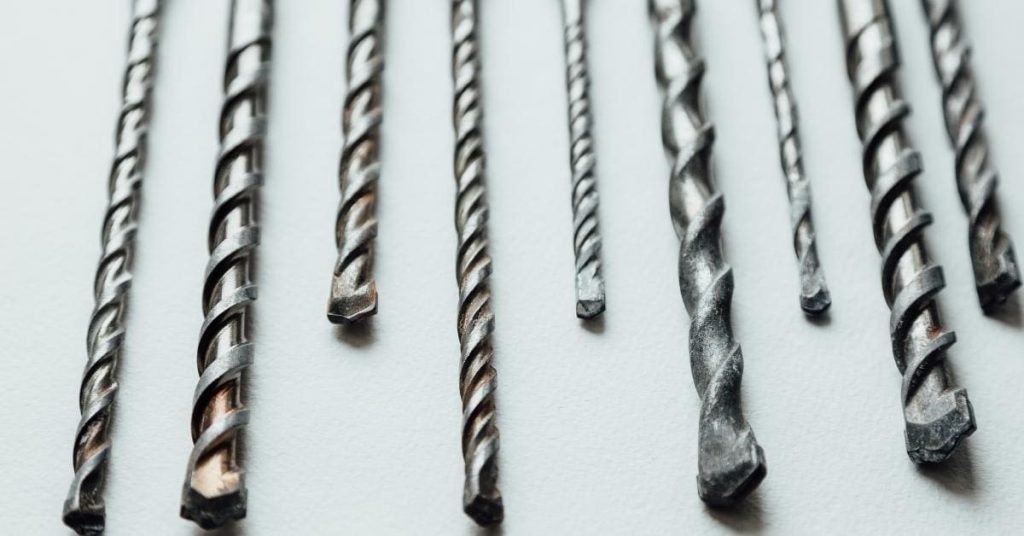
Close-up of various concrete drill bits arranged on a surface

Turning a cheap shop vac into a concrete and masonry silica setup: what works, what’s a false sense of safety

Introduction A cheap shop vac is not a proper silica dust containment or filtration system for concrete and masonry work. It can help with light cleanup but it does not reliably protect you from fine dust exposure. Use it only for basic cleanup and verify what it can and cannot do by checking the product

Turning a cheap shop vac into a concrete and masonry silica setup: what works, what’s a false sense of safety Read More »

Corded orange and black angle grinder on concrete floor

Wet saw vs grinder for brick and block: cut quality, dust, and speed tradeoffs

Introduction Wet saws cut brick and block with water cooling and a fixed blade, offering dust control and different cut quality than grinders. A grinder can cut faster on rough brick or block but tends to produce more dust and less precise edges unless a careful technique and guard are used. Check the blade type,

Wet saw vs grinder for brick and block: cut quality, dust, and speed tradeoffs Read More »

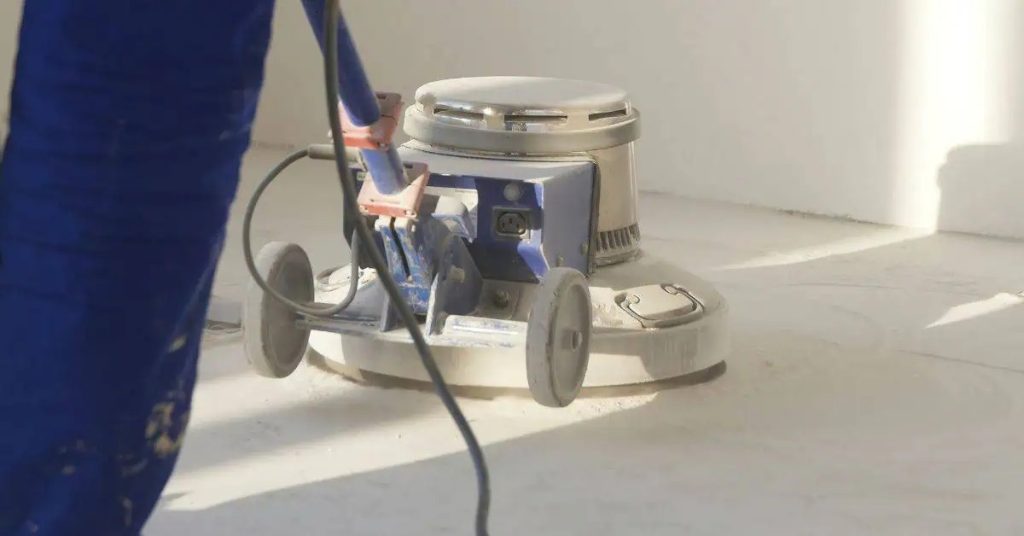
closeup of concrete floor polishing machine on floor

Angle grinder dust control on concrete and masonry: shrouds, vac sizing, and why airflow matters

Introduction Angle grinder dust control on concrete and masonry means using a shroud and vacuum system to capture dust at the source during cutting and grinding. Controlling dust protects lungs, keeps the work area safer, and helps the job go smoother by reducing cleanup and exposure. Airflow matters because proper capture depends on a good

Angle grinder dust control on concrete and masonry: shrouds, vac sizing, and why airflow matters Read More »

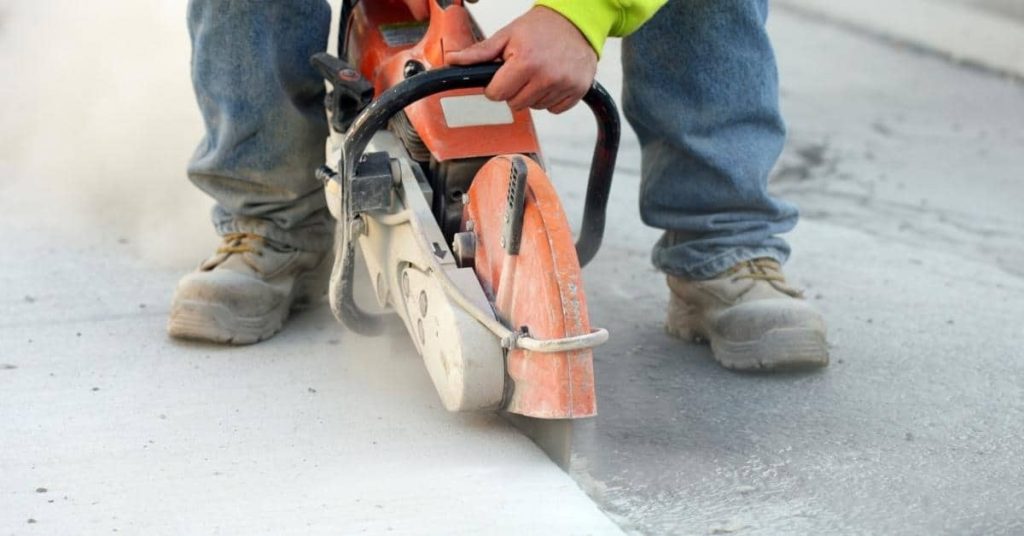
Person cutting concrete with orange power saw and protective boots

Cutting concrete block units: dust control tips and fastest methods for clean ends

Introduction Cutting concrete block units involves trimming and finishing blocks with a focus on dust control and clean ends. This introduction provides practical, hands-on guidance for selecting tools and following safe, efficient techniques. You’ll learn dust control steps, proper cutting methods, and the safety gear that helps you work cleanly. From saws and masonry bits

Cutting concrete block units: dust control tips and fastest methods for clean ends Read More »

Empty indoor parking garage with smooth concrete floor and white lines

Dusty Concrete Garage Slabs: When Sweeping and Densifiers Help and When Resurfacing Is the Only Fix

Introduction Dusty concrete garage slabs are surfaces that shed loose concrete dust and fine particles, creating a chalky layer on the floor. Sweeping and densifying can help restore stability, while resurfacing may be needed for heavy or persistent dust. Use sweeping and densifying for light dust and in slabs that show wear but still have

Dusty Concrete Garage Slabs: When Sweeping and Densifiers Help and When Resurfacing Is the Only Fix Read More »

Empty garage with concrete floor and closed metal door

Dusty garage slabs: when sweeping and densifiers help and when resurfacing is the only fix

Introduction Dusty garage slabs are concrete floors that shed fine dust from the surface as you walk on them. Causes include worn surface, moisture, and exposure to chemicals or abrasion from vehicles and tools. Keeping the area swept and free of grit helps you see how bad the dust problem is and what needs doing

Dusty garage slabs: when sweeping and densifiers help and when resurfacing is the only fix Read More »

Close-up of gas-powered cutting saw blade in front of red truck

Cutting Brick Pavers Cleanly: Blades, Chipping Control, and Dust Safety

Introduction Cutting brick pavers cleanly means using the right blade and technique to produce straight, square cuts with minimal chipping. Choose a blade rated for masonry and masonry-specific cutting, and align your cut with the paver face for a clean edge. Take your time to steady the paver and clamp it, then make a shallow

Cutting Brick Pavers Cleanly: Blades, Chipping Control, and Dust Safety Read More »

Polished concrete floor reflecting overhead lights and columns

Concrete Densifiers for DIY: Lithium vs Sodium Silicate and What Can Go Wrong

Introduction Lithium and sodium silicate densifiers are concrete surface treatments that harden the top layer by penetrating and sealing the pores. They can help reduce dust, improve spill resistance, and give a subtle finish, but the best choice depends on your concrete and environment. Always check the product label and follow the manufacturer instructions, and

Concrete Densifiers for DIY: Lithium vs Sodium Silicate and What Can Go Wrong Read More »