Search Results for: silica dust

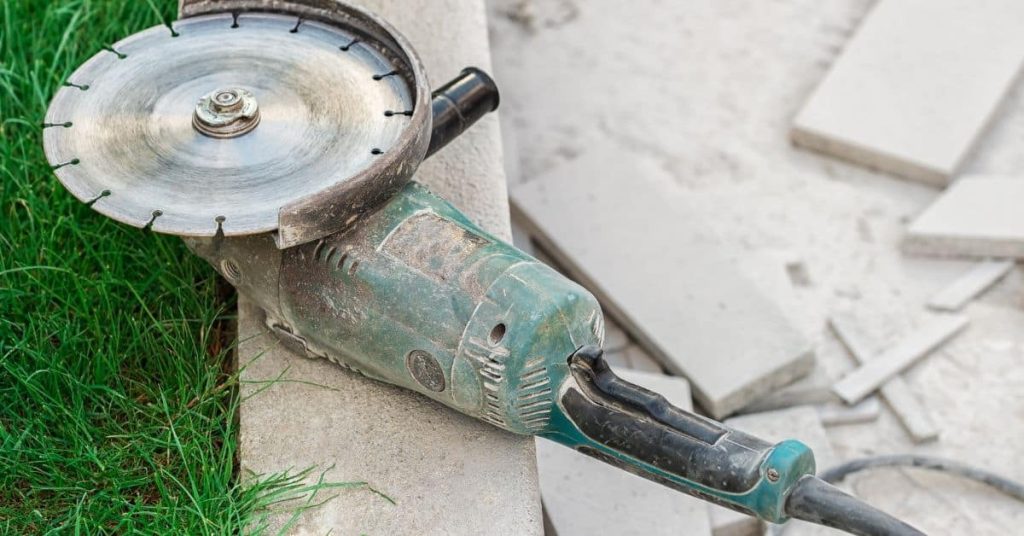
Electric concrete cutting angle grinder resting on curb

Concrete Sawcut Dust Control: Dry vs Wet Cutting and How to Protect Indoor Spaces

Introduction Dry cutting creates concrete dust that must be controlled, while wet cutting uses water to suppress dust. This article gives a practical, hands-on look at how each method works in real spots around the house. You’ll see what to check on equipment and what to expect when cutting indoors vs outdoors. We’ll cover how […]

Concrete Sawcut Dust Control: Dry vs Wet Cutting and How to Protect Indoor Spaces Read More »
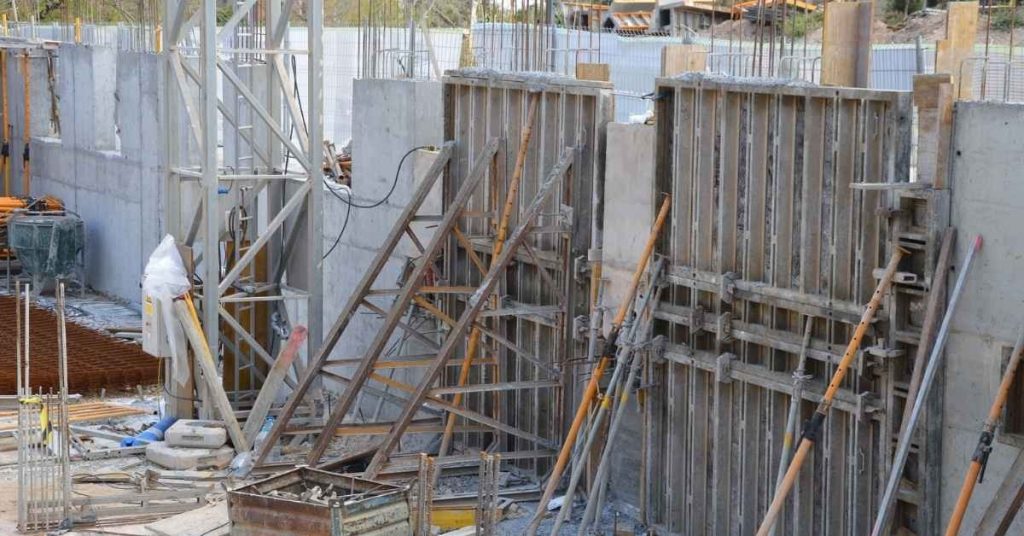
Concrete wall formwork with bracing supports at construction site

How to Fix Concrete That Starts Dusting Early: Curing Mistakes and Densifier Options

Introduction Dusting concrete early means the surface is wearing away, leaving a chalky film. It often comes from curing mistakes that kept the slab too dry or too wet during early hardening. This basic guide covers how to spot it and what you can do next. Densifiers and similar surface hardeners can help bind the

How to Fix Concrete That Starts Dusting Early: Curing Mistakes and Densifier Options Read More »

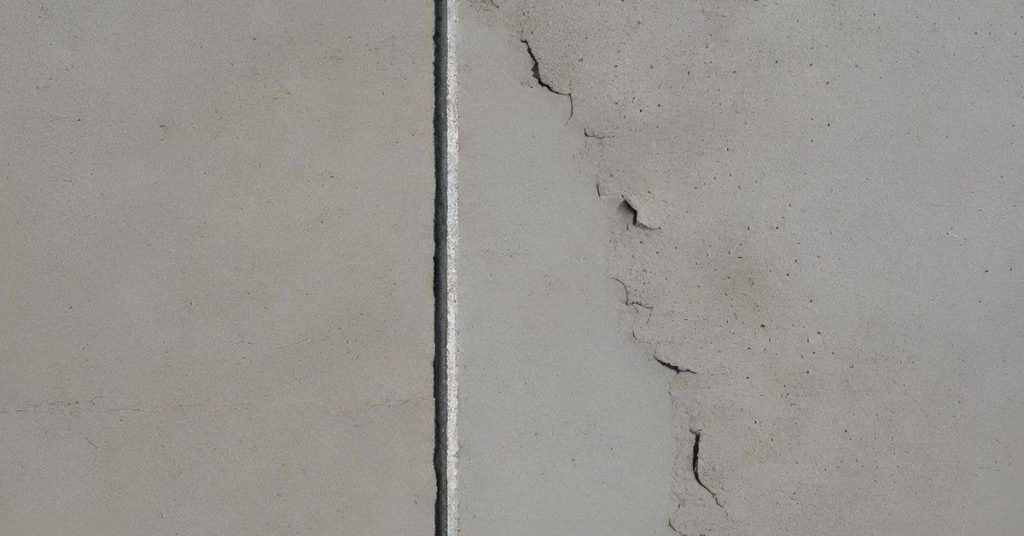
close-up of cracked concrete wall surface and joint

Dealing With Alkali-Silica Reaction (ASR) Cracking: Mitigation Options and When Replacement Is the Only Fix

Introduction ASR cracking is damage in concrete caused by a chemical reaction between reactive aggregate and alkalis in the cement. This is a long-standing problem that can show up as fine to wide cracking and spalling over time. Understanding that it develops slowly helps you plan repairs rather than chasing quick fixes. Causes and the

Dealing With Alkali-Silica Reaction (ASR) Cracking: Mitigation Options and When Replacement Is the Only Fix Read More »

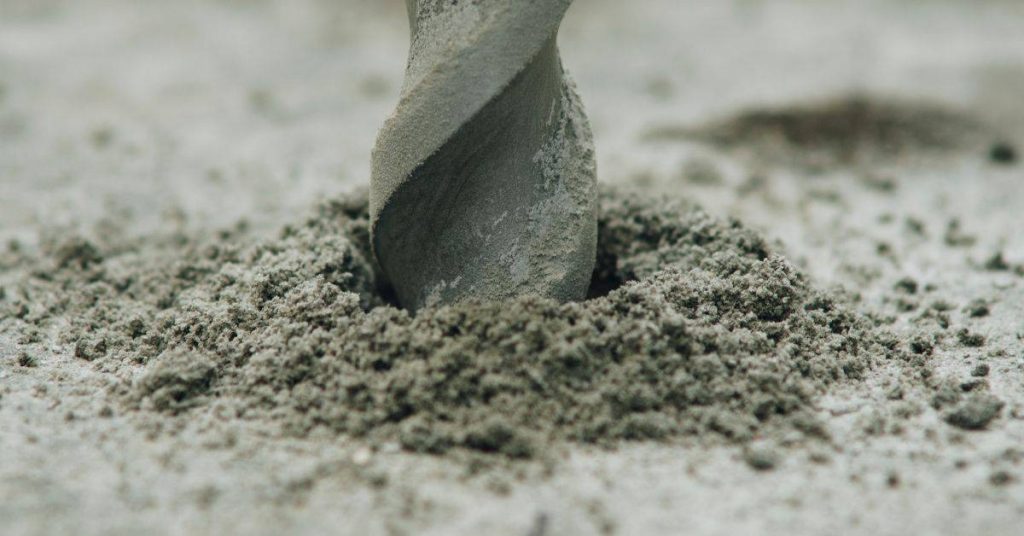
Concrete drill bit drilling into concrete with dust around

Bush-Hammered Concrete Finish: Tools, Dust Control, and Where It Makes Sense

Introduction Bush-hammered concrete finish is a textured surface created by striking the concrete with bush-hammer tools to expose the aggregate and create a rough, irregular pattern. This guide helps you think through what tools work, how to control dust, and where the finish makes sense in a DIY project. You’ll find practical notes on safety

Bush-Hammered Concrete Finish: Tools, Dust Control, and Where It Makes Sense Read More »

precast concrete wall panels with steel roof framing

Grinding vs Scarifying vs Milling: Picking Removal Methods by Depth and Dust

Introduction Grinding, scarifying, and milling are three removal methods that remove concrete from the surface, each with a different tool and result. Grinding uses a rotating abrasive disk to smooth and flatten the top layer. Scarifying tears and scratches the surface to lift material more aggressively, while milling removes larger sections with a powered drum.

Grinding vs Scarifying vs Milling: Picking Removal Methods by Depth and Dust Read More »

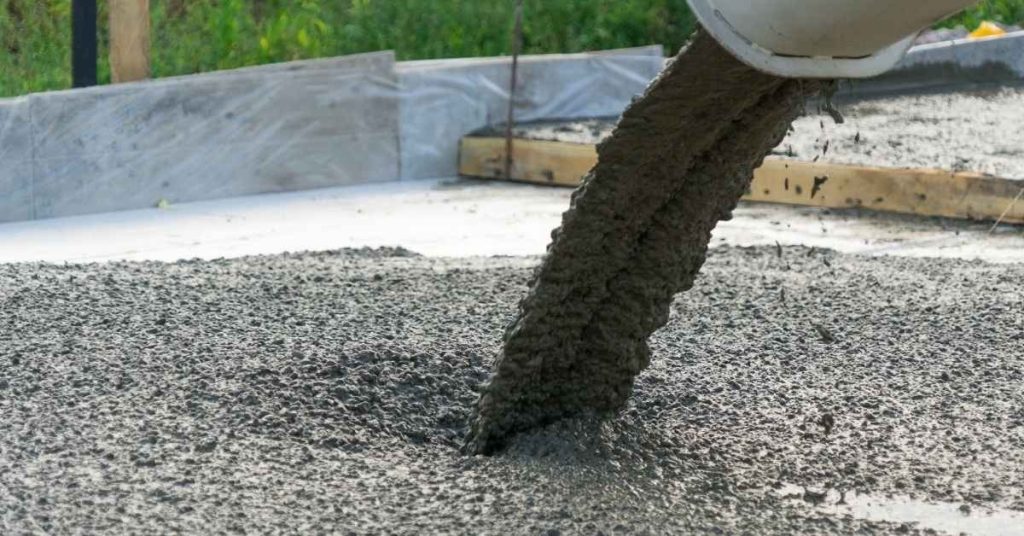
Fresh concrete pouring onto a slab outdoors

Concrete Alkali-Silica Reaction (ASR) Spot Checks: Symptoms That Mimic Other Failures

Introduction ASR is a chemical reaction in concrete between alkalis and reactive silica in aggregates that can lead to slow expansion and cracking. In the field, it can look like cracking, blistering, or powdery patches that mimic other problems. Understanding these symptoms helps you tell whether you might be dealing with ASR or something else.

Concrete Alkali-Silica Reaction (ASR) Spot Checks: Symptoms That Mimic Other Failures Read More »

Close-up of spiked roller on smooth epoxy floor

Nano-Silica in Small Batches: Benefits, Dispersion Tricks, and When It’s Not Worth It

Introduction Nano-silica in small batches means using tiny silica particles in an epoxy mix to boost performance without big-scale formulation. Keep it practical: check the epoxy label for compatibility, follow manufacturer guidance, and stay within local rules. In DIY projects, reliable resources and a few reputable references are worth a look before you start. If

Nano-Silica in Small Batches: Benefits, Dispersion Tricks, and When It’s Not Worth It Read More »

Close-up of a gray concrete slab surface with cracks and pitting

Concrete Dusting Floors: Why the surface powders and how to harden it

Introduction Concrete dusting is the surface powdering that happens when the upper layer of the concrete wears away, leaving a chalky film. It can occur from weak finishing, too much air in the mix, poor curing, or heavy traffic without protection. Understanding the signs helps you decide whether to protect, repair, or reseal the floor.

Concrete Dusting Floors: Why the surface powders and how to harden it Read More »

Hand tool smoothing a concrete slab surface outdoors

Concrete Dust Control: HEPA Vac Basics for Grinders and Cutters

Introduction HEPA vacuums are high‑efficiency cleanup tools that trap fine concrete dust while you grind or cut. They help reduce airborne dust exposure and keep your work area cleaner, especially when paired with the grinder or cutter you’re using. Use them with care, following the tool’s setup steps and maintaining the filter and hose connection

Concrete Dust Control: HEPA Vac Basics for Grinders and Cutters Read More »

Close-up of drill bit covered in reddish dust on powder surface

Shot Blasting for DIY? Rental Options, Dust Control, and When It’s Worth It

Introduction Shot blasting is a surface preparation method that uses high-velocity abrasive to clean and roughen a surface. For DIY projects, you can rent equipment and compare how it fits your time, budget, and safety plan. Always check the operator’s manual and local rules for ventilation and containment before you start. There are walk-behind, self-propelled,

Shot Blasting for DIY? Rental Options, Dust Control, and When It’s Worth It Read More »