Search Results for: silica dust

Concrete wall surface with visible cracking and peeling

Silica Fume for Thin Concrete Sections: How to Use It Without Cracking

Introduction Silica fume is a fine supplementary cementitious material that helps reduce cracking in thin concrete sections. In plain terms, it boosts the concrete mix by refining the pore structure and tightening the finish. It’s something you mix in with cement and water per manufacturer instructions. For DIY work, think of it as a tool […]

Silica Fume for Thin Concrete Sections: How to Use It Without Cracking Read More »

Stacked precast concrete columns outdoors on grass

SCMs for Stronger, Denser, Lower-Carbon Concrete: Metakaolin, Silica Fume, and LC3

Introduction SCMs are supplementary cementitious materials added to concrete to improve strength and density while lowering overall carbon. Metakaolin, silica fume, and LC3 are common options you might encounter in DIY mixes, each with distinct effects on workability and set. Always check product labels and manufacturer instructions, and start with small test batches to see

SCMs for Stronger, Denser, Lower-Carbon Concrete: Metakaolin, Silica Fume, and LC3 Read More »

Worker smoothing stucco on wall with hawk tool

Removing Loose Stucco Safely: Dust Control, Cut Lines, and How to Protect the WRB

Introduction Removing loose stucco safely means knocking out and replacing only the failing material while keeping dust off you and your house and protecting the weather-resistive barrier behind it. Start by finding the delaminated areas with a tap test and visual checks, then plan cuts and containment before you touch the wall. Use dust control

Removing Loose Stucco Safely: Dust Control, Cut Lines, and How to Protect the WRB Read More »

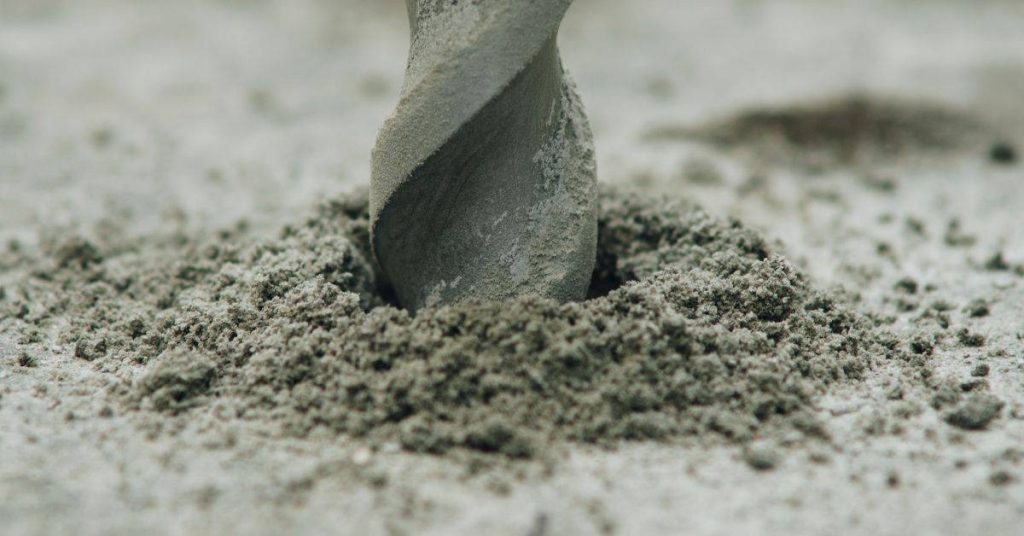
Close up of drill bit penetrating concrete surface with dust

How to Score and Snap Small Concrete Pavers Safely: Tools, Dust Control, and Break Lines

Introduction Scoring and snapping small concrete pavers means making a shallow cut along a planned break line and then applying controlled force to split the piece along that groove. This is a hands-on DIY method for straight, small cuts without a wet saw when pavers are brittle enough to break cleanly. Before you start, check

How to Score and Snap Small Concrete Pavers Safely: Tools, Dust Control, and Break Lines Read More »

Gas-powered power trowel smoothing wet concrete with rotating blade ring.

DIY Concrete Surface Hardener Application: Broadcast vs Spray and How to Avoid Dusty Spots

Introduction Concrete surface hardeners are coatings or dry-shake materials applied to fresh or cured concrete to increase surface abrasion resistance and reduce dusting. They can be clear or amber-tinted; the tint changes appearance and may help hide scratches but check the product label or manufacturer instructions for compatibility and coverage. Think like a foreman: choose

DIY Concrete Surface Hardener Application: Broadcast vs Spray and How to Avoid Dusty Spots Read More »

Stacked precast concrete beams covered with snow outdoors

Concrete Densifiers for Garages and Basements: Lithium vs Sodium Silicate and When Each Wins

Introduction Concrete densifiers are liquid treatments—commonly lithium or sodium silicate—that react with concrete to harden and dustproof the surface; choose lithium for better penetration in dense, sealed mixes and sodium for strong surface densification in porous slabs, and check the product label or manufacturer instructions for compatibility with your slab and sealer. In plain jobsite

Concrete Densifiers for Garages and Basements: Lithium vs Sodium Silicate and When Each Wins Read More »

Close-up of beige textured stucco wall surface

Silicate Mineral Paint on Stucco: Breathability, Prep, and Why It Bonds Differently

Introduction Silicate mineral paint is a water-based, mineral-bound finish that bonds chemically to masonry and remains vapor-permeable. It soaks into and reacts with mineral substrates rather than sitting on top like many organic paints, which is why it behaves differently on stucco. For a DIYer that means fewer film failures but you need the right

Silicate Mineral Paint on Stucco: Breathability, Prep, and Why It Bonds Differently Read More »

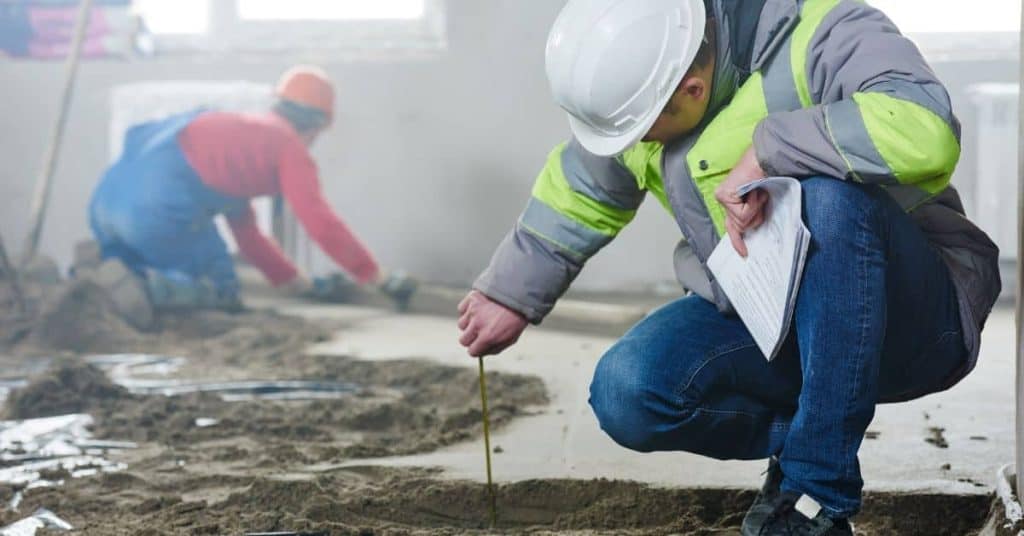
Worker measuring concrete slab with tape measure

Grinding High Spots on a Concrete Slab Safely (Dust Control and Tool Choices)

Introduction Grinding high spots on a concrete slab is the process of leveling protrusions to bring the surface flat and even. High spots can come from uneven finishing, hard trowel lines, or settling, and identifying them requires a simple run-over with a straightedge or level. Work calmly, plan for dust control and choose the right

Grinding High Spots on a Concrete Slab Safely (Dust Control and Tool Choices) Read More »

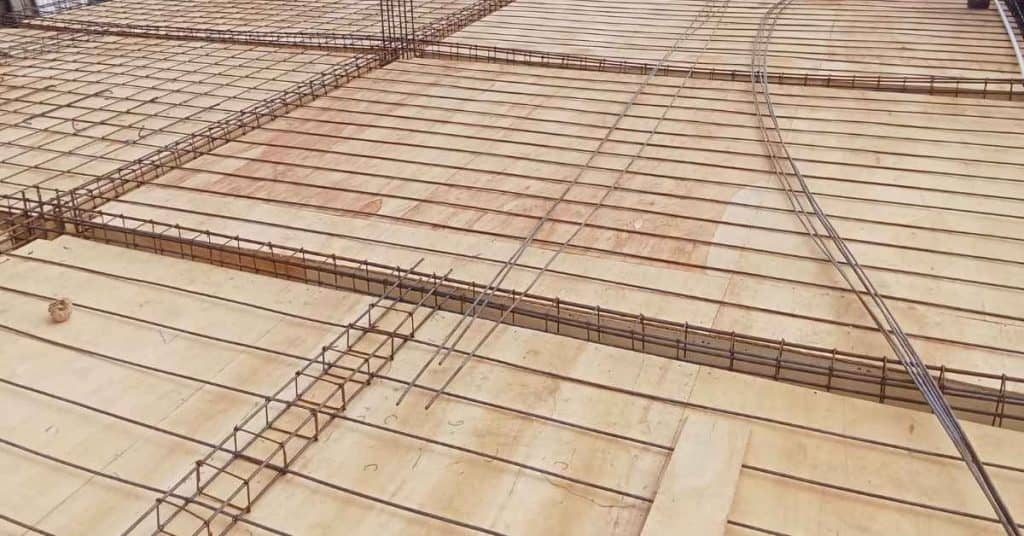
Wooden formwork with rebar grid for concrete slab

Concrete ‘Dusting’ in Basements: Hardener Options and Prep That Actually Works

Introduction Dusting in basements is when the top layer of concrete powder flakes away, leaving a dusty, chalky surface. It’s usually caused by weak laitance, moisture, improper finishing, or wear from foot traffic. Choosing a floor hardener and a solid prep plan helps harden the surface and reduce future dust. Prep work is critical: clean

Concrete ‘Dusting’ in Basements: Hardener Options and Prep That Actually Works Read More »

Worker applying textured plaster to wall with roller

Soft Dusty Plaster Surfaces: Consolidants, Re-Skim Options, and Stop Rules

Introduction Soft dusty plaster surfaces are fragile, powdery walls that crumble when touched. That dustiness means you’re dealing with a coating that has lost binding and needs careful treatment. This article walks you through consolidants, re-skim options, and practical stop rules for a safe, workable repair. We’ll keep things practical with real-world steps you can

Soft Dusty Plaster Surfaces: Consolidants, Re-Skim Options, and Stop Rules Read More »