Search Results for: silica dust

modern multi-story apartment building with concrete surfaces and balconies

Concrete Surface Densifying on Vertical Faces: When It’s Worth It and Application Tricks

Introduction Concrete surface densifying on vertical faces is a treatment that hardens and seals the outer layer of the concrete. It aims to improve abrasion resistance and make vertical surfaces easier to keep clean. Before you start, read the product label and follow the manufacturer’s instructions for temps, application method, and cure time. It’s worth […]

Concrete Surface Densifying on Vertical Faces: When It’s Worth It and Application Tricks Read More »
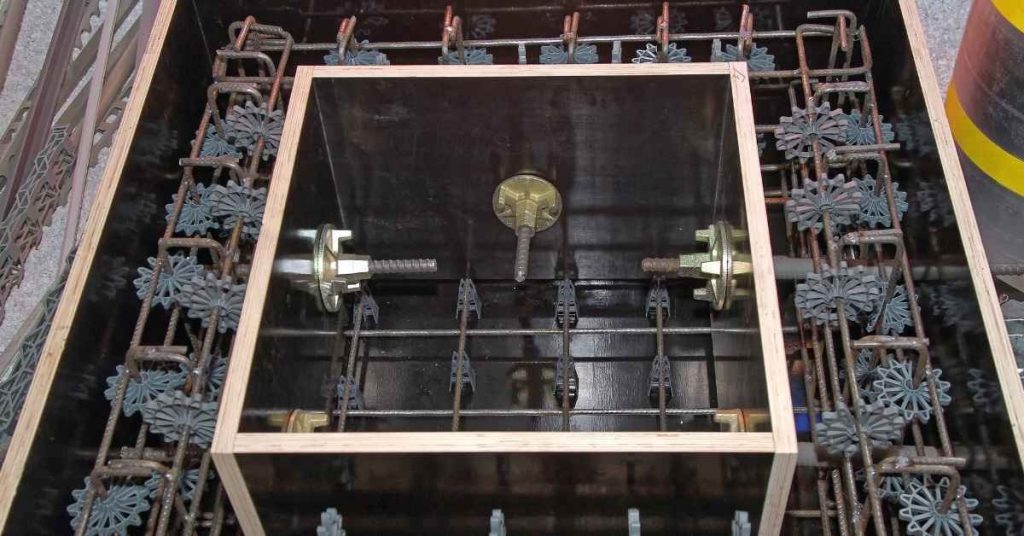

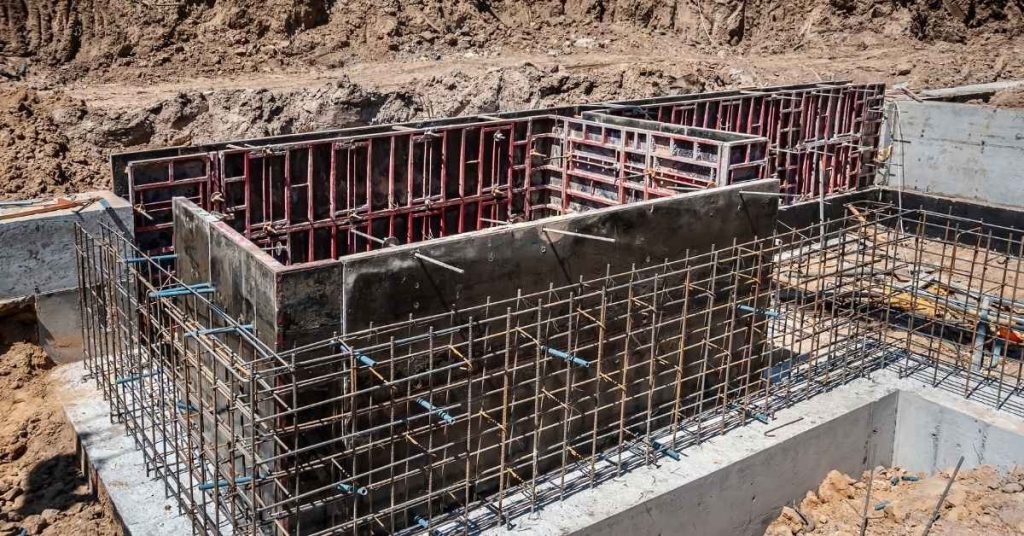
Concrete formwork with rebar and spacer components inside

Concrete Spall Repairs at Rebar: Cleaning Standards, Corrosion Protection, and Patch Build-up

Introduction Concrete spall repairs at rebar involve cleaning the damaged area, exposing corroded steel, and rebuilding the surface. This is a hands‑on task you can handle with basic tools, patience, and attention to safety. You’ll focus on cleaning to remove loose material, protecting rebar from further corrosion, and patching with compatible concrete. Check manufacturer instructions

Concrete Spall Repairs at Rebar: Cleaning Standards, Corrosion Protection, and Patch Build-up Read More »

Blue painted stucco wall texture close-up

Mineral Paint on Stucco: When It Outlasts Acrylic and How to Prep Properly

Introduction Mineral paint on stucco provides a durable, breathable finish that can outlast typical acrylic when the surface is prepped properly. In plain terms, you start with clean, sound stucco, protect surrounding areas, and choose a mineral-based paint designed for masonry. The prep and technique matter more than color or brand. The application hinges on

Mineral Paint on Stucco: When It Outlasts Acrylic and How to Prep Properly Read More »

Concrete formwork with steel rebar reinforcement at construction site

Concrete Accelerator for DIY: Picking Non-Chloride Types and Avoiding Soft Surfaces

Introduction A concrete accelerator is an additive that speeds up the setting and hardening of concrete without relying on chlorides. For DIY use, look for non-chloride formulations and read the label to confirm compatibility with your mix and any additives you plan to use. Always follow manufacturer instructions and check local rules if you plan

Concrete Accelerator for DIY: Picking Non-Chloride Types and Avoiding Soft Surfaces Read More »

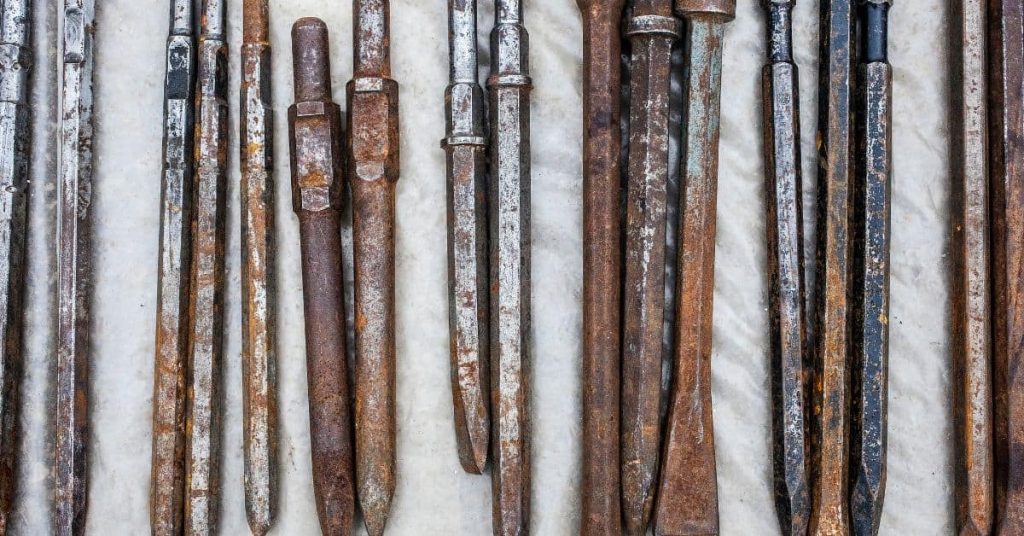
Rusty concrete chisels and tools laid out on a surface

How to Keep Concrete Tools From Rusting: Cleaning, Storage, and Why Oil Can Cause Finish Defects

Introduction Keeping concrete tools from rusting means cleaning, drying, and storing them properly to prevent corrosion. This article walks you through practical steps you can take after a cement job to reduce rust on rakes, trowels, chisels, and other gear. You’ll learn how to clean concrete residue, dry thoroughly, and choose a simple storage setup.

How to Keep Concrete Tools From Rusting: Cleaning, Storage, and Why Oil Can Cause Finish Defects Read More »

Red-handled tool smoothing fresh concrete surface

Can You Use Hot Tap Water in Concrete: Set Control Without Flash Set

Introduction Hot tap water can affect concrete set, but it is not a reliable method for controlling flash set. Mixing with hot water can lead to uneven setting and create thermal stresses in the mix. Always check manufacturer guidance and local rules before using hot water in mixes. Using hot water introduces risks to strength,

Can You Use Hot Tap Water in Concrete: Set Control Without Flash Set Read More »

Paint roller applying white paint on wall surface

How to Paint Concrete Block Without Trapping Moisture: Breathability vs Washability

Introduction Painting concrete block should let moisture escape while protecting the surface. That balance is breathability vs washability, not just color. You’ll need guidance from labels and local rules. Start by cleaning and inspecting for cracks, then plan a breathable, washable finish. Check product labels for vapor permeability and washability, and follow manufacturer instructions. If

How to Paint Concrete Block Without Trapping Moisture: Breathability vs Washability Read More »

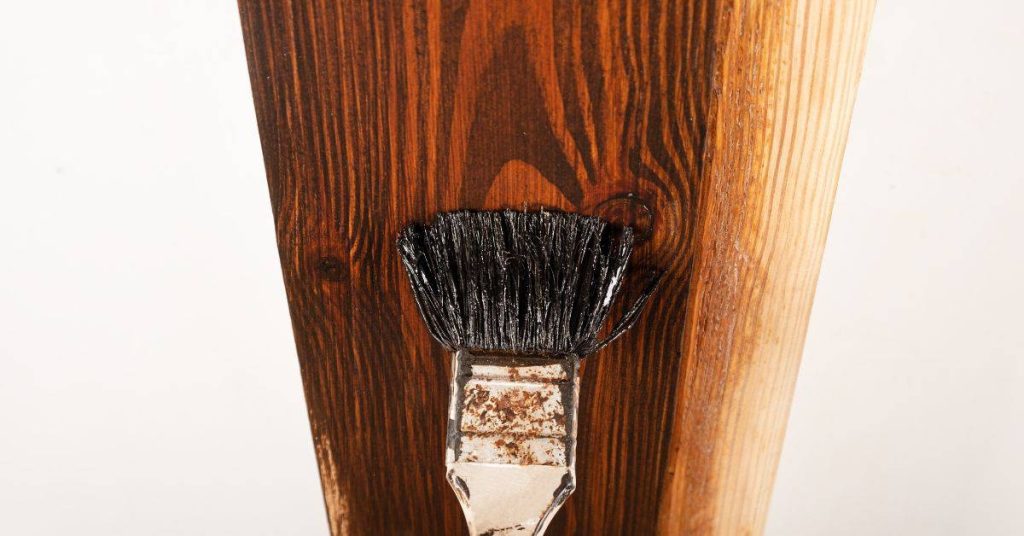
Paintbrush applying dark varnish to wooden plank

Coating Over Damp Wood Near Concrete: Why Blisters Form and Better Breathable Systems

Introduction Blisters form when moisture underneath the coating pushes through and splits the film over damp wood near concrete. You’ll see raised bubbles or pockets as the coating tries to cure in a wet, alkaline environment. Work is risky if you skip drying and proper surface prep. Look for breathable coating options and follow proper

Coating Over Damp Wood Near Concrete: Why Blisters Form and Better Breathable Systems Read More »

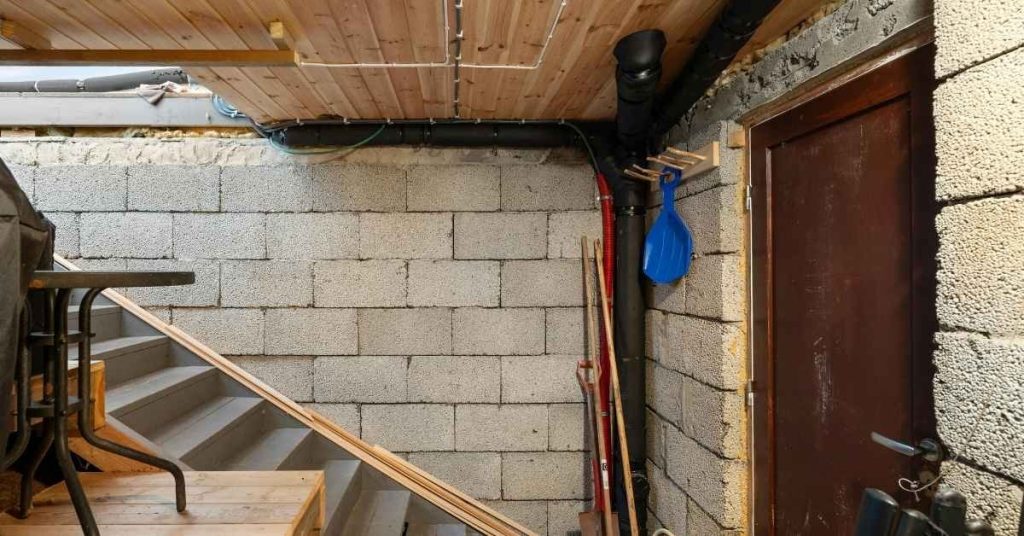
Unfinished basement with concrete block walls and stairs

Setting Anchors in Hollow Block: Screens, Injection, and Pullout Reality

Introduction Setting anchors in hollow block walls means choosing a fastener and method that grip the hollow cores and solid faces to hold a load. For DIYers, two common paths are using a screen-type system or an injection method, each with its own prep and placement steps. This introduction explains what to expect and what

Setting Anchors in Hollow Block: Screens, Injection, and Pullout Reality Read More »

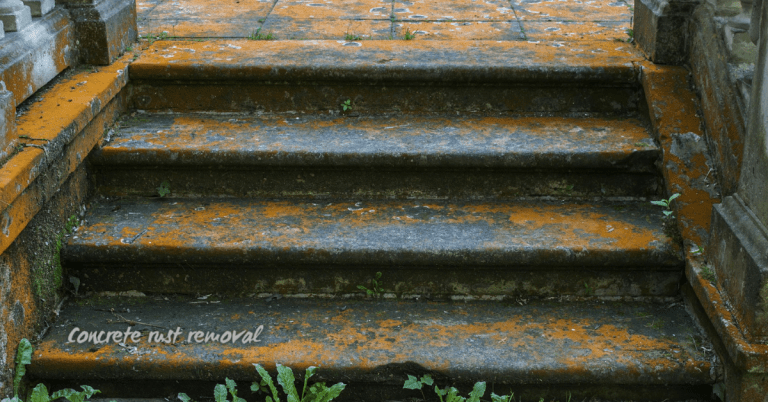
Concrete steps with orange rust stains and some plants growing

DIY Salt Damage Prevention for Steps: Pre-Winter Sealer Checks and Drainage Tweaks

Introduction Salt damage prevention for steps means preparing concrete stairs to resist freeze-thaw and salt exposure before winter. This involves inspecting surfaces, cleaning debris, and checking the edge seals so water and salt don’t penetrate. Keep an eye on cracks or chips and plan resealing if you spot trouble. Before the cold sets in, look

DIY Salt Damage Prevention for Steps: Pre-Winter Sealer Checks and Drainage Tweaks Read More »