Search Results for: silica dust

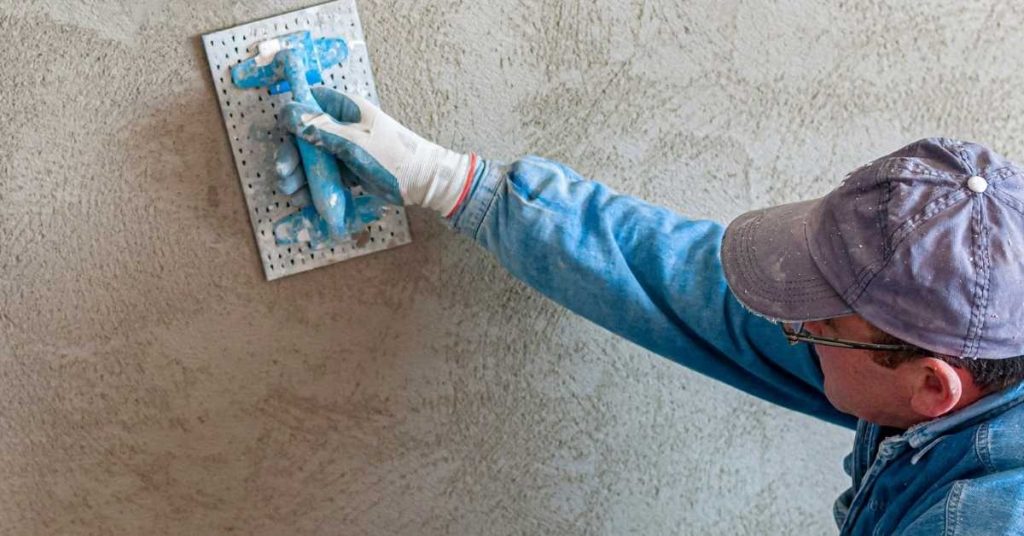
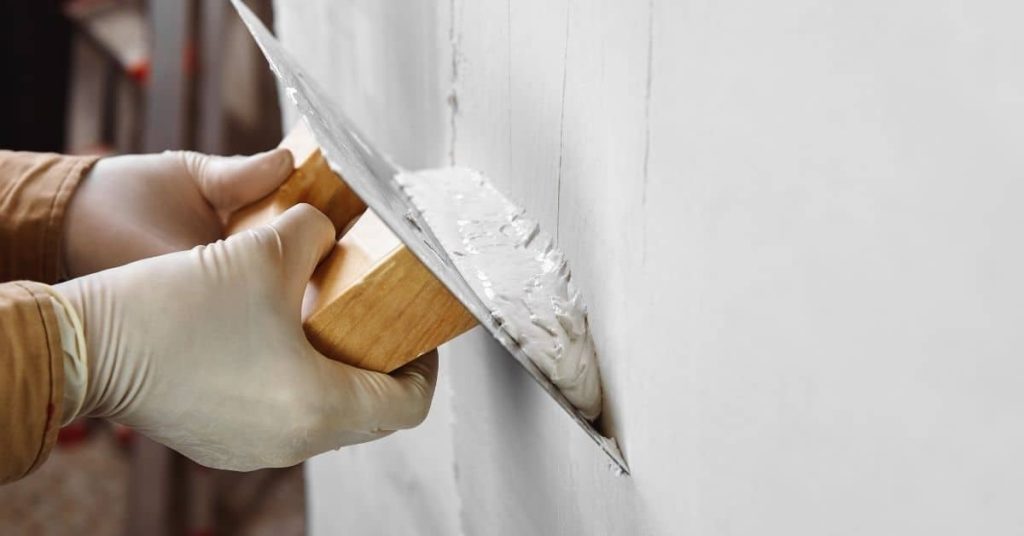
Gloved hands applying plaster on wall with trowel

Gypsum Over Lime Plaster: Compatibility Traps and Smart Primers

Introduction Gypsum over lime plaster is when you apply gypsum-based finish over a lime plaster substrate, which calls for checking compatibility first. Lime and gypsum cure differently, so mismatches can cause peeling or cracking, and a proper primer or bond coat helps. Plan your prep and follow manufacturer or product guidance for the exact steps. […]

Gypsum Over Lime Plaster: Compatibility Traps and Smart Primers Read More »
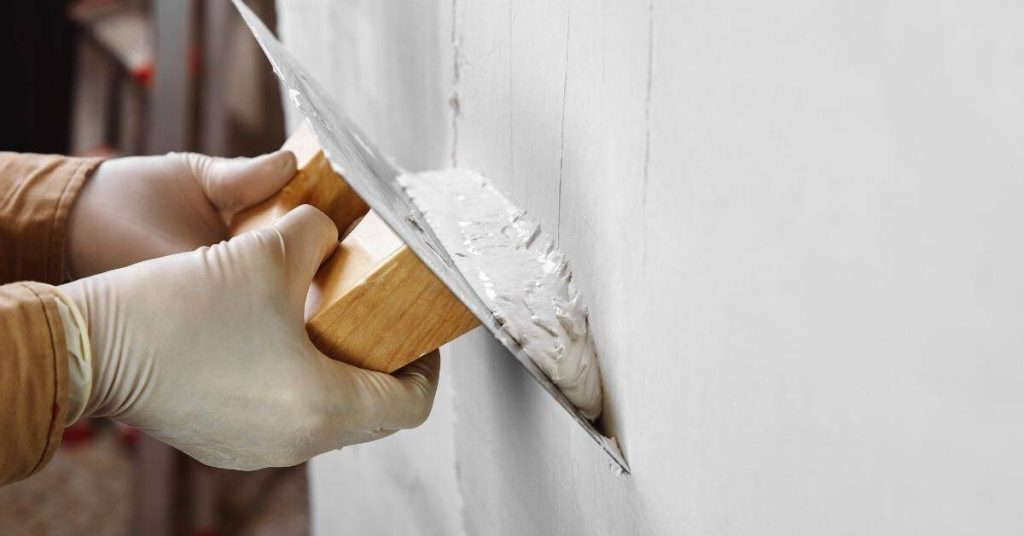
Hands wearing gloves applying plaster with a trowel on wall

Interior Limewash on Plaster: Prep, Multi-Coat Technique, and Blotch Fixes

Introduction Interior limewash on plaster is a breathable, traditional finish applied in thin coats to even color and texture. Prep steps include cleaning the wall, dampening the surface, repairing cracks, and applying a compatible breathable primer. Always check the primer and limewash compatibility on the product label or with the manufacturer instructions. Apply multiple thin

Interior Limewash on Plaster: Prep, Multi-Coat Technique, and Blotch Fixes Read More »

Worker applying stucco texture with a blue float tool

Sand Float Stucco Texture Matching: Tool Angles, Timing, and Avoiding Shine

Introduction A sand float stucco texture is a lightly rough, matte finish achieved by floating mortar with a sanded tool to create texture. This article covers practical techniques and the feel of the finish when you’re applying it on a DIY project. It stays away from glossy shine and aims for a consistent, hand‑worked look.

Sand Float Stucco Texture Matching: Tool Angles, Timing, and Avoiding Shine Read More »

Yellow level tool and green cutting knife on concrete board pieces

Cement Shelf-Life Reality: How Storage Conditions Change Set Time and Strength

Introduction Cement shelf-life is the window during which stored cement stays workable and can reach intended strength when mixed. Storage conditions like moisture, temperature, and how long it sits affect how fast it sets and how strong the final pour will be. In practice, poor storage tends to shorten set time and reduce final strength.

Cement Shelf-Life Reality: How Storage Conditions Change Set Time and Strength Read More »

Stacked white bags in an outdoor storage area

Salt-Resistant Mixes for Marine Exposure: Cement Type, SCMs, and Cover Strategy

Introduction Salt-resistant concrete is a mix designed to resist salt intrusion and corrosion when used in marine or coastal exposure. In practical terms, that means choosing the right cement options and adding SCMs to slow down salt-related damage. Always check product labels and manufacturer instructions for suitability in salty environments and follow local rules for

Salt-Resistant Mixes for Marine Exposure: Cement Type, SCMs, and Cover Strategy Read More »

Person using level tool on wooden form outdoors

Anti-Washout Admixtures for Underwater or Wet-Form Repairs: Niche, but Useful

Introduction Anti-washout admixtures are additives that help concrete stay in place underwater or in wet forms. They slow water loss and improve cohesion so the mix doesn’t segregate. Use only as directed on the product label and by local rules. Pick a product that is rated for underwater or wet-form use, and read the label

Anti-Washout Admixtures for Underwater or Wet-Form Repairs: Niche, but Useful Read More »

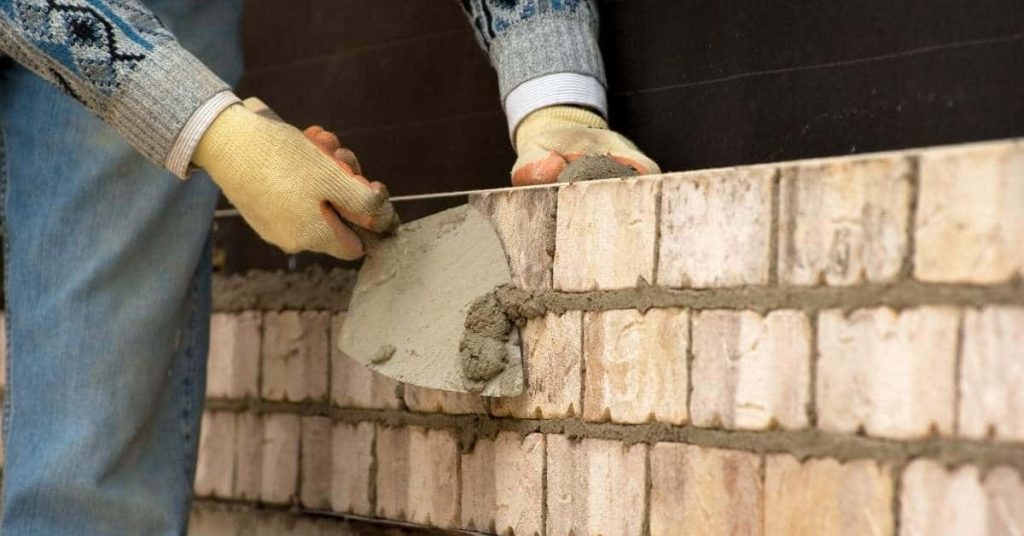
Hands applying mortar to brick wall with trowel

Self-Consolidating Mortar for Small Repairs: Mimic SCC Behavior Without Renting a Pump

Introduction Self-consolidating mortar is a flowable mix that fills small voids and cracks without the need for vibration. For DIY repairs, it behaves like a high-flow grout that can level and settle in tight spaces, mimicking SCC behavior without renting a pump. Always check the product label and manufacturer instructions to confirm compatibility with your

Self-Consolidating Mortar for Small Repairs: Mimic SCC Behavior Without Renting a Pump Read More »

Close-up of beige horizontal lap fiber-cement siding

Painting Fiber-Cement Siding: Primers, Cut Edges, and Why Factory Finishes Still Fail

Introduction Painting fiber-cement siding means choosing compatible primers, sealing exposed cut edges, and recognizing that factory finishes can still peel or wear. This is a practical, hands-on guide you can follow without fancy tools or theory. Check manufacturer instructions and local rules for product compatibility and weather windows. Start by inspecting boards for damage, then

Painting Fiber-Cement Siding: Primers, Cut Edges, and Why Factory Finishes Still Fail Read More »

painted concrete porch floor with chairs and small table

Concrete Floor Paint Blistering Months Later: Vapor Drive vs Cleaning Residues

Introduction Blistering on a finished concrete floor is when paint bubbles and lifts away months after you painted. Two common culprits are vapor drive from the slab and leftover cleaning residues. Both causes require different fixes, so identify which is at fault before touching up. To tell which is the cause, check for moisture or

Concrete Floor Paint Blistering Months Later: Vapor Drive vs Cleaning Residues Read More »

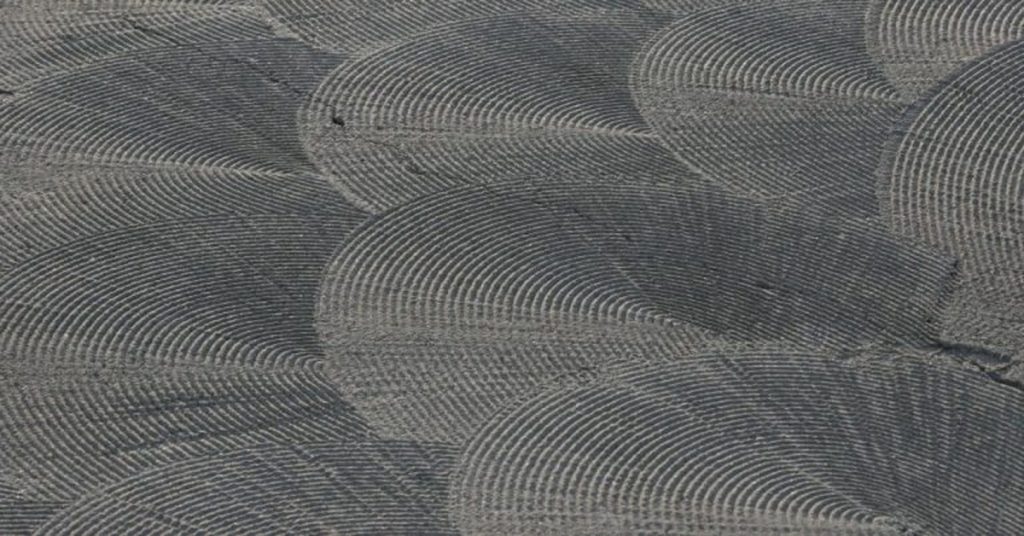
concrete surface with circular textured pattern

Adding Texture to Slick Concrete: Mechanical vs Chemical Methods and What Holds Up

Introduction Texturing slick concrete means creating a non-slip, patterned surface using either mechanical tools or chemical treatments. Mechanical methods bite into the surface with grinder discs, scarifiers, or brushes, while chemical methods react the surface to leave a grip pattern. Both approaches require clean, dry conditions and a plan for the look you want, plus

Adding Texture to Slick Concrete: Mechanical vs Chemical Methods and What Holds Up Read More »