Search Results for: recycle block to

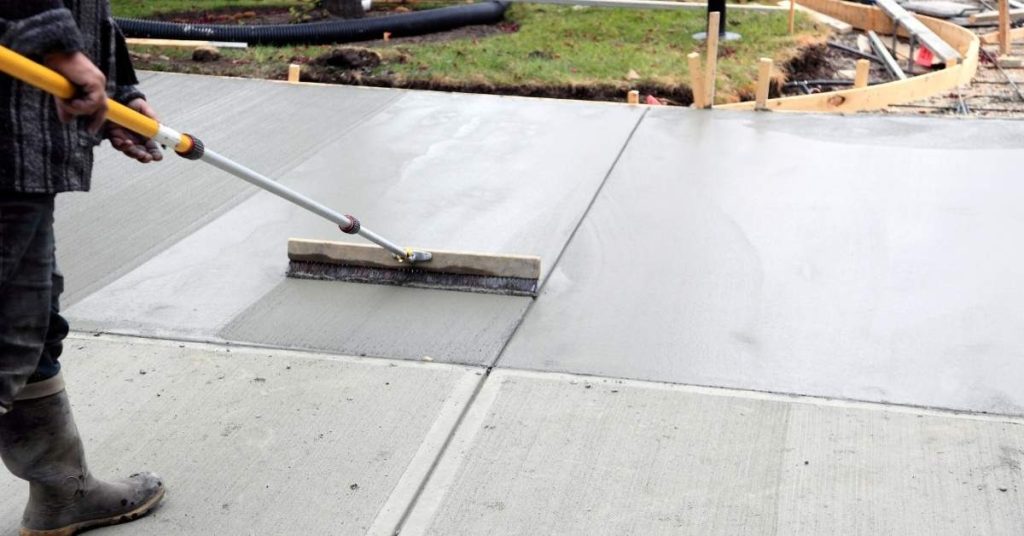
Person using concrete broom on wet concrete sidewalk

Reprofiling Worn Broom Finish: Thin Overlay vs Cut-and-Replace

Introduction Reprofiling worn broom finish means restoring a broom-textured concrete surface by either applying a thin overlay or replacing the affected slab. The approach you choose hinges on how deep the damage is, how flat you need it, and what your budget allows. Before you mix anything, focus on proper surface prep, crack clearing, and […]

Reprofiling Worn Broom Finish: Thin Overlay vs Cut-and-Replace Read More »

Worker pouring concrete mix over steel rebar grid

DIY Grout-Style Mixes vs True Concrete: When High Sand Content Is Actually Stronger

Introduction Grout-style mixes with high sand content differ from true concrete in composition and how they cure. In some cases, more sand can bulk up the mix and feel stronger, but that doesn’t mean it works the same as real concrete in every situation. Always check the product label and manufacturer guidance to confirm sand

DIY Grout-Style Mixes vs True Concrete: When High Sand Content Is Actually Stronger Read More »

Close-up of fibrous gray insulation material texture

Perlite and Vermiculite Concretes: Lightweight Fills, Insulation Value, and Crush Limits

Introduction Perlite and vermiculite concretes are lightweight mixes made with expanded mineral fillers that increase porosity in cement. They can help reduce weight and add some insulation value for fills, beds, or non-structural applications. Check the product label for how they’re intended to be used and what the mix recommends for your project. In DIY

Perlite and Vermiculite Concretes: Lightweight Fills, Insulation Value, and Crush Limits Read More »

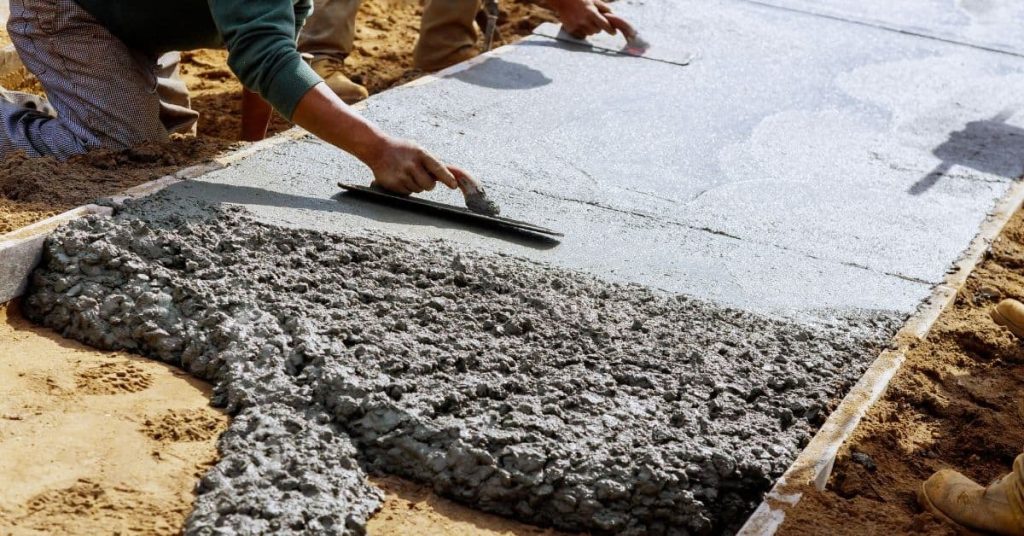
Hands smoothing wet concrete with trowels on a slab

Basalt Fibers vs Polypropylene Fibers: Crack Control, Finishing, and Cost Tradeoffs

Introduction Basalt fibers and polypropylene fibers are two concrete add-ons that help crack control and finishing, with different costs and handling requirements. In practice, the choice comes down to how you mix, place, and finish the concrete, plus how much you’re willing to pay for long-term durability. Always check the manufacturer instructions and local rules

Basalt Fibers vs Polypropylene Fibers: Crack Control, Finishing, and Cost Tradeoffs Read More »

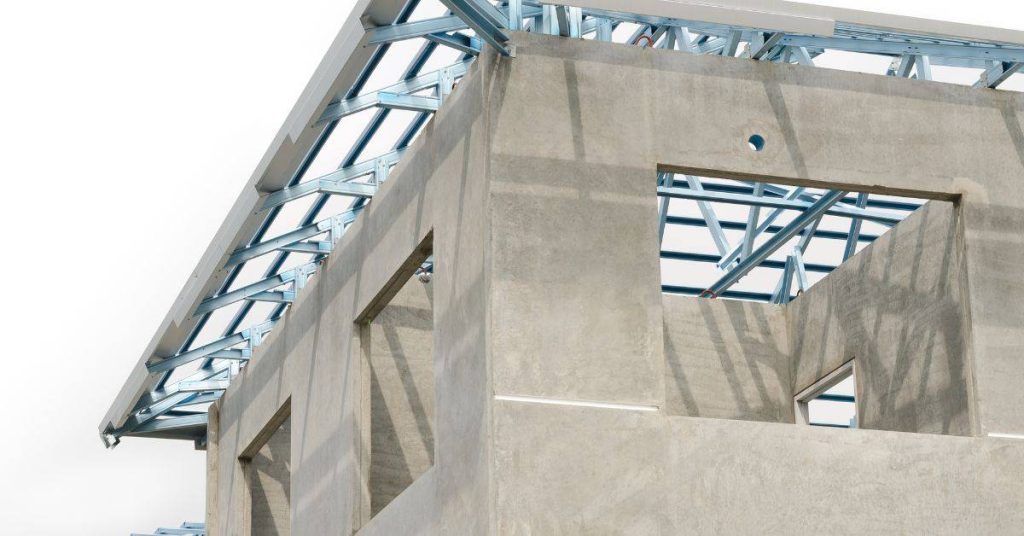
Concrete precast wall under metal roof framework construction site

Water Quality for Concrete: Chlorides, Sulfates, and Why ‘Clean’ Isn’t Always Safe

Introduction Water quality for concrete means using water free of contaminants that can weaken or damage the mix. Chlorides and sulfates in water can affect set, strength, and durability, so test or check labels and manufacturer guidance. In DIY terms, treat water like part of the recipe you must verify before mixing. There are standards

Water Quality for Concrete: Chlorides, Sulfates, and Why ‘Clean’ Isn’t Always Safe Read More »

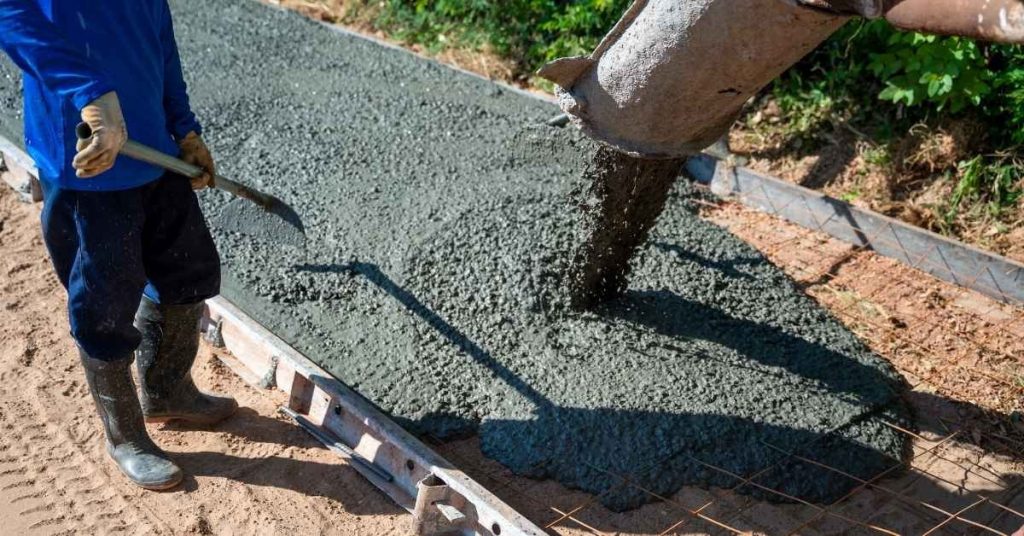
Worker pouring concrete slab with shovel and chute

Rapid Chloride Permeability (RCPT) and Alternatives: What “Low Permeability” Really Means

Introduction RCPT is a test that measures how fast chlorides pass through cured concrete. It’s a practical yardstick for judging how resistant your concrete may be to corrosion of embedded steel. This article breaks down what low permeability really means in plain language for DIY projects. We’ll cover the basic steps you’d see in an

Rapid Chloride Permeability (RCPT) and Alternatives: What “Low Permeability” Really Means Read More »

Modern concrete hospital building facade under blue sky

Surface Resistivity Testing: A Simple Durability Indicator for Chloride Exposure

Introduction Surface resistivity testing measures how easily electricity moves across the concrete surface to indicate how resistant the surface is to chloride ingress. As a DIY homeowner, you can view it as a quick check that helps you judge durability without tearing into the slab. Think of it as a simple, hands-on indicator you can

Surface Resistivity Testing: A Simple Durability Indicator for Chloride Exposure Read More »

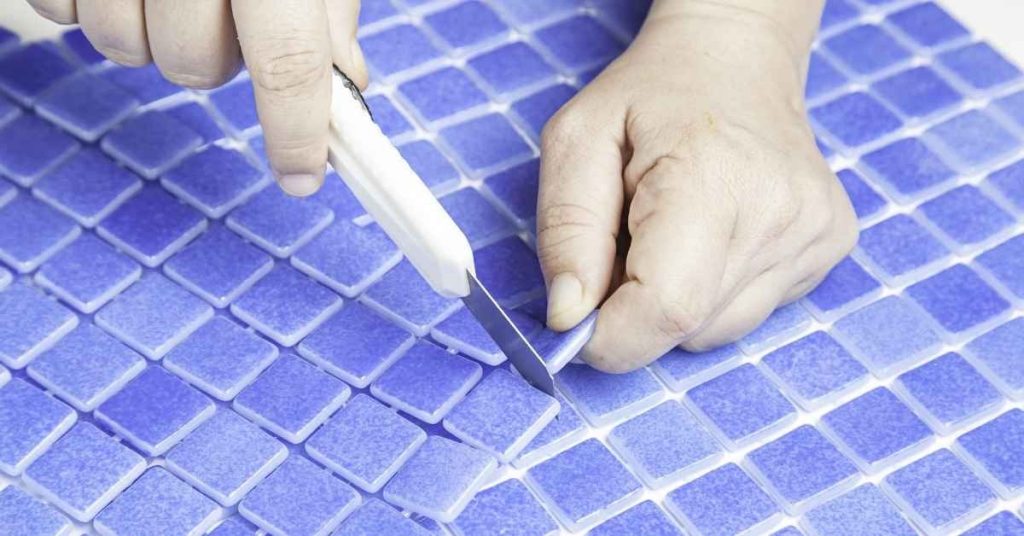
Hands cutting small blue glass mosaic tiles with a knife

Using Crushed Glass as Aggregate: ASR Risk, Mitigation, and Surface Finish

Introduction Crushed glass as aggregate is using recycled glass pieces as the rock substitute in concrete. There is an alkali-silica reaction risk with crushed glass, which varies with glass type, particle size, and the concrete mix. Always check product labels, supplier instructions, and local rules for ASR guidance and suitability. Mitigation strategies include choosing less

Using Crushed Glass as Aggregate: ASR Risk, Mitigation, and Surface Finish Read More »

Exterior of house with stucco finish and tiled roof

Glass Pozzolan vs Fly Ash: Performance, Finish, and Supply Realities in 2026

Introduction Glass pozzolan and fly ash are supplementary cementitious materials that can boost concrete performance when used properly. They can improve strength development, workability, and finish quality, but results depend on the mix, curing, and finished surface. Always check the product label and follow manufacturer instructions and local rules for compatibility with your cement and

Glass Pozzolan vs Fly Ash: Performance, Finish, and Supply Realities in 2026 Read More »

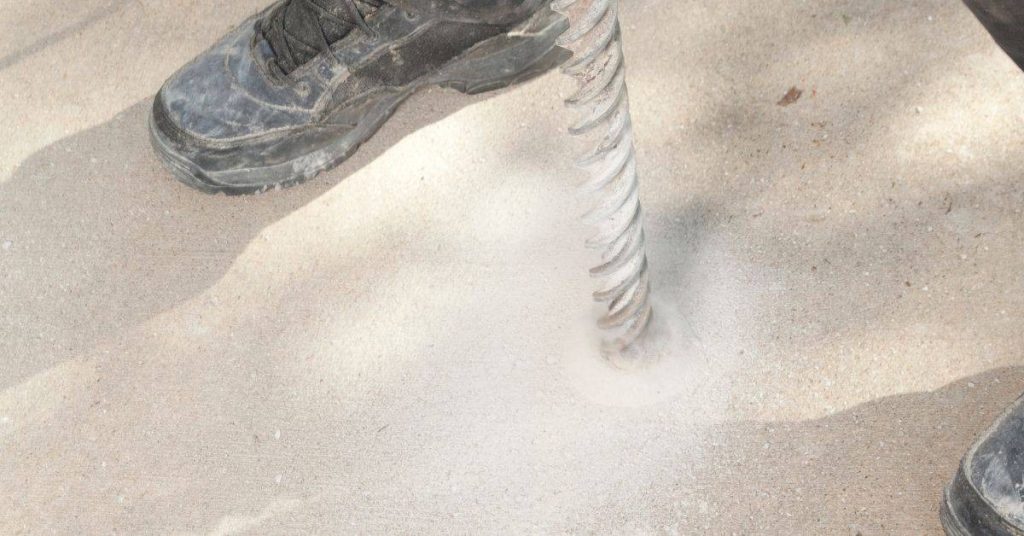
Spiral drill bit penetrating concrete surface with dust

Magnesium Phosphate Concrete Repair: Best Uses, Limits, and Failure Modes

Introduction Magnesium phosphate concrete repair is the use of magnesium phosphate cement to fix or patch concrete joints and damaged areas. It is presented here as a practical option for small repairs and fast-setting projects. In this guide you’ll also see notes about who contributed to the writing and a publisher’s note to set the

Magnesium Phosphate Concrete Repair: Best Uses, Limits, and Failure Modes Read More »