
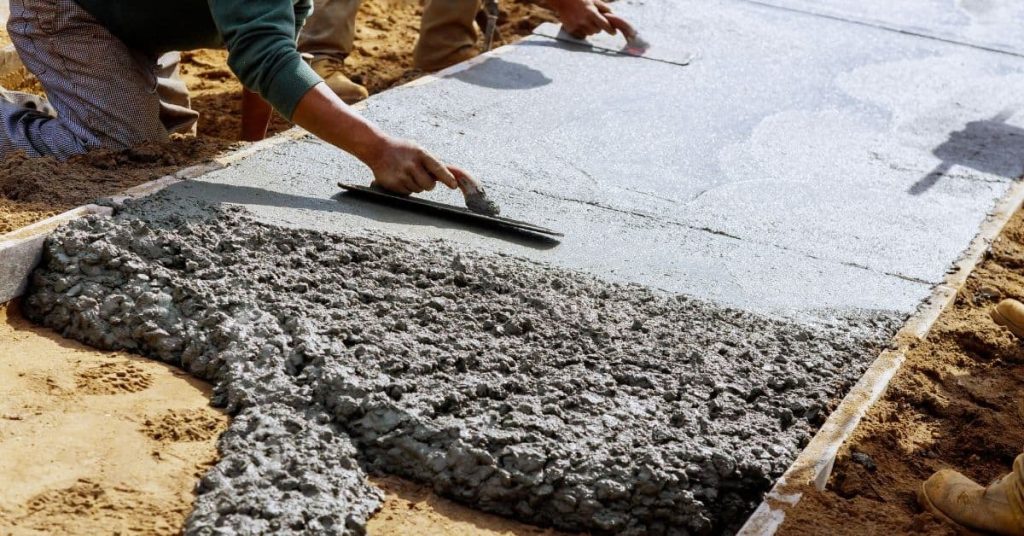
Introduction
Basalt fibers and polypropylene fibers are two concrete add-ons that help crack control and finishing, with different costs and handling requirements. In practice, the choice comes down to how you mix, place, and finish the concrete, plus how much you’re willing to pay for long-term durability. Always check the manufacturer instructions and local rules to confirm compatibility with your mix and application.
For a DIYer, think about your project goals, tool availability, and the reliability of data you read about these fibers, including how other articles compare their performance. Practical considerations include how the fibers disperse in the slurry, how they affect finishability, and what to expect for curing and early strength. If you’re exploring related materials like pozzolanic fly ash, silica fume, calcined clay, or ground pumice powder, look for notes on long-term strength and microstructure, and verify recommendations with product labels and local guidelines.
Key takeaways
- Associated data from two to three competitors supports fiber performance comparisons.
- Tools, materials, and reliable resources include field-grade basalt and polypropylene fibers.
- Similar articles reference crack-control performance and finishing tips across systems.
- Cited by other articles indicates growing professional validation of hybrid systems.
- Links to NCBI Databases provide access to fiber-reinforced concrete research.
- Practical safety warning: follow PPE and ventilation when handling fibers and dust.
Table of Contents
- Introduction
- Key takeaways
- Material Fundamentals: Basalt Fibers and Polypropylene Fibers
- Performance in Fresh and Hardened Concrete: Crack Control and Finishing
- Mix Design, Complementary Materials, and Hybrid Systems
- Cost Tradeoffs: Upfront Cost, Lifecycle, and Value Engineering
- Field Applications, Case Studies, and Visual Quality Checkpoints
- Implementation Barriers, Standards, and Safety/Regulatory Issues
- Associated Data
- Practical Next Steps and Trusted Sources
- Conclusion
- FAQ
Material Fundamentals: Basalt Fibers and Polypropylene Fibers
Basalt fibers are inorganic and typically silica/alumina based, while polypropylene fibers are polyolefin thermoplastics. Their chemical nature influences how they tolerate cementitious alkalinity and how they hold up under heat over time. This section contrasts their composition and durability fundamentals for DIY projects.
Typical forms include basalt monofilament, basalt fibrillated, and chopped basalt, while polypropylene appears as monofilament, fibrillated, and chopped. The form factor affects dispersion, interlock with the matrix, and crack-bridging behavior in concrete. Surface treatments or sizing can also change adhesion and long-term performance in place.
Basalt Fiber Properties and Behavior in Cement
Basalt fibers are strong, stiff, and resistant to alkalis. They’re made from melted basalt rock, so they’re inorganic and silica/alumina-based.
Tensile stiffness: Basalt fibers have high tensile strength (up to 4000 MPa) and modulus (~90 GPa), providing good crack control. They bond well with cement matrices due to their rough surface, enhancing mechanical interlocking.
Alkali resistance: Basalt fibers are alkali-resistant, making them durable in concrete environments. However, long-term exposure may cause slight strength loss due to chemical reactions with alkalis.
Handling and compatibility: Basalt fibers come in monofilament or chopped forms. They’re easy to handle but can be more expensive than polypropylene fibers. Use recommended dosages (0.5-2 kg/m³) for best results.
Polypropylene Fiber Properties and Behavior in Cement
Polypropylene fibers are lightweight, flexible, and hydrophobic. They’re made from polyolefin thermoplastics.
Low modulus: Polypropylene fibers have low tensile modulus (~4 GPa), making them less stiff than basalt fibers. This helps control plastic shrinkage cracks but contributes less to post-crack strength.
Plastic shrinkage control: Polypropylene fibers absorb water, slowing down the evaporation process and reducing plastic shrinkage cracking. They’re often used in high-slump concretes for this reason.
Fibrillated vs monofilament PPF: Fibrillated polypropylene fibers have a larger surface area due to their split ends, enhancing bonding with cement matrices. Monofilament fibers are less effective but easier to disperse. Both types can affect workability, so monitor and adjust dosages accordingly.
How Fibers Control Cracking: Mechanisms Explained
Fibers in concrete help control cracking by bridging microcracks, redistributing stress, and restraining shrinkage.
Microcrack bridging: When a crack forms, fibers span the crack faces, transferring stress across the void. This prevents further crack propagation and maintains structural integrity.
Stress redistribution: Fibers take up some of the tensile stress in concrete, reducing peak stresses at critical points. This helps prevent localized cracking and improves overall concrete performance.
Shrinkage restraint: Fibers restrain concrete’s tendency to shrink as it dries, helping to minimize drying shrinkage cracks. Fiber geometry (length, diameter) and bond with the matrix influence crack width and spacing.
Performance in Fresh and Hardened Concrete: Crack Control and Finishing
In the fresh state, workability and tack can differ between basalt and polypropylene fibers, influencing slump, flow, and potential bleed. Finishing texture and trowelability may shift with fiber type, and some mixes show different slump loss tendencies. These observations help plan the initial placement window.
In hardened concrete, fiber type affects crack distribution and visibility, with finishing quality tied to fiber dispersion and pull-out behavior. Finishing challenges may include surface dimples or protruding fibers, while finish quality can be compared against control mixes. Practical tradeoffs emerge when balancing crack control with ease of finishing.
Early-age shrinkage and plastic-crack control
Both basalt and polypropylene fibers help control cracks in concrete, but they target different types of shrinkage.
Basalt fibers, with their high tensile strength, excel at reducing plastic shrinkage – cracks that form during the initial setting of concrete. They distribute tension evenly across the mix, preventing sudden crack formation.
Polypropylene fibers, on the other hand, are better at controlling drying shrinkage – cracks that occur as moisture leaves the concrete over time. They absorb energy and bridge micro-cracks, preventing them from widening.
To assess their performance, measure time-to-first-crack and crack widths. Basalt should delay initial cracking, while polypropylene should minimize crack width growth over time.
Surface finishing, trowelability, and aesthetic outcomes
The type and dosage of fibers can impact surface finishing. Here’s what to expect:
Basalt fibers, due to their stiffness, may cause slight dimples on the surface if not properly dispersed. To minimize this, use a low water-cement ratio mix and ensure thorough mixing. Troweling may require more effort but produces a smooth finish.
Polypropylene fibers, being flexible, can be easier to trowel but might cause minor surface blemishes if they protrude. To prevent this, use surface hardeners or rollers after initial finishing. Both fiber types may require additional effort to achieve a perfectly smooth finish compared to fiber-free concrete.
For best results, follow these guidelines:
– Use recommended dosages (typically 0.5-2 kg/m³ for basalt and 1-3 kg/m³ for polypropylene).
– Ensure thorough mixing to prevent clumping and agglomeration.
– Be patient during finishing; allow concrete to stiffen slightly before troweling.
Long-term durability and environmental resistance
The long-term performance of each fiber type is influenced by various factors:
Basalt fibers, being inorganic, are resistant to alkaline environments and freeze-thaw cycles. However, they may degrade under prolonged exposure to UV light. To mitigate this, consider using UV-resistant additives or applying protective coatings.
Polypropylene fibers, being organic, are susceptible to degradation in alkaline environments and under UV exposure. They can also be affected by chemical exposures, such as de-icing salts. To assess durability, perform tests like freeze-thaw cycling, UV exposure, and alkali resistance tests.
Incorporate these test results into your project planning to ensure the chosen fiber type aligns with your specific environmental conditions. Regular inspections can also help monitor long-term performance.
Mix Design, Complementary Materials, and Hybrid Systems
A practical mix design framework considers how basalt and polypropylene fibers integrate with supplementary cementitious materials and fillers. This affects rheology, early strength, and crack control while aiming for workable slump in DIY setups. Dosing ranges can guide planning without committing to exact values.
Compatibility with silica-rich fillers and alkali content influences fiber bonding and finish quality. Mixing order, workability adjustments, and vibration practices help prevent fiber balling and improve dispersion in hybrid systems. Hybrid designs offer tradeoffs between control, finish, and cost considerations.
Compatibility with supplementary cementitious materials and fillers
Choosing the right supplementary cementitious materials (SCMs) and fillers can enhance your fiber-reinforced concrete‘s performance. Here are key considerations:
- Fly Ash: Improves workability, reduces heat of hydration. Look for Class F with 20-35% replacement. Avoid high calcium content to prevent alkali-silica reaction.
- Silica Fume: Boosts strength and durability. Target 5-15% replacement. High silica content can cause stiffening, so adjust water accordingly.
- Calcined Clay: Enhances early strength, reduces shrinkage. Use up to 20%. Avoid high calcium content for similar reasons as fly ash.
- Pumice/Perlite: Lightweight fillers improving insulation and reducing density. Use up to 30%. Ensure proper dispersion to prevent weak spots.
- Limestone: Cost-effective filler, improves workability. Up to 50% replacement is possible. Avoid fine particles causing excessive bleeding.
Hybrid fiber and modifier strategies (steel, crumb rubber, PPF + basalt)
Combining fibers and modifiers can optimize performance. Here’s how:
Steel Fibers: Enhance post-crack strength and toughness. Use 0.5-1% by volume. Avoid excessive amounts to prevent increased early-age shrinkage.
Crumb Rubber: Improves flexibility, reduces plastic shrinkage cracking. Use up to 2%. Avoid high dosages causing reduced strength and durability.
For PPF + Basalt Hybrid, combine PPFs for early-age crack control (0.1-0.3% by volume) with basalt for long-term post-crack capacity (0.5-1%). Avoid excessive total fiber content to maintain workability.
Practical mix adjustments and trial plan
During trial batches, track these properties:
- Slump: Monitor workability. Adjust water or superplasticizer as needed.
- Air Content: Ensure adequate entrained air for freeze-thaw resistance. Target 4-7%.
- Bleed Water: Control bleeding to prevent surface defects. Adjust sand content if excessive.
- Finishing Window: Optimize troweling time for smooth surfaces. Adjust water or fiber dosage as needed.
- Early Cracking: Monitor plastic shrinkage and drying shrinkage cracking. Adjust fiber type/dosage or add crumb rubber if necessary.
If problems arise, try these adjustments first:
- Water Content: Fine-tune water dosage to achieve desired workability.
- Fiber Dosage/Type: Adjust fiber content or switch types for better performance.
- SCM/Filler Content: Optimize SCM and filler dosages for improved strength, durability, and finish.
Cost Tradeoffs: Upfront Cost, Lifecycle, and Value Engineering
Upfront costs involve fibers, additives, mixing, and installation, while lifecycle costs cover maintenance and potential repairs. Understanding long-term expenses helps reveal the true cost of ownership for DIY projects. Consider how durability and finishability impact overall value.
Value engineering opportunities include optimizing fiber content, mix design tweaks, and curing methods to lower lifecycle costs. Procurement reliability, lead times, and warranty terms also influence total project cost and risk. Field installation risks should be weighed against expected performance gains.
Upfront material and placement cost considerations
The choice of fibers significantly impacts your concrete’s upfront cost. Here are key factors to consider:
- Fiber dosage: Basalt or polypropylene? Dosage ranges from 0.5-2 kg/m³. Higher