Search Results for: recycle block to

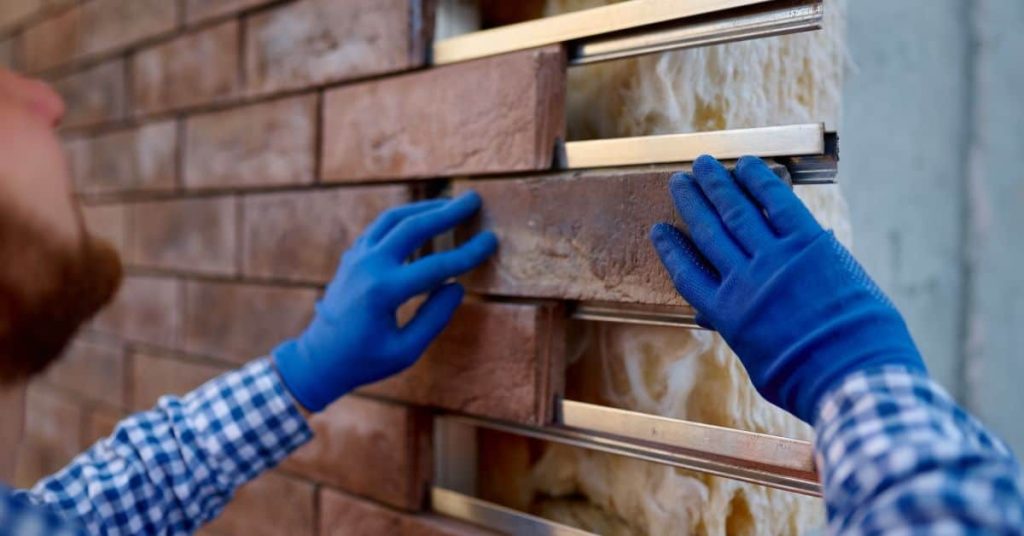
Person installing faux brick GFRC panels with blue gloves

GFRC Panels for DIY Projects: Mix Basics, Fiber Dosage, and Common Failures

Introduction GFRC panels are lightweight, fiber-reinforced cement panels that you can cast for DIY projects. They mix cement, fine aggregates, water, plus short glass fibers to add strength. Proper mixing and curing matter to avoid cracks. Getting the mix right means watching the ratio of cement to aggregate and ensuring the fiber dosage is even. […]

GFRC Panels for DIY Projects: Mix Basics, Fiber Dosage, and Common Failures Read More »

Rough concrete wall with horizontal wood grain texture

Lime Leaching on Concrete Features: Why it happens and how to reduce it

Introduction Lime leaching on concrete features is the migration of lime compounds to the surface, leaving white deposits. This happens when water moves through the concrete and dissolves soluble lime, then brings it up as it evaporates. For DIY work, you can slow it by careful curing, avoiding long wet periods, and following manufacturer guidance

Lime Leaching on Concrete Features: Why it happens and how to reduce it Read More »

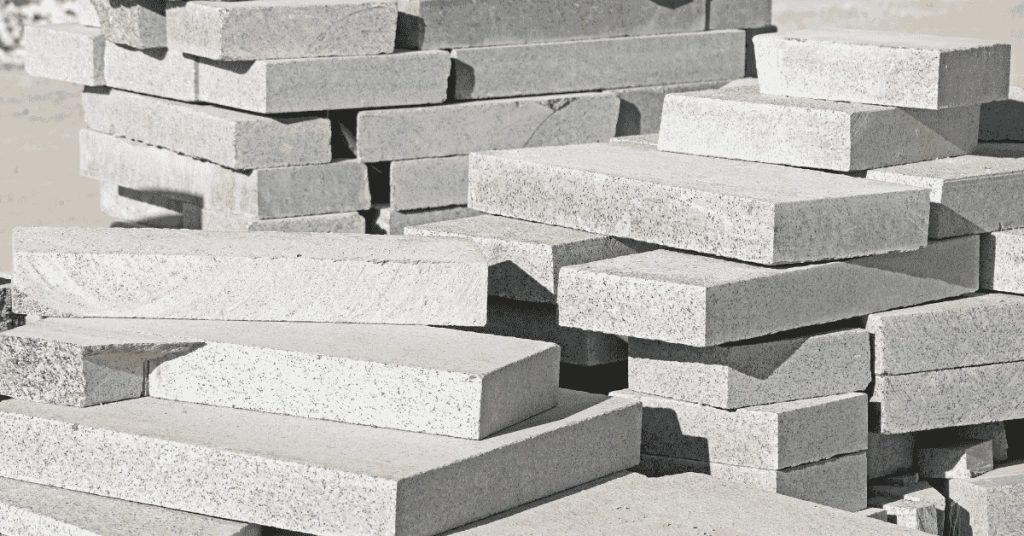
Stacked concrete bricks and blocks outdoors

Concrete Planters: Waterproofing details that don’t peel or trap moisture

Introduction Waterproofing concrete planters means using sealants or coatings that block moisture from entering the concrete and from leaching out. Choose products labeled for concrete and exterior use, and follow the label for surface prep and drying times. Check the manufacturer instructions and local rules for any specific requirements. Apply the sealant with even coverage

Concrete Planters: Waterproofing details that don’t peel or trap moisture Read More »

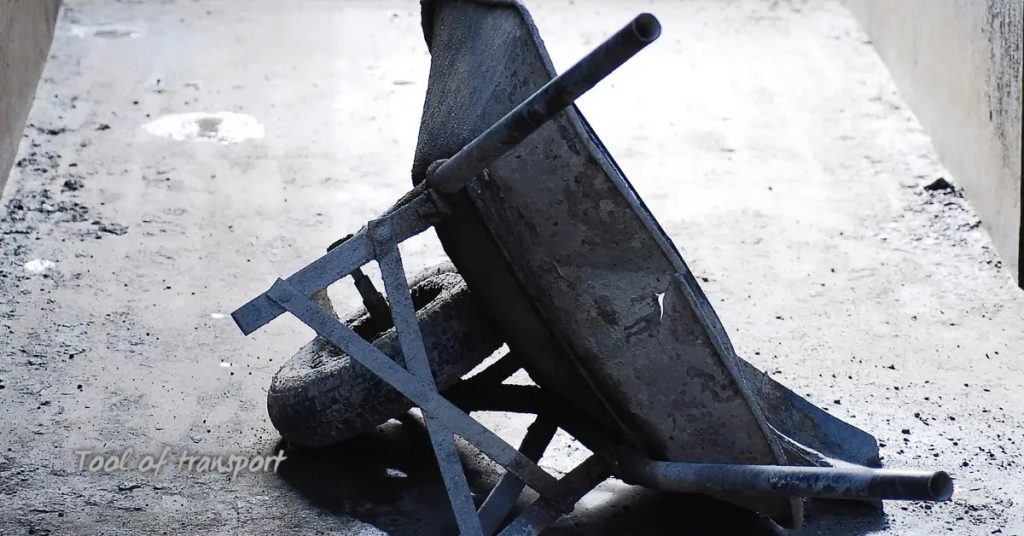
Empty wheelbarrow on concrete floor in shaded area

Concrete Dark Spots: Moisture, curing, or contamination—how to tell which

Introduction Dark spots on concrete are usually caused by moisture, improper curing, or surface contaminants. To tell which, look at the spot’s texture and sheen, note when it appeared, and check for signs of lingering dampness nearby. This guide offers practical, hands-on ways to diagnose and plan fixes. Start with surface prep, like degreasing if

Concrete Dark Spots: Moisture, curing, or contamination—how to tell which Read More »

Concrete outdoor table with matching square stools and plants

Broadcast Sand on Concrete: When it helps traction and when it makes a mess

Introduction Broadcasting sand on concrete is the practice of spreading loose sand across a surface to improve traction. It can help when the surface is slick, but it can also track into the house and create a mess if overdone. Best times to broadcast sand are when the surface is dry and conditions won’t quickly

Broadcast Sand on Concrete: When it helps traction and when it makes a mess Read More »

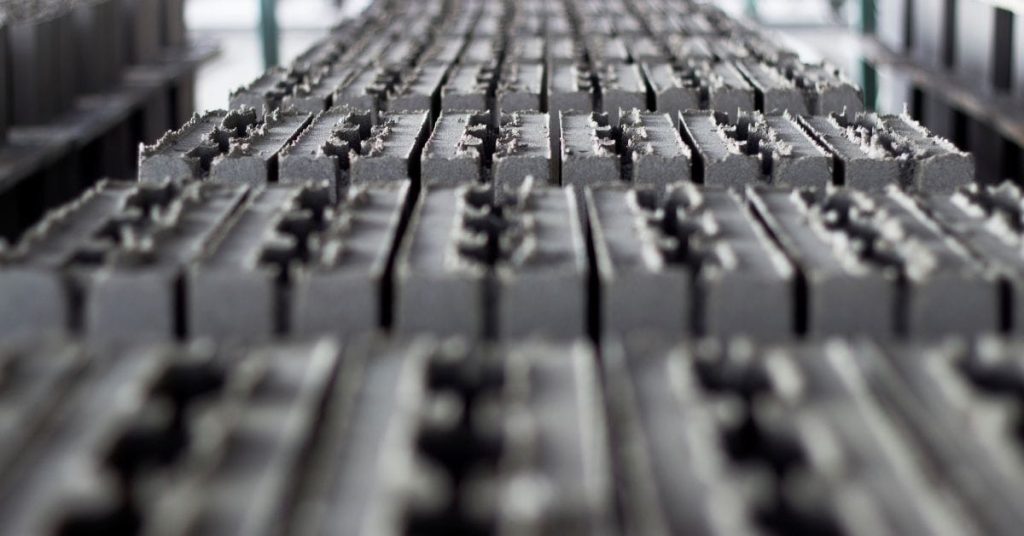
Rows of gray concrete blocks curing on racks

Concrete Curing With Plastic: How to avoid wrinkles, stains, and soft spots

Introduction Curing concrete with plastic means covering the fresh concrete with a plastic sheet to trap moisture and slow evaporation. This helps prevent rapid drying that can cause wrinkles, stains, or soft spots. Keep the plastic in contact with the surface and seal the edges to minimize moisture loss. To do it well, lay a

Concrete Curing With Plastic: How to avoid wrinkles, stains, and soft spots Read More »

Close-up of textured stamped concrete floor with square pattern

Adding Color to Concrete: How to avoid batch-to-batch shade differences

Introduction Color differences in stained or pigmented concrete happen because curing and mix variation drive shade changes. This DIY guide helps you anticipate, control, and blend those differences when adding color to concrete. We’ll keep it practical with real-world checks and steps you can follow on site. Expect color shifts during curing and across batches,

Adding Color to Concrete: How to avoid batch-to-batch shade differences Read More »

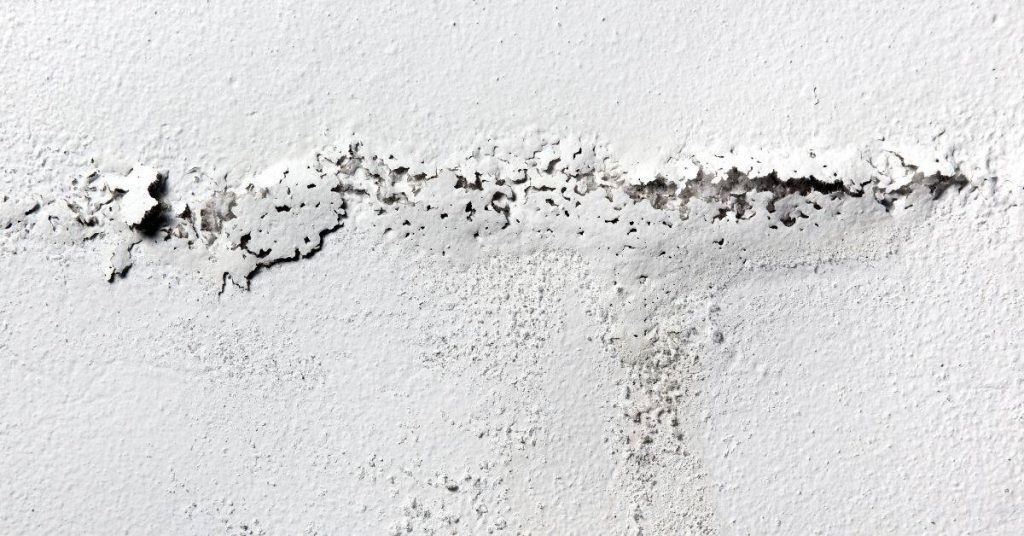
Peeling white paint on rough concrete wall surface

Concrete Sealer on New Concrete: The moisture traps that cause peeling later

Introduction Sealing new concrete can trap moisture and cause peeling later. That moisture gets trapped under the sealer if the surface is still damp or the slab is still curing. Let the concrete cure fully and follow the manufacturer’s guidance before applying any sealer. Before sealing, clean the surface and remove dust, oil, and any

Concrete Sealer on New Concrete: The moisture traps that cause peeling later Read More »

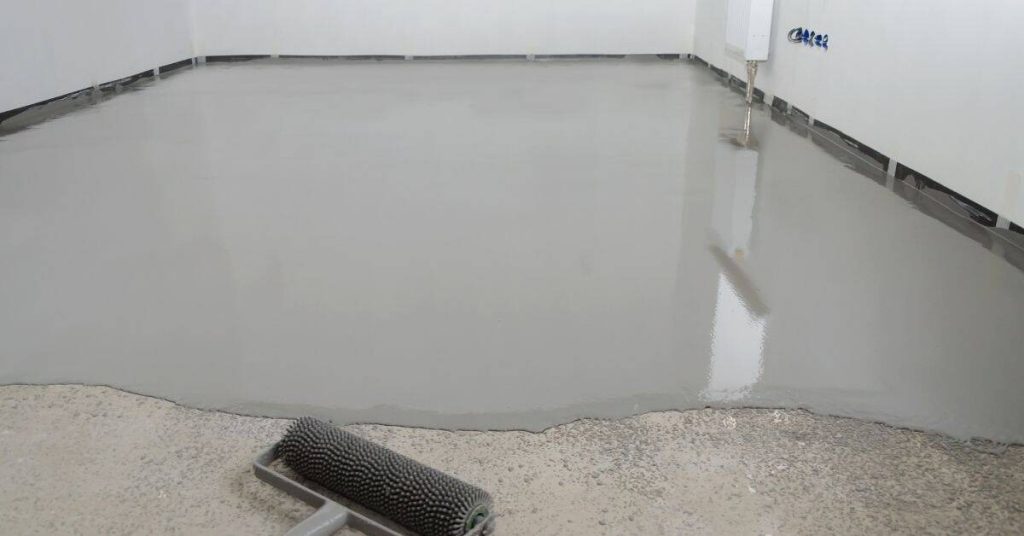
Freshly applied self-leveling concrete floor with roller

Microtopping Problems: Preventing bubbles, pinholes, and delamination

Introduction Microtopping problems are defects like bubbles, pinholes, and delamination that happen when a thin decorative concrete layer can’t bond or level properly. This article covers straightforward, hands-on steps to prevent them during mixing, prep, and application. You’ll also see how surface preparation and choosing self-leveling options can help you get a smoother, longer-lasting finish.

Microtopping Problems: Preventing bubbles, pinholes, and delamination Read More »

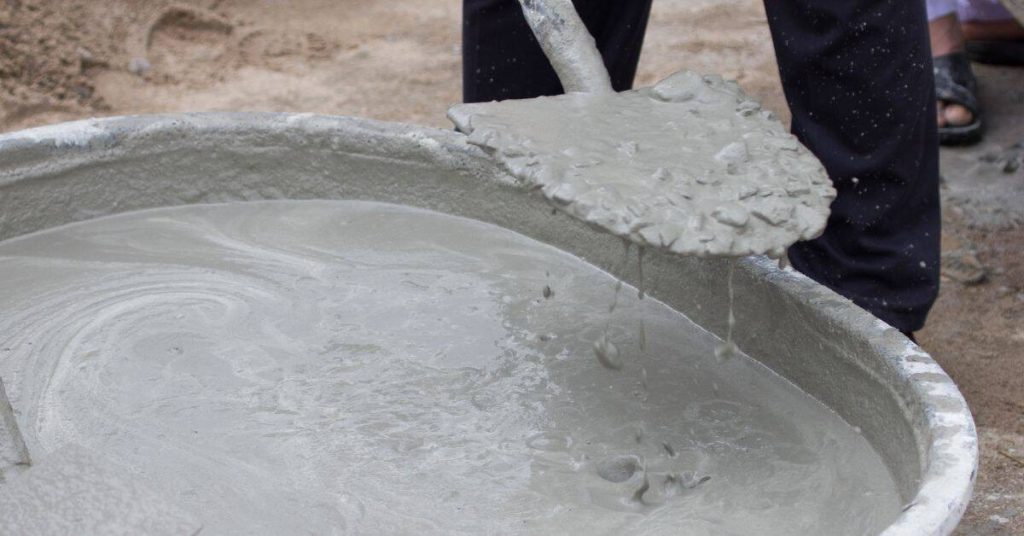
Wet concrete being mixed in a large basin with a shovel

Concrete Pigment Streaks: Mixing order and water control to prevent banding

Introduction Pigment streaks in concrete happen when mixing order and water balance create color bands. This article explains how to mix pigments with cement and manage water so the color stays even. Keep in mind proper timing and consistency as you work. Start by blending pigment powder with a small portion of dry mix before

Concrete Pigment Streaks: Mixing order and water control to prevent banding Read More »