Search Results for: recycle block to

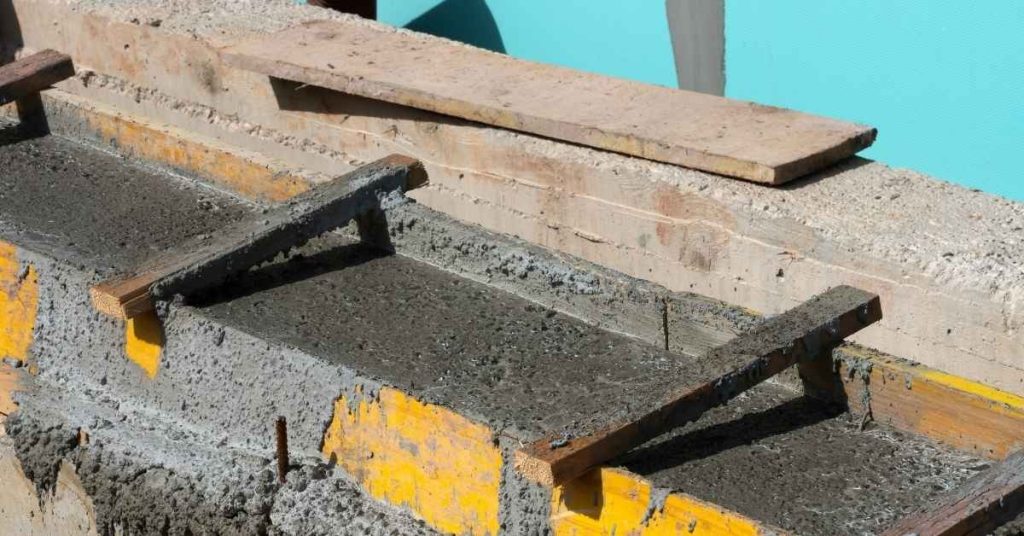
fresh concrete partially poured on rough surface

Using Burlap for Wet Curing: How to Keep It Wet Without Staining the Surface

Introduction Burlap can be used to keep concrete moist during curing without staining the surface when applied correctly. This method relies on evenly saturated burlap laid over the fresh pour and kept moist. Check the burlap material and manufacturer guidance for suitability and any surface protection needs. Choose burlap that is plain and untreated, and […]

Using Burlap for Wet Curing: How to Keep It Wet Without Staining the Surface Read More »

Unfinished basement with concrete block walls and wooden stairs

Isolation Joints Under Walls and Thresholds: Compressible Fillers That Don’t Squish Out

Introduction Isolation joints under walls and thresholds use compressible fillers to bridge gaps and accommodate movement. Common options include soft, elastic fillers like silicone or rubber that resist squishing out and stay in place as concrete cures. Always check the product label and manufacturer guidance for expansion limits and compatibility with concrete and sealants. Install

Isolation Joints Under Walls and Thresholds: Compressible Fillers That Don’t Squish Out Read More »

Freshly poured concrete in wooden formwork outdoors

Dealing With Surprise Rain Mid-Pour: What to Cover, What to Keep Working, and What to Redo

Introduction Rain mid-pour can ruin fresh concrete; cover, protect, and resume safely. Protect exposed areas with appropriate coverings, don’t work on wet concrete, and check forms for any change. After rain, inspect for surface defects, damp spots, or set delays before continuing. Resume pouring only when conditions are right and you follow the coating and

Dealing With Surprise Rain Mid-Pour: What to Cover, What to Keep Working, and What to Redo Read More »

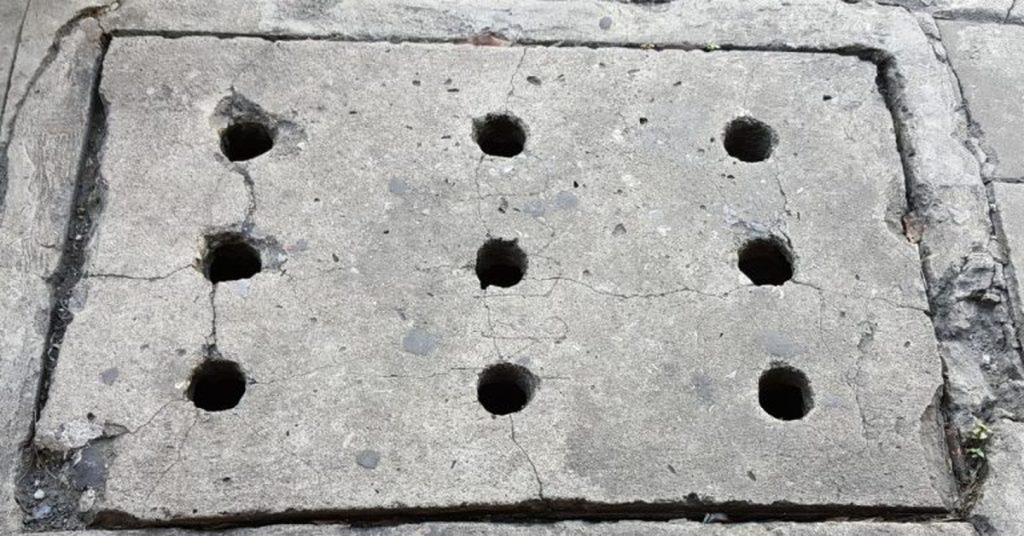
Concrete slab with nine drainage holes

Placing Concrete Against Waterproofing Membranes: Protection Boards, Punctures, and Drainage Mats

Introduction Placing concrete against waterproofing membranes means building up concrete right to the membrane while using protective layers to keep it intact. In this DIY friendly guide, we talk through protection boards, avoiding punctures, and how drainage mats help manage water pressure during a pour. Always check the product and tech literature for data sheets

Placing Concrete Against Waterproofing Membranes: Protection Boards, Punctures, and Drainage Mats Read More »

Smooth concrete window sill below metal frame window

Concrete Delamination Under Tiles: Removing Thinset Residue and Preventing Re-Bond Failure

Introduction Delamination under tiles happens when the adhesive bond fails and thinset residue is left behind, leading to loose or cracked tile. It’s a sign you need to assess the substrate before continuing and plan how to remove it safely. Start with a clear look at what’s under the surface and what you’ll need to

Concrete Delamination Under Tiles: Removing Thinset Residue and Preventing Re-Bond Failure Read More »

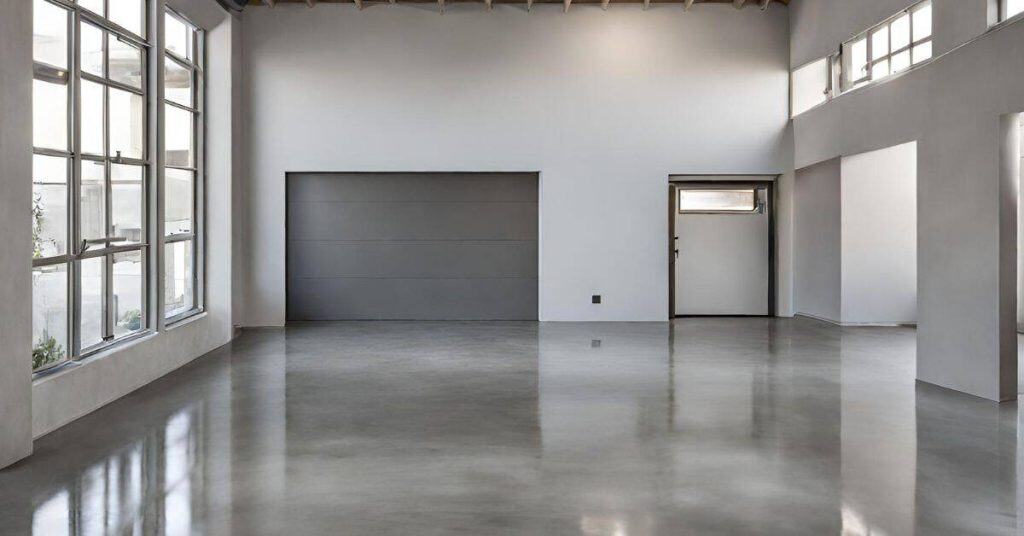
Empty room with large windows and polished concrete floor

Salt-and-Pepper Polished Concrete: Achieving a Consistent Exposure Without Over-Grinding Edges

Introduction Salt-and-pepper polished concrete is a finish created by exposing a small, random mix of aggregate to produce a speckled, even look. The goal is to achieve a consistent exposure across the slab without carving too deep at edges. This approach keeps the surface looking uniform and practical for DIY applications. Edge finishing matters because

Salt-and-Pepper Polished Concrete: Achieving a Consistent Exposure Without Over-Grinding Edges Read More »

Closeup of dark wooden floorboards with knots

Cast Concrete Sinks: Drain Reinforcement, Sealing Choices, and Stain-Proofing Reality

Introduction Cast concrete sinks are sinks formed by pouring concrete into a mold and letting it cure into a finished bowl. They require drain area reinforcement and careful form work to avoid cracking around the outlet. Sealing choices vary, and the reality is that stain resistance depends on the finish and maintenance. GRC, traditional concrete,

Cast Concrete Sinks: Drain Reinforcement, Sealing Choices, and Stain-Proofing Reality Read More »

Empty room with polished concrete floor and large windows

Using Sacrificial Wax Systems on Polished Concrete: Maintenance Schedule That Doesn’t Turn Dull

Introduction A sacrificial wax system on polished concrete is a protective layer you apply to guard the surface and keep the shine. As you wear and spill on the floor, you refresh the wax rather than grind the surface again. Approach this like a practical DIY job: work in small areas, follow the product instructions,

Using Sacrificial Wax Systems on Polished Concrete: Maintenance Schedule That Doesn’t Turn Dull Read More »

Hands positioning toilet bowl over plumbing drain pipe

Drainage Mats vs Dimple Boards: Choosing Protection/Drain Layers for Basement Walls

Introduction Drainage mats and dimple boards are protective layers placed against basement walls to manage moisture. They both create a gap for water to drain and help keep insulation and framing dry, but they work a bit differently. Choose based on how the wall will be finished and the ease of installation. In practice, you’ll

Drainage Mats vs Dimple Boards: Choosing Protection/Drain Layers for Basement Walls Read More »

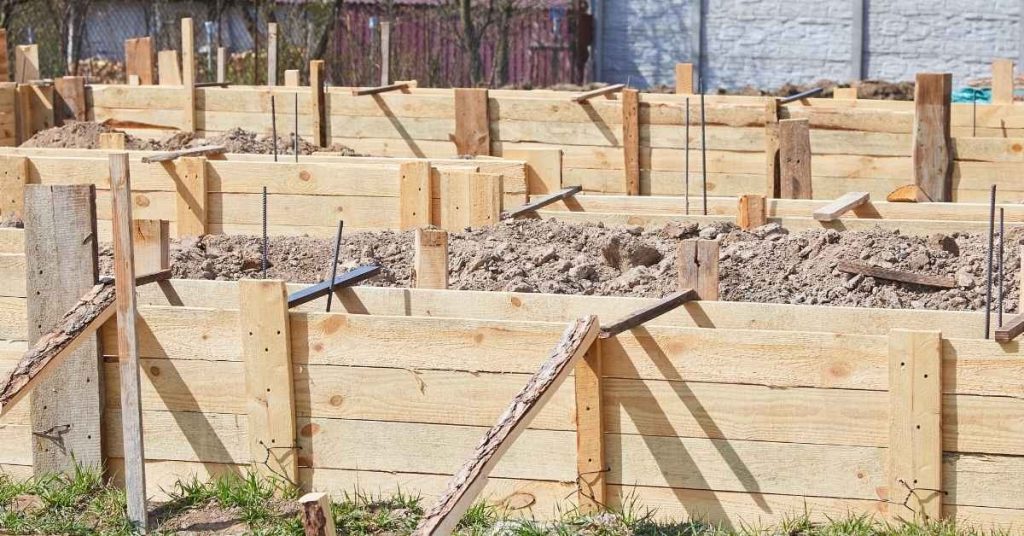
Wooden formwork for concrete retaining wall construction

Concrete Retaining Walls: Waterproofing, Drainage Rock, and Preventing Hydrostatic Blowouts

Introduction Concrete retaining walls are structures that hold back soil and must stay dry and stable. To do that, waterproofing and proper drainage are essential, along with backfill and proper reinforcement. Without addressing hydrostatic pressure, the wall can leak, bow, or fail over time. There are several waterproofing options worth considering, and you should follow

Concrete Retaining Walls: Waterproofing, Drainage Rock, and Preventing Hydrostatic Blowouts Read More »