Search Results for: polishing

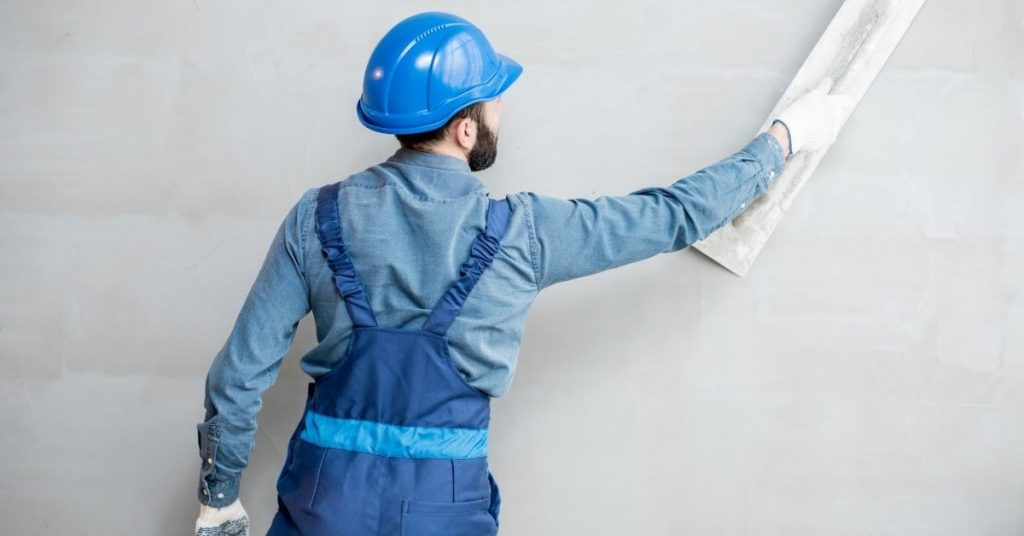
Worker in blue helmet smoothing a light gray plaster wall

Roman Clay Wall Finishes: Substrate Picks, Burnish Timing, and Sealing Options

Introduction Roman clay wall finishes are traditional lime-based plasters applied to walls to create a natural, earthy, matte surface. They require a clean, sound substrate and proper priming before application. Burnish timing depends on conditions and should be tested on a scrap area to get the feel you want. These finishes work well in living […]

Roman Clay Wall Finishes: Substrate Picks, Burnish Timing, and Sealing Options Read More »

bucket with plastering tools on wet surface outdoors

Tadelakt for DIY Bathrooms: Burnishing, Waxing, and Details That Prevent Failure

Introduction Tadelakt is a traditional lime plaster finish used in bathrooms that you burnish and wax to create a smooth, water-resistant surface. This article covers the key steps you can do yourself, like burnishing and applying wax, and the details that help prevent failure. Keep in mind that proper preparation and careful curing are essential

Tadelakt for DIY Bathrooms: Burnishing, Waxing, and Details That Prevent Failure Read More »

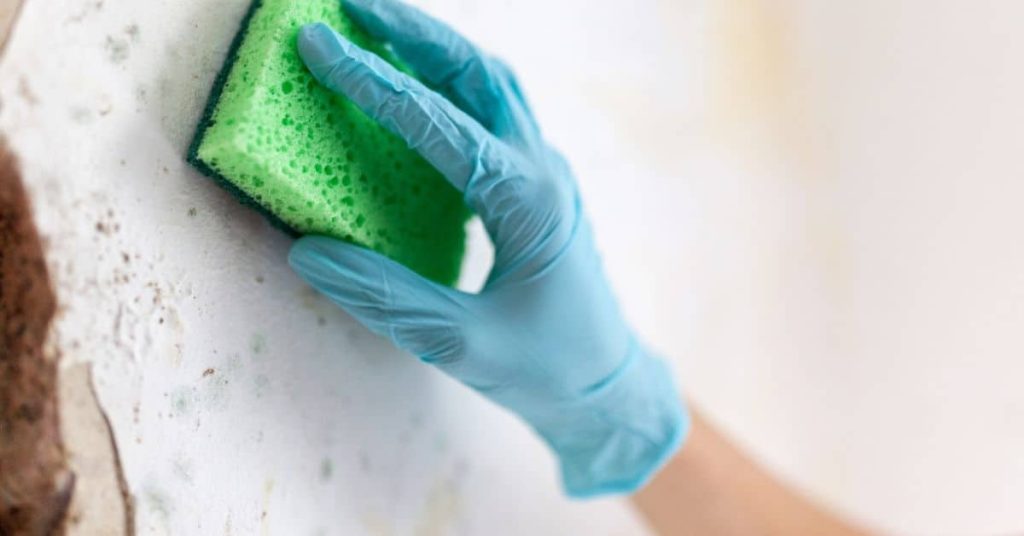
Hand in blue glove cleaning white wall with green sponge

Cleaning and Resealing Polished Plaster: Soap Scum, Dull Spots, and Refresh Coats

Introduction Cleaning and resealing polished plaster means removing soap scum and dull spots and applying a fresh protective coat. This is a hands-on DIY job that restores the surface without tearing it out. Expect a light scrubbing, careful rinse, and a new sealant layer following the manufacturer’s instructions. Before you start, check the product labels

Cleaning and Resealing Polished Plaster: Soap Scum, Dull Spots, and Refresh Coats Read More »

Hand applying plaster on wall with metal trowel

Clay Plaster Dent Repairs: Spot Blends, Burnish Timing, and Invisible Touch-Ups

Introduction Clay plaster dent repairs are about filling dents with clay plaster, blending the patch to the surrounding wall, and keeping the finish invisible. This is a hands-on, small-mesh job you can tackle with basic tools and careful timing. You’ll spot blend by feathering edges and adjusting texture until the repaired area matches the wall.

Clay Plaster Dent Repairs: Spot Blends, Burnish Timing, and Invisible Touch-Ups Read More »

Close-up of textured polished plaster wall surface

Sanding vs Burnishing Polished Plaster: Fixing Trowel Tracks Without Haze

Introduction Sanding and burnishing polished plaster is the process of smoothing and finishing the surface to remove trowel tracks and haze. This is done after the plaster has cured enough to work but while it’s still workable, using gentle abrasion and polish. The goal is a uniform, matte or soft sheen without gouges. Before you

Sanding vs Burnishing Polished Plaster: Fixing Trowel Tracks Without Haze Read More »

Concrete beam skeleton frame under clear blue sky

Stopping Leaks at Concrete Cold Joints: Injection Options and Negative-Side Coatings

Introduction A concrete cold joint is a seam that forms when pours stop and then resume, creating a potential weak point where water can seep through. Leaks at these joints happen when the joint isn’t bonded or sealed well enough, especially under pressure or through capillary paths. For a DIY approach, this article covers practical

Stopping Leaks at Concrete Cold Joints: Injection Options and Negative-Side Coatings Read More »

Pile of crushed concrete outdoors under clear sky

GFRC Concrete Face Coat Troubleshooting: Pinholes, Fiber Behavior, and Timing

Introduction GFRC face coat troubleshooting is diagnosing and fixing common issues like pinholes, fiber behavior, and timing mistakes in GFRC mixes. This guide aims to give practical, hands-on steps you can check on the job site. Start by confirming your mix design and how the fibers are added, since those drive surface quality. Pinholes tend

GFRC Concrete Face Coat Troubleshooting: Pinholes, Fiber Behavior, and Timing Read More »

Polished concrete floor reflecting windows and lights

Kitchen Polished Concrete Sealers: Heat Rings, Food Reality, and Maintenance Plans

Introduction Kitchen polished concrete sealers are coatings that protect and enhance a smooth concrete surface in food prep areas. This article gives a practical, hands-on look at what types exist and how they work in real kitchens. We’ll cover basics you can check on labels and what questions to ask when choosing a sealer. Key

Kitchen Polished Concrete Sealers: Heat Rings, Food Reality, and Maintenance Plans Read More »

Stone-look concrete gate pillars with metal fence panels

Stone-Look Concrete Finishes: Rub Techniques, High Spots, and Sealer Choices

Introduction Stone-Look Concrete Finishes are achieved by rubbing and refining a concrete surface to resemble natural stone. On the job, you’ll use hand tools and trowels to work the surface while it’s still workable, then wipe, rub, and burnish to blend colors. Check product labels and manufacturer instructions for cure times and safety before starting.

Stone-Look Concrete Finishes: Rub Techniques, High Spots, and Sealer Choices Read More »

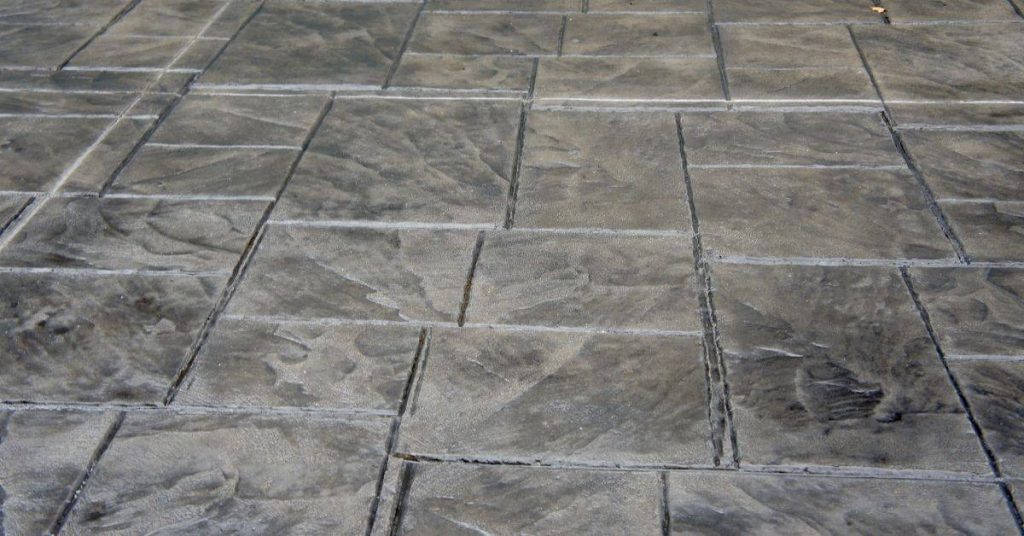
Stamped concrete patio surface with textured pattern

Sealing Micro-Cracks Before Concrete Staining: Products That Don’t Telegraphed-Darken

Introduction Sealing micro-cracks before staining helps prevent telegraphing of dark spots by blocking uneven absorption of the stain. This step slows and evens out how the color takes across the surface. Check the product label for surface prep and cure times to ensure proper results. Choose sealants designed for concrete floors and compatible with staining,

Sealing Micro-Cracks Before Concrete Staining: Products That Don’t Telegraphed-Darken Read More »