Search Results for: polishing

Polished concrete floor reflecting overhead lights and columns

Concrete Densifiers for DIY: Lithium vs Sodium Silicate and What Can Go Wrong

Introduction Lithium and sodium silicate densifiers are concrete surface treatments that harden the top layer by penetrating and sealing the pores. They can help reduce dust, improve spill resistance, and give a subtle finish, but the best choice depends on your concrete and environment. Always check the product label and follow the manufacturer instructions, and […]

Concrete Densifiers for DIY: Lithium vs Sodium Silicate and What Can Go Wrong Read More »
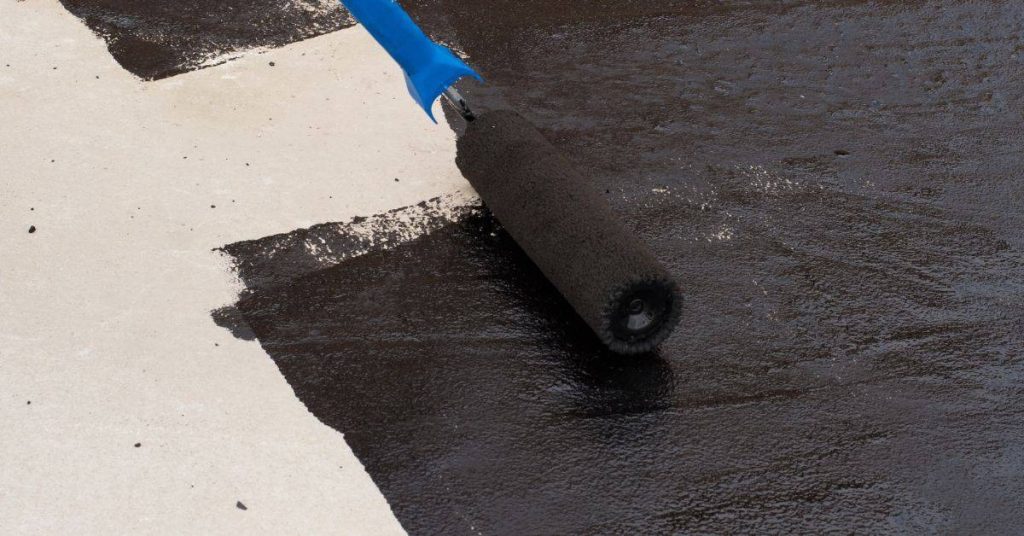
Paint roller applying black sealer on concrete surface

How to Remove Tire Marks Without Dulling a Sealer: Cleaner Types and Pad Choices

Introduction Removing tire marks from a sealed surface without dulling the sealer means using cleaners and pads that lift the mark without damaging the seal. Start with a light cleaner labeled for concrete sealers and test in an inconspicuous spot first. Work in small areas and use gentle motions to avoid abrasive wear. Choose non-aggressive

How to Remove Tire Marks Without Dulling a Sealer: Cleaner Types and Pad Choices Read More »

Concrete beams with exposed rebar on construction site

Salt-Finish Concrete on Small Projects: Timing, Cleanup, and Sealing Without Haze

Introduction Salt-finish concrete is a decorative surface created by applying and later washing away salt to expose a textured layer. On small projects, it’s a practical way to add grip and character, but timing and technique matter for a clean look. Always check manufacturer guidelines for how long to work the surface, how to apply

Salt-Finish Concrete on Small Projects: Timing, Cleanup, and Sealing Without Haze Read More »

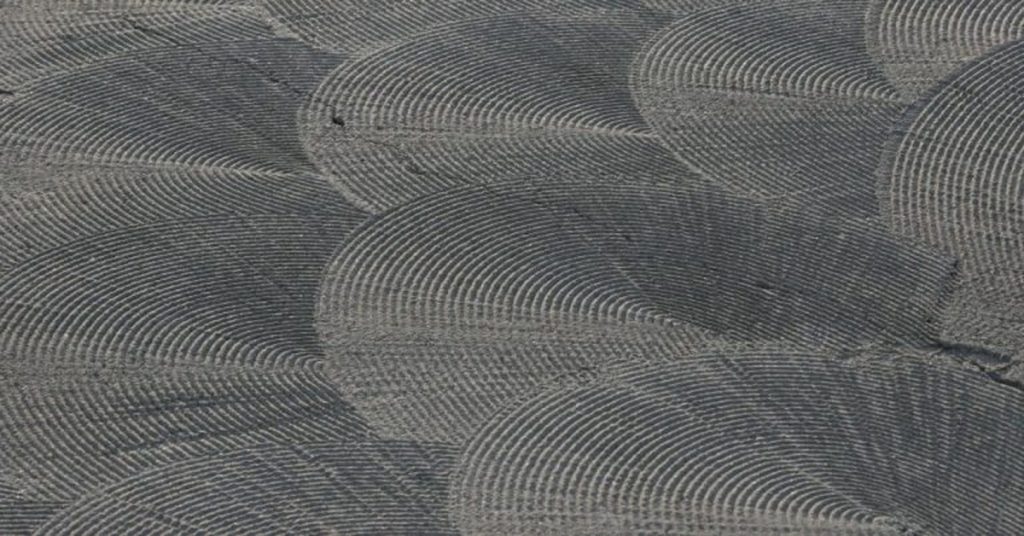
concrete surface with circular textured pattern

Adding Texture to Slick Concrete: Mechanical vs Chemical Methods and What Holds Up

Introduction Texturing slick concrete means creating a non-slip, patterned surface using either mechanical tools or chemical treatments. Mechanical methods bite into the surface with grinder discs, scarifiers, or brushes, while chemical methods react the surface to leave a grip pattern. Both approaches require clean, dry conditions and a plan for the look you want, plus

Adding Texture to Slick Concrete: Mechanical vs Chemical Methods and What Holds Up Read More »

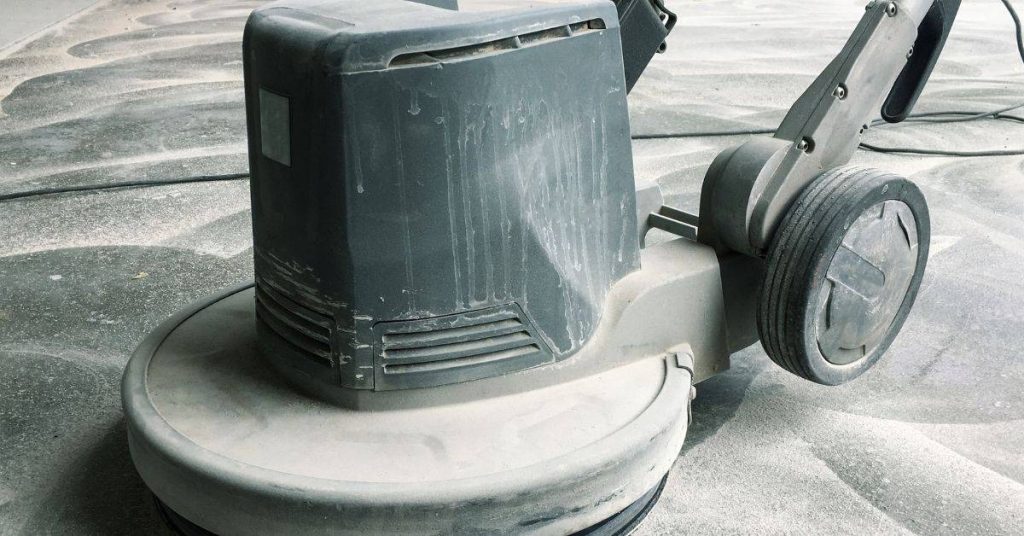
Concrete floor grinding machine on concrete surface

Concrete Trowel Blade Burnishing: When It Makes a Floor Stronger and When It Creates Dark Swirls

Introduction Concrete trowel blade burnishing is the act of using a trowel blade on a fresh slab to seal the surface and tighten the paste, which can harden the floor but may leave dark swirl marks if done too aggressively. In practice, it can give a slick finish and extra density when conditions are right,

Concrete Trowel Blade Burnishing: When It Makes a Floor Stronger and When It Creates Dark Swirls Read More »

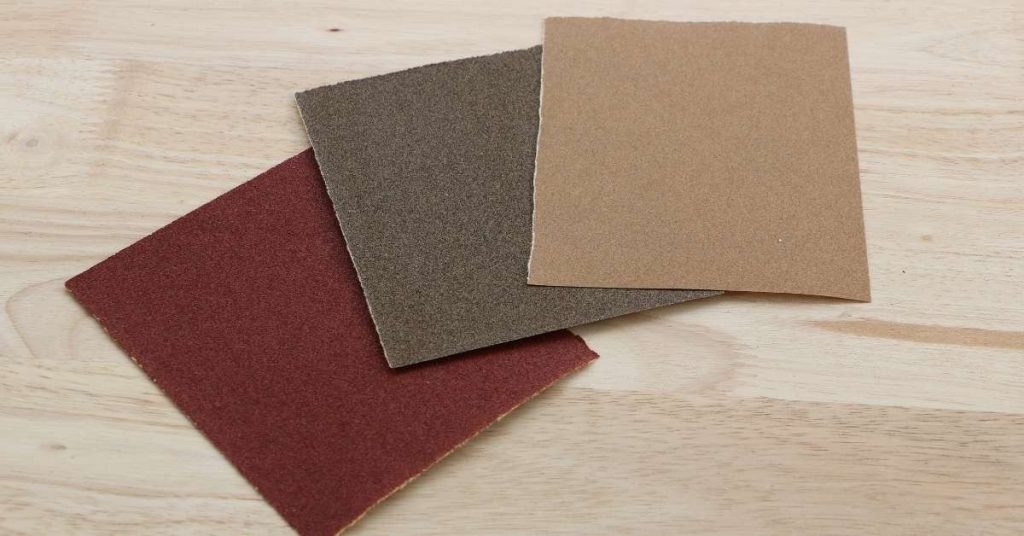
Three sheets of sandpaper in red brown and beige on wood

Venetian Plaster Touch-Ups: Avoiding Shiny Spots and Burnish Lines

Introduction Venetian plaster touch-ups are about repairing shine and burnish lines to restore an even, mirror-like finish. This hands-on guide walks you through practical steps and what to watch for on a DIY job. Check the product label and manufacturer instructions for any limitations and recommended mixing or application notes. There are several finishes you

Venetian Plaster Touch-Ups: Avoiding Shiny Spots and Burnish Lines Read More »

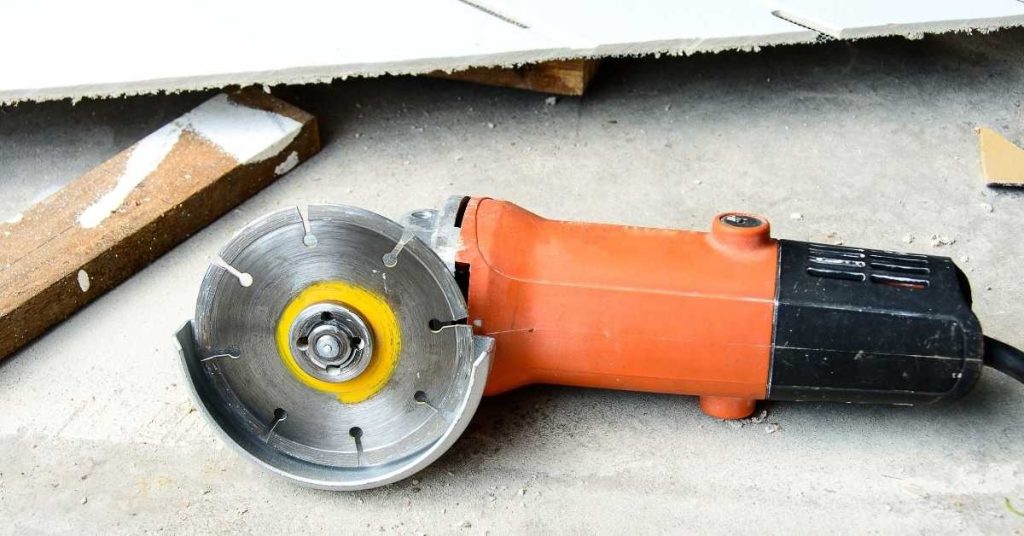
Corded angle grinder lying on dusty concrete floor

How to Avoid Grinder ‘Swirl Marks’: Technique, Tool Path, and When to Cross-Hatch

Introduction Grinder swirl marks are fine scratches left by abrasive motion, and you avoid them with the right technique. Choose the right grinder and disk for the wood task, keep the surface clean, and maintain steady, even pressure. Work in small, overlapping passes and check your progress often before moving to a finer abrasive. Use

How to Avoid Grinder ‘Swirl Marks’: Technique, Tool Path, and When to Cross-Hatch Read More »

Concrete floor grinder machine working on concrete surface

Concrete Grinding Grit Guide: What 16, 30, 60, 120 Actually Do to a Surface

Introduction Grinding concrete with grit sizes is how you condition the surface by progressively removing roughness and shallow imperfections. In practice, coarser grits like 16 and 30 remove material quickly, while finer grits such as 60 and 120 smooth and refine the finish. Start with a surface assessment and plan the steps based on your

Concrete Grinding Grit Guide: What 16, 30, 60, 120 Actually Do to a Surface Read More »

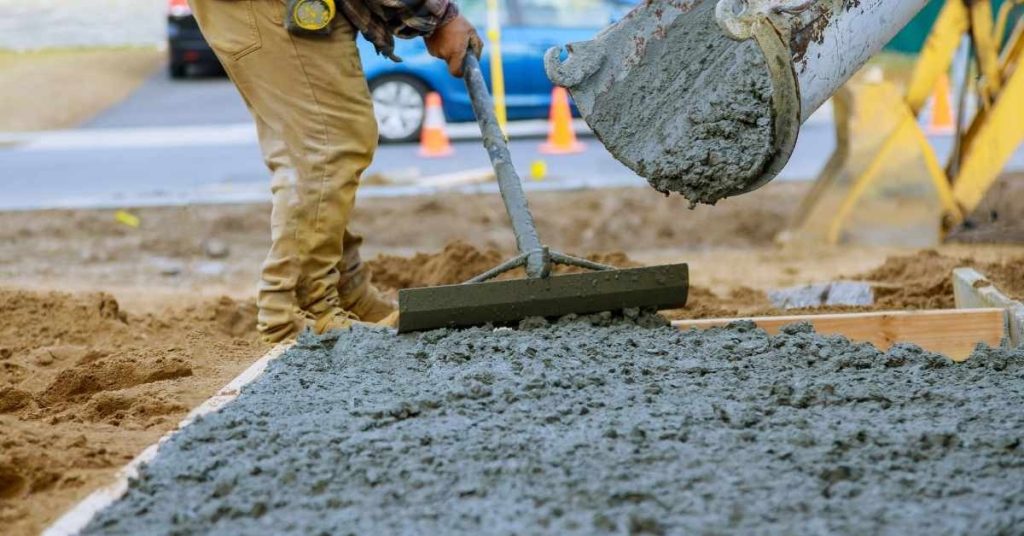
Worker smoothing wet concrete with rake near pouring excavator

Concrete Discoloration From Plastic Curing: Preventing ‘Tarp Lines’ and Blotches

Introduction Concrete discoloration from plastic curing happens when the surface dries unevenly under plastic sheeting, creating lighter and darker patches. Tarp lines and blotches form where edges or wrinkles trap moisture or restrict evaporation. That’s a common DIY issue when you want a smooth, uniform finish without waiting longer. To prevent it, lay the plastic

Concrete Discoloration From Plastic Curing: Preventing ‘Tarp Lines’ and Blotches Read More »