Search Results for: polishing

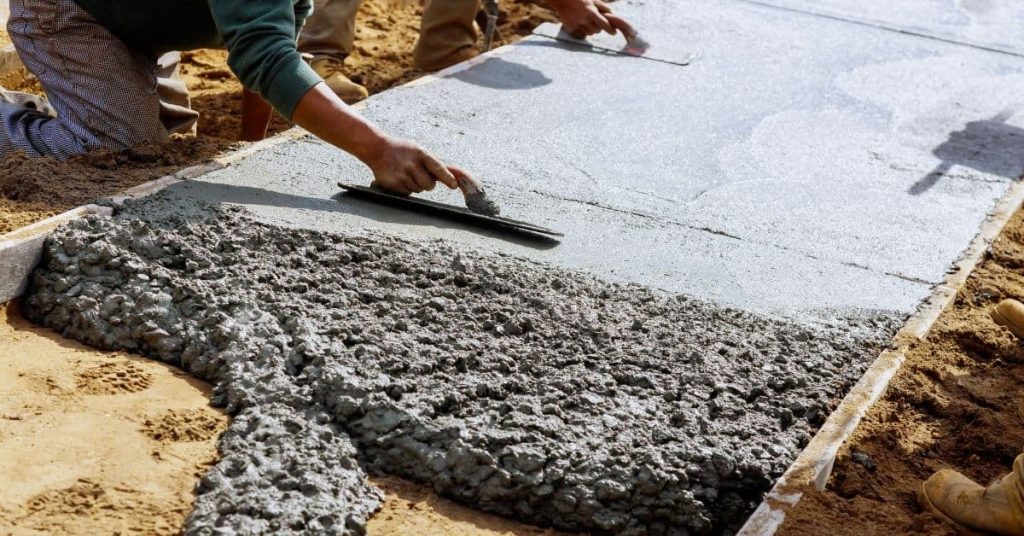
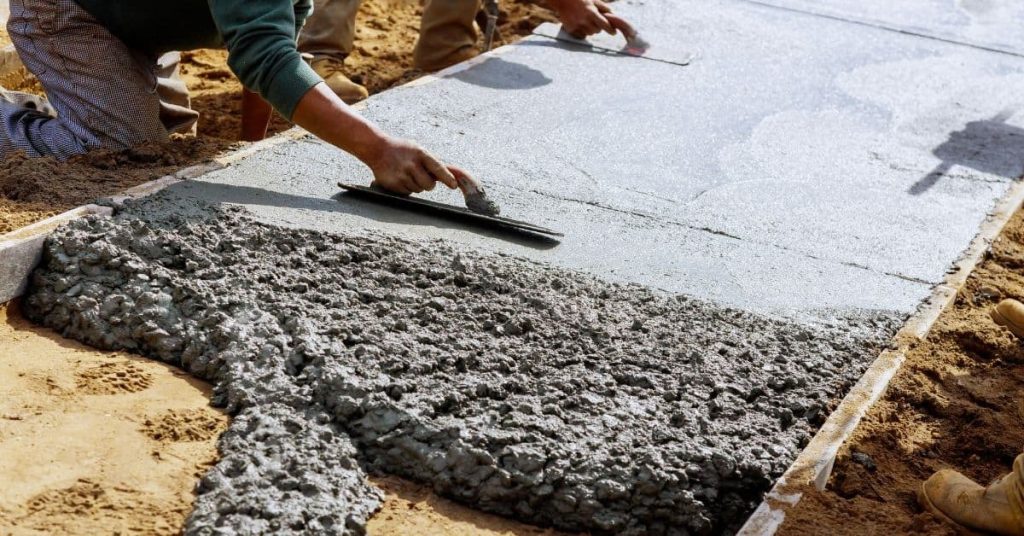
Hands smoothing wet concrete with trowels on outdoor slab

Breaking in a new concrete trowel: edge prep so you don’t leave tracks everywhere

Introduction Edge prep for a new concrete trowel means ensuring the blade edge is clean and true so your finish tracks are minimal. Keep metal free of nicks and burrs, and verify the edge sits straight against the handle. If the edge isn’t true, check the manufacturer’s guidance on bevels and sharpening before proceeding. Begin […]

Breaking in a new concrete trowel: edge prep so you don’t leave tracks everywhere Read More »
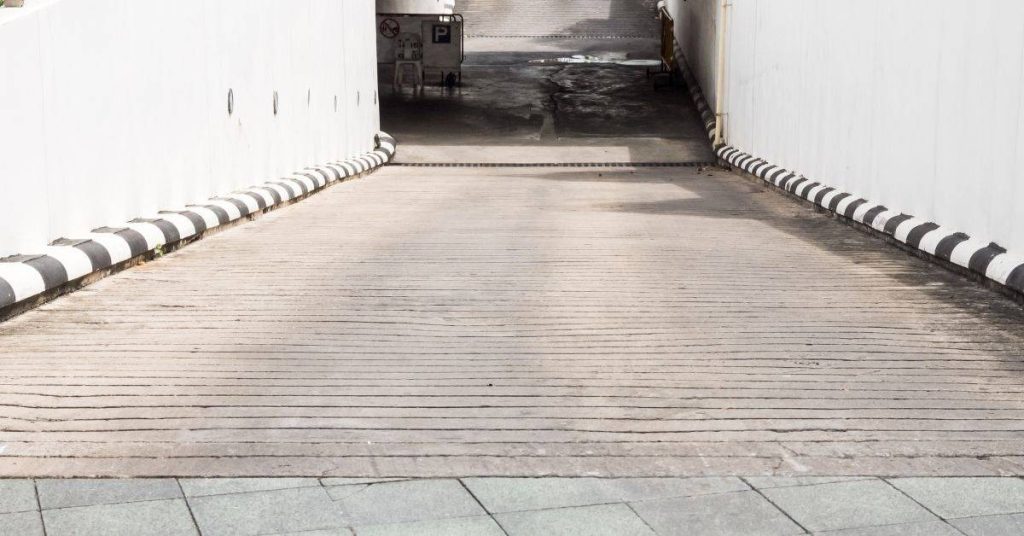
Concrete driveway ramp with horizontal saw-cut joints

Blending tooled and saw-cut concrete joints: making last-minute changes look intentional

Introduction Blending tooled and saw-cut concrete joints means intentionally combining hand-worked joints with later-cut joints to create a varied, cohesive joint pattern. This approach requires planning the joint locations and finishing texture so appearance looks deliberate. Keep in mind the different tools and methods affect edge quality, so confirm your plan before you cut. Before

Blending tooled and saw-cut concrete joints: making last-minute changes look intentional Read More »

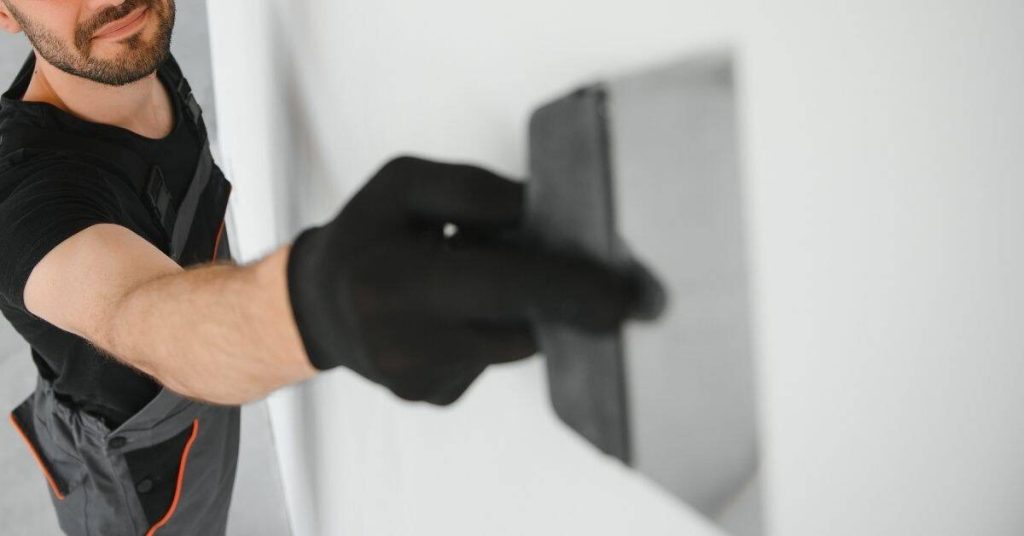
Plaster worker smoothing wall with trowel wearing black glove

Common rookie plaster mistakes: overwatering, overworking, and chasing perfection too soon

Introduction Rookie plaster mistakes are doing too much water, overworking the mix, and chasing a perfect finish before it’s ready. These habits can cause cracks, shrinkage, and a surface that won’t hold paint. Take a steady, practical approach: mix only what you need, apply in damp coats, and let each layer set. During a shifting

Common rookie plaster mistakes: overwatering, overworking, and chasing perfection too soon Read More »

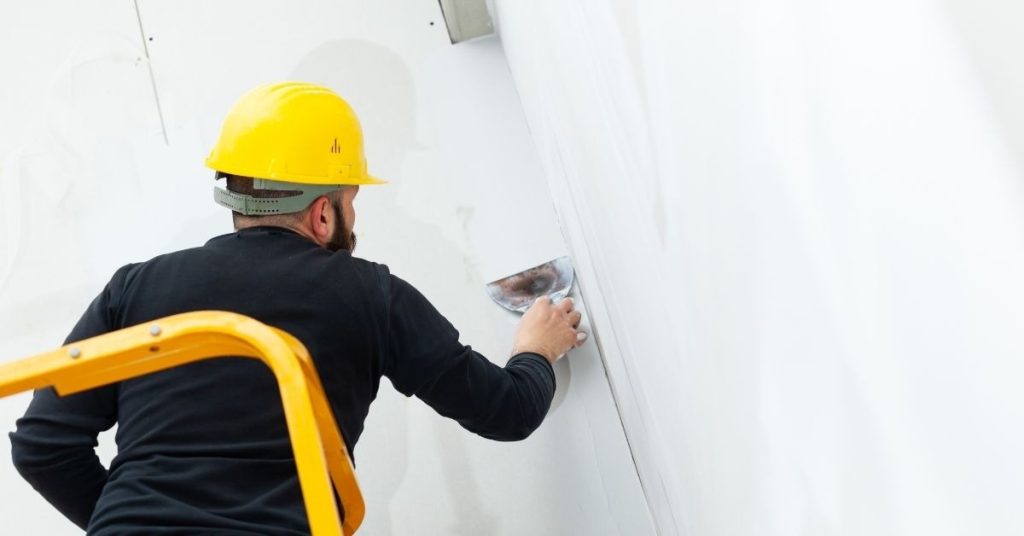
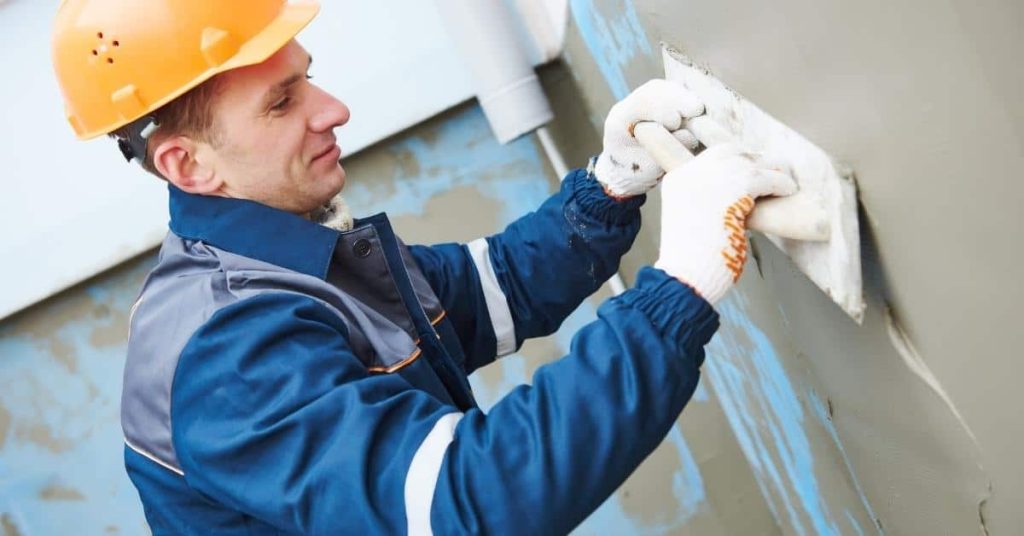
Worker in yellow helmet applying plaster on white wall

Blending sheen on polished plaster finishes: spot repair vs full-wall rework

Introduction Spot repair and full-wall rework are two approaches to restore or adjust sheen on polished plaster finishes. This article compares when to use each method and what you should expect in terms of result and effort. It keeps the focus practical, with plain-language guidance you can follow on a real job. Polished plaster has

Blending sheen on polished plaster finishes: spot repair vs full-wall rework Read More »

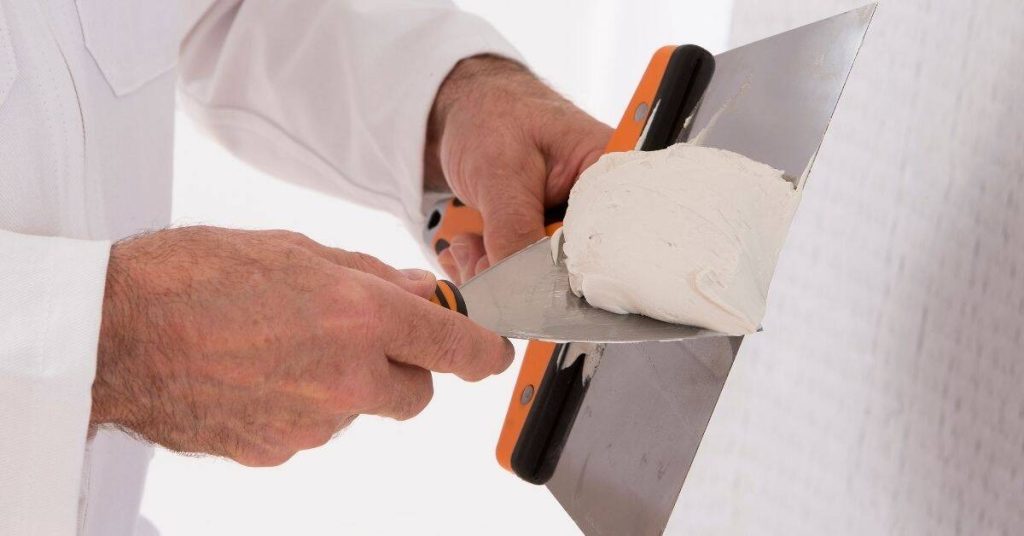
Hands applying white plaster to a trowel

Venetian plaster finish basics: burnish stages and fixing drag marks and chatter

Introduction Venetian plaster finish basics explain how burnish stages create depth and how to manage drag marks and chatter during application. This guide walks through practical steps you can take when applying the plaster on walls or ceilings. It focuses on technique over theory, with plain language and real‑world checks. You’ll learn how the burnish

Venetian plaster finish basics: burnish stages and fixing drag marks and chatter Read More »

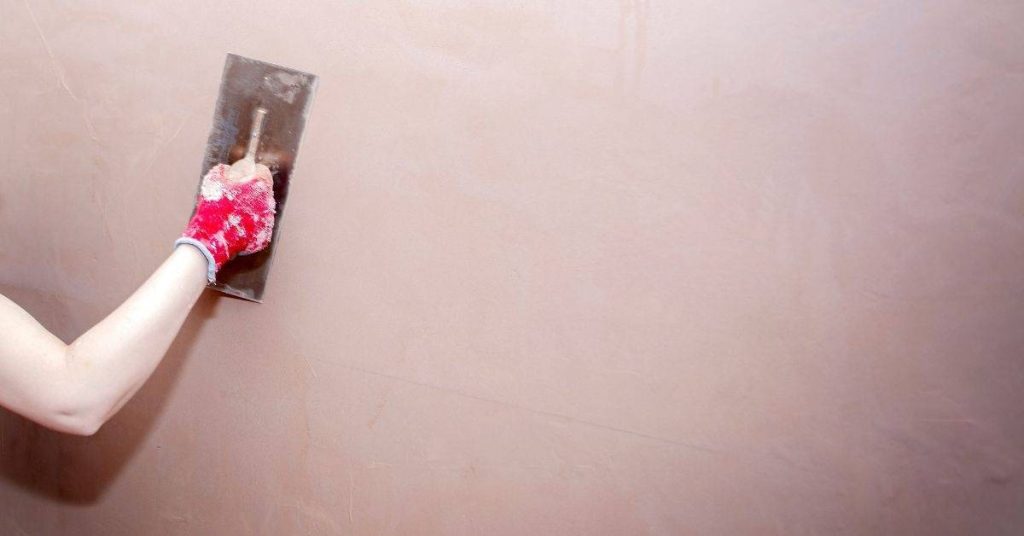
Person smoothing plaster on wall with trowel wearing red glove

Matching a 1920s plaster finish: how to recreate subtle trowel marks and sheen

Introduction A matching 1920s plaster finish is a subtle, handmade wall surface that uses light trowel marks and a soft, aging sheen. The goal is to recreate the quiet texture and depth of period walls without looking overdone. It involves careful surface work, controlled plaster mixes, and patient application. Before you start, assess the existing

Matching a 1920s plaster finish: how to recreate subtle trowel marks and sheen Read More »

Construction worker applying stucco to wall with trowel

Stucco in hot, dry conditions: misting schedules and stopping rapid set during troweling

Introduction Misting schedules and water control for stucco in hot, dry conditions aim to improve workability and help the plaster set without cracking. The topic covers when and how often to mist and how to manage timing during troweling. This piece is written for a practical, hands-on DIY approach. Practical curing methods and tool choices

Stucco in hot, dry conditions: misting schedules and stopping rapid set during troweling Read More »

Person using power trowel on fresh concrete slab

Crazing and hairline map cracks in concrete: over-finishing clues and how to keep it subtle

Introduction Crazing and hairline map cracks are fine surface fractures that develop on concrete as it dries and cures. They often appear as delicate networks across countertops or floors and can be challenging to hide with finishing alone. Understanding why they form helps you decide when a subtle finish is appropriate and when to address

Crazing and hairline map cracks in concrete: over-finishing clues and how to keep it subtle Read More »

Concrete being smoothed with a long-handled screed tool

Crazing and Hairline Map Cracks in Concrete: over-Finishing Clues and How to Keep It Subtle

Introduction Crazing and hairline map cracks are shallow surface cracks that occur when the concrete surface dries or finishes too aggressively. They often appear as a fine web across the countertop and can be subtle or noticeable. This article explains how to recognize them and what to check to keep finishes from looking overworked. Drying

Crazing and Hairline Map Cracks in Concrete: over-Finishing Clues and How to Keep It Subtle Read More »

Workers finishing fresh concrete slab with hand trowels

Crazing and hairline map cracks: over-finishing clues and how to keep it subtle

Introduction Crazing and hairline map cracks are very fine, web-like cracks that run across the surface of concrete or plaster. They often look like a spiderweb or tiny branching lines and can appear after finishing when the surface dries unevenly. These marks aren’t structural failure, but they do affect the look and texture of a

Crazing and hairline map cracks: over-finishing clues and how to keep it subtle Read More »