Search Results for: plaster keys

Crown Molding Transitions on Uneven Plaster Ceilings

Crown Molding Transitions on Uneven Plaster Ceilings

  Introduction You can achieve clean crown molding transitions on uneven plaster ceilings with careful setup and adaptable methods. This guide walks through practical steps for measuring irregular ceilings, choosing flexible profiles, and disguising gaps so the finish looks professional. You’ll learn tips, tricks, and rules of thumb that help you plan, cut, and install […]

Crown Molding Transitions on Uneven Plaster Ceilings Read More »

How to Plaster a Ceiling Step by Step: A Comprehensive Guide

How Long Does It Take to Plaster a Ceiling: A Step-by-Step Timeline Guide

Table of Contents Introduction to Plastering Ceilings Advantages of Plastering Your Ceiling Essential Tools and Materials for Ceiling Plastering Preparation Steps Before Plastering Step-by-Step Guide to Plastering a Ceiling Challenges and Common Mistakes in Plastering Ceilings Expert Tips for a Flawless Finish: Step-by-Step Guide to Plastering a Ceiling Maintenance Tips for Plastered Ceilings Conclusion: Mastering

How Long Does It Take to Plaster a Ceiling: A Step-by-Step Timeline Guide Read More »

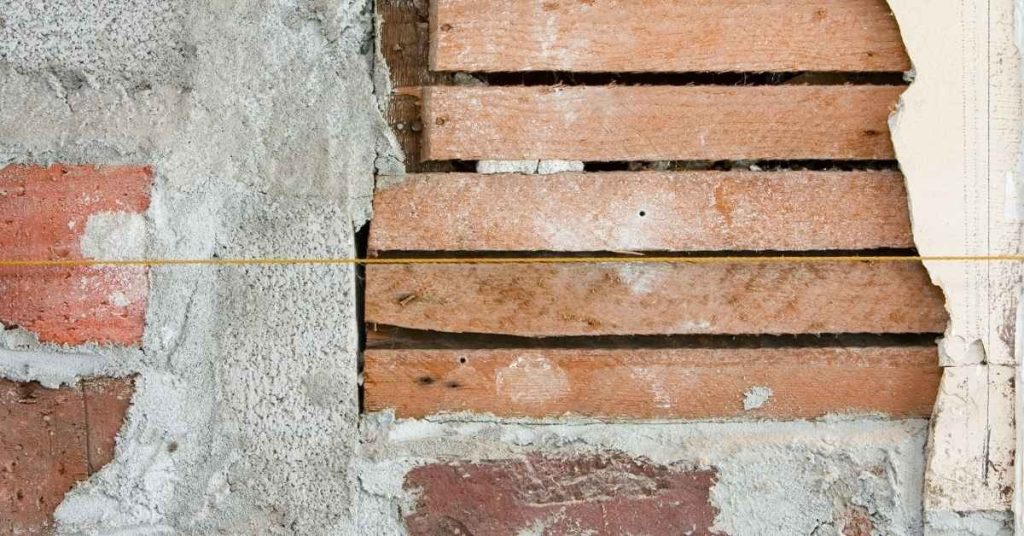
Exposed wooden lath under cracked plaster wall section

Rusting Stucco Lath in a Patch: Safe Cutback Limits and Better Refastening

Introduction Rusting stucco lath in a patch means the metal lath under the plaster has corroded and loosened, reducing support for the patch. That corrosion can cause the patch to crack or fall away if not addressed. Start by pulling back loose plaster and securing any loose lath pieces, then replace or tie back missing

Rusting Stucco Lath in a Patch: Safe Cutback Limits and Better Refastening Read More »

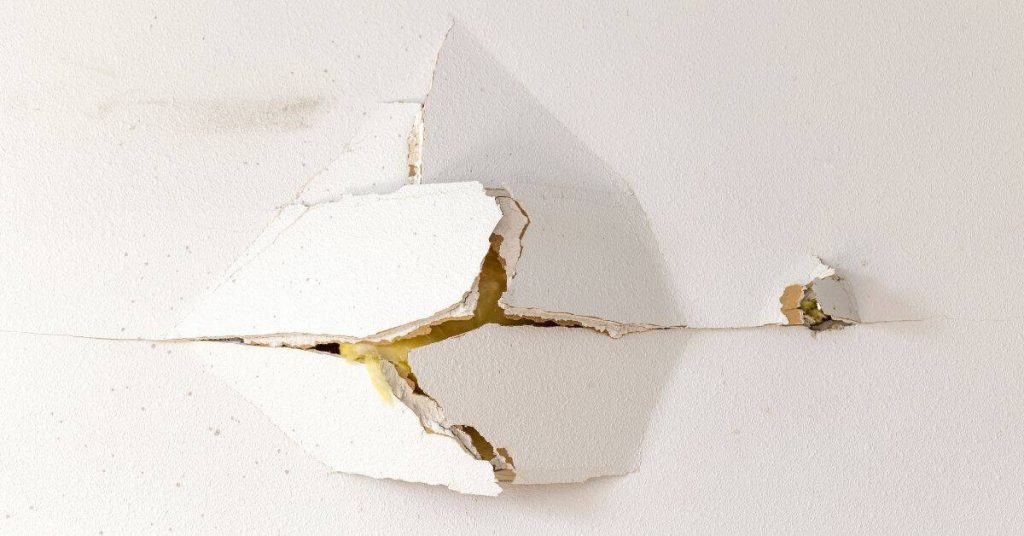
Closeup of cracked and peeling plaster on white wall

How to Repair a Failed Patch That Sounds Hollow: Cutback Rules and Reattachment Options

Introduction A failed patch that sounds hollow is a plaster area with voids that likely needs back-cutting and reattachment. In plain terms, you’ll check why it came loose and decide whether to trim the patch back or start fresh. This is a real-world, DIY job you can handle with basic tools and a patient approach.

How to Repair a Failed Patch That Sounds Hollow: Cutback Rules and Reattachment Options Read More »

Lath Fastener Spacing: Recommended Patterns for Welded, Expanded, and Paper-Backed Lath

Lath Fastener Spacing: Recommended Patterns for Welded, Expanded, and Paper-Backed Lath

Introduction Lath fastener spacing should follow specific, pattern-based guidelines for welded, expanded, and paper-backed lath to ensure secure attachment and structural performance. You’ll learn how the recommended spacings differ by lath type, plus practical tips for implementing them during installation and verification. The guide walks through common patterns, typical spacing ranges, and quick checks to

Lath Fastener Spacing: Recommended Patterns for Welded, Expanded, and Paper-Backed Lath Read More »

Painting Stucco: Breathable Coatings That Won’t Trap Water

Painting Stucco: Breathable Coatings That Won’t Trap Water

Introduction Breathable coatings on stucco let moisture escape while still protecting the surface. This matters because trapping water can lead to peeling, cracking, and mold, so you’ll learn how to evaluate breathable finishes and what to look for in performance and compatibility. The guide walks through practical steps for preparation, choosing the right breathable coating,

Painting Stucco: Breathable Coatings That Won’t Trap Water Read More »

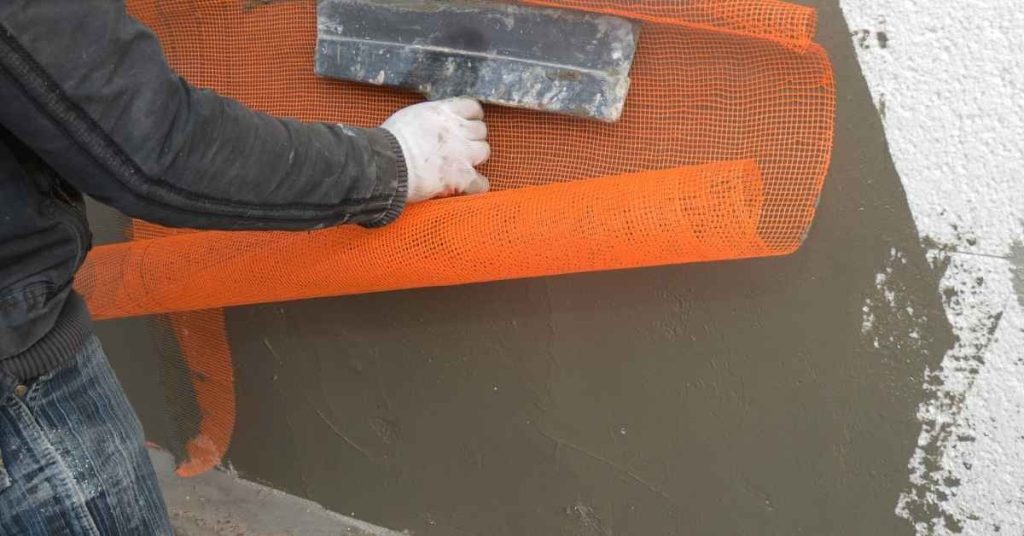
Person applying orange mesh over wet brown stucco base coat

Repairing stucco chips at corners: building back profile with mesh and base coat

Introduction Repairing stucco chips at corners means restoring damaged edge areas by rebuilding the corner profile with mesh and a base coat. This approach reinforces the edge, provides a uniform surface, and prepares it for finish. Keep the work neat and check that the base coat adheres well to the existing stucco. Start by cleaning

Repairing stucco chips at corners: building back profile with mesh and base coat Read More »

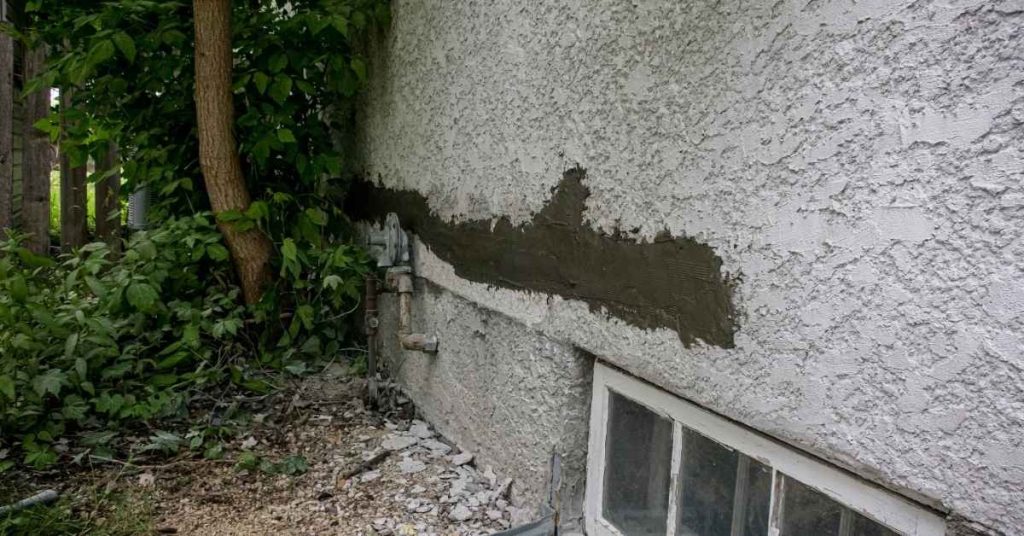
Stucco wall with fresh dark patch repair near window and vegetation

Stucco patch blends that don’t ‘picture frame’: sand matching, fog coats, and feather technique

Introduction Stucco patches can blend in by matching the sand texture, applying a light fog coat, and feathering the edges to disappear. This approach focuses on how the repair looks from close up and at a distance, not on replacing the entire wall. It’s a practical, hands-on method for making repairs less noticeable. Start by

Stucco patch blends that don’t ‘picture frame’: sand matching, fog coats, and feather technique Read More »

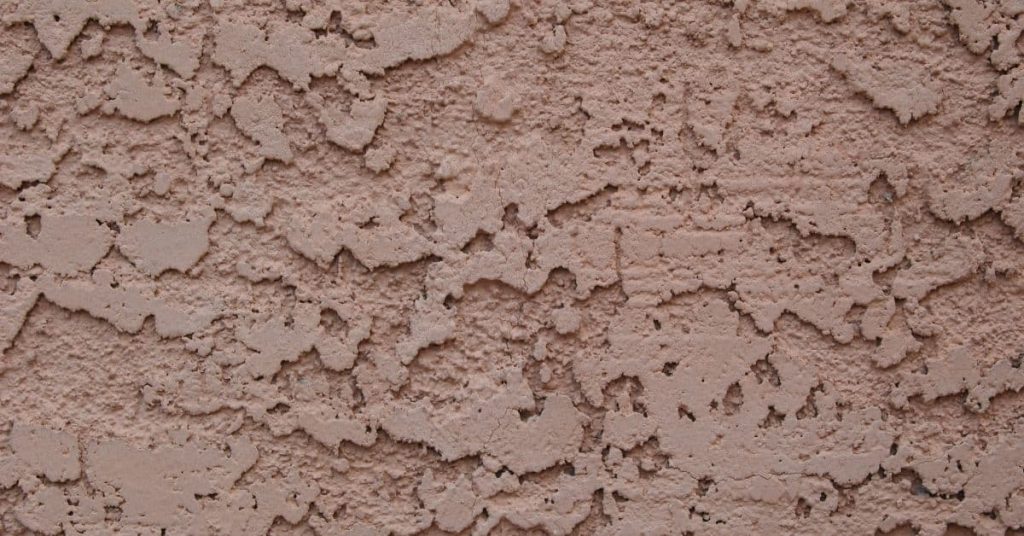
Close-up of textured brown stucco wall surface

Stucco brown coat straightening: screed methods that don’t telegraph waves later

Introduction Screed straightening of the stucco brown coat is the process of leveling and smoothing the outer layer to prevent visible waves. It relies on controlled, even passes with a straightedge to create a flat, true surface. The goal is to set the first and second coats with minimal movement after initial setting, while maintaining

Stucco brown coat straightening: screed methods that don’t telegraph waves later Read More »