Search Results for: plaster keys

Gloved hand applying stucco scratch coat on lath

Stucco scratch coat keying: getting bite on lath without overworking the mix

Introduction Keying the scratch coat means creating a rough, gripping surface on the lath so the plaster adheres without excessive manipulation. It gives the base a bite that helps the next layer hold. Start with thorough surface preparation: clean and dampen the lath so dust is removed and the surface isn’t drawing moisture too quickly. […]

Stucco scratch coat keying: getting bite on lath without overworking the mix Read More »

Close-up of blue painted wood siding with horizontal grooves

Acrylic Render Over Painted Stucco: Bond Tests, Prep, and Failure Prevention

Introduction Acrylic render over painted stucco is the process of applying an acrylic finish coat on top of painted stucco to create a new, durable surface. Before you start, run bond checks and surface prep to decide if the paint will hold and where it may peel. Inspect for peeling paint, loose patches, and gloss,

Acrylic Render Over Painted Stucco: Bond Tests, Prep, and Failure Prevention Read More »

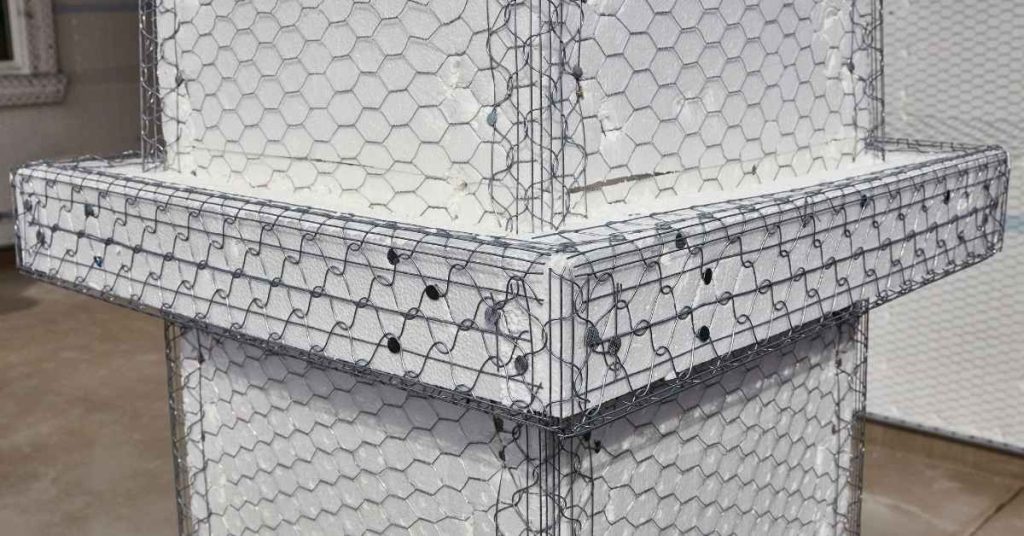
Wire lath attached over foam insulation at inside corner

Inside-Corner Stucco Cracks: Reinforcement That Works Without Bulking

Introduction Inside-corner stucco crack reinforcement is a way to strengthen the joint without making it bulky. It focuses on tying the corner back together and borrowing the surrounding material’s strength so the crack doesn’t widen. Check local guidelines and product instructions to choose a method that fits your wall and climate. Different stucco types and

Inside-Corner Stucco Cracks: Reinforcement That Works Without Bulking Read More »

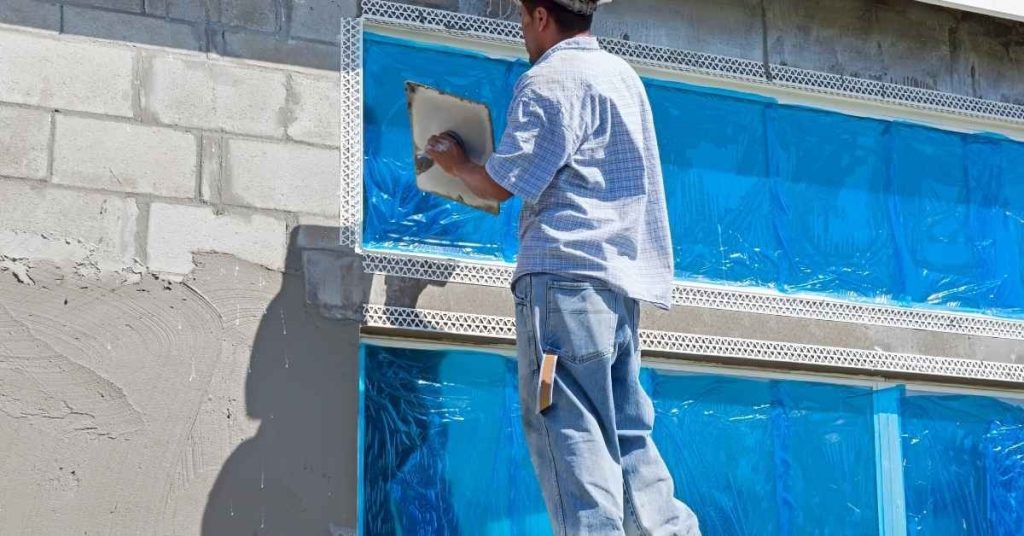
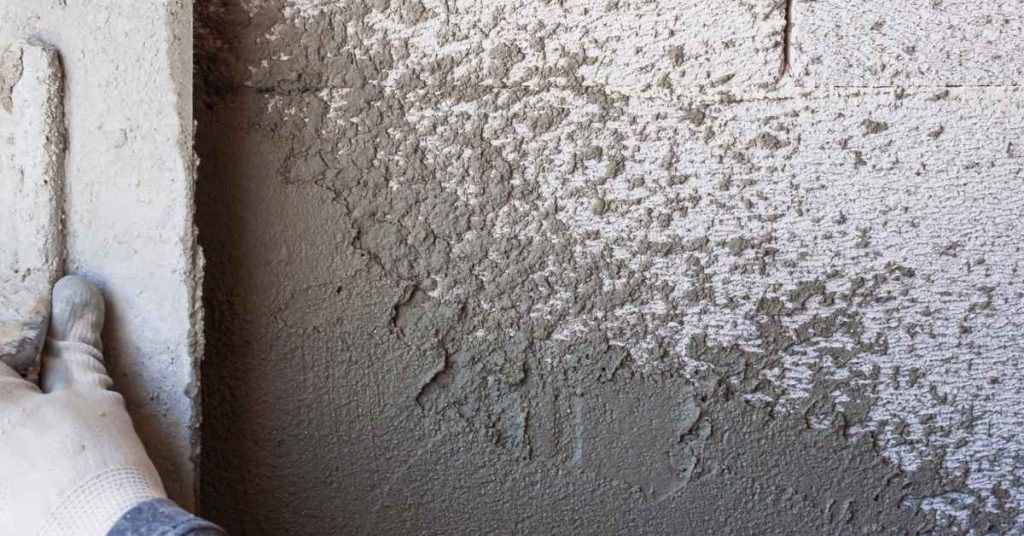
Worker applying stucco over concrete block wall near blue covered windows

Stucco Over Painted Concrete Block: Adhesion Tests and Prep That Prevents Delamination

Introduction Stucco over painted concrete block requires proper surface prep and adhesion testing to prevent delamination. We’ll walk through simple checks you can do with basic tools to judge if the old paint will hold and what to rough up or clean. This is a hands-on, DIY-friendly overview, not a full contractor guide. You’ll start

Stucco Over Painted Concrete Block: Adhesion Tests and Prep That Prevents Delamination Read More »

Close-up of light gray rough stucco texture

Stucco Texture Matching on Large Patches: How to Avoid ‘Panel’ Look in Sunlight

Introduction Texture matching on large stucco patches is about blending new material with the existing surface so it doesn’t read as separate panels when sunlight hits it. Work in manageable areas, keep the texture consistent, and feather the edges so the changeover isn’t obvious. If you see a mismatch, adjust trowel pressure, use a compatible

Stucco Texture Matching on Large Patches: How to Avoid ‘Panel’ Look in Sunlight Read More »

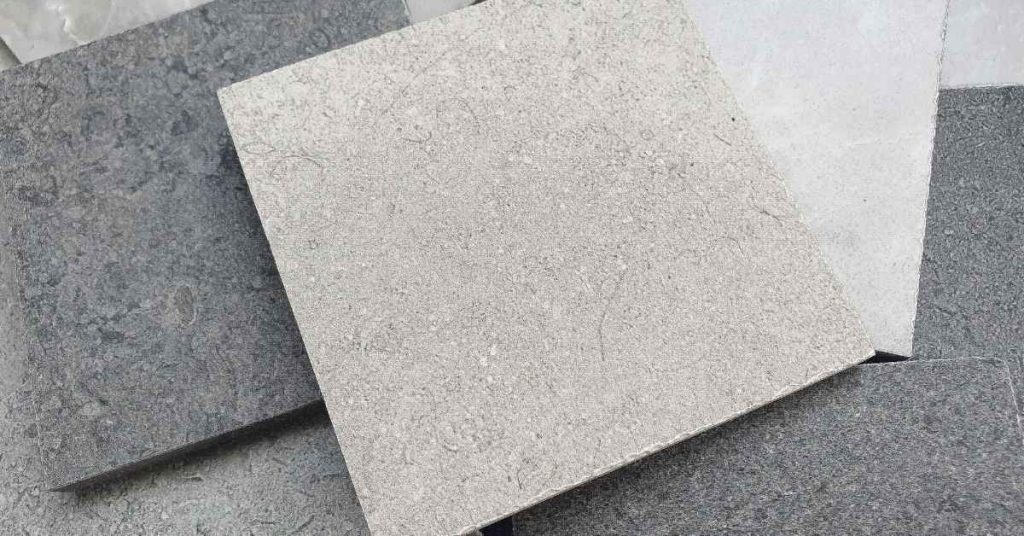
Close up of textured stone-like tiles in various gray shades

Form Liner Basics: Getting Consistent Texture and Avoiding Trapped Air Patterns

Introduction Form liner basics mean using flexible surface liners in concrete forms to shape texture and finish. They define the pattern you pull from the concrete and help control air pockets as the mix cures. We’ll cover how to choose liners, how they sit in the frame, and what to look for during setup. To

Form Liner Basics: Getting Consistent Texture and Avoiding Trapped Air Patterns Read More »

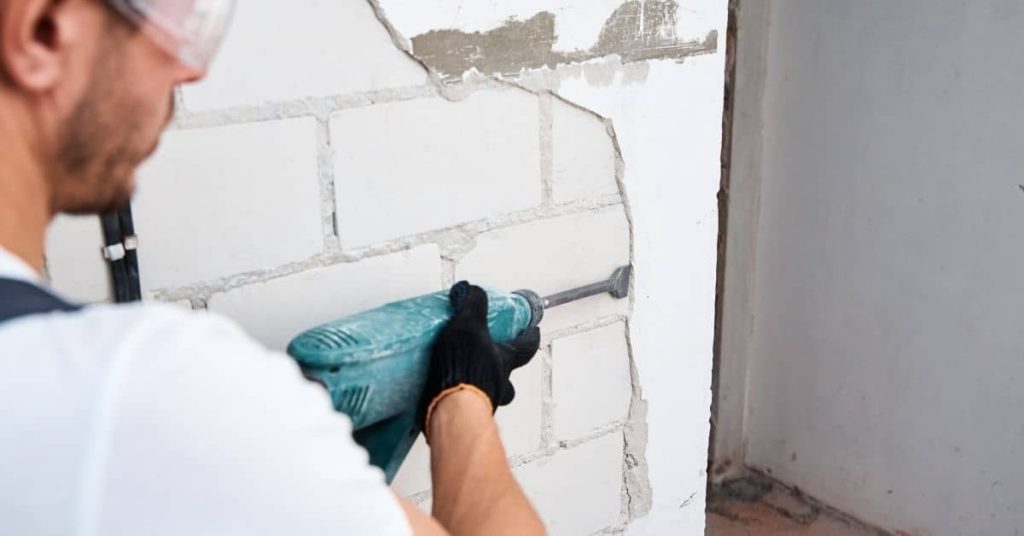
Worker using electric chisel removing stucco from wall

Stucco Bottom Edge Crumbling: Fixing wicking and keeping the base dry

Introduction Crumbling stucco at the bottom edge happens when moisture wicks into the base and weakens the coating. This article covers a practical DIY approach to stop the leak, remove damaged material, and start a proper patch. Check your local rules and product labels for compatibility and any safety steps. Start by cleaning the edge,

Stucco Bottom Edge Crumbling: Fixing wicking and keeping the base dry Read More »

Close-up of concrete screed tool smoothing wet concrete slab

Concrete Bonding Agents: When they help and when they make repairs weaker

Introduction Bonding agents are products that help new concrete stick to old surfaces. They improve adhesion when the surface is clean, sound, and properly prepared. If you skip cleaning or misapply them, they can weaken the repair. Before choosing a method, decide whether you should repair or replace based on damage and load. Focus on

Concrete Bonding Agents: When they help and when they make repairs weaker Read More »

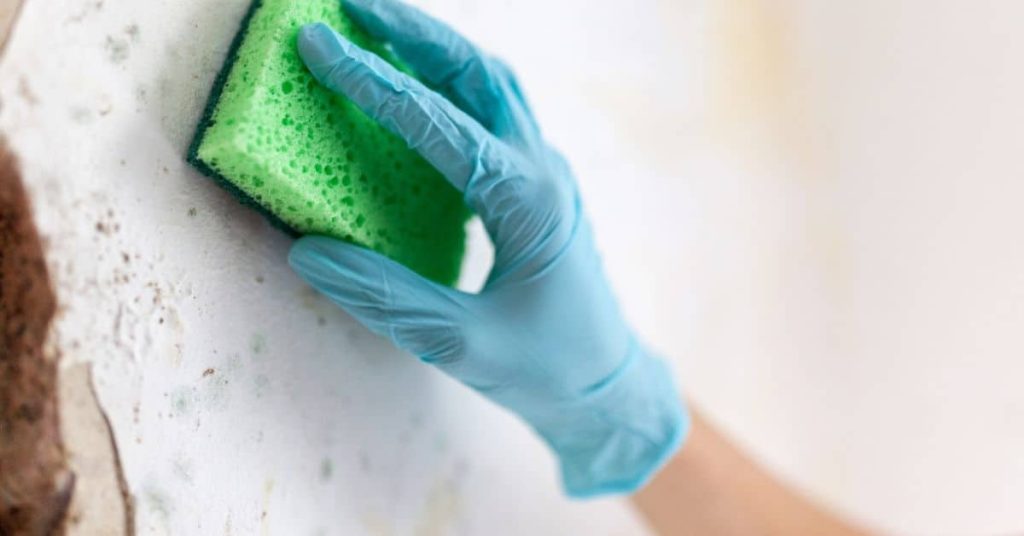
Gloved hand scrubbing white concrete wall with green sponge

Concrete Paint Prep: Cleaning, profiling, and drying for adhesion

Introduction Concrete paint prep is the process of cleaning the surface, creating a slight profile for the paint to grip, and ensuring it dries cleanly before coating. This hands-on approach helps adhesion and long-lasting results, not just a quick splash of color. Check the surface condition, the moisture level, and follow the paint label for

Concrete Paint Prep: Cleaning, profiling, and drying for adhesion Read More »