Search Results for: plaster keys

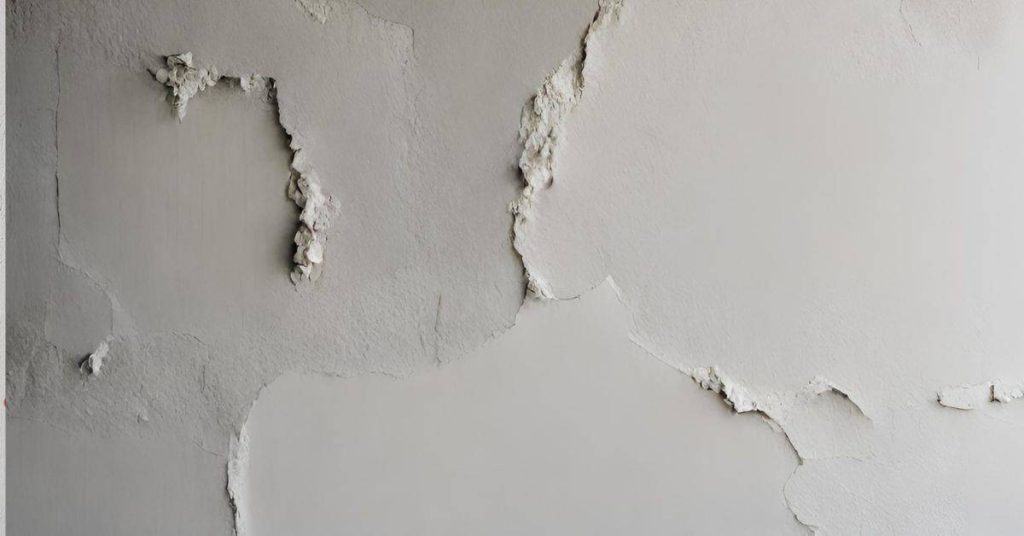
Close-up of textured white plaster wall surface

Making Clean Holes in Lath and Plaster Walls – Causes, Tests & Fixes

Introduction Clean holes in lath and plaster walls are openings that let you access the cavity without cracking surrounding plaster. The causes are old plaster loose, damaged lath, or hidden wiring that weakens the surface. This guide covers how to diagnose and prepare holes for a proper fix. Start by testing for hollows with gentle […]

Making Clean Holes in Lath and Plaster Walls – Causes, Tests & Fixes Read More »

Hand applying plaster to mesh-covered wall with putty knife

How to Repair a Bulging Plaster Wall (Flatten, Replace, or Re-Key?)

Introduction Bulging plaster walls are plaster that has pushed outward from the lath or studs. This article explains how to assess the damage, decide on a flatten, replace, or re-key approach, and stay practical on the job. You’ll learn how to inspect the condition, identify loose edges, and plan your repairs before you touch the

How to Repair a Bulging Plaster Wall (Flatten, Replace, or Re-Key?) Read More »

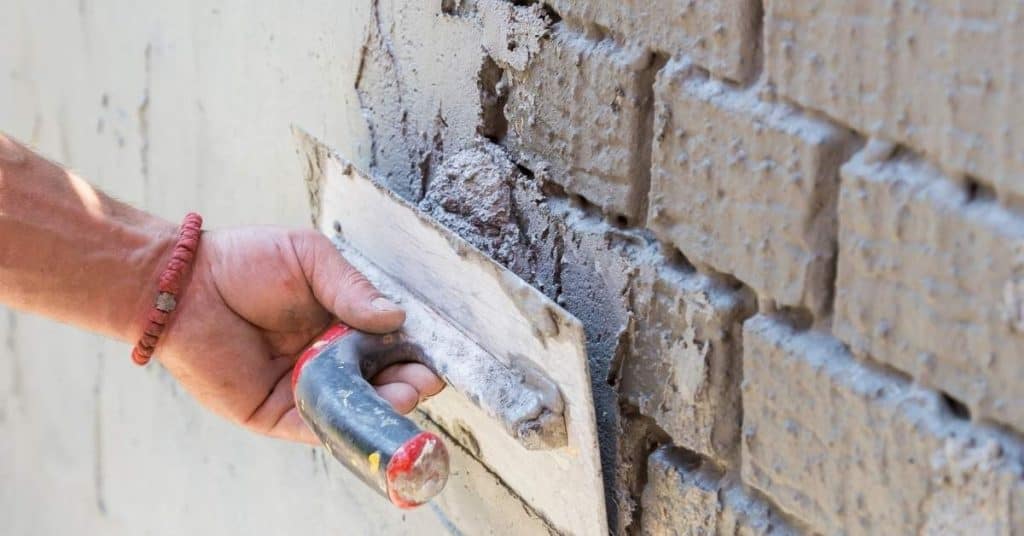
Hand applying plaster to rough brick wall with trowel

Lime Plaster Vs Gypsum Plaster: Compatibility Rules for Old Houses

Introduction Lime plaster and gypsum plaster are two plaster options for old houses, and their compatibility with the wall is a key difference. Lime plaster lets walls breathe and flex a bit, while gypsum plaster goes on smoother and dries faster. In simple terms, choose lime if you need moisture handling and wall compatibility; choose

Lime Plaster Vs Gypsum Plaster: Compatibility Rules for Old Houses Read More »

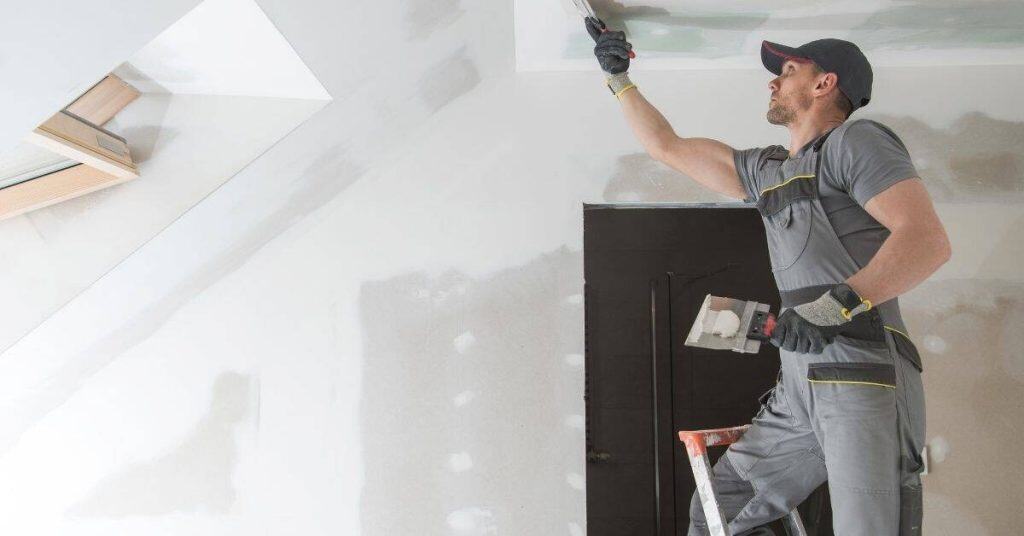
Worker applying plaster patch on ceiling using putty knife

Fixing Nail Pops in Plaster: Why They’re Different from Drywall and How to Lock Them Down

Introduction Nail pops in plaster are protruding fasteners that back out and push the plaster away from the wall surface. They’re different from drywall because plaster walls are typically thinner and thicker, with a different substrate and bond. In plain terms, you’re dealing with a plaster shell that’s moved and needs to be re-secured and

Fixing Nail Pops in Plaster: Why They’re Different from Drywall and How to Lock Them Down Read More »

Worker smoothing plaster wall wearing blue overalls and helmet

Skim Coating over Painted Plaster: How to Test Adhesion Before Committing

Introduction Skim coating over painted plaster requires testing adhesion first to know if the surface will hold the skim. Start by making sure the painted layer is sound, clean, and free of wax, flaking paint, or dust, and plan any necessary surface preparation before you proceed. This quick check helps you decide whether to go

Skim Coating over Painted Plaster: How to Test Adhesion Before Committing Read More »

Repairing Plaster over Brick: Bonding Agents and Scratch Coat Technique

Repairing Plaster over Brick: Bonding Agents and Scratch Coat Technique

Introduction Repairing plaster over brick requires using a compatible bonding agent and a properly applied scratch coat to create a durable, crack-free finish. You’ll learn how to choose the right bonding agent, prepare the brick surface, and mix and apply the scratch coat with the right thickness and texture. The article also shares practical tips

Repairing Plaster over Brick: Bonding Agents and Scratch Coat Technique Read More »

Patching Around Electrical Boxes in Plaster: Rebuilding the Edge So Plates Sit Tight

Patching Around Electrical Boxes in Plaster: Rebuilding the Edge So Plates Sit Tight

Introduction Patch around electrical boxes in plaster by rebuilding the plaster edge so the cover plates sit tight and flush. The guide walks you through assessing gaps, choosing patch materials, reproducing original edge profiles, and finishing for a seamless, code-compliant result. You’ll learn practical steps, common pitfalls, and best practices to ensure a solid, professional-looking

Patching Around Electrical Boxes in Plaster: Rebuilding the Edge So Plates Sit Tight Read More »

Repairing Deep Plaster Holes: Backing Methods That Won’t Telegraph Through Paint

Repairing Deep Plaster Holes: Backing Methods That Won’t Telegraph Through Paint

Introduction Use proper backing and feathering to repair deep plaster holes so they won’t telegraph through paint. You’ll learn which backing methods work best for different hole sizes, and how to apply patches in a way that stays smooth and durable. The guide walks through assessing the hole, choosing the right approach, and building up

Repairing Deep Plaster Holes: Backing Methods That Won’t Telegraph Through Paint Read More »