
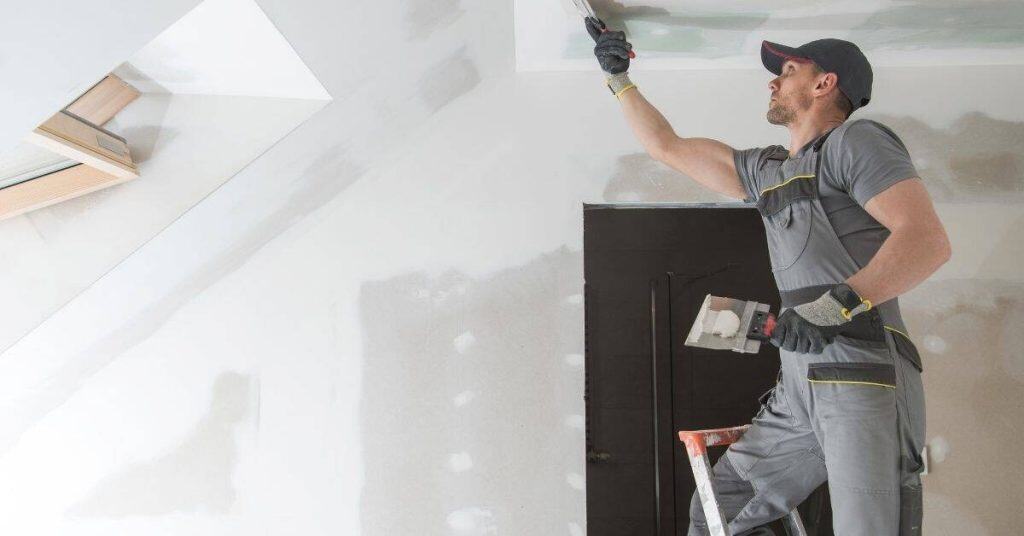
Introduction
Nail pops in plaster are protruding fasteners that back out and push the plaster away from the wall surface.
They’re different from drywall because plaster walls are typically thinner and thicker, with a different substrate and bond. In plain terms, you’re dealing with a plaster shell that’s moved and needs to be re-secured and leveled. You’ll want to inspect the area to understand why it popped and how the plaster is holding up.
To lock them down, remove any loose material and re-secure the plaster with appropriate fasteners and a compatible setting compound or patching mix. After applying a thin, even layer, smooth it flush with the surrounding surface and allow it to cure according to the product label and local rules. Check manufacturer instructions for compatible patch materials and drying times, and adjust your approach if you’re patching over old plaster, lath, or different substrates.
Key takeaways
- Before repairs, confirm plaster substrate, lath condition, and popping nail extent.
- Remove loose plaster carefully and anchor with appropriate mechanical fixings for plaster.
- Use setting-type joint compound and mesh for larger delaminated areas, not quick patches.
- Maintain ventilation and humidity during cure; avoid over-wetting plaster repair areas.
- For recurrent pops, investigate structural movement, plumbing, or condensation sources first.
- Hire a pro if delamination spans studs or multiple zones; select licensed, insured tradesperson.
Table of Contents
- Introduction
- Key takeaways
- What a Nail Pop Is and How It Presents in Plaster Vs. Drywall
- Why Plaster Behaves Differently: Materials and Construction Factors
- Diagnosing the Root Cause Before Repair
- Tools and Materials Checklist for a Durable Plaster Nail-Pop Repair
- Step-by-Step Repairs for Isolated Nail Pops in Plaster
- Approaches for Larger or Recurring Nail Pops and Delamination
- Preventing Future Nail Pops: Humidity, Movement, and Maintenance Tips
- When to Hire a Professional and How to Choose One
- Conclusion
- FAQ
What a Nail Pop Is and How It Presents in Plaster Vs. Drywall
A nail pop is a visible bump caused by a fastener pushing through the plaster or drywall finish. The effect may show as a small crown or a raised dimple on the surface. In plaster, movement often reveals itself with subtle cracking and a firmer feel under the finger.
With drywall, you might see a smoother bump that creases the finish more readily. Visual cues include cracking along joints or around the pop and a tactile catch when you press the area. Look for patterns near outlets, lights, or high-stress zones where movement is common.
Visual characteristics in plaster
Plaster nail pops often show subtle signs. Look for:
Hairline cracks around the popped nail, usually less than a millimeter wide.
Delamination, where the plaster starts to peel away from the wall, often near the ceiling or baseboard.
Rust stains on the surface, indicating moisture has seeped in through the nail hole. Unlike drywall, these pops can occur away from studs, due to the unique behavior of lath and plaster construction.
Visual characteristics in drywall
Drywall nail pops are more obvious. You’ll see:
Nails or screws backing out, often with a small divot where the head has pulled through.
Paint cracking around the popped nail, usually in a starburst pattern.
Alignment along studs or seams. Drywall pops typically occur where nails or screws were driven into these structural elements. Unlike plaster, drywall doesn’t shift as much on its own.
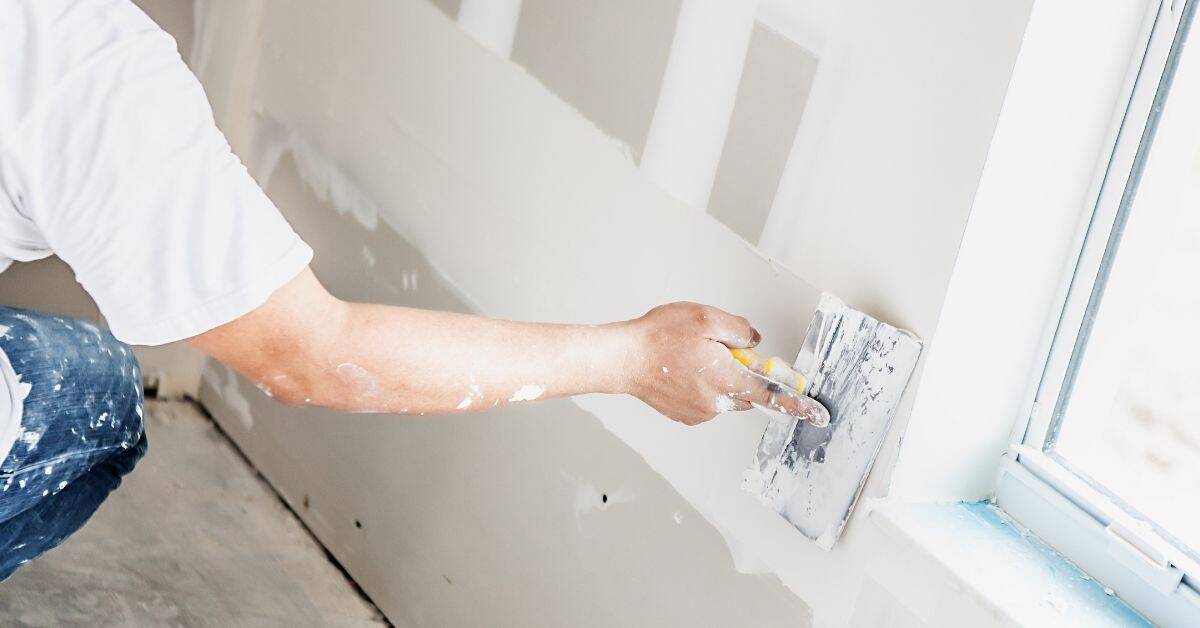
Why Plaster Behaves Differently: Materials and Construction Factors
Traditional plaster sits on a backing of wood lath or metal mesh, bonded with multiple coats. Each layer contributes to a dense, less forgiving surface. Moisture and age can change how the plaster and lath grip the fasteners.
Bonding methods matter, too, since older systems may rely on lime or gypsum mixes that respond to humidity differently. Substrate movement, such as settlement or framing shifts, can loosen fasteners over time. Check label or manufacturer instructions if you’re unsure about compatibility with existing plaster.
Lath, Keys, and Bonding Failure
Plaster is applied over a base of lath – thin strips of wood. It forms ‘keys’ around these lath, locking the plaster in place.
Over time, these keys can fail due to age, moisture, or substrate movement. When that happens, the plaster starts to detach locally, allowing nails to pop.
The key’s failure is often gradual, making it hard to predict when a nail might pop. But once it does, you’ll see small cracks around the nail head.
Fastener Types Historically Used and Their Failure Modes
In older homes, cut nails or wire nails were commonly used. These are thin, with sharp edges that can corrode over time.
Cut nails have a square shank that doesn’t grip the lath well. They can loosen and allow movement, leading to nail pops.
Wire nails, while stronger, can also corrode and lose their holding power due to age and moisture. Their thinness makes them prone to bending under stress.
Modern screws are designed to resist these issues but may still fail if the lath or plaster is in poor condition.
Diagnosing the Root Cause Before Repair
Begin with a quick assessment to determine if the issue is isolated or part of a bigger problem. Look for fresh cracks expanding from the nail pop and signs of moisture nearby. Note any surrounding areas with similar movement.
Consider whether the underlying cause is trapped moisture, structural movement, or loose lath. Decide if the problem is within your skill set or if you should call a pro for a deeper evaluation. When in doubt, verify requirements with product data sheets or local building guidance.
Simple tests and visual checkpoints
Before you start fixing, use this quick checklist to understand the issue better.
- Tapping: Gently tap nail pops. A hollow sound indicates a void behind the plaster.
- Gap measurement: Check if gaps change size when you push or pull on the plaster. If they do, it’s likely due to loose lath.
- Rust stains: Look for rust around nail heads. This could indicate moisture trapped behind the plaster.
- Water stains: Check for discoloration or dampness, which might suggest a leak.
- Crack pattern: Notice if cracks are random or follow a pattern (like walls or ceiling).
- Nail head position: If nails are sticking out, it’s likely due to bonding failure.
- Moisture meter: Use one to confirm moisture content in the plaster and lath.
- Structural movement: Check if walls or ceiling are bowed, cracked, or misaligned.
Quick rule: If you’re unsure about any findings, it’s better to call a pro before proceeding.
When the problem is symptomatic of larger issues
Sometimes, nail pops are signs of bigger problems. Here’s what to look out for:
Roof leaks: Water from above can cause trapped moisture and nail pops.
If you notice widespread delamination (plaster peeling off in large areas), it could be due to structural movement or framing issues.
Widespread cracks: If cracks are appearing all over the walls or ceiling, it might indicate a foundation problem or other structural issue that needs professional attention.
Tools and Materials Checklist for a Durable Plaster Nail-Pop Repair
Prepare basic tools like a utility knife, putty knives, and a hammer. You’ll need fasteners, washers, and an appropriate patch material. Epoxy or plaster adhesive can help secure the fastener backing.
Gather lath nails or screws with compatible washers, plaster veneer or patching compound, and sandpaper. Have a damp cloth and a small mixing cup ready for repairs. If you’re unsure about exact product specs, check the label or instructions before purchase.
Fastener and anchoring options for plaster
Before you start, ensure your fasteners are suitable for the job. Here’s a checklist to help.
- Long screws into studs: Ideal when nails have popped through plasterboard. Drill pilot holes first to prevent cracking.
- Ring-shank nails: Great for new installations or reinforcing existing nails. They grip the lath better than common nails.
- Plasterboard screws with washers: Useful when extra holding power is needed. Washers distribute pressure, preventing plaster from cracking around screw heads.
- Adhesive anchoring: Consider using construction adhesive for added hold and to fill gaps between laths or studs.
Quick rule: Always match your fasteners to the job. Don’t skimp on length or quality.
Repair compounds and bonding agents
Choosing the right repair compounds and bonding agents is key to a durable fix. Here’s what to consider:
- Plaster of Paris: Quick-setting, easy to apply. Ideal for small repairs but can shrink over time.
- Gypsum-based patching compounds: Match the existing plaster for best results. Use a bonding primer first for better adhesion.
- Epoxies: Strong and durable, they’re great for reinforcing large repairs or fixing severe damage. Test compatibility before use.
Quick rule: Always test compounds on a small area first to ensure compatibility with your existing plaster.

Step-by-Step Repairs for Isolated Nail Pops in Plaster
Secure the surrounding plaster to prevent further movement by working gently around the pop. If the lath is loose, reattach it with appropriate fasteners and backing. Avoid applying excessive force that could crack more material.
Fill the repaired area with patch material, smooth, and let it cure according to the product instructions. Sand lightly, then apply finish coat and paint to match the surrounding surface. Be patient and allow proper curing time before testing for movement again.
Step-by-Step Repair Process
This section guides you through a clear, numbered sequence of practical steps to repair isolated nail pops in plaster.
- Inspect the area. Ensure it’s safe and there are no underlying structural issues. If unsure, consult a pro.
- Gather tools: hammer, claw bar, screwdriver, drill, screws, washers, plaster patch, sandpaper, primer, paint.
- Remove any loose plaster using a claw bar. Be careful not to damage surrounding areas.
- Secure the loose plaster to the lath or studs using screws and washers. Drill pilot holes first to prevent cracking.
- Apply plaster patch, following package instructions for mixing and application. Let it cure according to manufacturer’s guidelines before proceeding.
- Sand the repaired area smooth, using progressively finer grit sandpaper. Be patient; rushing can cause damage.
- Prime the repaired area with a suitable primer to seal it and prepare it for painting.
- Paint the repaired area to match the surrounding wall color. Allow adequate drying time between coats.
Securing loose plaster to lath or studs
Before filling, it’s crucial to secure any loose plaster to the underlying structure. This prevents further damage and ensures a strong repair.
Use long screws (at least 2 inches longer than the plaster thickness) with washers for better grip. Drill pilot holes first to prevent cracking. If the plaster is severely damaged, consider using an adhesive like PL Premium to rekey it to the lath or studs.
Note: If the plaster is too loose or damaged, it might be best to remove and replace it entirely. Consult a pro if you’re unsure.
Filling, feathering, and finishing to hide the repair
After securing the loose plaster, it’s time to fill the void and blend the repair into the surrounding wall. Use a high-quality, lightweight spackling compound for best results.
Apply the compound with a putty knife, using a ‘feathering’ technique to blend the edges of the patch into the surrounding wall. This helps prevent visible seams after painting.
Let the compound dry according to manufacturer’s guidelines, then sand it smooth. Wipe away any dust with a damp cloth before priming and painting. Use a primer that’s suitable for new plaster repairs to ensure proper adhesion and prevent future cracking or peeling.
Approaches for Larger or Recurring Nail Pops and Delamination
For areas with multiple pops, consider patch-and-screed or a plaster veneer overlay to create a stable surface. Delaminated sections may require selective replastering or selective removal and reattachment of the plaster.
Each approach has trade-offs in labor and finish quality. Review options, including the need for additional lath backing or moisture control, before proceeding. Reference manufacturer guidance or local codes for any special requirements.
Applying a plaster veneer or skim coat
A thin plaster veneer, also known as a skim coat, can be an effective solution for larger areas with multiple nail pops. It’s like giving your wall a fresh face.
This approach is ideal when the underlying structure is sound but has several popped nails. It’s less invasive than full replastering and cheaper too.
Surface prep is crucial. Scrape off loose material, sand lightly, and clean the area. Prime to seal it before applying the new coat.
Labor-wise, expect a day or two for prep work and application, plus drying time. The finish will be smooth but may not match the existing texture perfectly.
Refastening or replacing lath versus full replastering
When nail pops recur or delamination is partial, you might need to refasten or replace the lath. This could be cheaper and less disruptive than full replastering.
If nails are loose but the lath is solid, refastening might do the trick. Drill pilot holes, use longer screws, and apply construction adhesive for extra hold.
If lath is damaged or missing, replace it. It’s more work but necessary for a lasting fix.
Full replastering should be considered when damage is extensive or recurring. It’s the most thorough solution but also the most disruptive and costly.
Preventing Future Nail Pops: Humidity, Movement, and Maintenance Tips
Maintain stable humidity levels to reduce plaster stress during seasonal changes. Control sources of moisture that can soften plaster or corrode fasteners. Regularly inspect problem areas for early signs of movement.
Upgrade fasteners where appropriate and ensure proper backing to resist future movement. Address structural issues or framing shifts promptly to protect the plaster layer. When unsure about a fix, verify with product instructions or local guidelines.
Environmental controls and routine inspection
Regularly check your plaster walls to prevent nail pops. Here’s a simple checklist:
- Maintain humidity: Keep indoor humidity between 40-50%. Too much or too little causes movement.
- Ventilate properly: Adequate airflow prevents moisture buildup. Use exhaust fans and open windows.
- Inspect corners: Cracks at corners often indicate structural issues.
- Check for delamination: Peeling or flaking plaster needs immediate attention.
- Feel for warmth: A warm wall could signal a moisture problem behind it.
- Look for mold: Mold growth indicates excess moisture, which can cause nail pops.
- Monitor temperature changes: Large swings can cause plaster to expand and contract.
- Regularly inspect after repairs: Ensure previous fixes haven’t popped again.
Quick rule: Inspect your walls at least once a season to catch any early signs of failure.
Long-term strategies: retrofit options and when to upgrade to drywall
If you’re experiencing frequent nail pops, consider these long-term solutions:
Install resilient channel: This adds a layer of flexibility between the plaster and studs, reducing movement. It’s ideal for homes with minor structural issues.
Add a new layer of drywall: If your plaster is in poor condition or you’re experiencing severe nail pops, adding a layer of drywall on top can provide better protection. This works best when the existing plaster is still solid and well-adhered.
Preserve plaster with modern fixes: If you want to keep your original plaster but reduce nail pops, consider using modern fasteners and anchoring options as discussed earlier in this guide. This is suitable for homes with minor movement issues.
When to upgrade to drywall: If your home has significant structural issues or the plaster is severely damaged, it might be time to replace it with drywall. This provides better protection against nail pops but requires a full replastering job.
When to Hire a Professional and How to Choose One
Consider a professional if you see extensive delamination, signs of structural movement, or historic surfaces that require careful restoration. Complex patching or veneer work benefits from experienced hands. Check for licensure or callback history with past clients.
Ask candidates about their process, turnaround expectations, and whether they will address moisture and substrate concerns. Compare references, warranty terms, and ensure they follow local restoration guidelines. For any claim, verify details against the contractor’s written plan or manufacturer instructions.
Questions to ask and estimates to request
When hiring a professional, it’s crucial to ask the right questions. This helps you understand their approach, timeline, and costs.
Methods: Ask about their process. Will they be repairing or replacing? What materials will they use?
Materials: Inquire about the quality of materials they’ll use. Cheap materials might save them money but cost you in the long run.
Timeline: Find out how long the job will take. This can help you plan around their work.
Warranty: Ask about warranties on labor and materials. A good contractor should stand behind their work.
Examples of similar work: Request to see photos or visit sites where they’ve done similar work. This can give you a sense of their quality and style.
Preserving historic plaster vs. cost-effective modern replacements
Historic homes often have original plaster that adds to their charm. But preserving it can be costly and time-consuming.
Historic integrity: If your home is listed on a historic registry, you may need special permission to replace plaster. Preserving the original can maintain its historic value.
However, old plaster can be fragile and prone to damage. Replacing it with modern materials might be more durable and cost-effective in the long run.
Budget: Modern replacements often come at a lower upfront cost. But remember, cheaper isn’t always better. Consider the long-term costs of maintenance and repairs.
Speed: Replacing plaster can be faster than repairing it. If time is a factor, replacement might be the way to go.
Regulations: Check local regulations before you decide. Some areas have rules about preserving historic features.
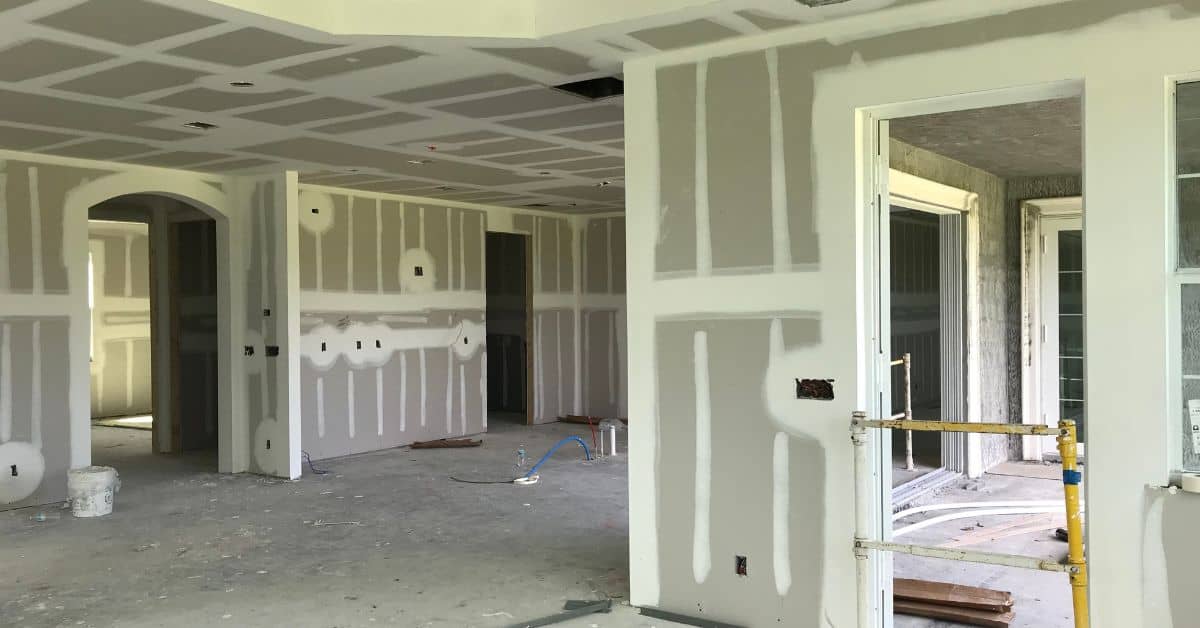
Conclusion
Fixing nail pops in plaster is doable, but the key is to finish cleanly so the repair lasts and looks right. Focus on diagnosing the root cause, using the right materials, and protecting the surrounding plaster from further damage.
Start by checking that you have the right sequence: test a small area, remove loose material, re-anchor with a proper patch or fastener, fill, smooth, and repaint. Work in the order you diagnosed: address movement, humidity, and any delamination, then recheck after a cure time. Safety first, then proceed in calm, measured steps.
Common mistakes to avoid include rushing repairs without confirming the underlying movement or moisture issue, overloading the patch with filler or skim coat, and skipping the test in a small area to see how the plaster reacts. Use clean tools, work within the plaster’s limits, and always ventilate the space when sanding or applying compounds. If the crack patterns or delamination are widespread, or if you’re unsure about the moisture drivers, call a professional rather than pushing ahead alone.
When to hire a professional? If the nail pops recur after a repair or if you’re seeing widespread plaster failure, delamination, or structural movement, get a qualified tradesperson to assess. With careful planning and these checks, you can lock down nail pops and preserve a durable, solid finish—keeping humidity and movement in mind and staying practical about the repairs you choose to tackle.
FAQ
How can I tell if a nail pop is caused by movement or by moisture?
If the pop appears after humidity spikes or a wet season, moisture is likely a factor. Look for staining, soft spots, or new pops near windows or plumbing leaks. Check the surface for hollow sounds when you press gently around the area.
What signs tell me a nail pop needs more than a patch job?
Cracking that runs beyond the patch, recurring pops in the same spot, or loose plaster under the patch means you may have underlying movement or delamination. If you see screws or nails backing out again after repairing, that’s a red flag. In those cases, address the root cause before patching.
What are practical steps to prevent nail pops when I repair plaster?
Use corrosion-resistant fasteners and drive them into solid backing or studs. Don’t over-tighten fasteners; snug is enough to hold without tearing the plaster. Refinish with appropriate plaster or joint material and seal joints to limit future moisture intrusion.
Are there safety tips I should follow when working on plaster and dust?
Wear a mask and eye protection when cutting or scraping plaster. Work in a well-ventilated area and clean up dust promptly to prevent it from spreading. If you’re unsure about sections with heavy cracking or possible structural issues, check label instructions or local guidelines before proceeding.