Search Results for: mortar color

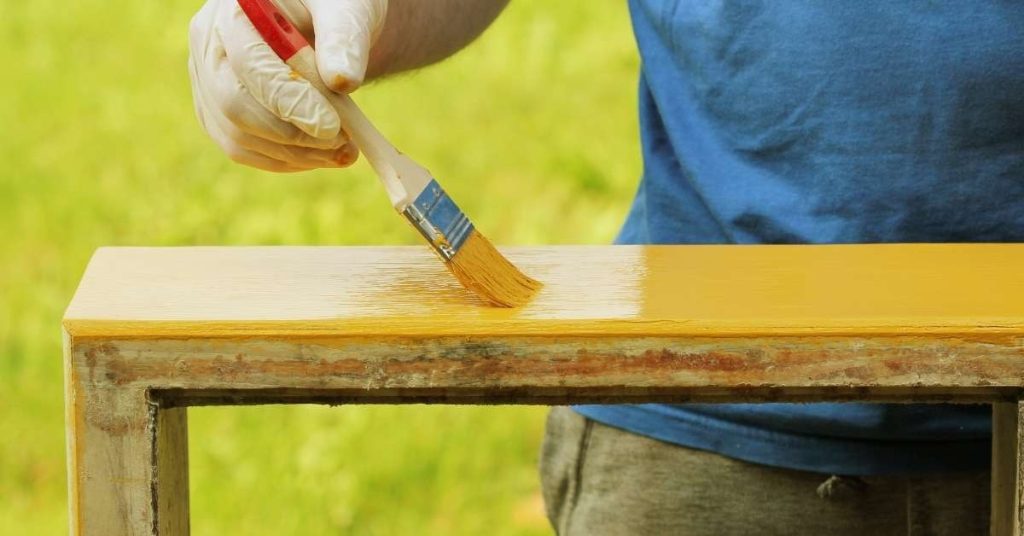
Person painting wooden frame with yellow paint brush

Painting Masonry Indoors: Managing Moisture Drive and Picking a Mineral Coating

Introduction Painting masonry indoors is about selecting a mineral coating and managing moisture to prevent staining and failure. Understanding moisture drive helps you spot efflorescence (mineral deposits) and mold so you treat the wall correctly. This article gives a hands-on, plain-English guide for safely assessing walls, cleaning where needed, and choosing a coating that resists […]

Painting Masonry Indoors: Managing Moisture Drive and Picking a Mineral Coating Read More »
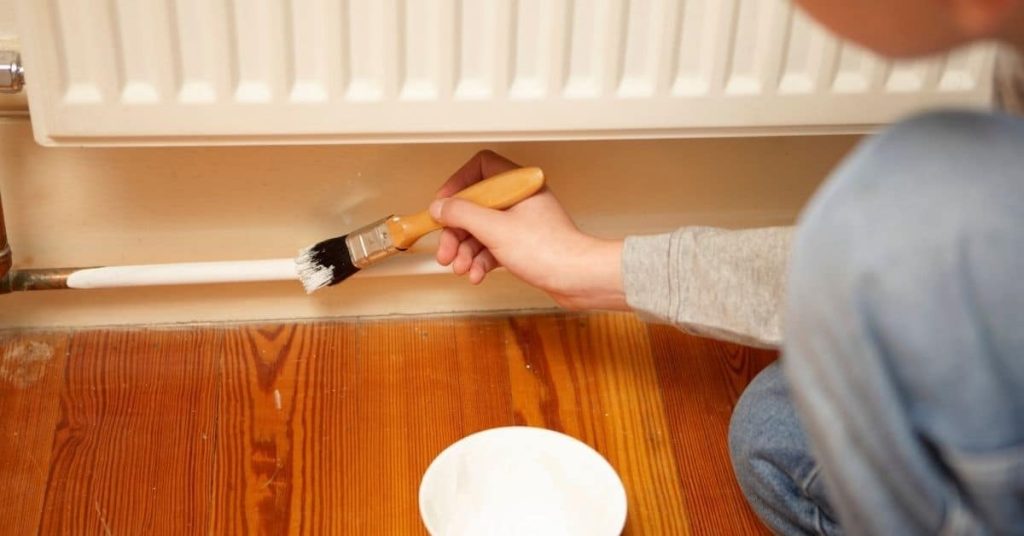
Person painting a metal pipe white near wooden floor and radiator

Painting Over Chalky Fiber Cement: Cleaning Thresholds and Primer Choices

Introduction Painting over chalky fiber cement means you must remove, neutralize, and prime a rough, powdery surface before any paint sticks. Rinse and scrub the surface to remove chalk, dust, and debris. Choose a primer that keys to the chalky layer and a weatherproof topcoat, and follow label directions. Watch for signs like flaking, chalking,

Painting Over Chalky Fiber Cement: Cleaning Thresholds and Primer Choices Read More »

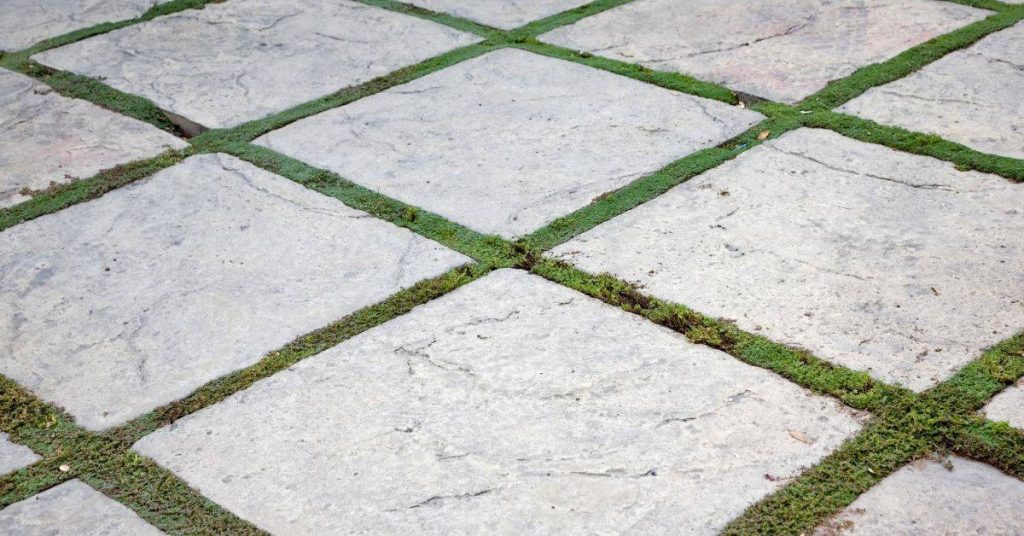
Gray square stone pavers with green moss-filled joints

How to Hide Control Joints Visually: Layout Tricks That Look Intentional

Introduction Control joints are planned gaps in concrete that you hide with layout tricks to look intentional. This article covers simple, hands-on steps you can follow on your own slab without fancy equipment. Think lines, patterns, and edges that camouflage joints while staying within manufacturer instructions and local rules. Start by choosing a location that

How to Hide Control Joints Visually: Layout Tricks That Look Intentional Read More »

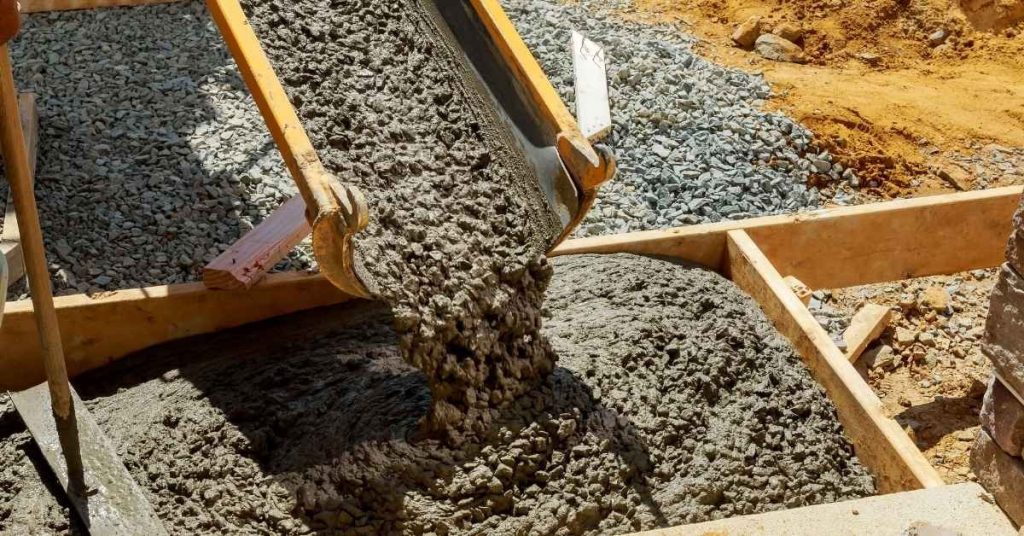
Concrete pouring into wooden formwork on construction site

How to Repair a Failed Joint Sealant Bead: Cutback, Primer, and Reseal Steps

Introduction A failed joint sealant bead needs to be cut back, primed, and resealed. This article walks you through the cutback, primer, and reseal steps so you can fix it yourself. You’ll assess the joint, remove old material, and prep the surface for a new bead. Carefully trim back the old sealant according to what

How to Repair a Failed Joint Sealant Bead: Cutback, Primer, and Reseal Steps Read More »

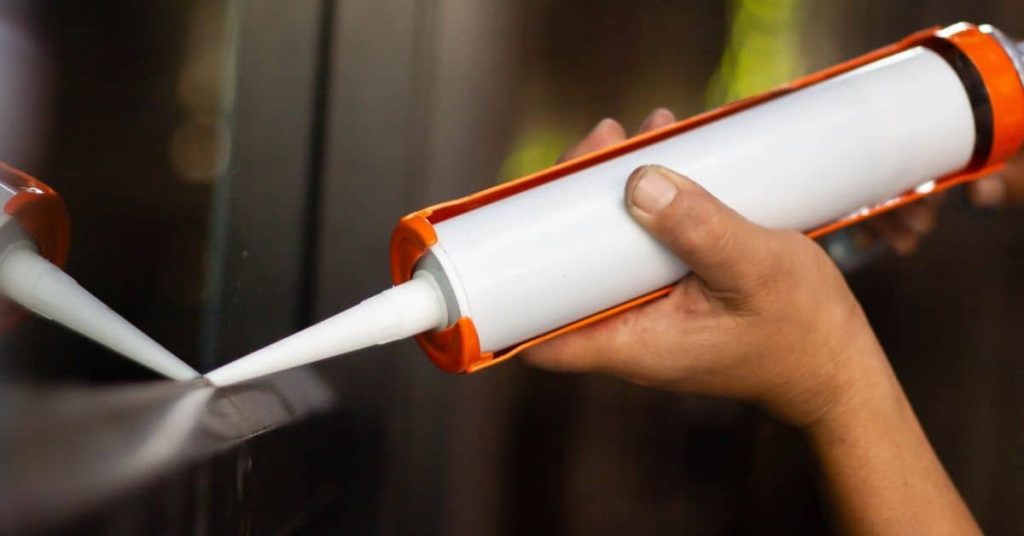
Hand applying white caulk from a caulking gun onto a surface

How to Seal Form Joints to Stop ‘Fins’: Tape vs Caulk vs Foam Strategies

Introduction Sealing form joints means choosing a method to close gaps in the formwork so fins don’t form. Tape, caulk, and foam are common options, each with its own pros and limits. Look at the product label and the concrete conditions to decide what to use. Tape works best for clean, straight joints, caulk fills

How to Seal Form Joints to Stop ‘Fins’: Tape vs Caulk vs Foam Strategies Read More »

Pouring dry concrete mix into a bucket

Concrete Mixing in 5-Gallon Buckets: Repeatable Ratios for Small Projects

Introduction Concrete mixing in 5-gallon buckets is the practice of combining cement, aggregate, and water in small, repeatable ratios for quick, local work. This guide keeps things hands-on, using simple steps you can follow without heavy gear. You’ll see practical references to patterns like Ashlar Notched Slate and American Flagstone as familiar ends for small

Concrete Mixing in 5-Gallon Buckets: Repeatable Ratios for Small Projects Read More »

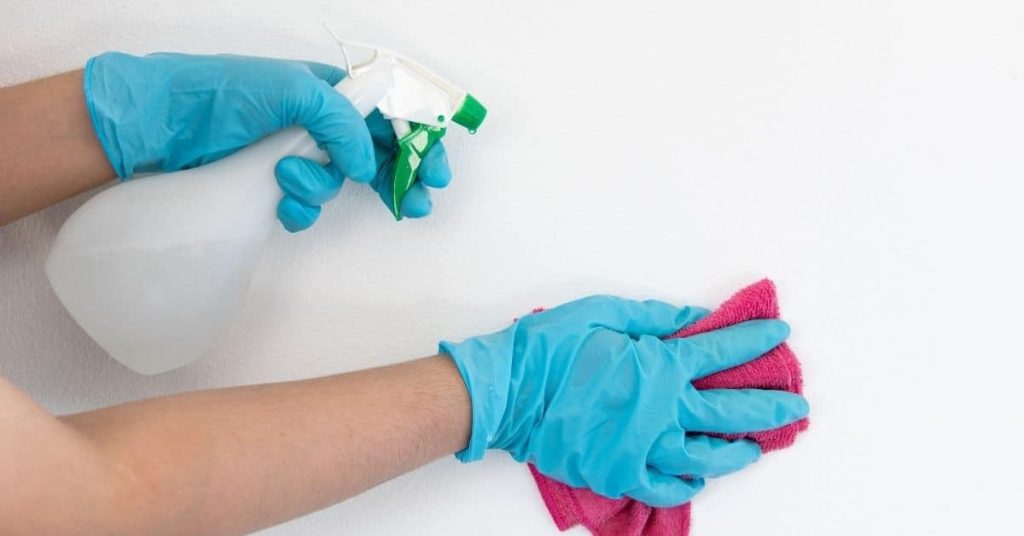
Hands in blue gloves spraying and wiping white wall with cloth

How to Remove Ice Melt Residue Before Resealing: Cleaning Without Etching

Introduction Removing ice melt residue after sealing is cleaning concrete surfaces without etching the finish. Use a non-acid cleaner and plenty of clean water, and work from the edges toward the center to avoid spreading residue. Test a small area first and scrub gently with a soft brush, then rinse well. Look for signs of

How to Remove Ice Melt Residue Before Resealing: Cleaning Without Etching Read More »

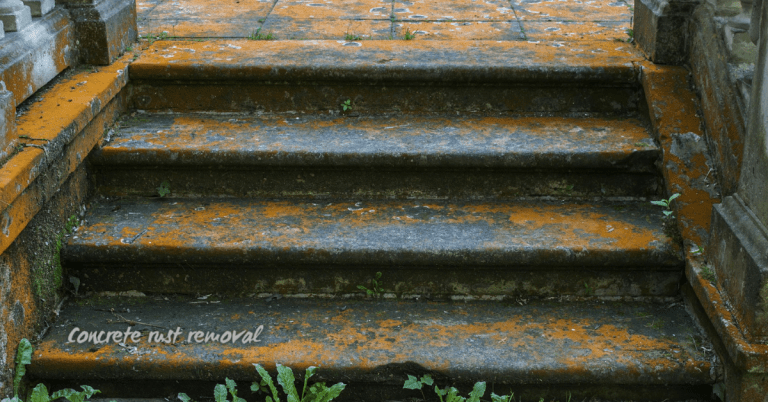
Concrete steps with orange rust stains and some plants growing

DIY Salt Damage Prevention for Steps: Pre-Winter Sealer Checks and Drainage Tweaks

Introduction Salt damage prevention for steps means preparing concrete stairs to resist freeze-thaw and salt exposure before winter. This involves inspecting surfaces, cleaning debris, and checking the edge seals so water and salt don’t penetrate. Keep an eye on cracks or chips and plan resealing if you spot trouble. Before the cold sets in, look

DIY Salt Damage Prevention for Steps: Pre-Winter Sealer Checks and Drainage Tweaks Read More »

Close-up of old concrete surface with small holes and discoloration

Anchoring into Old Concrete: When the Surface Lies and How to Test Strength

Introduction Old concrete can be unreliable for anchors because the surface may lie about overall strength. The outer layer can look solid even when cores are weak. That means you need a simple test to verify what you’re drilling into. Start by listening for a hollow sound and looking for flaking, spalling, or cracks near

Anchoring into Old Concrete: When the Surface Lies and How to Test Strength Read More »

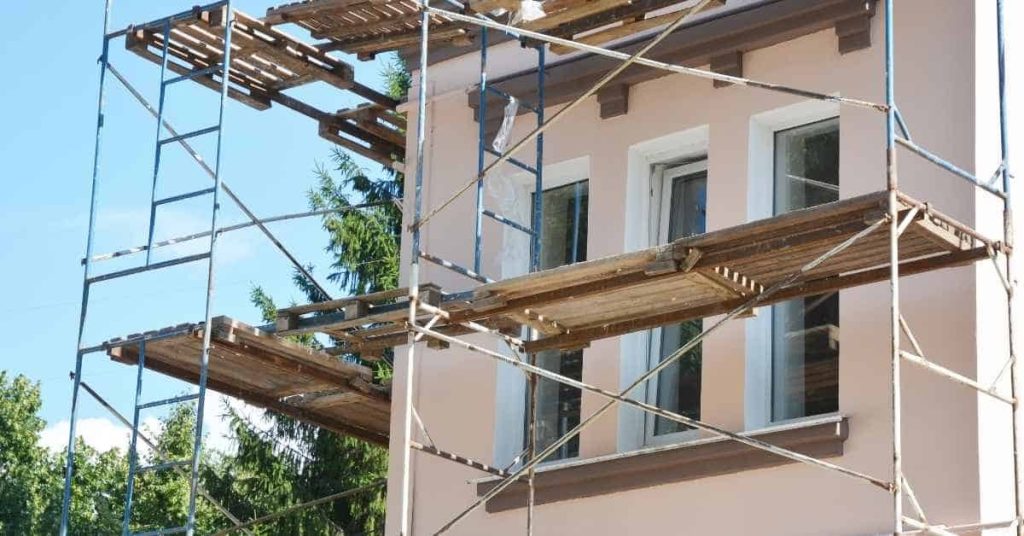
Metal scaffolding around exterior stucco wall

Stucco Fasteners That Rust: Choosing Corrosion-Resistant Options for Accessories

Introduction Corrosion-resistant fasteners for stucco are screws and anchors designed to resist rust and deterioration in exterior plaster assemblies. Choosing these options helps prevent staining and premature failure on outdoor walls. Always follow manufacturer instructions and local rules when selecting materials. For durability, compare stainless steel and coated steel fasteners and read the product labels

Stucco Fasteners That Rust: Choosing Corrosion-Resistant Options for Accessories Read More »