Search Results for: mortar color

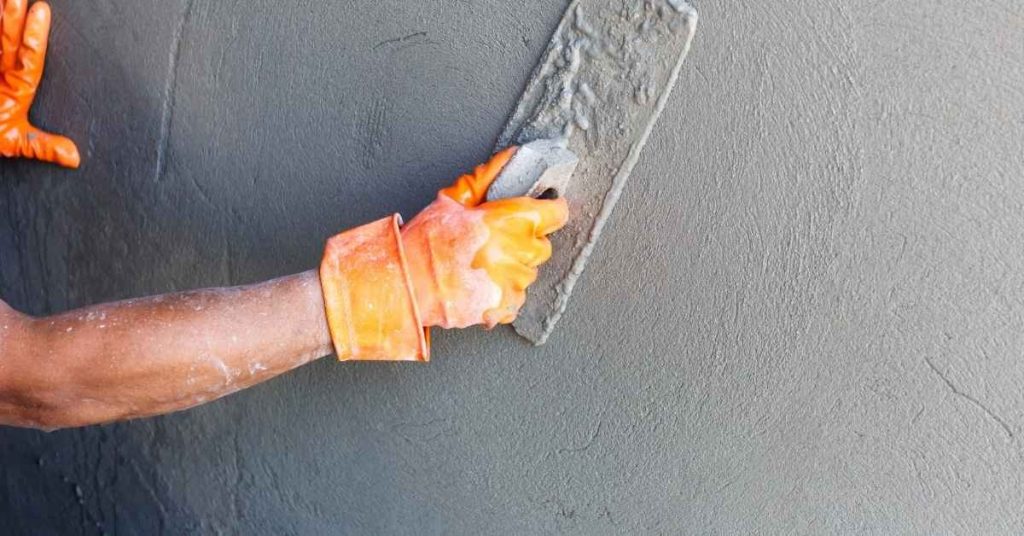
Hand wearing orange gloves smoothing gray stucco with trowel

Stucco Expansion Joints at Additions: Detailing Differential Movement Without Water Traps

Introduction Expansion joints in stucco at additions accommodate differential movement between the new addition and the existing structure while avoiding water traps. Plan for joints at the connection and detail how the joint will be filled and flashed without creating water traps. This article keeps the language plain and focuses on practical steps you can […]
Stucco Expansion Joints at Additions: Detailing Differential Movement Without Water Traps Read More »

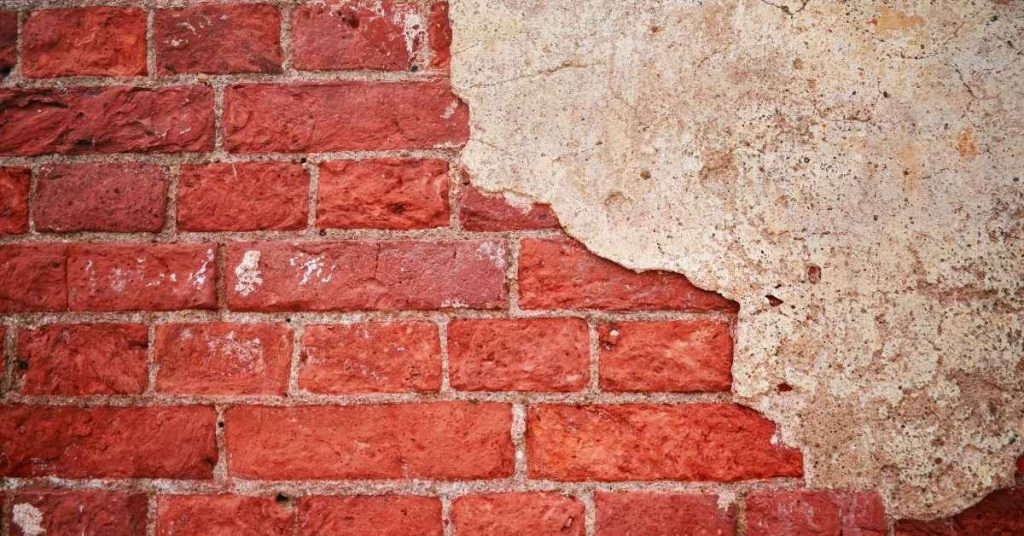
Peeling stucco on red brick wall

Stucco Patch Cracks That Reappear: Movement vs Shrinkage and How to Tell

Introduction Cracks that reappear after patching are usually caused by movement or shrinkage in the stucco system. You can tell them apart by looking at how the crack ran and what the surrounding area did over time; movement cracks often change with structure or temperature, while shrinkage cracks stay smaller and more uniform. To start,

Stucco Patch Cracks That Reappear: Movement vs Shrinkage and How to Tell Read More »

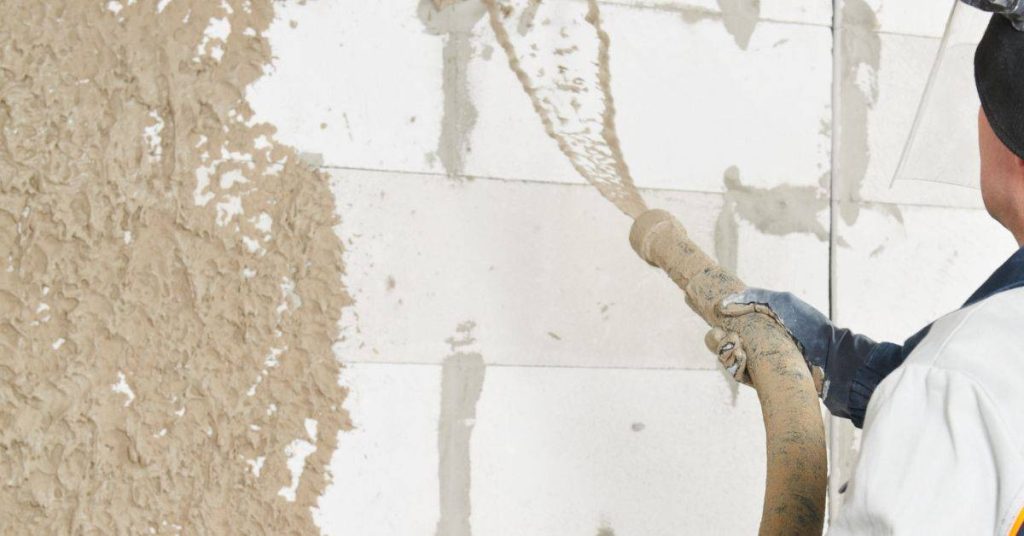
Person spraying stucco mixture onto a wall

How to Fix a Stucco Patch That Dries Too Fast: Pre-Wetting and Cure Mist Schedules

Introduction Pre-wetting and cure mist schedules help control how fast a stucco patch dries. This simple approach keeps the patch workable and reduces cracking. Set up a light dampening routine and watch for a smooth, even surface as you work. Common causes of rapid drying are sun exposure, wind, and heat on the patch area.

How to Fix a Stucco Patch That Dries Too Fast: Pre-Wetting and Cure Mist Schedules Read More »

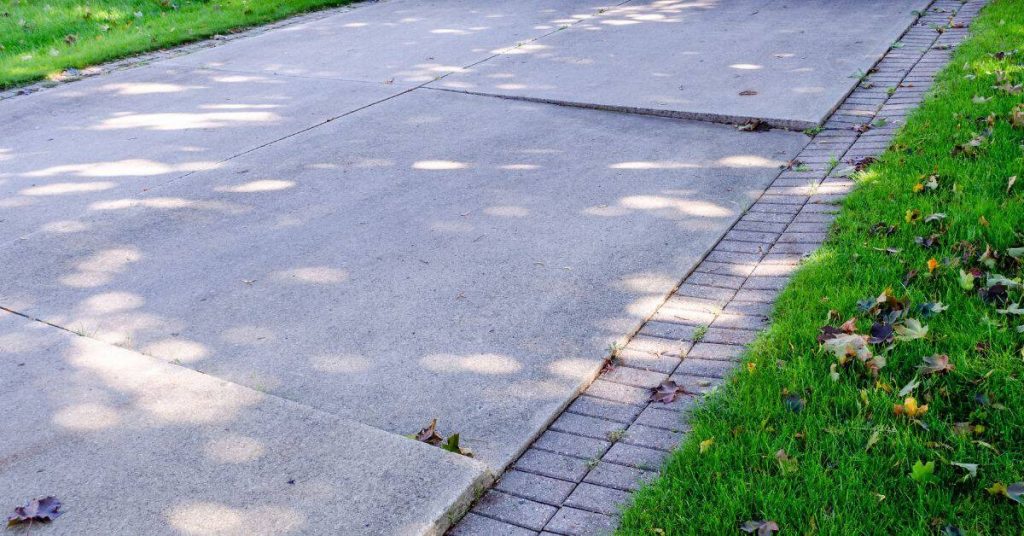
Concrete driveway with brick border and straight control joints

Concrete Fountain Leaks: Pinholes, Cold Joints, and Repair Options That Hold Water

Introduction Concrete fountain leaks happen when tiny holes or seams let water escape. Common causes are pinholes and cold joints that form gaps as concrete cures and settles. If you notice damp spots, dripping, or a steady seep near joints, that signals a leak to investigate. To fix it, you’ll seal pinholes and address cold

Concrete Fountain Leaks: Pinholes, Cold Joints, and Repair Options That Hold Water Read More »

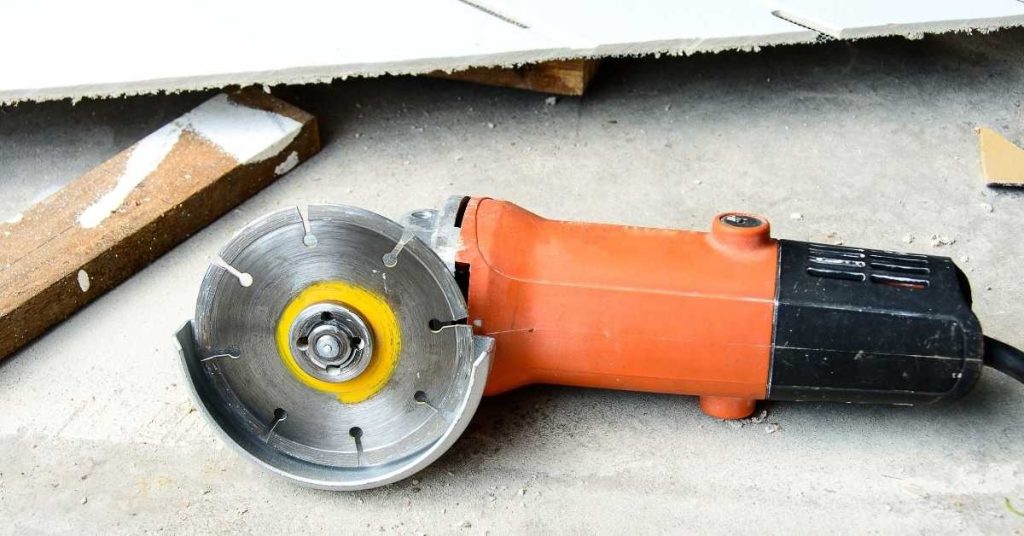
Corded angle grinder lying on dusty concrete floor

How to Avoid Grinder ‘Swirl Marks’: Technique, Tool Path, and When to Cross-Hatch

Introduction Grinder swirl marks are fine scratches left by abrasive motion, and you avoid them with the right technique. Choose the right grinder and disk for the wood task, keep the surface clean, and maintain steady, even pressure. Work in small, overlapping passes and check your progress often before moving to a finer abrasive. Use

How to Avoid Grinder ‘Swirl Marks’: Technique, Tool Path, and When to Cross-Hatch Read More »

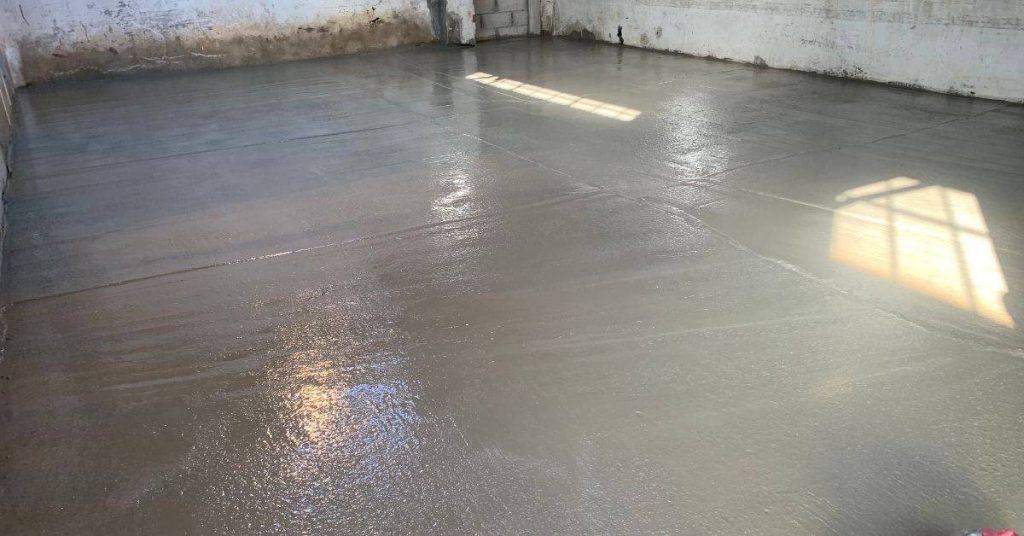
Freshly poured concrete floor inside a building

Why New Concrete Gets Soft Spots: Bleed Water, Overworking, and Local Fixes

Introduction Soft spots in new concrete are areas where the surface feels mushy or weak while it cures. They commonly form when extra bleed water rises to the surface or when the mix is overworked during finishing. Identifying the cause helps you choose the right fix and prevent this from reoccurring. Watch for shiny patches,

Why New Concrete Gets Soft Spots: Bleed Water, Overworking, and Local Fixes Read More »

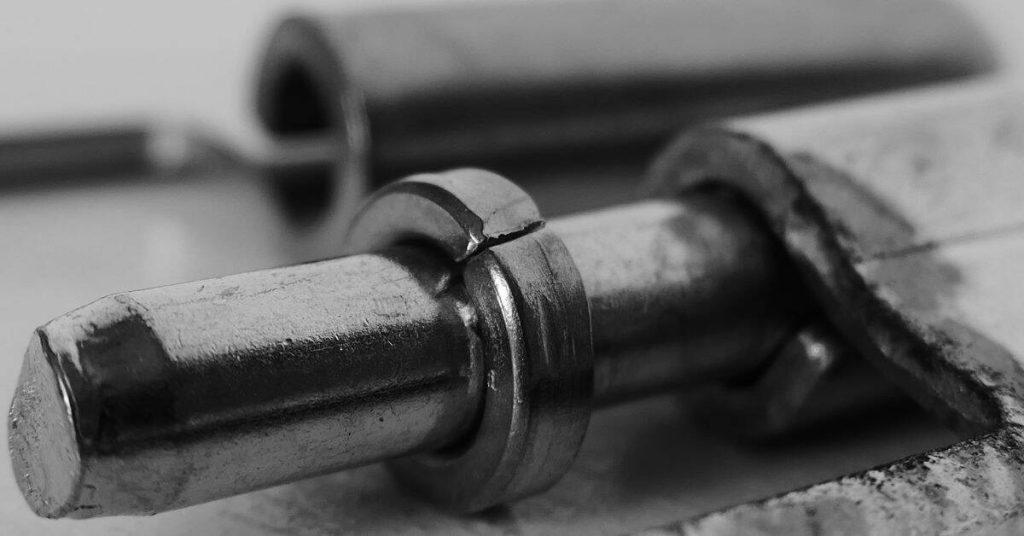
Close-up of metal rod with cracked retaining ring

Ring-Anode Spalls Explained: Why Repairs Can Accelerate Corrosion Next Door

Introduction Ring-anode spalls are corrosion damage around a ring-shaped anode where nearby metal starts spalling due to accelerated attack. In plain terms, you’re seeing how the ring setup can push galvanic action into surrounding metal. It’s a local deterioration issue that can spread if the ring current isn’t balanced or protected from moisture. For a

Ring-Anode Spalls Explained: Why Repairs Can Accelerate Corrosion Next Door Read More »

Yellow construction helmet tape measure pencils on architectural plans

Superplasticizer in Tiny Batches: Measuring Drops, Not Guessing Caps

Introduction A superplasticizer in tiny batches is measured by careful, small additions rather than guessing from cap size or rough estimates. This means you add controlled drops and check the mix consistency after each step. Always verify you’re following the product label and any local rules for admixtures. If you’re curious about the science behind

Superplasticizer in Tiny Batches: Measuring Drops, Not Guessing Caps Read More »

Red-handled tool smoothing fresh concrete surface

Can You Use Hot Tap Water in Concrete: Set Control Without Flash Set

Introduction Hot tap water can affect concrete set, but it is not a reliable method for controlling flash set. Mixing with hot water can lead to uneven setting and create thermal stresses in the mix. Always check manufacturer guidance and local rules before using hot water in mixes. Using hot water introduces risks to strength,

Can You Use Hot Tap Water in Concrete: Set Control Without Flash Set Read More »

Paint roller applying white paint on wall surface

How to Paint Concrete Block Without Trapping Moisture: Breathability vs Washability

Introduction Painting concrete block should let moisture escape while protecting the surface. That balance is breathability vs washability, not just color. You’ll need guidance from labels and local rules. Start by cleaning and inspecting for cracks, then plan a breathable, washable finish. Check product labels for vapor permeability and washability, and follow manufacturer instructions. If

How to Paint Concrete Block Without Trapping Moisture: Breathability vs Washability Read More »