Search Results for: mortar color

Hand using drill to bore holes in brick wall

Brick mortar color matching: sand selection and pigment dosing without surprises

Introduction Brick Mortar Color Matching Matching brick mortar color involves selecting sand and pigments to achieve a consistent shade in the finished product. This guide offers a practical approach for DIYers working with common bricks and mixes, focusing on real-world steps rather than theoretical formulas. Sand selection and pigment dosing determine the final look. Choose […]

Brick mortar color matching: sand selection and pigment dosing without surprises Read More »
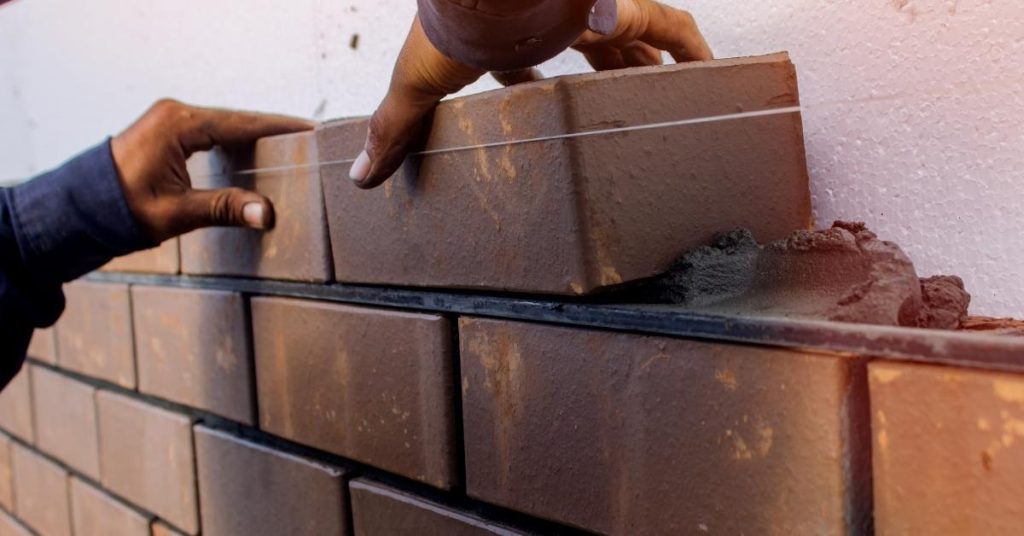
Hands placing bricks with black mortar and string line

Brick Mortar Color Matching: Sand Choices and Test Panels That Tell the Truth

Introduction Brick mortar color matching means choosing sand and mix options that closely match the color of your bricks. This article walks you through simple sand choices and how to test them on small panels before you pour a full job. Keep the tests small, label your samples, and compare them in light similar to

Brick Mortar Color Matching: Sand Choices and Test Panels That Tell the Truth Read More »

Hands holding color swatch fan with various brown and yellow tones

How to Match Mortar Color: Sand Selection, Pigments, and Test Panels

Introduction Matching mortar color means picking the right sand, pigments, and a test panel to compare with the target shade. The goal is to balance color from the sand and any added pigment so the mix looks consistent with surrounding joints. Do not rely on guesswork—check product labels and manufacturer guidance for compatibility. Start by

How to Match Mortar Color: Sand Selection, Pigments, and Test Panels Read More »

Matching Mortar Color on Old Work (sand Selection)

Matching Mortar Color on Old Work (Sand Selection)

Table of Contents Introduction Understanding Mortar Color Consistency Product Overviews for Mortar Color Matching Selecting the Right Sand for Color Matching Application Instructions and Safety Data Tools and Accessories for Mortar Application Common Mistakes in Mortar Color Matching Detailed Cost Analysis of Mortar Options Maintaining the Appearance and Integrity of Your Mortar Over Time Planning

Matching Mortar Color on Old Work (Sand Selection) Read More »

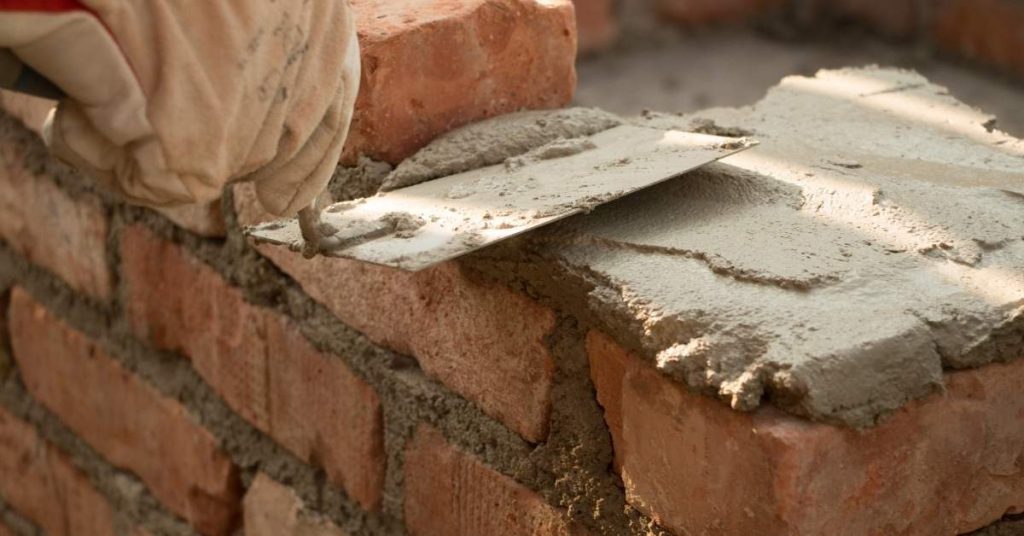
Gloved hand applying mortar on brick wall with trowel

Repointing brick mortar: matching hardness and color without damaging the units

Introduction Repointing brick mortar is the process of renewing the mortar between bricks to restore structure, weatherproofing, and appearance. It involves removing deteriorated mortar and packing in new mortar that bonds to the bricks. This is a hands-on repair that requires choosing the right mix and applying it carefully to avoid damaging the units. To

Repointing brick mortar: matching hardness and color without damaging the units Read More »

Transform Your Space Coloring Concrete Mortar Joints with Masonry Dyes

Transform Your Space: Coloring Concrete Mortar Joints with Masonry Dyes

Table of Contents Introduction Essential Supplies and Tools for Coloring Mortar Joints How to Prepare and Schedule Your Masonry Dye Project A Step-by-Step Guide to Applying Masonry Dyes to Mortar Joints Common Challenges and Solutions in Dyeing Mortar Joints Understanding the Core Principles of Masonry Dye Application Enhancing Your Masonry Dye Project: Tips and Customization

Transform Your Space: Coloring Concrete Mortar Joints with Masonry Dyes Read More »

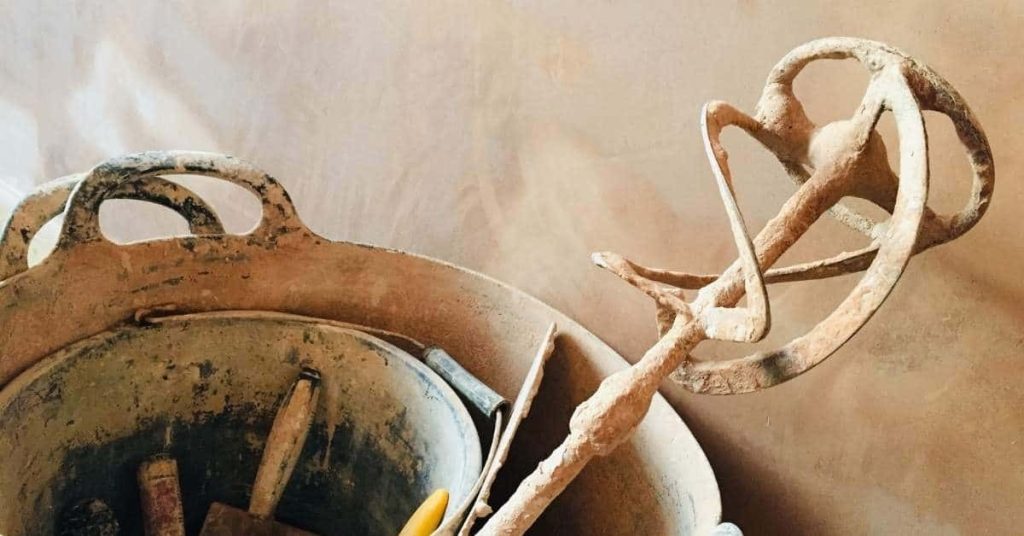
Old mixing tub with concrete mixer paddle and tools inside

Mixing barrels and tubs for concrete and mortar: what lasts, what cracks, and the easiest cleanup routine

Introduction Mixing barrels and tubs refers to using sturdy containers to blend concrete or mortar on site. Different container materials wear differently under load and abrasion. This article outlines what tends to hold up, what can crack, and how to keep cleanup quick and straightforward. For cleanup, rinse and scrub while material is still soft,

Mixing barrels and tubs for concrete and mortar: what lasts, what cracks, and the easiest cleanup routine Read More »

Closeup of red brick wall with mortar joints

Repairing brick mortar washout at grade: grading changes and sacrificial mortar choices

Introduction Repairing brick mortar washout at grade means restoring deteriorated mortar where the wall meets the soil and addressing shifts in ground moisture. The approach combines survey of damage with practical steps that respect historic materials and the effect of grading on moisture. It’s a hands-on task that requires careful observation and clear planning. Old

Repairing brick mortar washout at grade: grading changes and sacrificial mortar choices Read More »

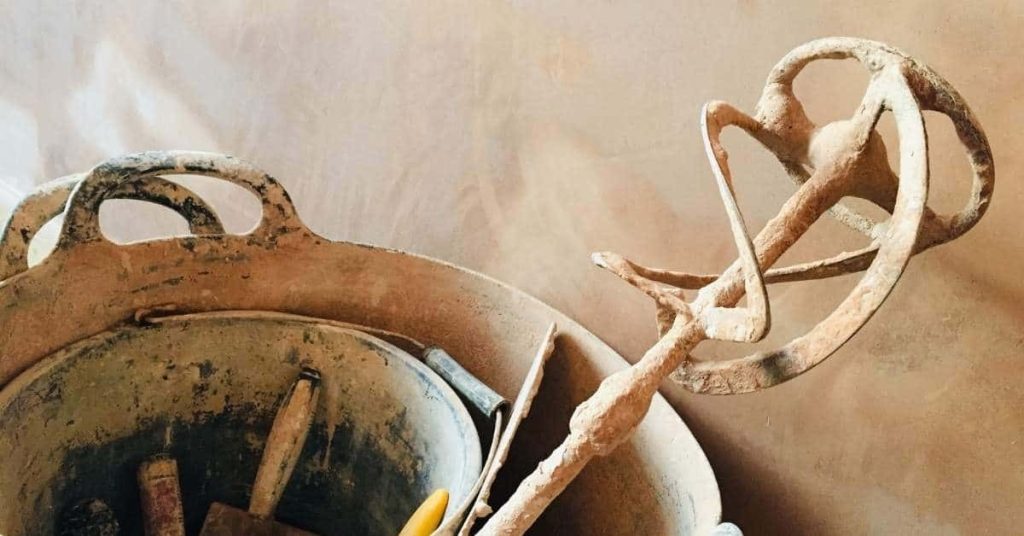
Old mixing bucket with mortar mixer tool inside

Too-hard brick mortar damage: signs, causes, and how to correct future repairs

Introduction Too-hard brick mortar damage is damage that results when the mortar in a wall has become excessively hard and brittle, leading to cracks and bond failure. Signs include visible cracks between bricks, loose or hollow-sounding joints, and bricks that push or tilt out of place. It often stems from over-tamped or overly aggressive mixes,

Too-hard brick mortar damage: signs, causes, and how to correct future repairs Read More »

Person applying white plaster on wall with trowel

White Haze on New Brickwork: Efflorescence vs Lime Run vs Mortar Wash (and what to do)

Introduction White haze on new brickwork is usually caused by moisture pulling salts to the surface, which can show up as efflorescence, lime run, or mortar wash. These issues look similar, so you’ll want to observe when it appeared and how the surface feels. Check if the haze is on all bricks or just near

White Haze on New Brickwork: Efflorescence vs Lime Run vs Mortar Wash (and what to do) Read More »