
Introduction
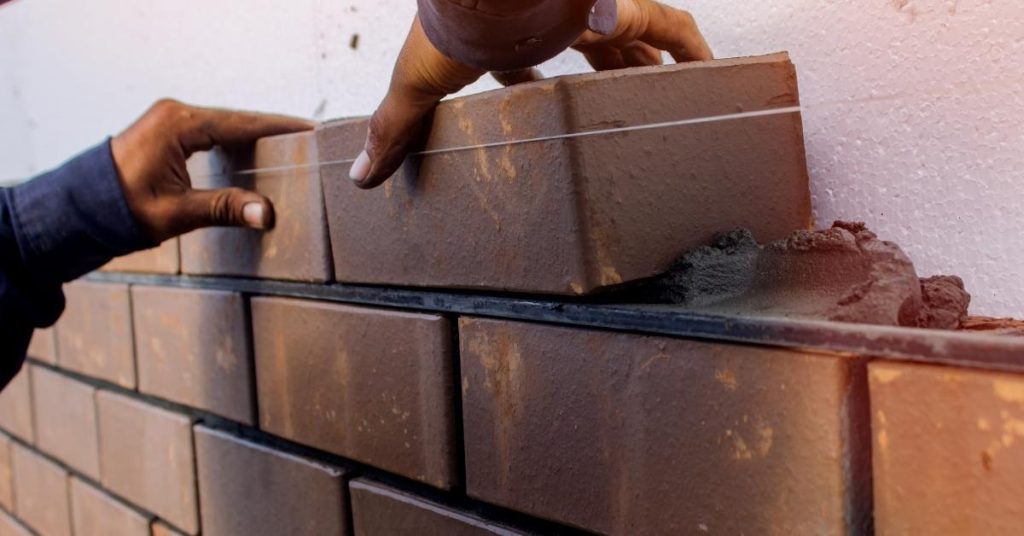
Brick mortar color matching means choosing sand and mix options that closely match the color of your bricks. This article walks you through simple sand choices and how to test them on small panels before you pour a full job. Keep the tests small, label your samples, and compare them in light similar to the wall you’re repairing.
Make small test panels with a tiny batch, let them cure, and check them in daylight for a true read. If the match isn’t right, try different sands or mix ratios and re-test on fresh panels, always following the product label and local requirements. When in doubt, verify guidance from the manufacturer instructions or local codes to stay safe and compliant.
Key takeaways
- Build small, labeled test panels showing sand, cement, lime blends before full mortar work.
- Match brick color by testing multiple sand sources and document shade under sun and shade.
- Use clean, well-sorted sand with uniform particle size; avoid flaky or clayey material.
- Safety: wear eye protection, dust mask when mixing or handling dry sands.
- Document weathering signs and plan maintenance to prevent staining from efflorescence.
- Align test panel colors with actual joints; adjust tinting only after panel comparisons.
- Choose sand by type, sourcing, and specs per local code; verify labels.
Table of Contents
- Introduction
- Key takeaways
- Why Sand Choice Matters for Mortar Color
- Mortar Color Components: Sand, Cement, Lime, and Pigments
- Choosing the Right Sand: Types, Sourcing, and Specs
- Mixing, Tinting, and Neutralizing Techniques
- Building Reliable Test Panels That Tell the Truth
- Visual Signs and Examples to Look for
- Common Matching Problems and Practical Fixes
- Long-Term Performance: Weathering, Staining, and Maintenance
- Conclusion
- FAQ
Why Sand Choice Matters for Mortar Color
Sand is more than a filler. It affects both color and texture in ways pigments alone cannot predict. Different sands can shift the final shade noticeably once the mix cures.
Choose sand with your project’s pigment and joint profile in mind. If in doubt, check the product label or manufacturer guidance for color notes and particle size ranges.
How sand mineralogy and tone influence hue
The type of sand you choose for your mortar greatly impacts its color. It’s all about the minerals.
Quartz is neutral, feldspar leans cool, and iron-bearing grains bring warmth. Mix ’em up, you’ll shift undertones – warm, cool, or neutral.
Pro tip: Check your sand’s composition before mixing pigments. It’ll save you color-matching headaches later.
Texture and grain size effects on perceived color
Grain size, shape, and how they pack together – it’s not just about the minerals. Texture matters.
Smaller grains reflect light differently, making colors appear brighter. Larger ones can dull things down. Angular grains scatter light, creating a different hue than rounded ones.
Think about this: Fine sand with angular grains will give you a different color perception than coarse, round ones – even if the pigments are the same.
Mortar Color Components: Sand, Cement, Lime, and Pigments
Each ingredient contributes a visible tone to the mortar. Sand color blends with the cement and lime to form the base shade. Pigments should be viewed as a tint layered onto that base.
Understand how these parts interact before mixing so you can adjust one without guessing about the others. When unsure, consult the manufacturer instructions or your product data sheet for guidance.
Cement and lime base colors and their variability
The color of your mortar starts with cement and lime. Here’s what you need to know:
Cement: Grey is the norm, but shades vary. Type I/II (general use) ranges from light grey to dark charcoal. Type III (high early strength) can be lighter.
Lime: Hydrated lime is white. But it can turn pink if exposed to air before setting – test first! Variability? Expect it, especially with cement. Always test your batch.
Pigments and dyes: types, permanence, and dosing
Pigments add color to mortar. Here’s how:
Types: Oxide pigments (iron, chromium) are common. Organic dyes can be used but fade over time.
Dosing matters. Start low – a cup per 80 lbs of cement is typical. But it varies with pigment type and mix ratio. Test first!
Permanence? Oxides last longest. Dyes? Not so much. Expect color to change slightly over time, especially with dyes.
Choosing the Right Sand: Types, Sourcing, and Specs
Survey sand options like mason, engineered, and natural pit sand to match your joint performance and color goals. Particle size and shape influence texture and how the color reads in light. Start with samples to compare under jobsite lighting.
Check specs such as grading, cleanliness, and moisture content on the label or technical sheet. If you can’t find them, contact the supplier for test panels or recommended ranges.
Reading Material Specs and Standards
The right sand can make your mortar color match perfectly. But the wrong one? It’ll leave you with cracks, stains, or weak bonds.
- Sieve sizes: Look for specs like ASTM C144 or EN 12620. This tells you how much sand passes through each sieve size. Too coarse and your mortar’s too chunky. Too fine, it’s weak.
- Gradation: Check the gradation curve. It shows how much sand is in each size range. A good match gives a strong, durable mortar.
- Cleanliness: Ask for a cleanliness rating (like ASTM C302). Dirt and impurities affect color and strength.
- Fineness modulus: This tells you the average size of sand particles. It affects how much water you need, and thus, your mortar’s color.
- Avoid: Sand with too many fines (fines content > 15%) or too much clay. Both cause problems down the line.
Sampling Strategy: Getting Representative Sand Samples
Taking a few handfuls from the top of a pile won’t cut it. Here’s how to get real, usable samples.
First, take multiple samples. Aim for 5-10, spread across the pile’s depth and width. This gives you an average.
Sample from different depths. Sand can vary by layer. Take some from the top, middle, and bottom.
Once you’ve got them, label and store properly. Keep track of where each sample came from. Store them in sealed containers to keep moisture out.
Mixing, Tinting, and Neutralizing Techniques
Plan your batches so they can be compared side by side on test panels. Track water content and mixing duration to keep results repeatable. Add tint gradually and document each increment.
Use neutralizing steps to counteract undesired undertones, but verify any additives with the product instructions. If you’re unsure, reference the manufacturer guidance or product data sheet for limits and compatibility.
Safe pigment addition and trial ratios
Adding pigments to your mortar mix can be tricky. Start small, then scale up based on results.
For a small batch, try this:
- 1 part cement
- 2 parts sand
- 0.5 part lime
- 0.1 part pigment (by weight)
Mix well, then test on a small panel. If it’s too light, add more pigment. Too dark? Add more sand or cement.
Using additives and lime to tweak tone and workability
Lightweight lime, white cement, or admixtures can brighten your mortar. But they can also dull it if used too much.
Brightening: Add 1-2 parts lightweight lime or white cement to your mix. This will lighten the base color and make it more workable.
Dulling: Too much lime can dull the color. If you’ve added too much, try adding a bit of pigment to darken it back up.
Building Reliable Test Panels That Tell the Truth
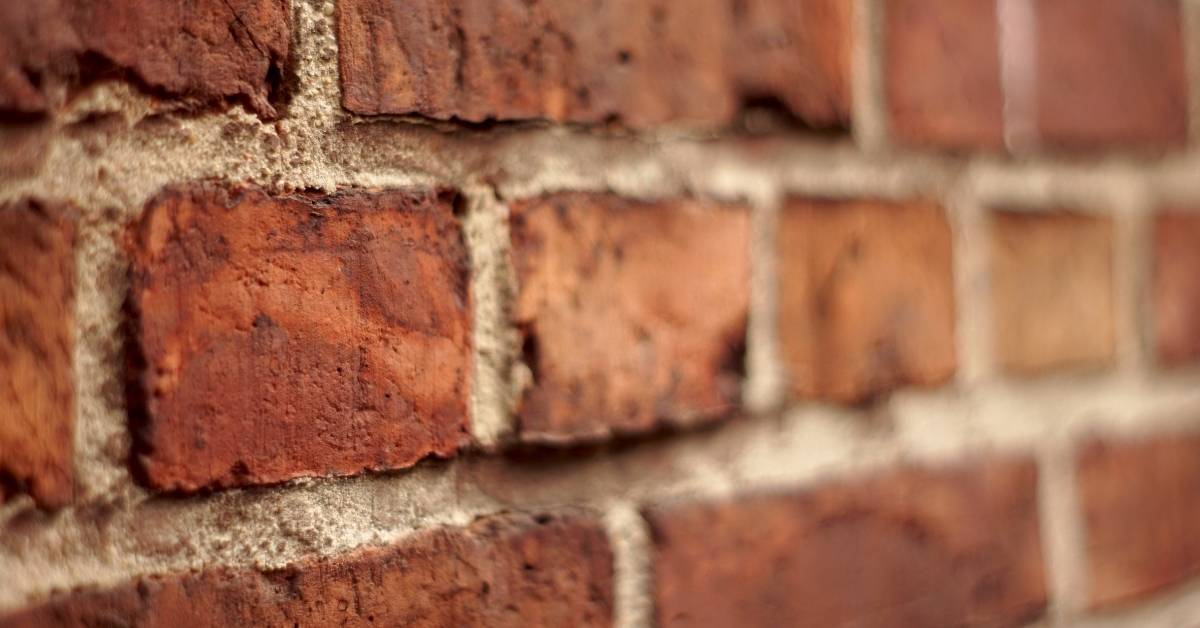
Construct panels that mimic joint size, tooling, and substrate conditions. Include edge treatments so comparisons aren’t biased by corners. Label each panel clearly for later review.
Keep panels small enough to manage but representative of the full work. For any variable, verify the method against your spec sheet or local code guidance before proceeding.
Panel layout, labeling, and control samples
Lay out your test panels like a grid. Each panel is a different mix.
Include control strips at the top or side. These are your baseline. Use your chosen sand and standard cement/lime ratio.
Number each panel for easy tracking. Label them too, with mix details like ‘Sand A – 1:3’ or ‘Sand B – 1:4’.
Curing protocols and timing for accurate reading
Cure your panels properly. This is when the mortar’s true color shows.
24 hours: Panels are still wet. Color can look darker, greener.
7 days: Panels start to dry out. Color begins to stabilize.
28 days: Panels are fully cured. This is when you see the final color.
Visual Signs and Examples to Look for
Develop a simple on-site scoring method for color, shade, and texture. Photograph panels from the same distance and with neutral lighting. Compare freshly mixed samples to cured panels after a day of curing.
Be aware of lighting and angle bias that can skew perception. If necessary, use standard photo setup guidance or ask a colleague to help with consistent captures.
Lighting, time of day, and angle considerations
When comparing mortar samples, consistency is key. Start by choosing a consistent natural light window – overcast days work best, but if you’re stuck with sun, aim for early morning or late afternoon to avoid direct sunlight.
Direct sun can cast harsh shadows and create glare that’ll skew your color perception. So, keep samples out of direct sunlight and angle them slightly to minimize reflection.
Also, consistency in viewing angle is crucial. Keep your eyes level with the sample or use a fixed viewing stand to ensure you’re not seeing it from an angle that distorts its color.
Simple photo setup and color reference targets
To document true-to-eye color, use a simple yet effective photography setup. Start with a neutral gray card. This helps balance exposure and gives you a consistent reference point.
Place your mortar sample next to it, ensuring both are in the same plane. Use a fixed camera distance – an arm’s length works well. No need for fancy equipment; most smartphones will do the trick.
Set your camera to manual mode or use a consistent auto setting. This ensures each photo is taken under identical conditions. And remember, consistency is key. The goal is to capture what you see, not create an artistic masterpiece.
Common Matching Problems and Practical Fixes
Hidden pigments in sand or unexpected water content can derail matches. Efflorescence or surface salts can alter appearance over time. Tooling and joint dressing also influence final look.
Address issues by adjusting sand selection, curing conditions, or surface treatment, and re-test on the same panel setup. When in doubt, consult the product label or technical support for corrective actions.
When to adjust sand vs. pigment vs. tooling
First, identify the root cause of your color mismatch before making adjustments.
- Sand Tone: Hidden pigments in sand can throw off your mix. Solution: Swap out suspect sand and retest.
- Pigment Amount: Too much or too little pigment can cause discoloration. Solution: Adjust pigment ratio, keeping track of changes for future reference.
- Efflorescence: White salt deposits can appear on the surface over time. Solution: Clean affected areas and reapply sealant or grout.
- Tooling Differences: Different tools can leave varying finishes. Solution: Standardize your tooling technique across all workers.
- Water Content: Too much water can dilute pigments, leading to lighter colors. Solution: Adjust water content and retest.
Quick remedial methods for small repairs
For minor mismatches, consider these quick fixes to save time and materials.
Surface Wash: Use a diluted acid wash to remove efflorescence and even out the surface color. Cost: Around $20-$50 for a gallon of muriatic acid.
Thin Raking and Re-pointing: For small areas, rake out joints and apply fresh grout or mortar to match the surrounding color. Cost: Around $10-$20 per bag of grout or mortar.
Custom Slurry Coats: Mix up a small batch of slurry with added pigment to touch up specific areas. Cost: Around $5-$10 for pigments and materials.
Long-Term Performance: Weathering, Staining, and Maintenance
Exposure to the elements and pollution can shift color gradually. Cleaning methods may brighten, dull, or alter the hue of mortar over years. Plan tests to approximate long-term conditions before full application.
Ask for colorfastness guidance from the manufacturer and verify storage and maintenance recommendations on the data sheet. If you’re unsure, check local rules or code guidance that affects exterior finishes.
Accelerated weathering checks and stain resistance tests
Before you commit to a mortar color, put it through some accelerated tests. These mimic long-term exposure to help you predict how it’ll hold up over time.
Wet/Dry Cycles: Soak your test panels, then let them dry. Repeat this process for at least 10 cycles. Keep an eye out for color shifts or cracking.
Salt Exposure: Apply a salt solution to the panels, then let it dry. This simulates freeze-thaw conditions that can cause staining and efflorescence. Rinse and reapply every few days for about two weeks.
Ideally, you want your mortar to maintain its color and integrity through these tests. If it doesn’t, consider adjusting your sand type or pigment ratio before full application.
Maintenance planning and documentation for future matches
To ensure consistent color matching in the future, keep detailed records of your mortar mix. This way, if you ever need to make repairs, you won’t be guessing at what worked before.
Materials Log: Keep a log of all materials used – sand type, pigment, lime, and any additives. Note their quantities too.
Sampled Mixes: Save some of your original mortar mix in an airtight container. This way, you can use it as a reference when making new batches.
Photographic Documentation: Take photos of your test panels and the finished work. These will serve as visual references for future repairs or touch-ups. Make sure to label them clearly with mix details.
Conclusion
Paragraph 1: Nail down the plan in your head: color matching mortar is about matching sand color, the cement-lime-pigment mix, and how the mix ages in your climate. Do it safely, do it in steps, and you’ll avoid costly rework and spots that stand out.
Paragraph 2: Start by confirming you’re using the right sand and batch size, then mix small test batches and build test panels you can compare in daylight and shade. Check the panel against nearby work, record the exact sand type, ratios, and pigment additions, and note how it looks after a day, a week, and a light rain. If it doesn’t match, tweak one variable at a time, re-run the test, and keep your notes. Keep safety gear on, work in a ventilated space, and label every mix so you don’t mix up recipes.
Paragraph 3: Avoid these mistakes: over-tinting or chasing an exact shade in one shot, using a sand outside your source specs, and skipping the test panel or rushing weathered outdoor testing. Don’t mix large batches for color trials, and don’t ignore curing and maintenance needs. Always verify under the real conditions the mortar will face, and don’t skip cleaning and handling PPE.
Paragraph 4: If you’re dealing with historicwork, large repairs, or persistent color drift despite careful testing, call a professional before you risk damage. When in doubt, slow down, build a few more panels, and trust the truth of your test panels to guide you. Stay steady, stay safe, and you’ll finish with a durable, natural-looking result.
FAQ
How can I test how sand will affect mortar color before I commit to a batch?
Make a small test panel with a sample of the sand and your mix components. Compare it to the target mortar by placing it next to the work and letting it dry as you expect the real mix to do. Follow the label or manufacturer instructions for any color reference tests.
Can weather or curing affect the final color after the mortar sets?
Yes. Drying, curing conditions, and exposure can shift the shade. Plan for a few sample runs under similar weather and note the results before scaling up.
What do I do if the color on the wall doesn’t match the test panel?
Double-check the sand, cement, lime, and any pigments used. If it still looks off, review the test panel setup and consider another batch or different sand before continuing with a large area. Use the product label or instructions for guidance on adjustments.
What should I verify on a test panel before building with it?
Make sure the panel is a true representation of the working mix and finish. Verify the drying conditions match where the work will be done, and compare to a known acceptable sample. If there’s any doubt, ask for the manufacturer’s guidance or local rules to confirm.