Search Results for: mortar color

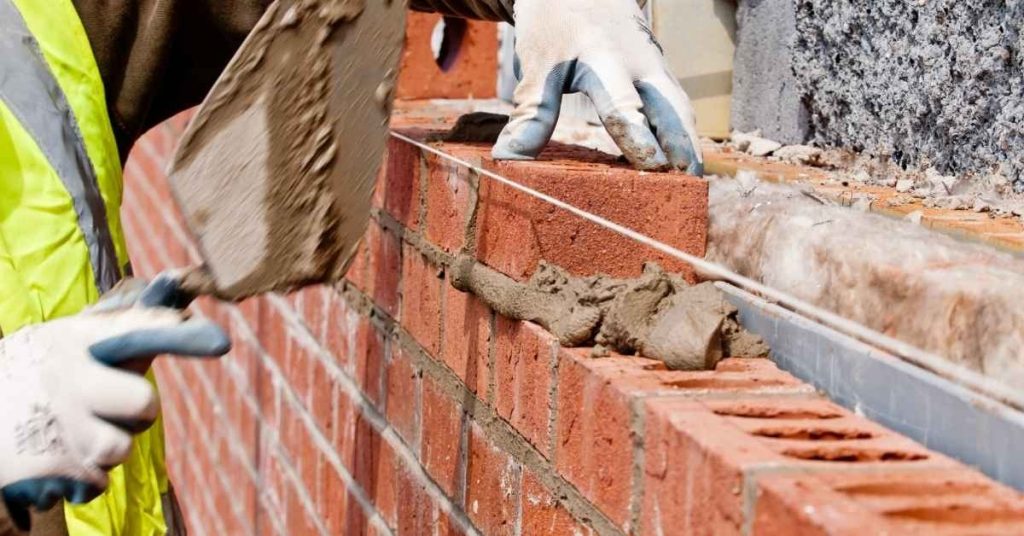
Closeup of red brick wall with light gray mortar

Lime Mortar vs Portland for Historic Brick: Protecting Soft Brick While Repointing

Introduction Lime mortar is a traditional, breathable binder used for soft historic brick. Portland cement mixes are stronger and quicker to set but can trap moisture and damage delicate masonry. This DIY guide helps you decide what to use and how to work safely around fragile brick. Before you start, test a small area and […]

Lime Mortar vs Portland for Historic Brick: Protecting Soft Brick While Repointing Read More »

Hand in pink glove scrubbing stucco wall with brush

Algae on Stucco: Cleaning Methods That Don’t Bleach Color or Etch Finish

Introduction Algae on stucco is algae growth that appears as green or dark spots on the surface. Identify it by color, texture, and where it’s growing, especially in shaded or damp areas. This guide keeps things simple for DIY homeowners and avoids bleaching or etching. Use safe cleaners that are milder than bleach and follow

Algae on Stucco: Cleaning Methods That Don’t Bleach Color or Etch Finish Read More »

weathered red brick wall with visible mortar joints

Cleaning Mortar Smears Off Brick: Gentle Methods Before You Touch Acid

Introduction Cleaning mortar smears off brick means removing smeared or splashed mortar from brick surfaces using gentle, non-acid methods. The goal is to lift the residue without gouging the brick or mortar joints. Start with testing a small area and choose a mild approach first. Gentle options include dampening the smear and using a plastic

Cleaning Mortar Smears Off Brick: Gentle Methods Before You Touch Acid Read More »

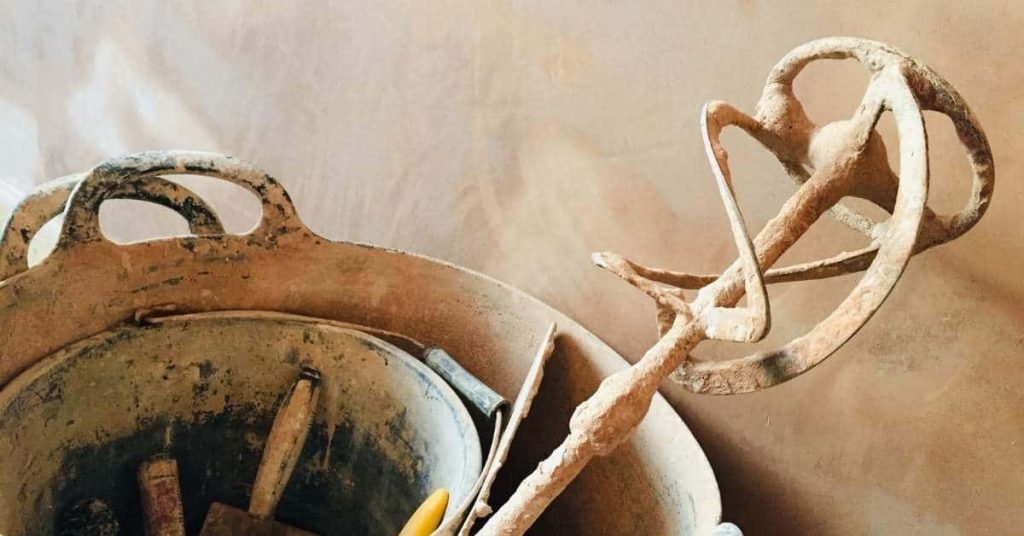
Mortar mixing bucket with drill mixer attachment and tools inside

Brick Mortar Mixing in Small Batches: Consistent Water, Consistent Results

Introduction Small-batch brick mortar mixing means keeping the same amount of water in each mix so the mortar behaves the same every time. That consistency helps you get uniform workability and a solid mortar bed. Work in clean buckets, keep tools handy, and adjust only as needed to maintain that consistent texture. To keep batches

Brick Mortar Mixing in Small Batches: Consistent Water, Consistent Results Read More »

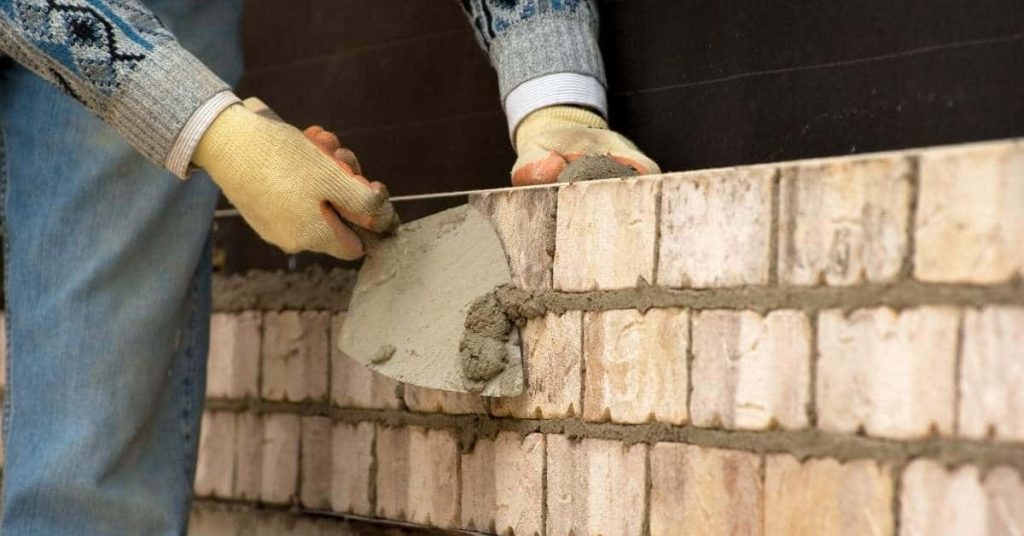
Hands applying mortar to brick wall with trowel

Self-Consolidating Mortar for Small Repairs: Mimic SCC Behavior Without Renting a Pump

Introduction Self-consolidating mortar is a flowable mix that fills small voids and cracks without the need for vibration. For DIY repairs, it behaves like a high-flow grout that can level and settle in tight spaces, mimicking SCC behavior without renting a pump. Always check the product label and manufacturer instructions to confirm compatibility with your

Self-Consolidating Mortar for Small Repairs: Mimic SCC Behavior Without Renting a Pump Read More »

Hand smoothing plaster on white wall with trowel

Repair Mortar That Debonds: Surface Prep Mistakes and How to Reattach Correctly

Introduction Repairing mortar that debonds means reattaching loose mortar to the wall or joint using proper prep and bonding steps. Start by cleaning away loose bits and finding solid edges so the new mix has something solid to grab. Check the product label or manufacturer instructions for bond requirements and suitable mixes, and follow local

Repair Mortar That Debonds: Surface Prep Mistakes and How to Reattach Correctly Read More »

Hands holding yellow and brown paint color swatches

How to Blend Multiple Bag Batches: Staging Mixes So Color and Workability Match

Introduction Blending multiple bag batches means combining portions from different bags so the final mortar looks and feels the same. This is about matching color and workability across mixes, not just mixing once and hoping it stays consistent. You’ll want a simple plan for staging batches so the material remains uniform as you work. Start

How to Blend Multiple Bag Batches: Staging Mixes So Color and Workability Match Read More »

Paintbrush resting on partly painted concrete floor tiles

Concrete Color Consistency for Multiple Batches: Measuring Water and Pigment Without Guessing

Introduction Color consistency across multiple concrete batches is achieved by measuring water and pigment accurately rather than guessing. In a DIY setting, small changes in water or pigment can shift shade, so take consistent measurements for each mix. Keep notes on your process as you go to spot drift early. Choosing the right pigment for

Concrete Color Consistency for Multiple Batches: Measuring Water and Pigment Without Guessing Read More »

Stucco wall with two boarded windows and one boarded door

Stucco Discoloration From Efflorescence vs Salts in Sand: Simple Tests and Fixes

Introduction Efflorescence is a white salt bloom that appears on stucco when moisture moves soluble salts to the surface. It can look like chalky powder and is often mistaken for new stains. But salts in the sand or mix can also discolor, and moisture is the common driver. To tell efflorescence from salts in the

Stucco Discoloration From Efflorescence vs Salts in Sand: Simple Tests and Fixes Read More »