Search Results for: how tpo

Empty indoor parking garage with smooth concrete floor and white lines

Dusty Concrete Garage Slabs: When Sweeping and Densifiers Help and When Resurfacing Is the Only Fix

Introduction Dusty concrete garage slabs are surfaces that shed loose concrete dust and fine particles, creating a chalky layer on the floor. Sweeping and densifying can help restore stability, while resurfacing may be needed for heavy or persistent dust. Use sweeping and densifying for light dust and in slabs that show wear but still have […]
Dusty Concrete Garage Slabs: When Sweeping and Densifiers Help and When Resurfacing Is the Only Fix Read More »

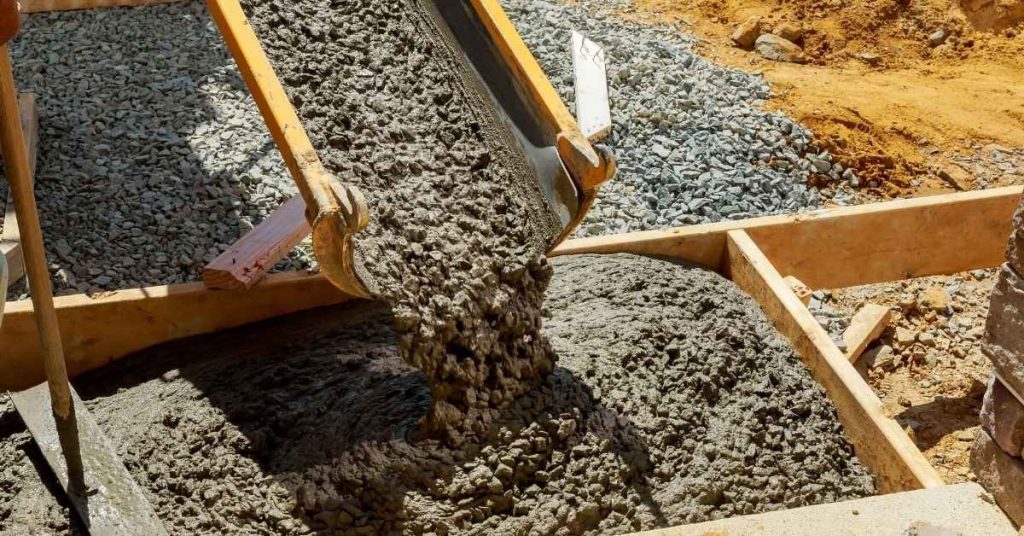
Wet concrete pouring into wooden forms outdoors

Magnesium Vs Wood Floats for Concrete: What They Do to Paste and When They Matter

Introduction Magnesium and wood floats are hand tools used to smooth and finish fresh concrete. Magnesium floats are a light metal option that can flatten high spots quickly, while wood floats provide a softer, more forgiving surface. These tools affect the paste by pulling fine aggregate to the surface and shaping the moisture as it

Magnesium Vs Wood Floats for Concrete: What They Do to Paste and When They Matter Read More »

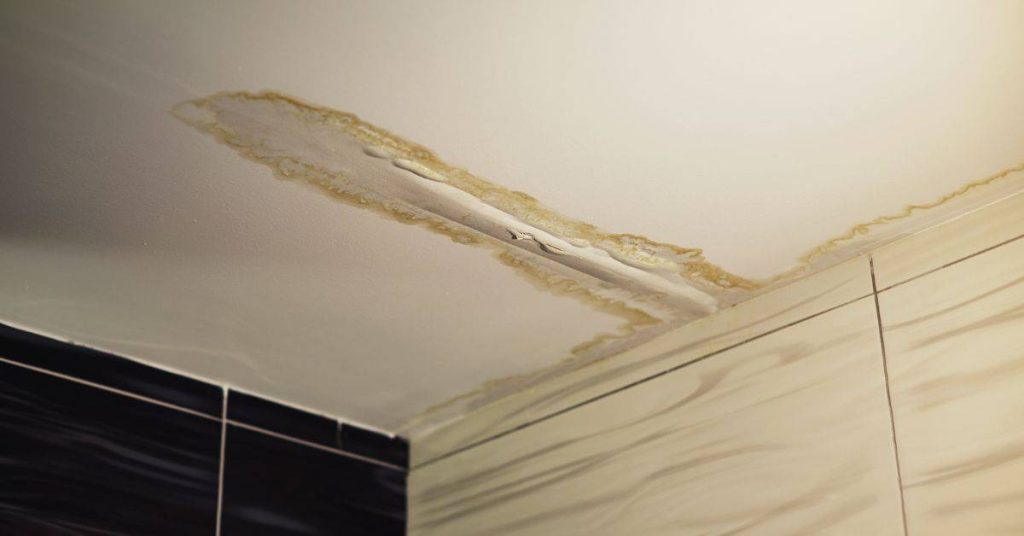
Ceiling with water stains and peeling paint near tiles

Choosing the right concrete crack repair for your situation: movement, width, and water

Introduction The right repair depends on how the crack moves, how wide it is, and whether water is getting through. Key takeaways Assess movement versus static cracks to guide repair method choices and timing. Measure crack width approximately and note tolerance to determine suitable filler and injection. Address water infiltration first: seal active leaks before

Choosing the right concrete crack repair for your situation: movement, width, and water Read More »

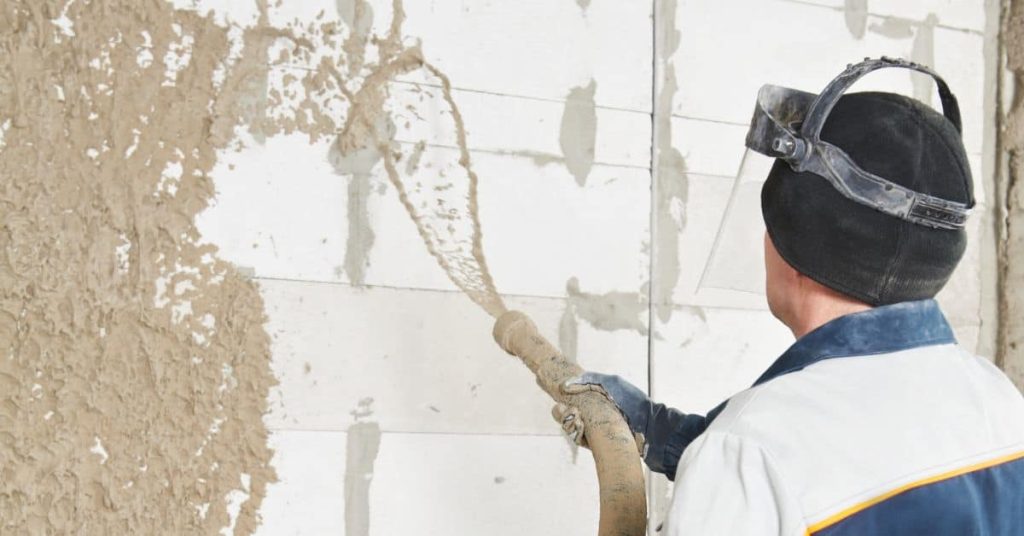
Worker spraying wet stucco onto wall surface

Clear Breathable Sealers for Colored Stucco: When to Seal and When to Leave It Alone

Introduction Clear breathable sealers let moisture escape from stucco while preserving its color. As a DIYer, you want to understand when a finish is appropriate and when it’s better to skip it. This article gives a practical, hands-on view of sealing colored stucco without turning it into a mystery. Surface prep matters: clean, dry, and

Clear Breathable Sealers for Colored Stucco: When to Seal and When to Leave It Alone Read More »

Closeup of wooden decking planks with natural grain patterns

Breathable Concrete Coatings: When Vapor Permeability Beats “Tougher” Paint

Introduction Breathable concrete coatings allow water vapor to pass through the film while still protecting the surface. For DIY folks, that means you get a protective layer without sealing in moisture or trapping dampness. Check the product label and manufacturer instructions for exact permeability guidance and proper preparation steps. Compared to traditional paints, these coatings

Breathable Concrete Coatings: When Vapor Permeability Beats “Tougher” Paint Read More »

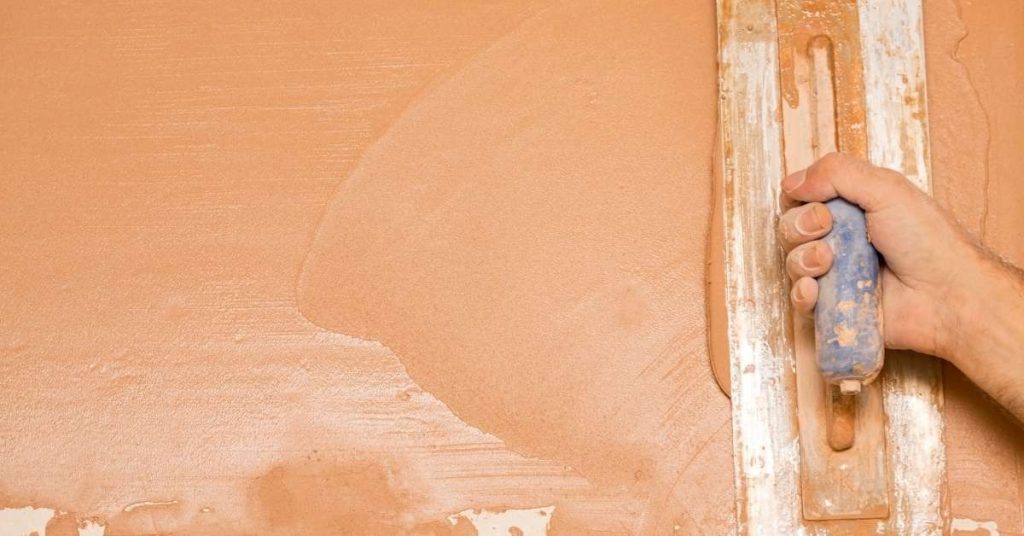
Hand applying brown stucco coat with trowel on wall

Stucco Over AAC or Soft Masonry: Suction Control and Base Coat Choices

Introduction Stucco over AAC or soft masonry requires managing suction and choosing a suitable base coat to ensure a durable finish. Prepare the substrate properly and assess suction levels before applying any finish coat. Always check the product labels and manufacturer instructions for compatible base coats and local requirements. Practice proper application techniques for plaster

Stucco Over AAC or Soft Masonry: Suction Control and Base Coat Choices Read More »

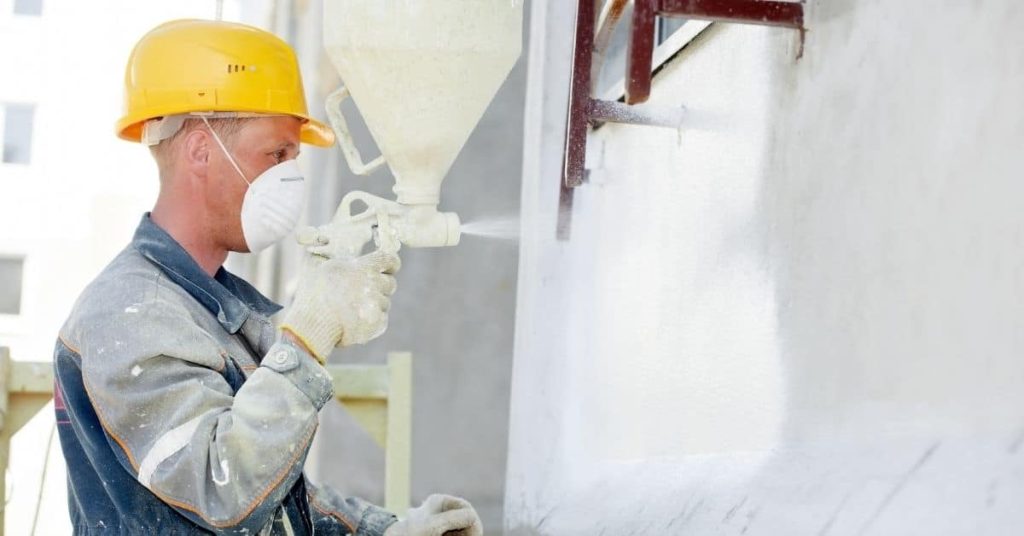
Worker spraying stucco on exterior wall wearing hard hat and mask

Stucco Around Hose Bibs: Sleeves, Sealant Geometry, and Crack Prevention

Introduction Stucco around hose bibs is the practice of enclosing the faucet with a protective sleeve and proper sealant so water stays out. The goal is a tight, weatherproof transition where the hose bib meets the stucco skin. This is a hands-on task, not a theory exercise. Start with correct sleeves and a flush, clean

Stucco Around Hose Bibs: Sleeves, Sealant Geometry, and Crack Prevention Read More »

Construction worker measuring wet concrete slab thickness

Concrete Bag-Yield Reality Check: Why You’re Short on Volume and How to Plan It

Introduction Concrete bag yield is the actual volume you get from a bag compared to its labeled size. Bag yield can be affected by how you mix and compact, plus moisture and waste. This article gives a practical look at why you’re short on volume and how to plan ahead. Common misconceptions lead homeowners to

Concrete Bag-Yield Reality Check: Why You’re Short on Volume and How to Plan It Read More »

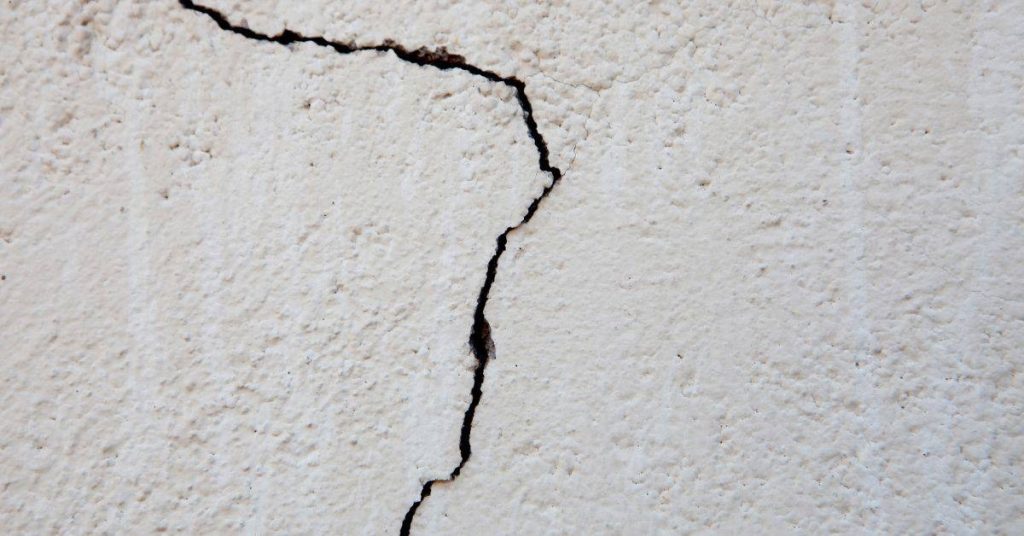
Closeup of stucco surface with a visible crack

Curing Stucco Patches in Heat and Wind: Mist Schedules and Weak-Finish Prevention

Introduction Curings stucco patches in heat and wind means maintaining a light, frequent mist to keep the surface from drying too fast and cracking. Misting is usually done on a schedule you adjust to the day, shielding the patch from direct sun when needed. Always monitor the patch for dryness, and check product and local

Curing Stucco Patches in Heat and Wind: Mist Schedules and Weak-Finish Prevention Read More »

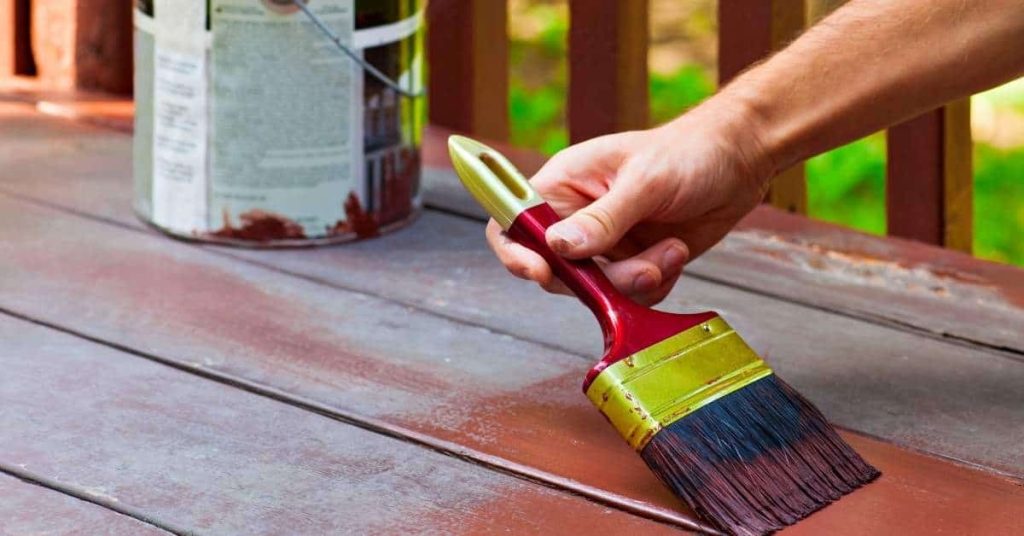
Hand painting wooden deck with red paint and brush

How to Paint When Nights Are Cold: Dew, Condensation, and Why Morning Painting Sometimes Fails

Introduction Cold nights create dew and condensation that can sabotage paint adhesion. If you paint when surfaces are damp or the surface is cooling through the night, you risk cloudy finishes and peeling. This article explains practical checks and timing to avoid those problems. To plan smartly, check the forecast and test surfaces for moisture

How to Paint When Nights Are Cold: Dew, Condensation, and Why Morning Painting Sometimes Fails Read More »