Search Results for: how tpo

Worker spraying white paint on an indoor wall wearing protective gear

Painting Before Rain: Minimum Dry Times by Paint Type and How to Avoid Wash-Off

Introduction Painting before rain means choosing the paint and applying it so it dries before expected rain, following the type’s minimum dry time. Dry times vary by paint type and conditions, so always read the label for the minimum Dry Time. Weather, humidity, and surface prep affect it. To avoid wash-off, apply only when you […]

Painting Before Rain: Minimum Dry Times by Paint Type and How to Avoid Wash-Off Read More »

Close-up of rough concrete wall with wood formboard texture

Fresco vs Limewash: What’s Actually Possible on Fresh Lime Plaster and What Isn’t

Introduction Fresco and limewash are two ways to finish fresh lime plaster, but they work differently and have different limits. Fresco is typically applied with the plaster while it’s still workable, while limewash is painted on after some setting. What you can actually do depends on the mix, moisture in the wall, and local guidance—check

Fresco vs Limewash: What’s Actually Possible on Fresh Lime Plaster and What Isn’t Read More »

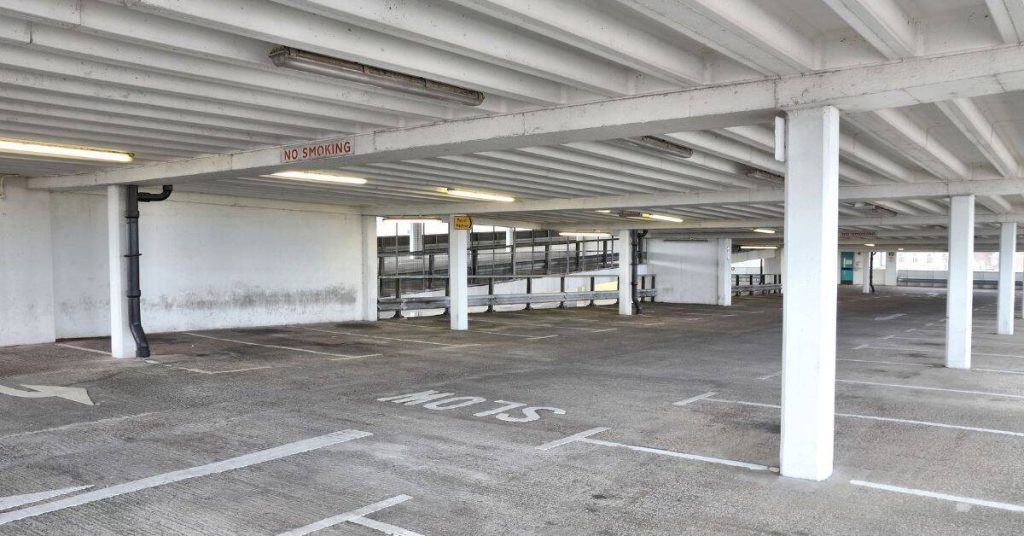
Empty concrete parking garage with white pillars and ceiling

Sealing Concrete That’s Still Green: Safe Timing When You Can’t Wait 28 Days

Introduction Sealing concrete that’s still green means applying a sealer before the full curing time is finished. This can trap moisture and interfere with the concrete’s hardening. Always check the product label and local rules to know if sealing early is allowed and what risks to expect. If you can’t wait, use only sealers labeled

Sealing Concrete That’s Still Green: Safe Timing When You Can’t Wait 28 Days Read More »

Hand painting interior wall corner with roller

Painting Over Powdery Masonry: Consolidants vs Primers and When to Repoint First

Introduction Consolidants and primers are coatings used on powdery masonry to stop dusting and ready the wall for paint. Consolidants penetrate and bind loose material, while primers create a sealed, paint-ready surface. Choose based on the condition of the masonry and follow manufacturer instructions. If the masonry is badly eroded or the joints crumble, repointing

Painting Over Powdery Masonry: Consolidants vs Primers and When to Repoint First Read More »

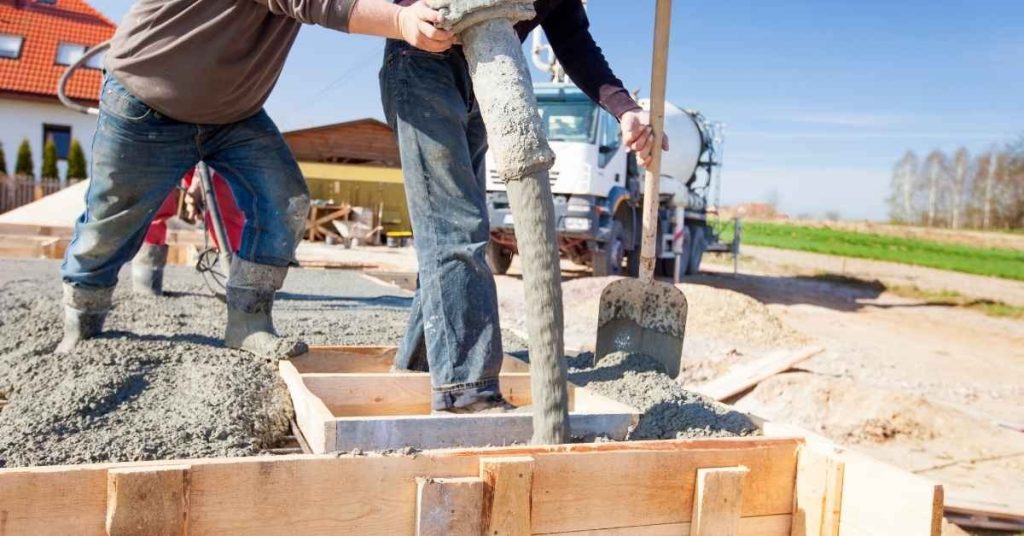
Two workers pouring concrete into wooden formwork outdoors

Pouring Concrete in Two Lifts: Cold Joint Risks and How to Make the Interface Strong

Introduction Pouring concrete in two lifts means placing concrete in one lift, pausing, and then adding a second lift later, which creates a joint between pours. That joint, or cold joint, can be weaker if the surfaces don’t bond well or if the second pour doesn’t integrate with the first. Understanding how this joint forms

Pouring Concrete in Two Lifts: Cold Joint Risks and How to Make the Interface Strong Read More »

Black freestanding bathtub on dark floor with faucet stool and plant

Concrete Birdbath Waterproofing: Coatings vs Liners and Maintenance Reality

Introduction Waterproofing a concrete birdbath involves choosing between coatings and liners to keep water in and debris out. Coatings seal the surface, while liners create a separate interior barrier—each has pros and cons you can verify on product labels. You’ll want to compare how durable, easy to install, and repairable each option is for your

Concrete Birdbath Waterproofing: Coatings vs Liners and Maintenance Reality Read More »

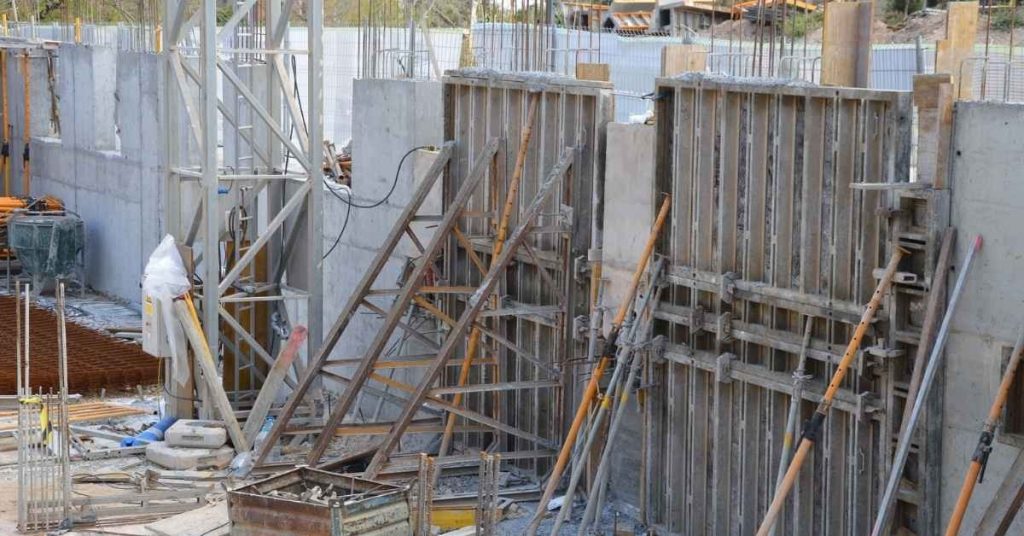
Concrete wall formwork with bracing supports at construction site

How to Fix Concrete That Starts Dusting Early: Curing Mistakes and Densifier Options

Introduction Dusting concrete early means the surface is wearing away, leaving a chalky film. It often comes from curing mistakes that kept the slab too dry or too wet during early hardening. This basic guide covers how to spot it and what you can do next. Densifiers and similar surface hardeners can help bind the

How to Fix Concrete That Starts Dusting Early: Curing Mistakes and Densifier Options Read More »

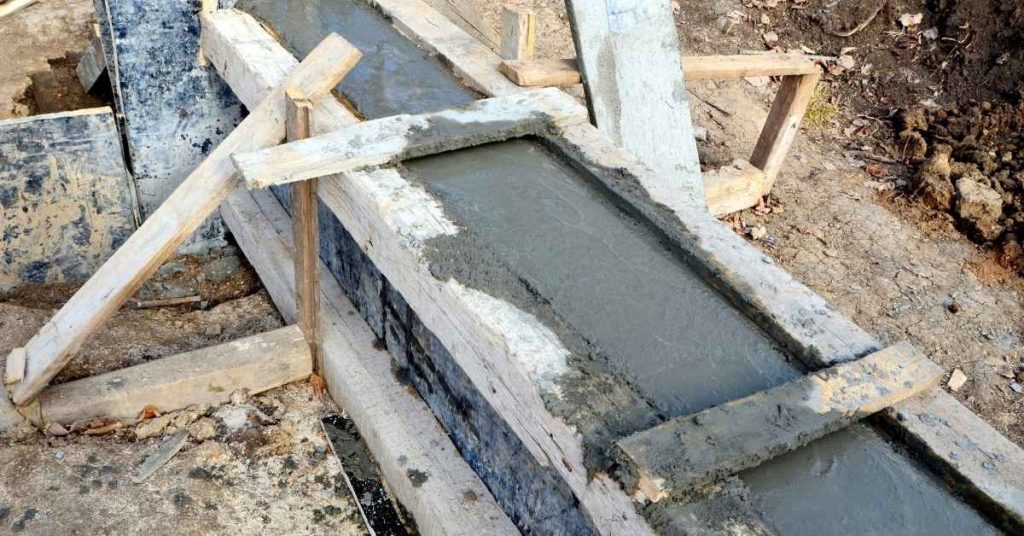
Fresh concrete poured into supported wooden forms outdoors

How to Strip Forms Without Breaking Corners: Release Timing and Support Tricks

Introduction Stripping forms without breaking corners means releasing the form panels at the right time and with proper support so the edges stay sharp. This article gives practical, hands-on tips for homeowners doing a small project. Use the right sequence, supports, and careful tool handling to minimize corner damage. Release timing depends on cure progress

How to Strip Forms Without Breaking Corners: Release Timing and Support Tricks Read More »

Close-up of broken concrete pieces and aggregate rubble

Why Concrete Chips at Control Joints: Sawcut Timing, Aggregate, and Edge Protection

Introduction Concrete chips at control joints happen when sawcuts are not timed with the curing stage and edge protection isn’t maintained. In practice, the cut should occur when the slab has enough strength but before random cracks form. If you rush or delay, you can end up with chipped edges and uneven joints. Timing is

Why Concrete Chips at Control Joints: Sawcut Timing, Aggregate, and Edge Protection Read More »