Search Results for: how tpo

Red-handled tool smoothing fresh concrete surface

Can You Use Hot Tap Water in Concrete: Set Control Without Flash Set

Introduction Hot tap water can affect concrete set, but it is not a reliable method for controlling flash set. Mixing with hot water can lead to uneven setting and create thermal stresses in the mix. Always check manufacturer guidance and local rules before using hot water in mixes. Using hot water introduces risks to strength, […]

Can You Use Hot Tap Water in Concrete: Set Control Without Flash Set Read More »
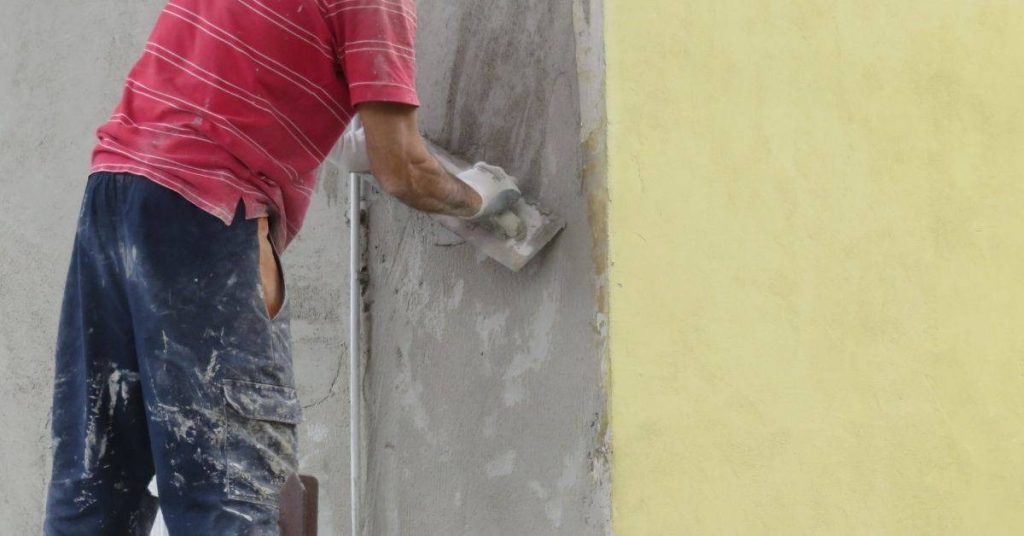
Worker applying stucco on an exterior wall section

Stucco Kickout Flashing Retrofit: Minimal Removal Approaches That Actually Work

Introduction Stucco kickout flashing is a piece of flashing, usually metal or plastic, installed at the edge where the roof overhang meets a stucco wall to redirect water away. This article outlines minimal-removal retrofit ideas that still guide water correctly and protect the wall. You’ll need simple hand tools, basic fasteners, and compatible flashing material

Stucco Kickout Flashing Retrofit: Minimal Removal Approaches That Actually Work Read More »

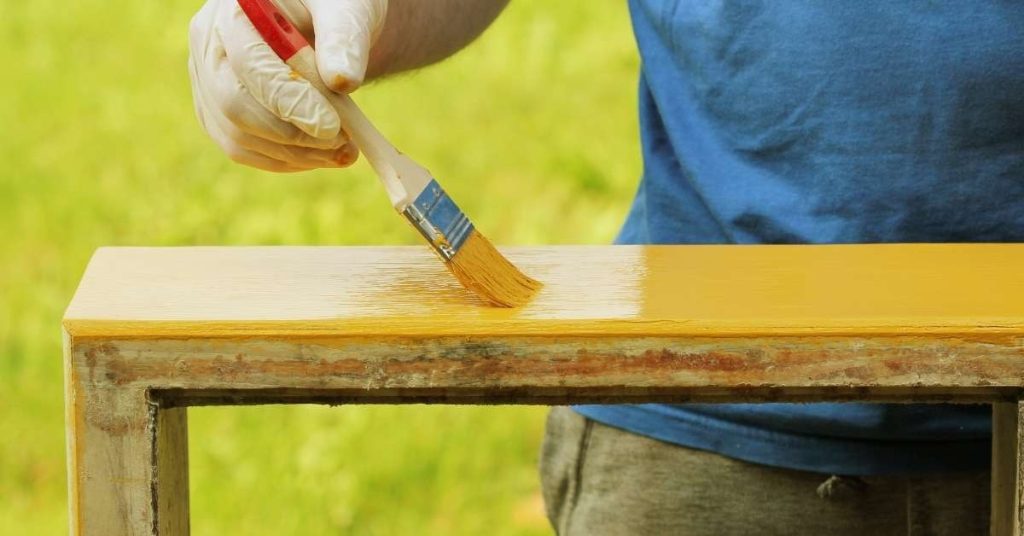
Person painting wooden frame with yellow paint brush

Painting Masonry Indoors: Managing Moisture Drive and Picking a Mineral Coating

Introduction Painting masonry indoors is about selecting a mineral coating and managing moisture to prevent staining and failure. Understanding moisture drive helps you spot efflorescence (mineral deposits) and mold so you treat the wall correctly. This article gives a hands-on, plain-English guide for safely assessing walls, cleaning where needed, and choosing a coating that resists

Painting Masonry Indoors: Managing Moisture Drive and Picking a Mineral Coating Read More »

Person holding paint roller wearing gloves and blue overalls

Why New Paint Smells for Weeks: VOC Reality, Cure Conditions, and How to Vent Safely

Introduction VOC stands for volatile organic compounds, and new paint can release these compounds that cause odors lasting days or weeks. The duration depends on the product and conditions, and the smell comes from solvents and other components off-gassing. Ventilation, temperature, and how well the space is sealed influence how long it lingers—check the product

Why New Paint Smells for Weeks: VOC Reality, Cure Conditions, and How to Vent Safely Read More »

Colorful plastic zip ties in white yellow green and orange

How to Use Plastic Sheet Tests Correctly: Condensation vs Darkening and What Each Means

Introduction A plastic sheet test is a simple DIY method to observe whether moisture on a concrete surface is from condensation or from darkening. You place a clear plastic sheet on the surface for a set period and check for fogging or dampness under the sheet. Use it as a quick check during finishing work,

How to Use Plastic Sheet Tests Correctly: Condensation vs Darkening and What Each Means Read More »

paintbrush next to an open can of blue paint

Moisture Issues Under Coatings: DIY Screening That Beats Guessing

Introduction Moisture issues under coatings occur when dampness gets trapped beneath the finish, weakening adhesion and inviting rot. This article explains in plain terms how to spot it, screen for it, and decide what to fix. Think of it as a DIY screening approach you can do with basic checks and honest inspections. Moisture quilts

Moisture Issues Under Coatings: DIY Screening That Beats Guessing Read More »

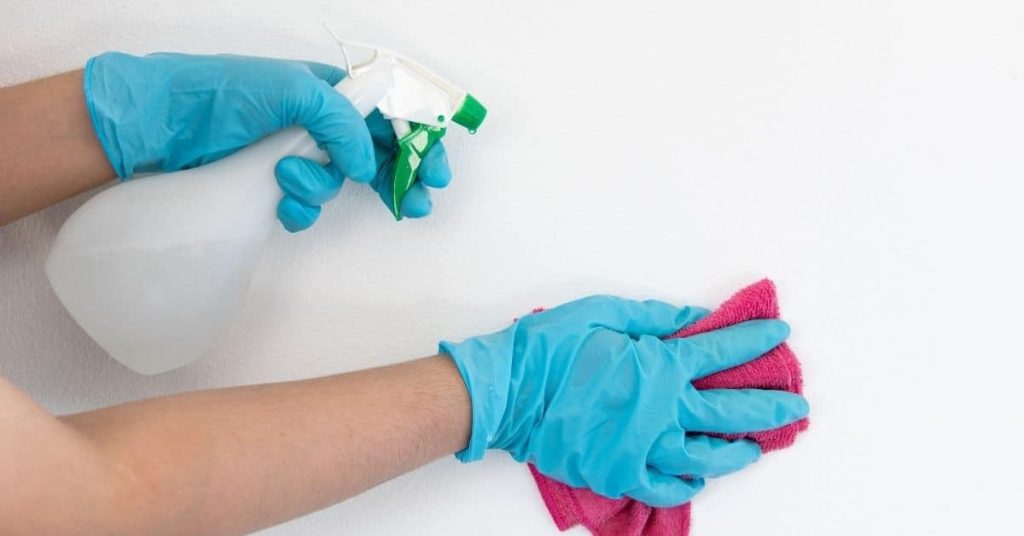
Hands in blue gloves spraying and wiping white wall with cloth

How to Remove Ice Melt Residue Before Resealing: Cleaning Without Etching

Introduction Removing ice melt residue after sealing is cleaning concrete surfaces without etching the finish. Use a non-acid cleaner and plenty of clean water, and work from the edges toward the center to avoid spreading residue. Test a small area first and scrub gently with a soft brush, then rinse well. Look for signs of

How to Remove Ice Melt Residue Before Resealing: Cleaning Without Etching Read More »

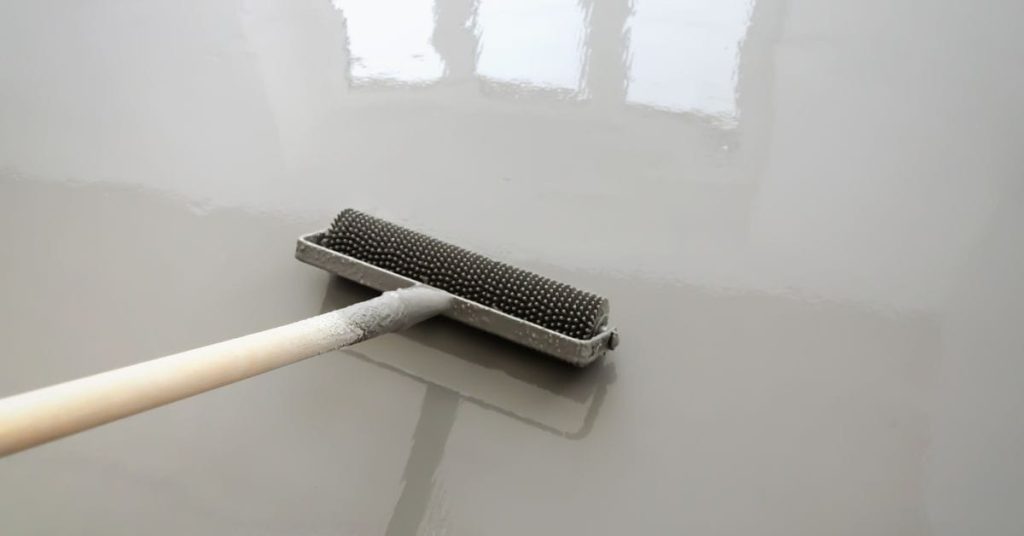
Paint roller with textured surface applying coating on floor

Flake Floor Topcoat Orange Peel: Roller Choice, Pot Life, and Temperature Effects

Introduction Flake Floor Topcoat Orange Peel is a textured coating finish created by rolling to leave small pits in the surface. Choose a roller with a short nap and a smooth frame, and test small areas to see how the texture lands. Apply in even coats and follow the manufacturer’s guidance for drying and cure

Flake Floor Topcoat Orange Peel: Roller Choice, Pot Life, and Temperature Effects Read More »

Person wearing dusty work boots standing on exposed wooden floor joists

Polyaspartic That Sets Too Fast: Staging Your Work to Avoid Lap Marks

Introduction When a polyaspartic coating sets too fast, you lose time to blend edges and fix lap marks. Staging your work means breaking the job into smaller batches so you can maintain a wet edge and avoid visible seams. This article gives practical, hands-on tips you can apply at the jobsite. Factors like temperature, humidity,

Polyaspartic That Sets Too Fast: Staging Your Work to Avoid Lap Marks Read More »

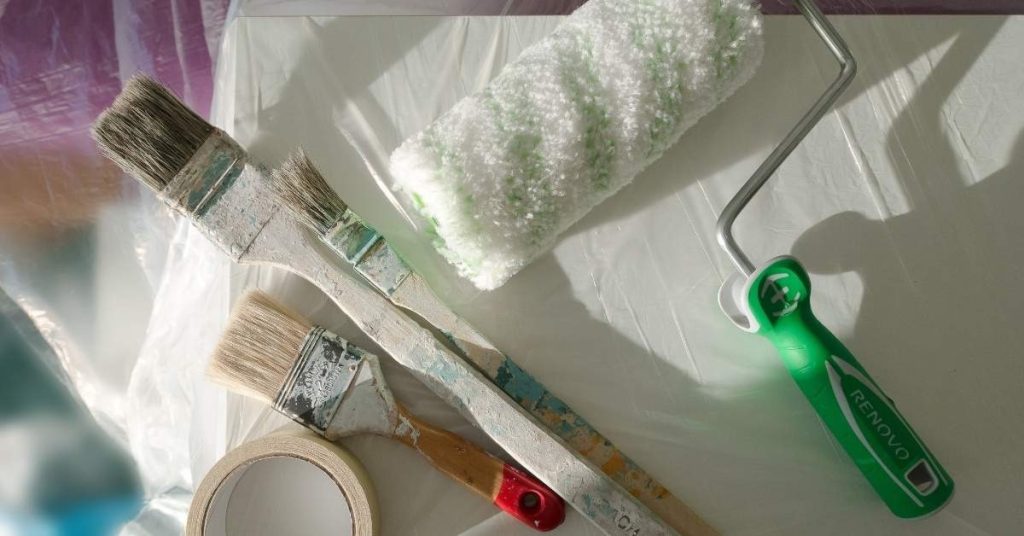
Three paintbrushes paint roller and roll of masking tape

How to Keep Sealant Joints Clean: Masking, Tooling, and Cleanup Without Smearing

Introduction Keep sealant joints clean by masking, tooling, and cleanup without smearing. This intro covers how to prep surfaces, mask off areas, and finish joints so you don’t drag old sealant or create ridges. It’s a practical, hands-on guide you can follow on a DIY project from masking to cleanup. We’ll walk through masking off

How to Keep Sealant Joints Clean: Masking, Tooling, and Cleanup Without Smearing Read More »