Search Results for: heat resistant cement for high heat

Concrete wall surface with visible cracking and peeling

Silica Fume for Thin Concrete Sections: How to Use It Without Cracking

Introduction Silica fume is a fine supplementary cementitious material that helps reduce cracking in thin concrete sections. In plain terms, it boosts the concrete mix by refining the pore structure and tightening the finish. It’s something you mix in with cement and water per manufacturer instructions. For DIY work, think of it as a tool […]

Silica Fume for Thin Concrete Sections: How to Use It Without Cracking Read More »
Concrete outdoor table with cube stools on gravel patio

Metakaolin for DIY Concrete Countertops: Mix Tweaks, Sealing, and Troubleshooting

Introduction Metakaolin is a pozzolanic additive that can improve the workability and durability of DIY concrete countertops. In practice, it can tighten the mix and help reduce cracking when you’re pouring custom countertops. Always follow product labels and local rules when mixing. Sealing and curing: use a proper sealer compatible with metakaolin-enhanced mixes and follow

Metakaolin for DIY Concrete Countertops: Mix Tweaks, Sealing, and Troubleshooting Read More »

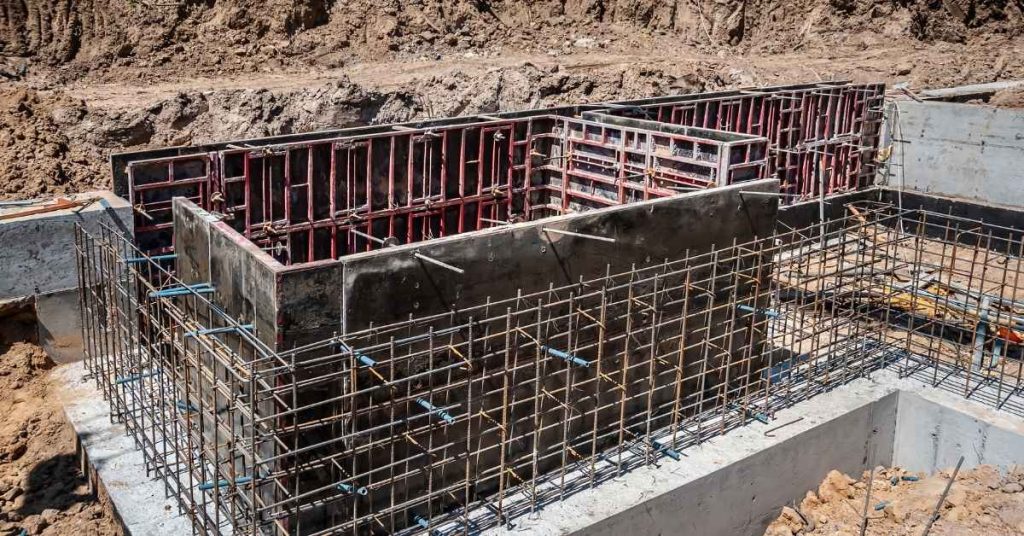
Concrete foundation with steel rebar and formwork on construction site

How to Use Hydration Stabilizers: Small Pours, Hot Weather, and Long Hauls

Introduction Hydration stabilizers are additives that help concrete stay workable and set more predictably during small pours, hot weather, or long hauls. They help manage hydration so you can pour when conditions would normally cause workability loss or early stiffening. You’ll use them by following simple mixing steps and applying the stabilizer according to the

How to Use Hydration Stabilizers: Small Pours, Hot Weather, and Long Hauls Read More »

Unfinished concrete building structure with window openings

Papercrete (Cardboard Concrete): Common Problems, Simple Tests, and Fixes That Last

Introduction Papercrete is a composite made from shredded paper or cardboard mixed with a cementitious binder to form a lightweight, workable material. It relies on the paper fibers to add bulk and some insulation, while the binder provides strength. It’s a hands-on option that varies with the exact mix, moisture, and curing conditions, so results

Papercrete (Cardboard Concrete): Common Problems, Simple Tests, and Fixes That Last Read More »

Construction workers reviewing blueprints on table

Construction Joint Waterstops: PVC vs Bentonite vs Hydrophilic (How to Choose)

Introduction Waterstops for construction joints are barriers installed in concrete joints to prevent leaks. PVC, bentonite, and hydrophilic types each work differently, and the choice depends on how the joint will be used. Check the product label, follow manufacturer instructions, and confirm local rules before installing. PVC waterstops are a common rigid option you position

Construction Joint Waterstops: PVC vs Bentonite vs Hydrophilic (How to Choose) Read More »

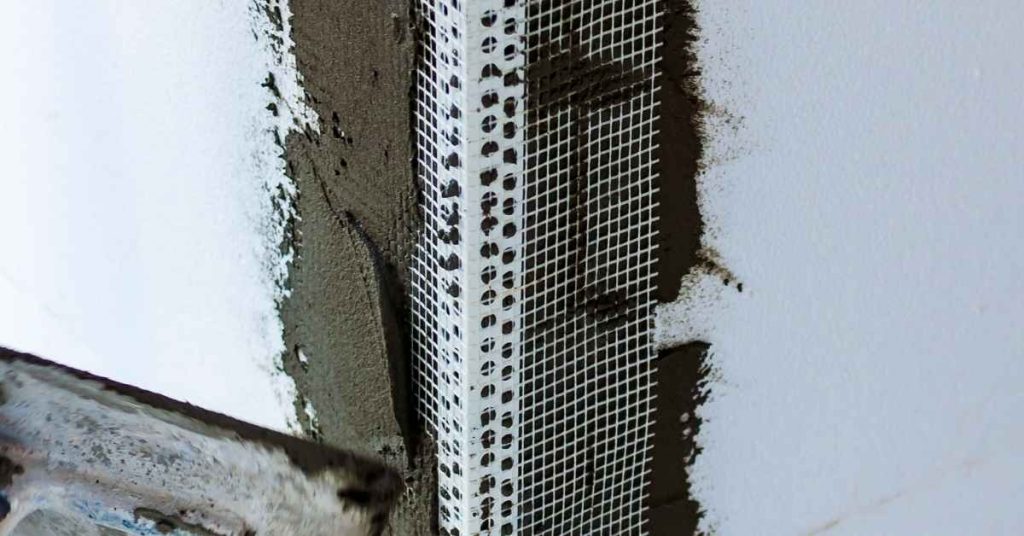
White mesh embedded in wet stucco on white wall surface

Stucco Over ICF Walls: Mesh, Fasteners, and Crack Control at Openings

Introduction Stucco over ICF walls means applying a cement-based veneer to insulated concrete forms using a proper weather-resistive layer, reinforcement mesh, and secure fasteners so the finish sticks and moves with the wall. This job needs the right mesh type, fastener method, and detailing at windows and doors to control cracking; check the stucco manufacturer’s

Stucco Over ICF Walls: Mesh, Fasteners, and Crack Control at Openings Read More »

close up of white textured plaster finish surface

Repairing EIFS Impact Damage: Base Coat Build, Mesh, and Finish Matching

Introduction Repairing EIFS impact damage means rebuilding the base coat, reapplying the reinforcing mesh, and matching the textured finish so the patch looks and performs like the existing wall. This is a hands-on job that focuses on cleanup, solid bonding of the base coat, correct embedding of mesh, and careful texture and color matching. Check

Repairing EIFS Impact Damage: Base Coat Build, Mesh, and Finish Matching Read More »

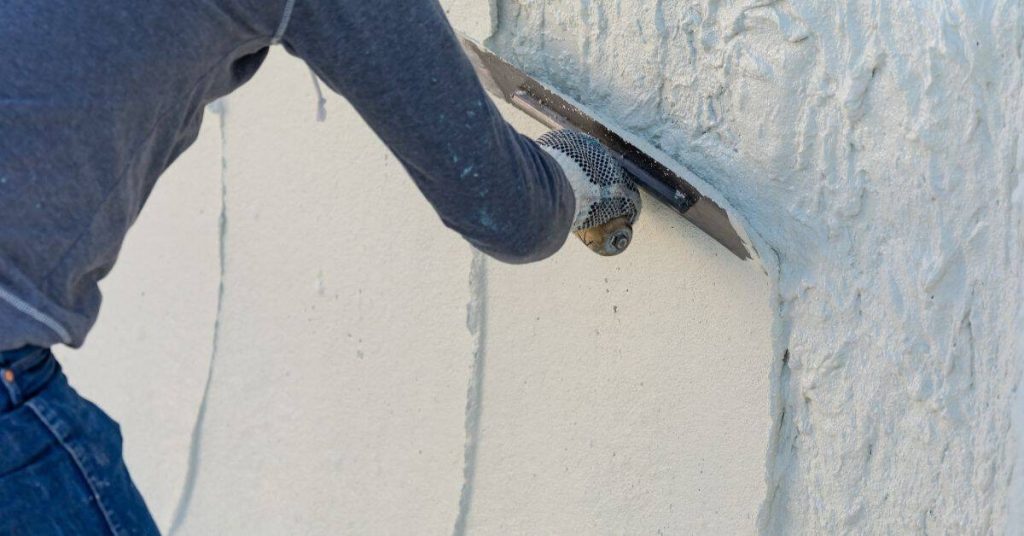
Person smoothing stucco on exterior wall with trowel

Drainage Stucco vs Barrier Stucco: How to Tell What You Have on Your House

Introduction Drainage stucco is a cladding system designed to let water that gets behind the finish drain out, while barrier stucco is meant to shed water at the surface and keep moisture out; that’s the practical difference. Think of drainage as a layered system with a gap or channels to manage moisture and barrier as

Drainage Stucco vs Barrier Stucco: How to Tell What You Have on Your House Read More »

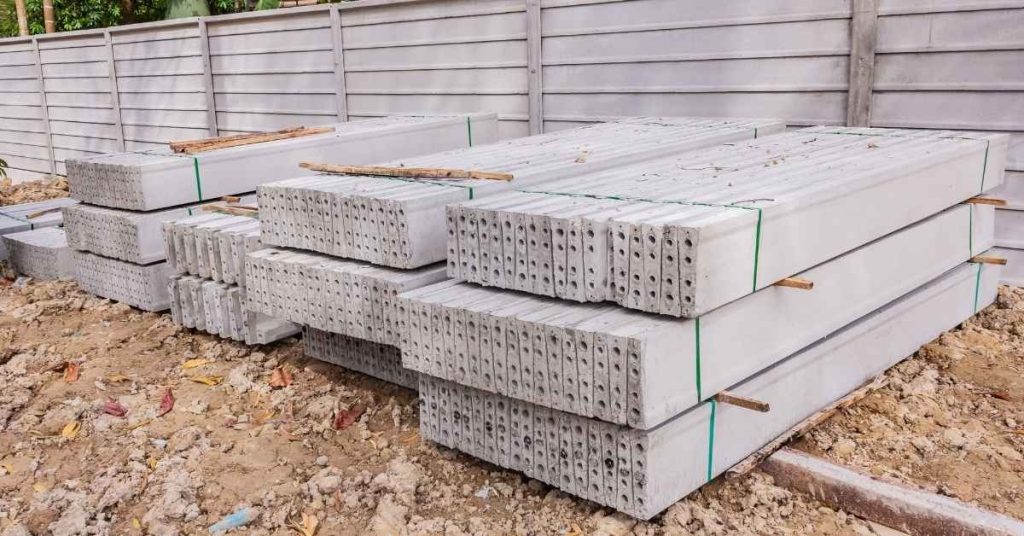
Stacked precast concrete hollow core slabs on dirt ground

Stucco at Concrete Slabs: Proper Gap, Sealant Joint, and How to Fix a Tight Termination

Introduction Stucco at concrete slabs means leaving a controlled gap and sealing it so the finish can move without cracking at the slab edge. This protects the stucco from moisture wicking and movement from the slab; check product instructions and local rules for the gap size and backing material. A proper joint combines a backing

Stucco at Concrete Slabs: Proper Gap, Sealant Joint, and How to Fix a Tight Termination Read More »

Hand holding paint roller with rusty orange paint near old paint-splattered ladder

Clay Plaster Pigments: Color Mixing, Mottling Control, and How to Test Panels

Introduction Clay plaster pigments are natural earths and oxides mixed into clay-rich binders to tint finishes, and color control comes down to careful mixing, testing, and understanding how clay and additives shift hue and value. For DIY panels, make small test boards, try layered thin coats, and note drying color versus wet—check product labels and

Clay Plaster Pigments: Color Mixing, Mottling Control, and How to Test Panels Read More »