Search Results for: heat resistant cement for high heat

Gray Venetian plaster wall texture with subtle irregular patterns

Plaster in Kitchens: Grease Contamination Tests and Primer Choices Before Painting

Introduction Plaster in kitchens means checking for grease contamination and choosing the right primer before you paint to ensure the finish sticks and cleans up later. I’ll walk you through quick, practical grease tests you can do with household items and what to look for so you know when surface conditioning is needed. This is […]

Plaster in Kitchens: Grease Contamination Tests and Primer Choices Before Painting Read More »

Person applying plaster over blue mesh on wall

Reinforcing Plaster at Material Transitions: Mesh Choices That Don’t Telegraphed Through

Introduction Reinforcing plaster at material transitions means embedding the right type of mesh or alternative so the joint won’t crack or show through once the plaster dries. Pick a mesh compatible with your plaster and substrate and follow the product label and common-sense joint detailing to avoid telegraphing. If you’re unsure which mesh to use,

Reinforcing Plaster at Material Transitions: Mesh Choices That Don’t Telegraphed Through Read More »

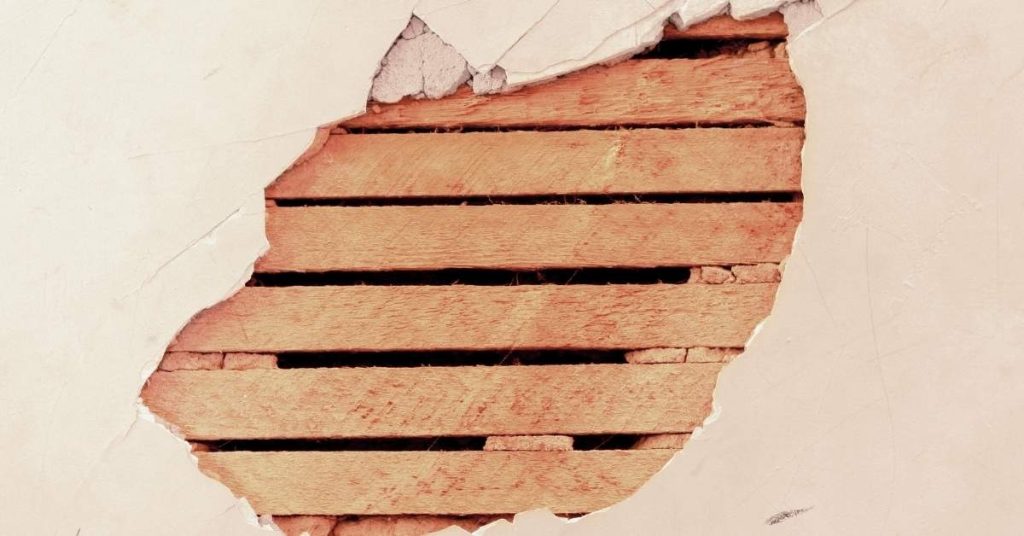
Wooden lath exposed through broken plaster wall

Plaster Key Failure on Wood Lath: Diagnosing, Re-Keying, and When to Add Mesh

Introduction Plaster key failure on wood lath happens when the plaster pulls away from or loses grip on the lath, leaving loose or hollow areas that will crack or fall out. This write-up shows practical ways to diagnose where keys failed, how to re-key small patches, and when adding mesh or repairing lath is the

Plaster Key Failure on Wood Lath: Diagnosing, Re-Keying, and When to Add Mesh Read More »

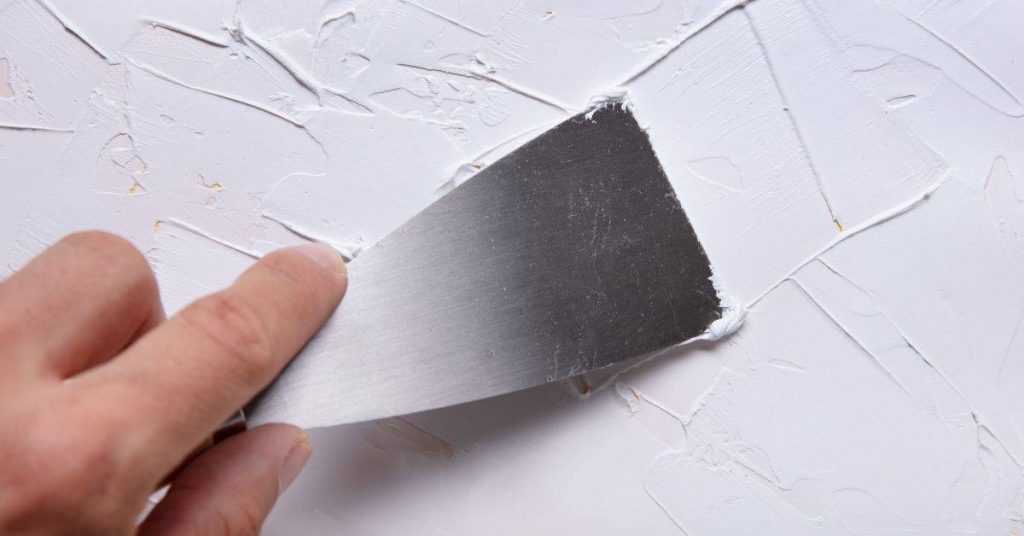
Hand applying white plaster with putty knife

How to Choose Lime Putty vs Hydrated Lime for Plaster: Workability and Strength Differences

Introduction Lime putty is hydrated lime that has been slaked and aged into a smooth, creamy paste, while hydrated lime (powder) is the dry product you mix on site; putty gives a softer, more workable mortar and powder is quicker to store and use. For a DIY plaster job, choose putty when you want long

How to Choose Lime Putty vs Hydrated Lime for Plaster: Workability and Strength Differences Read More »

Worker applying stucco around windows with protective coverings

Stucco at Window Sills: Drip Edges, End Dams, and How to Stop Staining Below

Introduction Stucco at window sills is the way the exterior plaster and the window flashing work together to shed water away from the opening; a proper setup keeps water off the wall below and prevents staining. In practice that means installing a flashinged sill, a drip edge or kerf, and end dams where the stucco

Stucco at Window Sills: Drip Edges, End Dams, and How to Stop Staining Below Read More »

Close-up of textured white gypsum plaster surface

Plaster Drying vs Curing: Why Waiting Longer Can Prevent Paint Failure

Introduction Plaster drying is the loss of surface moisture while curing is the chemical hardening process that gives plaster strength; both happen but on different timelines. In plain jobsite terms, the surface can look dry long before the gypsum or cement bond fully sets, so painting too soon risks adhesion problems. Check product labels and

Plaster Drying vs Curing: Why Waiting Longer Can Prevent Paint Failure Read More »

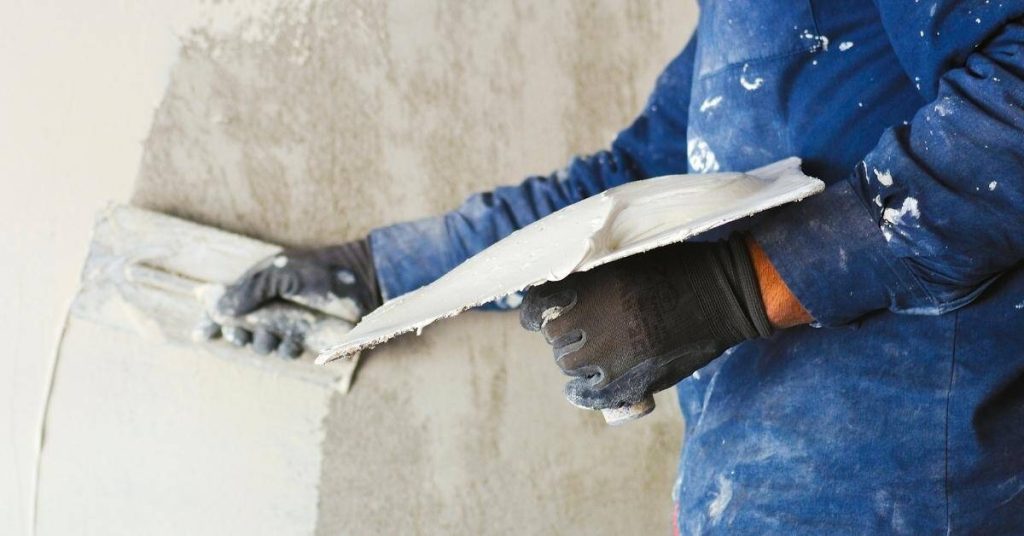
Person applying plaster to wall with trowel and hawk

Plaster Baseboard Dings and Gouges: Fast Patch Options That Don’t Shrink Back

Introduction Plaster baseboard dings and gouges are shallow to moderate damages along the plaster or drywall near the floor that you can tack quickly without later sinking or cracking. In plain terms: pick a stable, shrink-resistant patch material, prepare the area, and feather it to the surrounding surface so the repair bonds and stays flat.

Plaster Baseboard Dings and Gouges: Fast Patch Options That Don’t Shrink Back Read More »

Person applying plaster to wall with putty knife

Adding Fibers to Plaster: Hemp, Cellulose, and Horsehair Alternatives Compared

Introduction Adding fibers to plaster means mixing natural fibers like hemp, cellulose, or horsehair into a lime or clay binder to improve crack resistance and tensile strength; choose the fiber type and preparation based on the binder and final exposure. From a DIY foreman’s view, hemp is strong and long fibers need chopping, cellulose is

Adding Fibers to Plaster: Hemp, Cellulose, and Horsehair Alternatives Compared Read More »

Hand holding plastering trowel against white wall background

Venetian Plaster Burnishing: Tool Choice, Timing, and How to Avoid Black Marks

Introduction Venetian plaster burnishing is the final rubbing of a polished plaster surface to compact and shine it using the right tools at the right moment. Pick flexible trowels or burnishers suited to your plaster type and check the product label for recommended tools, and make sure the base coat is dry and sound before

Venetian Plaster Burnishing: Tool Choice, Timing, and How to Avoid Black Marks Read More »

Close-up of paint roller applying white paint on wall corner

How to Paint Over Silicone Contamination: Solvents, Abrasion, and Specialty Primers

Introduction Painting over silicone contamination means removing or isolating slick silicone residue so paint will stick; that can be done with solvents, mechanical abrasion, or specialty primers depending on how much silicone is present. Start by testing a small area to see if solvent or sanding removes the contamination, and always check product labels and

How to Paint Over Silicone Contamination: Solvents, Abrasion, and Specialty Primers Read More »