Search Results for: heat resistant cement for high heat

Hand holding paint roller with orange paint above drop cloth

Painting Over Fresh Concrete: pH Testing, Wait Times, and Primer Selection

Introduction Painting over fresh concrete means making sure the slab is ready and won’t ruin your paint job; that starts with testing alkalinity, letting the concrete cure, and choosing a primer that matches the slab’s condition. In plain jobsite terms: test surface pH, wait the right amount of time based on the product you plan […]

Painting Over Fresh Concrete: pH Testing, Wait Times, and Primer Selection Read More »
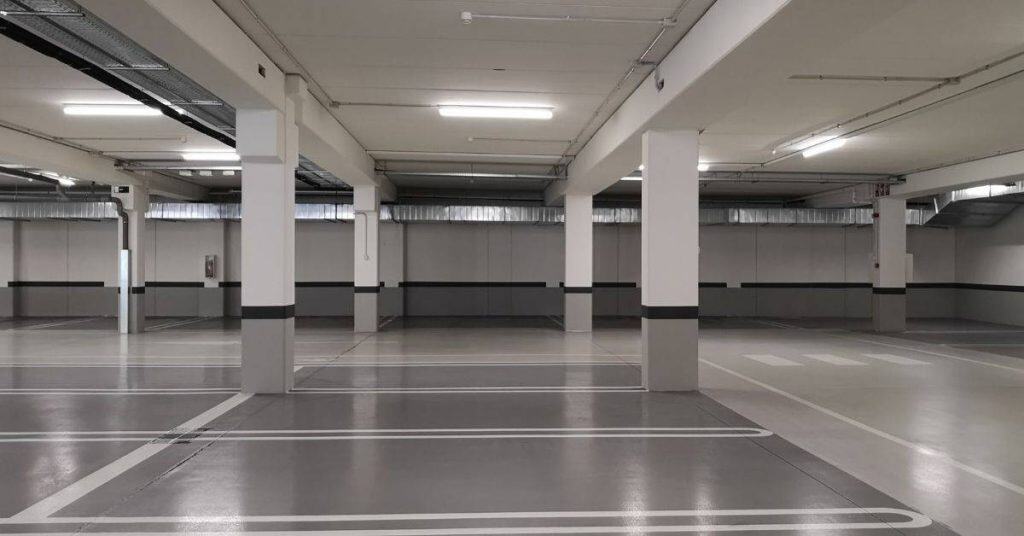
Empty indoor concrete parking garage with columns and marked spaces

How to Reduce Hot-Tire Pickup on Garage Coatings: Cure Time and Topcoat Choices

Introduction Reducing hot-tire pickup on garage coatings means giving the coating enough cure time and choosing a topcoat that resists softening under heat and rubber contact. In plain jobsite terms: let the base coat harden per the product directions and pick a topcoat designed for vehicular traffic and heat resistance. Check the product label and

How to Reduce Hot-Tire Pickup on Garage Coatings: Cure Time and Topcoat Choices Read More »

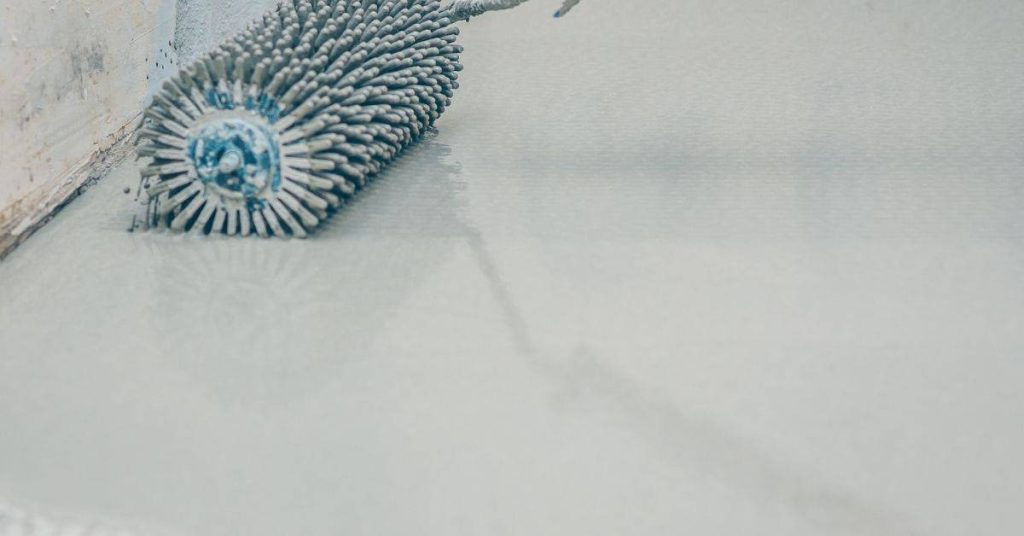
Spiked roller tool on wet floor coating surface

Polyaspartic Floor Coatings for DIY: Working Time, Odor, and Surface Prep Requirements

Introduction Polyaspartic floor coatings are fast-curing two-part coatings used to protect and finish concrete, and for a DIYer that means short working time, noticeable odor, and careful surface prep. Think like a tradesperson: plan your mixing and application in short, deliberate steps and check the product label for working time, recommended respirators, and substrate requirements.

Polyaspartic Floor Coatings for DIY: Working Time, Odor, and Surface Prep Requirements Read More »

Metal paint remover can brush bowl on wooden floor

How to Strip Paint Without Raising Grain: Scraper Technique and Neutralization

Introduction Stripping paint without raising the grain means removing the coating while keeping the wood fibers smooth so you don’t end up with a fuzzy surface. It’s a hands-on process using scrapers and gentle sanding or neutralizers as needed, and you should follow product labels and test a small area first. Expect to adjust technique

How to Strip Paint Without Raising Grain: Scraper Technique and Neutralization Read More »

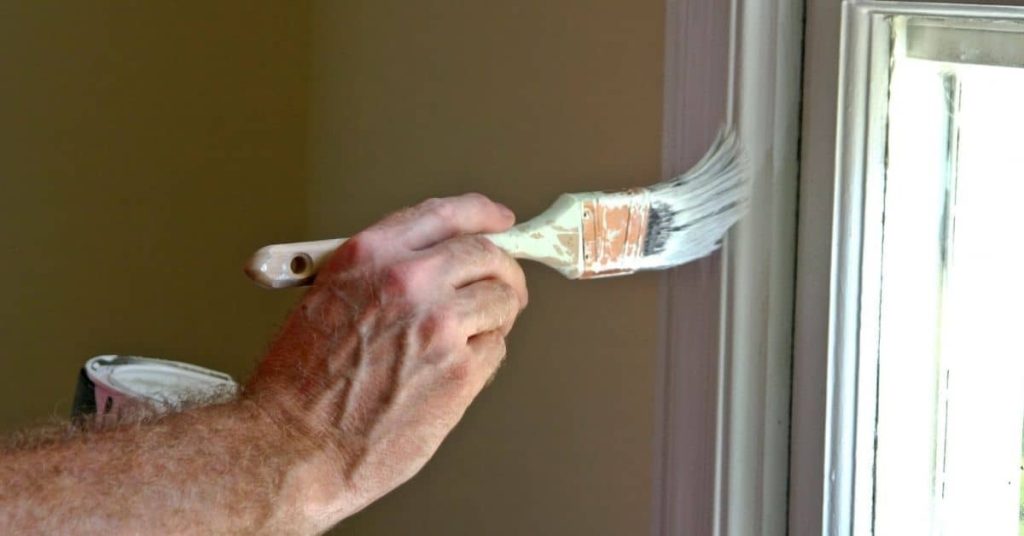
Hand painting white trim near window with brush

Painting PVC Trim: Scuff, Solvent Wipe, and Topcoats That Stay Flexible

Introduction Painting PVC trim means preparing the surface so paint sticks and stays flexible enough to move with the plastic; that starts with scuffing, a solvent wipe, and using the right flexible topcoat. This is a hands-on sequence more like sanding, cleaning, and choosing paints than a chemistry test, but check product labels for adhesion

Painting PVC Trim: Scuff, Solvent Wipe, and Topcoats That Stay Flexible Read More »

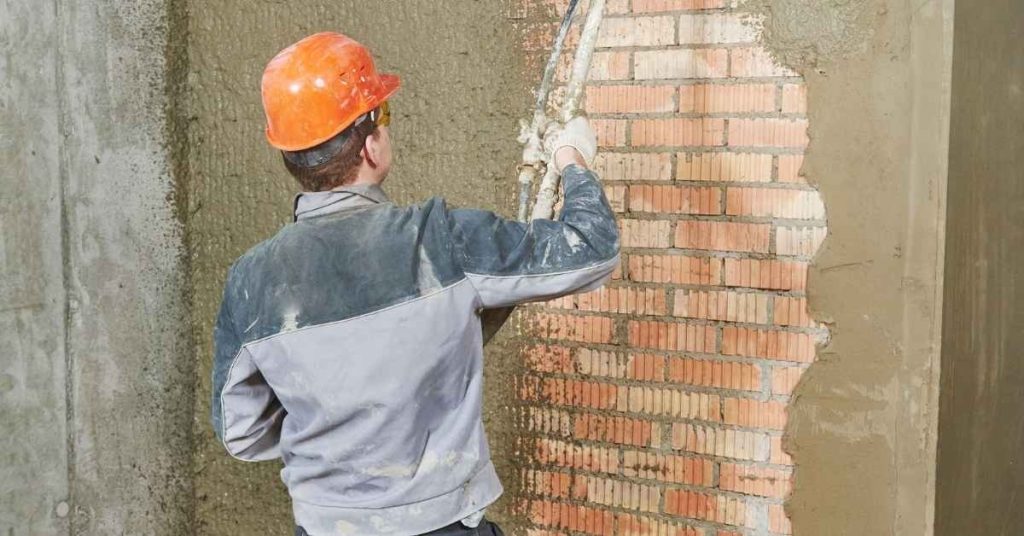
Worker applying stucco onto brick wall wearing orange hard hat

Galvanic Corrosion at Stucco Accessories: Troubleshooting Rust Stains and Effective Repairs

Introduction Discovering rust stains on your otherwise pristine stucco job can be frustrating. Galvanic corrosion is often the culprit, but identifying the cause and implementing effective repairs can be challenging. This guide walks you through troubleshooting galvanic corrosion issues in stucco accessories, helping you diagnose problems, understand their causes, and apply targeted solutions to stop

Galvanic Corrosion at Stucco Accessories: Troubleshooting Rust Stains and Effective Repairs Read More »

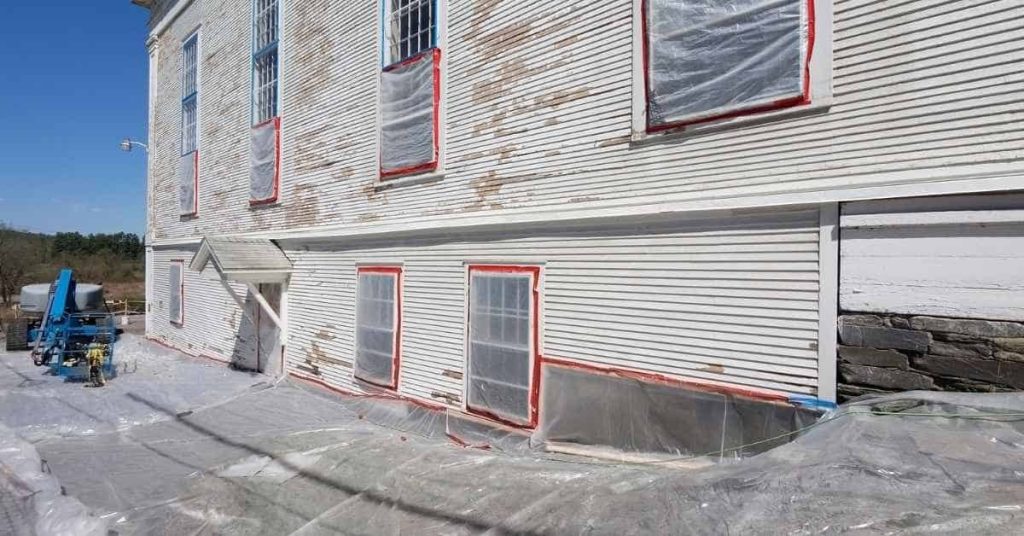
House exterior with windows covered in plastic sheeting and taped edges

Masking Plastic vs Paper: Overspray Control Without Static Dust Problems

Introduction Masking plastic vs paper is about choosing the right sheet for catching overspray while avoiding static-attracted dust — plastic resists moisture and makes a light, slippery barrier, while paper lays down with less static so dust won’t cling as much. Think of plastic for areas that need water resistance and containment, and paper for

Masking Plastic vs Paper: Overspray Control Without Static Dust Problems Read More »

Man working on pool deck installation using tools and safety glasses

Painting Pool Decks: Slip Resistance, Chlorine, and Cool-Deck Options

Introduction Painting pool decks means choosing a coating that resists slipping, stands up to chlorine and pool chemicals, and stays cooler underfoot; it’s a practical surface upgrade, not a decorative paint job. Think about slip additives, chemical resistance, and reflective or “cool” coatings when you pick products, and always check the label and manufacturer instructions

Painting Pool Decks: Slip Resistance, Chlorine, and Cool-Deck Options Read More »

Three paintbrushes and one paint roller on yellow background

How to Paint Stairs for Grip: Additives, Abrasion Resistance, and Maintenance

Introduction Painting stairs for grip means using paint and additives that improve traction and hold up to foot traffic while keeping the surface safe and durable. This is a hands-on job: pick the right paint for the stair material, choose a compatible anti-slip additive or aggregate, and follow the product directions and local rules for

How to Paint Stairs for Grip: Additives, Abrasion Resistance, and Maintenance Read More »

Spray Booth Ventilation for DIY Projects: Fan Types and Safe Filter Stacks

Introduction Spray booth ventilation is the system that moves contaminated air away from your work area and through filters or exhaust so you can breathe and keep overspray under control. In a DIY setup that means choosing the right fan type for the space and building a filter stack that captures paint particles and solvents;

Spray Booth Ventilation for DIY Projects: Fan Types and Safe Filter Stacks Read More »