Person applying plaster to wall with putty knife

Adding Fibers to Plaster: Hemp, Cellulose, and Horsehair Alternatives Compared

Introduction

Adding fibers to plaster means mixing natural fibers like hemp, cellulose, or horsehair into a lime or clay binder to improve crack resistance and tensile strength; choose the fiber type and preparation based on the binder and final exposure. From a DIY foreman’s view, hemp is strong and long fibers need chopping, cellulose is easy to blend but check fire and moisture treatments, and horsehair is traditional and forgiving in lime plasters; always check product labels and local guidance for compatibility and safety.

Historically these fibers have been used to hold earthen and lime plasters together, and you can use similar hands-on techniques today with basic tools and good mixing practices. Think sustainability and handling—consider where the wall will be wet or heated, how fibers were processed, and whether additional treatments are needed for durability before you mix and apply.

Key takeaways

  • Natural fibers improve crack resistance; verify plaster mix compatibility with your binder.
  • Hemp, cellulose, and horsehair offer different handling; test small batches first.
  • Historical uses show fiber reinforcement varies by regional plaster tradition.
  • Environmental impact hinges on sourcing; prefer certified sustainable hemp or recycled cellulose.
  • Wet plaster with fiber requires even dispersion; avoid clumps or dry pockets.
  • Safety: wear eye protection and dust mask; dispose of untreated fiber waste properly.
Table of Contents

Why Add Fibers to Plaster?

Fibers are added to plaster to reduce cracking, raise impact resistance, and improve dimensional stability by bridging microcracks and slowing crack propagation. In practice they alter workability, influence drying shrinkage, and can add modest thermal or acoustic benefit depending on fiber type and dosage.

Typical uses span new-build finishes, repair and restoration of historic plaster, and composite renders where increased toughness or crack control is needed. Verify product limits and recommended dosages on the label or technical data sheet, test mixes on-site, and check compatibility with your lime, gypsum, or cement binder before committing to a full application.

Purpose and key benefits

Adding fibers to plaster isn’t just about strengthening it. Fibers alter how plaster behaves, making it better at resisting cracks, handling impacts, and staying stable over time.

Crack resistance: Fibers bridge microcracks as they form, stopping them from growing bigger. This is especially useful in areas with movement, like around windows or doors.

Impact toughness: Fibers absorb energy when something hits the plaster, making it less likely to chip or crumble. This is great for high-traffic zones or homes with kids and pets.

Dimensional stability: Fibers help control drying shrinkage, reducing the risk of cracks from moisture loss. This is crucial in large areas or thick coats.

Typical use cases and suitability

Fiber-reinforced plaster isn’t one-size-fits-all. Different plasters and projects benefit from fibers in different ways.

Plaster types: Lime, cement, gypsum, and earthen plasters can all accept fibers. Lime plasters are great for heritage repairs due to their breathability, while cement plasters with fibers make excellent renders.

Project types: Thin-coat finishes like lime plaster with horsehair can create beautiful, durable surfaces. Insulating renders often use cellulose or hemp fibers for added thermal performance. For restoration work, matching the original fiber type and dosage is key.

When to consider fibers: Any project where crack resistance, impact toughness, or dimensional stability are important should consider adding fibers. This includes new builds, renovations, and heritage restorations.

Back to top ↑

Fiber Types Compared: Hemp, Cellulose, Horsehair, and Other Natural Alternatives

Hemp is a plant fiber supplied as chopped or short staple bundles, cellulose is commonly supplied as shredded or loose pulp, and horsehair is an animal fiber available as long strands or shorter shreds; each origin affects availability and handling. The physical form—loose, chopped, batts, or pre-mixed additive—changes dispersion in the mix and influences workability and finishability.

Processing level (raw, cleaned, or treated) and supply format determine dust, odor, and ease of mixing; treated or combed fibers usually reduce impurities. For flax, jute, or wool, consider similar handling notes but check supplier purity, recommended mixing rates in the product data sheet, and any safety guidance before use.

Hemp fibers

Hemp’s long, strong fibers are ideal for reinforcing plaster. They’re typically chopped into short lengths (5-20mm) for easy mixing and better distribution in your plaster.

These fibers add toughness to your mix, helping resist cracks from settling or minor impacts. Plus, they help regulate moisture, buffering hygrothermal changes that can cause stress on your plaster.

Limitations: Hemp’s strength comes at a cost – it’s pricier than some other options. Also, ensure you’re using clean, non-toxic hemp fibers to avoid any health risks.

Cellulose fibers

Cellulose comes from recycled paper or plant pulp, making it an eco-friendly choice. It’s usually available in loose form or as fibrillated strands.

Cellulose excels at controlling cracks and improving insulation. Its high aspect ratio (length-to-diameter) helps it bridge micro-cracks, preventing them from growing larger. Plus, it traps air pockets for better thermal performance.

Considerations: Cellulose absorbs moisture, so it’s crucial to keep your mix workable. Also, ensure you’re using a high-quality product with minimal contaminants.

Horsehair and animal fibers

Historically, horsehair was used in lime plasters for its strength and flexibility. Today, it’s less common but still used in earthen and lime plasters.

Animal fibers like horsehair behave differently than plant-based fibers. They’re more flexible, helping to absorb movement and vibration without breaking. However, they can be harder to source and may have a distinct odor that some find unpleasant.

Handling: Be prepared for some shedding when working with loose horsehair. Also, ensure it’s clean and free from any contaminants before mixing into your plaster.

Back to top ↑

Environmental and Health Impacts

Natural fibers (hemp, cellulose, horsehair) generally offer better biodegradability and renewable sourcing compared with many synthetic fibers, but lifecycle impacts vary by manufacturing and transport. Consider cradle-to-grave factors—embodied carbon, processing energy, and end-of-life options—and compare those against synthetics when choosing a material for whole-life performance.

Indoor impacts hinge on treatments and moisture management: some preservatives or compatibilizers can emit VOCs, and organic fibers may affect mold risk if assemblies stay wet. Check manufacturer statements and safety data sheets for treatment chemicals, and choose fibers based on project duration, climate, and local waste-streams; if unsure, consult reputable lifecycle benchmarks and product documentation.

Embodied impact and sustainability trade-offs

The first step in comparing fibers is looking at their lifecycle impacts. This means considering everything from the moment they’re made until they’re disposed of.

Embodied energy/carbon: Natural fibers like hemp, cellulose, and horsehair generally have lower embodied energy than synthetics. But remember, transport plays a big role here. If it’s shipped halfway around the world, that adds up fast.

Sourcing matters too. Locally-sourced materials can reduce your project’s carbon footprint. Check if there are local suppliers for these fibers.

Indoor air quality and chemical treatments

Next, consider indoor air quality. Some fibers come with treatments to boost their performance. These can affect your indoor environment.

Chemical treatments: Natural fibers might be treated with borates for mold resistance. Synthetics could have flame retardants. Check product safety data sheets (MSDS) to understand what’s in them and any potential off-gassing.

VOCs, or volatile organic compounds, can affect indoor air quality. Some treatments may release VOCs over time. Make sure your chosen fiber won’t compromise your indoor air quality.

End-of-life and disposal

Lastly, think about what happens at the end of a plaster’s life. This is where natural and synthetic fibers differ significantly.

Biodegradability: Natural fibers can biodegrade over time. This makes them easier to dispose of or repurpose. Synthetics don’t break down as easily and may end up in landfills.

Recycling isn’t always an option for plaster waste. But if you’re using natural fibers, at least you know they won’t sit in a landfill forever. Plus, some can be composted or used in other ways after their plaster life is over.

Back to top ↑

Physical and Performance Characteristics in Plaster

Fibers change mechanical behavior by improving tensile and flexural response and helping control shrinkage cracks; compatibility with lime, gypsum, or cement binders governs the net effect. Fiber geometry and dosage will influence water demand, workability, and finish quality, so trial mixes are essential to dial in performance without harming adhesion or set behavior.

Moisture behavior, thermal mass, and acoustic damping also shift with fiber content: natural fibers can aid vapor buffering and slightly reduce heat transfer in lightweight mixes. For fire and durability concerns, check fire test data and manufacturer guidance, and run practical on-site checks for dispersion, protrusion, and long-term moisture cycling before acceptance.

Mechanical performance and crack control

Adding fibers to plaster matrices can significantly boost their mechanical properties. Hemp, cellulose, and horsehair fibers act as reinforcement by bridging micro-cracks that form during drying or under stress.

Longer fibers provide better tensile bridging, but they also pose dispersion challenges. Short fibers are easier to disperse but offer less post-crack strength. Strike a balance based on your specific needs.

Tensile and flexural strengths improve with fiber addition. Modulus of rupture increases too, making plaster more resistant to sudden breaks. Compatibility varies: lime plasters prefer hemp or horsehair; gypsum likes cellulose; cementitious mixes take all.

Thermal and acoustic effects

Fibers can slightly lower thermal conductivity in plaster, enhancing insulation. But the effect is minor in thin layers – focus on fiber’s moisture management and strength benefits instead.

Sound absorption improves with added fibers. Dense systems like cementitious plasters with horsehair or hemp absorb more sound than lightweight gypsum-cellulose mixes. Use this to your advantage in noisy areas, but don’t expect dramatic results.

Thermal mass remains mostly unchanged. Fibers don’t significantly impact plaster’s ability to store and release heat slowly.

Moisture management and fire behavior

Fibers boost vapor permeability, helping plasters breathe. This reduces moisture buildup, minimizing mold risk. Hemp and horsehair excel at capillary suction control, keeping walls drier.

Fire performance varies. Cellulose ignites easily; avoid in high-risk areas. Hemp and horsehair are more fire-resistant but can still contribute to flame spread if not properly tested. Always verify with test data before using in critical applications.

Fibers also influence setting time, work-life, and water demand. Expect longer setting times and reduced water demand as fiber content increases. Plan your finishing schedule accordingly.
Back to top ↑

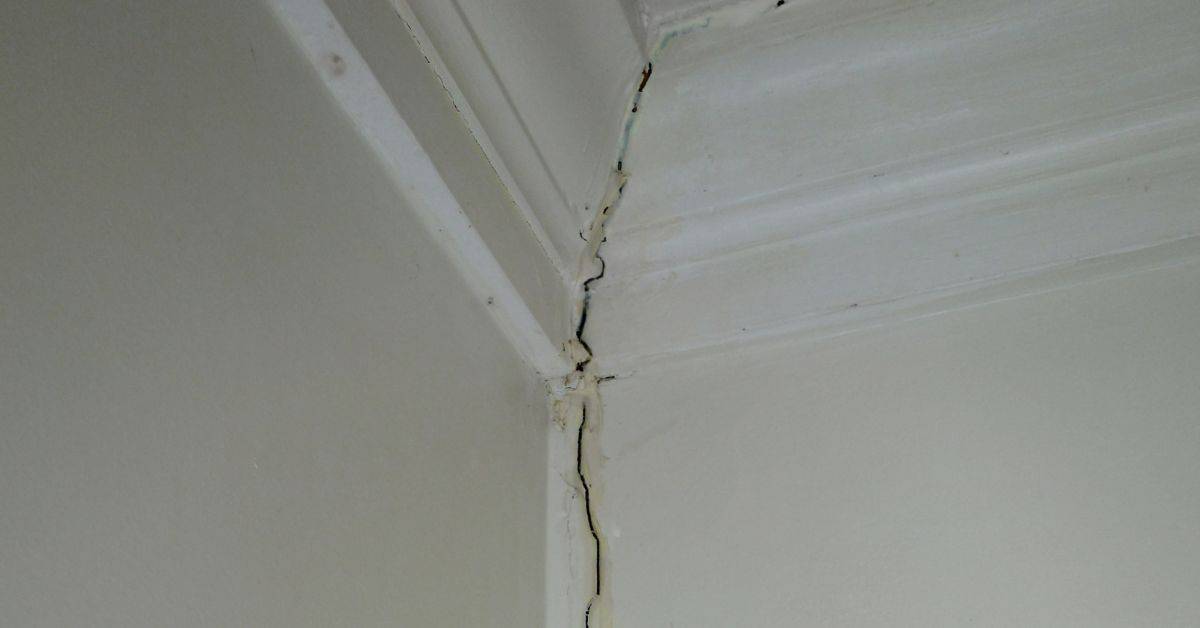
crack in plaster at wall and ceiling corner

Preparing and Mixing Fibers into Plaster

Prepare fibers by removing dust and contaminants, checking moisture content, and following any recommended pre-treatments—some fibers benefit from light wetting or combing for dispersion. Match preparation to binder type (lime, cement, gypsum) and consult the binder and fiber technical sheets for any noted interactions or pH sensitivities.

Use controlled dosing and a consistent mixing sequence (dry-blend or slurry methods as recommended) and start with small test batches to confirm workability and finish results. Always verify manufacturer guidance for dosing ranges, wear appropriate PPE for dust control, and document test results before scaling up.

Tools and materials checklist

Before you start, make sure you have everything on this list. It’ll save you time and trips to the store.

  • Measuring tools: Tape measure, scale for weighing fibers, cup or container for measuring plaster.
  • Mixing equipment: Drill with paddle mixer attachment, large bucket or mixing tub.
  • PPE: Gloves, safety glasses, dust mask (for cellulose).
  • Fiber sources: Hemp fibers: look for long-staple varieties. Cellulose: find recycled or virgin pulp. Horsehair: check local tack shops or online.
  • Plaster binders: Lime, cement, or gypsum plaster (depending on your project).
  • Additives: Dispersal aids, alkali-resistant treatments (for hemp).
  • Cleaning supplies: Broom, dustpan, vacuum (optional).
  • Testing equipment: Small containers for trial mixes, trowel or putty knife.

Quick rule: Always check manufacturer datasheets and local codes before starting any project.

Mixing methods and best practices

Start by adding plaster to your mixing tub, then gradually incorporate the fibers. Here’s why:

Adding plaster first creates a base for the fibers to disperse in. It also helps prevent clumping. Use a slow, steady speed with your drill to maintain uniform dispersion.

For trial mixes, start small – 1 to 2 quarts/liters at a time. This lets you test workability and adjust your mix as needed.

Pro tip: If clumping occurs, add more plaster or use a dispersal aid. Never overmix; it can damage fibers and reduce workability.

Fiber treatment and compatibility

Pre-treating your fibers improves bonding with plaster binders. Here’s how:

Hemp: Soak in water for at least 24 hours before mixing. This removes any residual oils and improves alkali resistance. Some hemp fibers may require additional treatments; check the datasheet.

Cellulose: No pre-treatment needed, but ensure it’s dry to prevent clumping. Add a dispersal aid if necessary.

Horsehair: Clean with mild soap and water, then rinse thoroughly. Allow to air-dry completely before use. No additional treatment is usually needed.

For all fibers, consider adding an alkali-resistant sizing or binder to improve compatibility with your plaster mix. Always consult the datasheet for specific recommendations.

Back to top ↑

Application, Finishing, and Quality Control

On-site workflow starts with substrate prep, correct ambient conditions, and a mixing procedure that prevents fiber clumps; sequence your passes to avoid washout or segregation. Layering and troweling technique vary with fiber type—control layer thickness and timing between coats to keep fiber distribution even and prevent fiber pull-through at edges.

Finish choices—smoothing, textured, or painted—may require adjustments for porosity or sealer compatibility when fibers are present. Implement quality checks: visual inspection for protruding fibers, adhesion tests, moisture checks during curing, and record batch IDs and test results to track performance and spot variability.

Application techniques by plaster type

Applying plasters varies by type. Here’s how to tackle lime, gypsum, cement, and earthen mixes.

Lime Plaster: Apply in thin layers, no more than 1/8″ at a time. Lime needs to breathe, so keep it moist for 3-7 days. Check the product label for exact curing times.

Gypsum (Drywall) Plaster: Apply in layers up to 1/4″. Keep it damp for about 24 hours. Remember, gypsum sets fast, so work quickly and efficiently.

Cement Plaster: Apply in layers no thicker than 3/8″. Keep it wet for at least 7 days to ensure proper curing. Check local rules as some areas require specific curing times.

Earthen (Lime-Cement-Earth) Plasters: Apply in thin layers, around 1/4″ max. Keep it moist for 3-7 days, depending on the mix and climate. Always check manufacturer instructions or local experts.

Visual checkpoints and simple tests

Use this checklist after applying each coat of plaster to ensure it’s setting up correctly. Catch issues early to avoid costly rework.

  • Check surface moisture: Before applying, ensure the substrate is damp but not wet. Too dry? Mist with water. Too wet? Let it dry out.
  • Inspect for voids: Look for any hollow spots or voids that could indicate poor bonding. Tap gently; a dull sound indicates a problem.
  • Check trowel marks: After application, ensure trowel marks are smooth and consistent. Jagged or rough marks may indicate improper mixing or application.
  • Observe shrinkage cracks: Check for hairline cracks as the plaster dries. If present, adjust water-to-plaster ratio next time.
  • Test adhesion: Gently scratch the surface with a screwdriver after it’s partially set. It should not flake or peel off.
  • Check flexural strength: After full cure, bend a small, hidden area to test flexibility. It should bend without cracking.
  • Inspect for efflorescence: Look for white, powdery deposits on the surface as it dries. This indicates excess water and may require rework.
  • Check for color consistency: Ensure the plaster maintains a consistent color throughout application. Any significant variation could indicate contamination or improper mixing.

Quick rule: Always check your work after each step. A few minutes of inspection can save hours of rework and prevent costly mistakes.

Common mistakes and troubleshooting

Here are some frequent errors I’ve seen DIY homeowners make when working with concrete, along with practical fixes.

  • Overdosing admixtures: Too much can cause excessive bleeding, reduced strength, and surface defects. Always follow the manufacturer’s instructions and mix only what you need for each batch.
  • Poor dispersion of admixtures: Inadequate mixing can lead to inconsistent results. Ensure you’ve mixed your concrete thoroughly before pouring, checking for any unmixed clumps or streaks.
  • Inadequate curing: Skimping on proper curing (keeping the concrete moist and covered) can result in reduced strength and durability. Maintain a consistent moisture level for at least 7 days after pouring, following the manufacturer’s recommendations.
  • Moisture traps: Trapping moisture under slabs or in walls can lead to mold growth and structural issues. Ensure proper drainage and ventilation before, during, and after pouring.

Double-check these points before starting your project to avoid common pitfalls. If you’re unsure about any aspect, don’t hesitate to consult with a professional or check the manufacturer’s instructions.

Back to top ↑

Safety, Regulations, and Standards to Check

Before using fiber-reinforced plaster, identify applicable local codes and referenced standards that affect fire performance, structural acceptance, and material safety; consult the AHJ early. Look for relevant test standards for bond, flexural strength, impact resistance, and fire classification and be prepared to provide manufacturer test reports or third-party data.

Gather product datasheets, MSDS/SDS, installation instructions, and any third-party certification required by permits or green programs. If treatments or additives are present, verify emissions and fire test results against local requirements and follow documented QC test plans for in-field acceptance.

Codes, lab tests, and certifications

Before you start, check local building codes for plaster with natural fiber additives. Your regional authority might have specific amendments to ICC/IBC provisions.

Get familiar with ASTM/ISO material standards like C1550/C1551 for plasters and relevant fiber-specific tests (e.g., bond, flexural). Fire resistance is crucial – look into ASTM E119/UL 263.

Consult with local certifiers or authorities to ensure your chosen fibers meet requirements. Green certification criteria like LEED, BREEAM, or Green Star might also apply.

On-site handling and health precautions

Safety first! Wear appropriate PPE when handling fibers. For hemp and cellulose, use dust masks and gloves. Horsehair might cause allergic reactions – wear gloves.

Control dust during mixing and application. Keep chemicals used in pre-treatment away from heat sources and out of reach.

Always follow manufacturer’s guidelines for safe handling and disposal.

Documentation and quality records

Keep detailed batch records, including fiber type, batch size, mixing protocol, and any additives used. This helps maintain consistency and troubleshoot issues.

Collect product datasheets, test results (both lab and on-site), and installation manuals. These prove compliance with codes and standards.

For future maintenance or inspections, having these records handy will save you time and hassle.

Back to top ↑

Cost, Lifecycle Considerations, and Choosing the Right Fiber

Compare upfront material costs and labor for mixing and application alongside expected maintenance, repair frequency, and whole-life durability when selecting a fiber. Factor in embodied energy, renewability, disposal pathways, and any VOC or treatment-related health implications as part of the lifecycle decision.

Use a simple decision framework weighing cost, performance (crack control, moisture handling), maintenance needs, and environmental priorities to rank hemp, cellulose, or horsehair for your project. For practical selection, match fiber choice to project type (interior vs exterior, humid climate), verify supplier documentation, and run a small trial to confirm workmanship and long-term behavior before full specification.

Cost drivers and lifecycle trade-offs

The upfront cost of fibers varies. Hemp’s often cheapest, cellulose mid-range, horsehair most expensive. Pre-treatment (like heating hemp) adds labor.

Labor: Mixing takes time. Cellulose needs longest prep. Horsehair’s quickest but priciest.

Long-term, consider durability and maintenance. Hemp’s tough, lasts long. Cellulose saves energy, needs occasional touch-ups. Horsehair’s pricey but durable, low-maintenance.

Decision guide: hemp vs cellulose vs horsehair

Durability: For high-traffic areas or exteriors, choose hemp. Cellulose good for interiors, horsehair best for heritage authenticity.

Ecology: Cellulose’s recycled, lowest embodied energy. Hemp’s renewable but processing impacts. Horsehair’s disposal options limited.

Moisture: Hemp handles moisture well. Cellulose less so. Horsehair best for high-humidity areas.

Future trends and innovations

Expect composite mixes (hemp-cellulose) for better performance. Bio-based treatments reduce processing energy. Certifications will improve, helping selection.

Research continues on hempcrete’s thermal mass, cellulose’s insulation, horsehair’s acoustic benefits. Stay informed to make best choices.

Back to top ↑

Conclusion

Adding fibers to plaster is about getting a tougher, longer-lasting finish without overcomplicating the job. Choose a fiber type that fits your project, follow safe mixing and application practices, and test in a small area first to prevent cracks, staining, or bond failures.

Proceed with a simple, stepwise check: pick a fiber and confirm its compatibility with your plaster mix, measure a small batch and mix thoroughly, test a patch for adhesion and set time, apply in thin, controllable coats, and finish with the planned curing and surface treatment. Work in stages, document any changes, and verify that the material behaves well under your climate and the space’s use.

Common traps to avoid are pushing too much fiber into the mix, skipping a patch test, and exposing fresh plaster to rapid drying or moisture swings. Always wear basic safety gear, mix in clean water, and keep ventilation, dust control, and cleanup in mind. If you’re unsure about the fiber you chose, or the wall will bear load, call a professional instead of forcing it. Stay practical, stay cautious, and you’ll finish with a solid, attractive plaster surface that stands up to use.

Back to top ↑

FAQ

What are the key properties of hemp, cellulose, and horsehair in plaster?

Hemp fibers add some tensile strength and crack resistance. Cellulose fibers help bridge tiny cracks and improve consistency of the mix. Horsehair provides a historical reinforcement effect and can help hold the plaster together as it sets.

How have traditional materials been used historically in plaster, and what can DIYers learn from it?

Traditional plasters used locally available fibers to control shrinkage and cracking. The lesson is to match fiber choice to the plaster mix and environmental conditions, and to test small batches before large work. Modern substitutes can mimic those benefits, but follow product instructions.

How do fiber processing and mixing affect durability and plaster performance?

Processing changes fiber length and distribution, which affects workability and crack control. Mix fibers evenly and follow the label for addition timing and methods; improper mixing can create lumps or weak spots. When in doubt, check manufacturer guidance and do a test panel.

What are the economic and environmental considerations when choosing a fiber for plaster?

Natural fibers vary in cost and availability; price can shift with sourcing and processing. Look for materials that match your project size, local climate, and disposal options, and compare labels for durability claims and sustainability notes. If unsure, ask the supplier for a sustainability data sheet and practical recommendations for your region.

Back to top ↑