
Introduction
This article compares hempcrete, limecrete, rammed earth, and geopolymer concrete as alternative building materials.
In plain terms, these are non-traditional mixes and methods used for walls, floors, and envelopes in DIY projects. If you’re planning a project, check product labels, manufacturer instructions, and local rules for guidance on handling, curing, and compatibility with other components.
Each material has its own practical highs and lows for a hands-on job, including how easy they are to work with and what kind of finish you can expect. For hempcrete, look at density, compressive strength, and thermal performance; for limecrete, consider density, workability, and cost-effectiveness; for rammed earth, think about compressibility, tensile strength, and environmental impact; for geopolymer, review chemical composition, durability, and strength. Always verify with manufacturer instructions and local building codes before mixing or laying.
Key takeaways
- Hempcrete provides low density, excellent thermal performance, and moisture buffering for interiors.
- Limecrete workability depends on lime type; plan for curing and cost-effectiveness.
- Rammed earth offers solid mass and environmental benefits but requires site preparation.
- Geopolymer concrete can provide good durability with different chemistry and curing needs.
- All systems require appropriate on-site practices, PPE, and local permits; verify specs.
- Practical DIY tip: test assemblies for ventilation, moisture, and structural compatibility early.
Table of Contents
- Introduction
- Key takeaways
- Quick Overview and Head-to-Head Comparison
- Material Composition and How Each System Works
- Physical and Mechanical Properties
- Construction Methods and on-Site Practices
- Environmental Impact and Lifecycle Assessment
- Cost, Availability, and Supply-Chain Considerations
- Regulations, Permits, and Material Specifications
- Practical Guidance for DIY, Safety, Common Mistakes, and Maintenance
- Conclusion
- FAQ
Quick Overview and Head-to-Head Comparison
Hempcrete is prized for insulation and lightness, making it a good fit for retrofit or small-scale assemblies where reducing weight matters. Limecrete emphasizes vapor permeability and durable, breathable floors. Rammed earth delivers thermal mass and longevity, with a robust, traditional finish. Geopolymer offers lower embodied cement and solid durability with a modern binder approach.
Core trade-offs center on strength and load paths, moisture handling, fire resistance, and long-term maintenance. If you prioritize insulation, choose hempcrete; for moisture control and traditional floors, limecrete shines; for thermal mass and durability in robust walls, rammed earth works well; and for reduced cement use with strong durability, geopolymers merit consideration. If you prioritize X, choose Y; for Y, consider Z.
At-a-glance comparison (use-case matrix)
Each alternative building material has its unique strengths and weaknesses. Here’s a quick rundown to help you pick the right one for your project.
Hempcrete: Top choice for insulation, but not ideal for structural loads. It’s great for walls in cold climates due to its high thermal mass and breathability. Cost is moderate.
Limecrete: Ideal for vapor-permeable floors, but avoid in areas with high moisture content or heavy loads. Suitable for retrofits where breathability is crucial. It’s cost-effective compared to other options.
Rammed Earth: Excellent for thermal mass and longevity, but not suitable for high-rise structures due to low compressive strength. Great for small-scale projects in warm climates. Labor-intensive and requires careful site management.
Which material suits which climate and project scale
Material choices significantly impact your build’s performance and longevity. Consider these factors when selecting your alternative building material:
- Cold Climates: Hempcrete: Look for high insulation values (R-value) and good breathability. Avoid in areas with extreme temperature swings to prevent cracking.
- Humid Climates: Limecrete: Seek materials with high vapor permeability to prevent moisture buildup. Be wary of using in areas with heavy rain or flooding.
- New Builds: Geopolymer: Opt for materials with high compressive strength and fire resistance. Ensure they meet local building codes for structural integrity.
- Retrofits: Limecrete & Hempcrete: Both are suitable for retrofits due to their lightweight nature and breathability. Be mindful of existing structure’s load-bearing capacity.
- Small-Scale Projects: Rammed Earth: Ideal for small structures like outbuildings or low-rise residential projects. Avoid in areas with high seismic activity due to lower tensile strength.
Material Composition and How Each System Works
Hempcrete relies on hemp shives mixed with lime-based binders and water, with formulation choices affecting workability and drying. Limecrete uses hydraulic or lime-putty binders with sand aggregates to create a permeable, cohesive matrix. Rammed earth blends soil, sand, and stabilizers, compacted to form solid walls. Geopolymer combines aluminosilicate source materials with alkali activators to form a cementitious binder.
Porosity, capillary action, and hygroscopic behavior shape how each system manages air and moisture. Watch for hemp hurd moisture sensitivity, limecrete shrinkage tendencies, rammed earth compaction limits, and geopolymer activator handling and long-term durability. For DIY builders, look to label guidance, manufacturer instructions, and perform practical checks on mix consistency, curing requirements, and binding indicators as you go.
Hempcrete: hemp shiv, binder and carbonation process
Hempcrete is a mix of hemp shiv (the woody core of the hemp plant) and a lime-based binder. The typical ratio is 2 parts hemp to 1 part binder by volume.
The role of the lime or pozzolans in the binder is crucial. They react with water and carbon dioxide from the air to form a hard, durable material over time – a process called carbonation. This gives hempcrete its strength and durability.
Hemp shiv’s high porosity allows for excellent thermal performance and moisture handling. It can absorb and release moisture, regulating indoor humidity. However, it’s sensitive to excess moisture during construction, so keep it dry until ready for use.
Limecrete and lime-based mortars
Limecrete is made from a mix of lime binder, aggregates (like sand or stone), and water. The type of lime used – hydraulic or non-hydraulic – determines its setting time and strength.
Hydraulic limes set underwater and gain strength quickly, making them ideal for wet conditions. Non-hydraulic limes rely on carbonation for curing and are best suited for dry environments.
Curing is critical for lime-based materials. Keep them moist during the initial curing period to allow proper hydration and carbonation. Limecrete has good thermal mass but can shrink if not properly designed, so consider expansion joints in large pours.
Rammed earth and compacted soil mixes
Rammed earth is made by compacting moist soil – typically a mix of sand, silt, and clay – in a formwork. Binders like lime or cement can be added but are often unnecessary with proper compaction.
The key to successful rammed earth is the right soil grading and moisture content. Too much clay can lead to cracking, while too much sand reduces strength. Moisture content should be around 10-15% for optimal compaction.
Compaction methods vary but typically involve pounding or vibrating the soil in layers. Strength comes from particle interlocking rather than chemical bonding. Rammed earth has excellent thermal mass and can handle moisture well, but it’s sensitive to erosion if not properly protected.
Geopolymers: alkaline activation and precursors
Geopolymers are made by activating aluminosilicate sources – often fly ash or slag – with an alkali activator, usually sodium silicate (water glass) or sodium hydroxide.
The activation process triggers a chemical reaction that forms a strong, cementitious material. Curing occurs at room temperature, but strength development is faster under heat.
Geopolymers have high early strength and excellent fire resistance. However, they’re sensitive to the type and concentration of activator used, so precise mixing is crucial. Long-term durability in aggressive environments needs further study.
Physical and Mechanical Properties
Thermal performance and moisture behavior vary: hempcrete provides insulation with limited structural support, limecrete offers vapor permeability with moderate strength, rammed earth adds thermal mass and rigidity, and geopolymer combines strength with lower cement content. Consider simple in-situ checks for moisture movement and insulation clues during assembly.
Mechanical strength ranges differ by system and application, and curing time will influence early performance. Density and porosity affect handling, tool requirements, and stability under humidity. For fire safety, note ignition behavior and insulation characteristics, and plan finishes accordingly. Use basic monitoring, visual inspections, and simple field tests to gauge performance over time.
Thermal insulation and hygrothermal behavior
Each of these alternative building materials offers unique thermal performance, affecting your home’s comfort and energy efficiency. Here’s what you need to know:
Hempcrete, with a thermal conductivity around 0.1 W/mK, provides excellent insulation. Its high vapor permeability helps regulate indoor humidity, reducing condensation risk.
Limecrete also has good insulating properties (around 0.25 W/mK), but its moisture buffering capacity is lower than hempcrete. It’s still a great choice for controlling humidity.
Rammed Earth and Geopolymer, with thermal conductivities around 1-2 W/mK, offer decent insulation. Their vapor permeability is moderate, requiring careful detailing to prevent condensation.
Structural strength and load-bearing use
The mechanical strength of these materials varies, dictating their suitability for different applications:
Hempcrete, with compressive strengths around 0.5-1 N/mm², is best used as infill or lightweight cladding. It’s not suitable for load-bearing structures.
Limecrete, at 2-4 N/mm², can be used in thin, non-load-bearing applications. For load-bearing use, reinforce with steel or use a thicker section.
Rammed Earth, with strengths up to 8 N/mm², is suitable for both infill and load-bearing walls. Geopolymer, at 40-60 N/mm², can be used in both capacities but requires careful design due to its high strength-to-weight ratio.
Durability, weathering, and fire performance
The longevity and safety of these materials depend on several factors:
Hempcrete, while durable, can shrink and crack if not properly detailed. It’s resistant to freeze-thaw cycles but susceptible to water damage.
Limecrete is durable but can suffer from efflorescence (salt deposits). It’s also sensitive to freeze-thaw cycles in thin sections.
Rammed Earth and Geopolymer are highly durable, resistant to erosion, and perform well in freeze-thaw conditions. Both have inherent fire resistance, with geopolymer offering the highest resistance due to its ceramic-like nature.
Construction Methods and on-Site Practices
Outline a stepwise workflow from site prep to curing for each system, noting weather and timing that impact on-site progress. Expect differences in mixing, formwork, and setting conditions across hempcrete, limecrete, rammed earth, and geopolymer workflows. Safety and sequencing must align with material-specific needs on the jobsite.
Key workmanship requirements include hemp fiber handling, lime blend timing, rammed earth compaction technique, and geopolymer activator handling. On-site quality-control checkpoints focus on material consistency, curing, moisture management, and finishing methods. Use practical tool lists and quick-reference checklists to stay aligned with climate, skill, and project scale.
Mixing, forming, compaction, and curing steps
Each material needs careful batching and handling. Here’s a quick rundown:
Hempcrete/Limecrete: Mix hemp shiv or lime putty with water, ensuring consistency. Pour into forms, vibrate to remove air pockets.
Rammed Earth: Compact soil lifts in layers using pneumatic rammers or tampers. Keep moisture consistent for optimal compaction.
Geopolymer: Charge mixer with precursors, add activator (sodium silicate), and mix thoroughly. Cast into forms, cure at controlled temperature.
Prefab, panels, and retrofit techniques
Off-site manufacturing saves time on-site:
Hempcrete/Limecrete: Cast panels off-site, cure, then install. Retrofit by removing old finishes, applying new material directly to substrate.
Rammed Earth: Precast panels can speed up construction. Retrofit by stabilizing existing walls before application.
Geopolymer: Prefab elements allow for faster installation. Retrofit by assessing structural integrity first, apply geopolymer as a thin overlay or replace entire wall section.
Visual checkpoints and workmanship quality control
Regular inspections ensure top-notch results. Use this checklist:
- Compaction uniformity: Check for even density, no soft spots or voids.
- Moisture content: Ensure material stays consistently damp but not wet during curing.
- Crack patterns: Hairline cracks are normal; wide, jagged ones indicate issues.
- Bond lines: Inspect for proper adhesion between lifts or panels.
- Formwork alignment: Check forms are straight and level before pouring/casting.
- Surface finish: Ensure smooth, even surface after tamping/vibrating.
- Curing conditions: Monitor temperature and humidity during curing phase.
- Post-application finishing: Check for proper sealing and painting/rendering.
Quick rule: If in doubt, check it out – regular inspections prevent costly rework.
Environmental Impact and Lifecycle Assessment
Embodied carbon and energy differ by material, with some offering lower upfront emissions and others providing long-term sequestration or durability benefits. Consider sourcing impacts and local availability as part of the footprint explanation. End-of-life options also factor into lifecycle performance.
Context-specific trade-offs matter for DIY projects: climate, moisture management, curing conditions, and builder skill all influence lifecycle outcomes. Use practical benchmarks and acknowledge data gaps when comparing these systems in a non-industrial setting. If you need, consult supplier data sheets or local code guidance to refine your assessment.
Embodied carbon and material sourcing
Choosing the right materials can significantly reduce your home’s embodied carbon. Here’s how:
- Hempcrete: Lowest embodied carbon due to hemp’s rapid growth and carbon sequestration. Look for high hemp shiv content, around 70-85%. Avoid low-quality binders that increase carbon footprint.
- Limecrete: Lower embodied carbon than cement-based alternatives. Choose a high lime content, at least 60%, to minimize emissions. Avoid quicklime for safety and environmental reasons.
- Rammed Earth: Minimal embodied energy as it’s made from locally sourced soil. Ensure compaction is done properly to avoid weak spots.
- Geopolymer: Embodied carbon varies; can be low if using industrial by-products, but high if relying on transported materials. Opt for local precursors like fly ash or slag.
- Binders: Choose binders wisely – lime and geopolymer have lower embodied carbon than cement. Avoid cement-based binders to minimize emissions.
End-of-life, recyclability, and circularity
Understanding end-of-life considerations helps maximize a material’s lifecycle performance:
Hempcrete: Biodegradable; can be composted at end of life. Maintain moisture levels during use to prevent degradation.
Limecrete: Can be recycled into new lime-based materials. Regular maintenance helps maintain longevity and reduces waste.
Rammed Earth: Recyclable; can be reused or repurposed on-site. Protect from excessive water to prevent erosion.
Geopolymer: Not easily recyclable, but durable with proper curing. Minimize maintenance needs to extend lifespan.
Cost, Availability, and Supply-Chain Considerations
Compare upfront costs versus lifecycle costs by considering material price ranges, mix/repairability, labor intensity, and long-term durability. Use a simple budgeting approach or a tenant-friendly calculator to estimate total cost of ownership. Regional procurement can fluctuate with supplier presence and minimums.
Supply-chain risks and contingency planning are essential for DIY projects, including seasonality and lead times. Check local availability, import considerations, and storage needs for hemp, lime mixes, rammed earth components, and geopolymer systems. Use documented procurement steps and safety data references to stay compliant and prepared.
Upfront and long-term cost drivers
When comparing alternative building materials, consider both upfront costs and long-term expenses. Here’s what drives the total cost:
Material purchase varies by material type. Hempcrete and limecrete are typically more expensive than rammed earth or geopolymer. But remember, skilled labor can also impact upfront costs.
Consider curing time. Some materials like hempcrete need longer curing periods, increasing labor costs. And don’t forget about formwork, which might be needed for some systems but not others.
Sourcing, local suppliers, and market readiness
Finding local materials is crucial for minimizing costs and supporting your community. Here’s how to source each material:
Hemp shiv might be harder to find locally. Check hemp farms or specialized suppliers. Lime is more common, but ensure it’s suitable for your project (e.g., NHL 3.5 or NHL 5). For rammed earth, look for local soil with appropriate clay content.
Geopolymer precursors like fly ash or slag can be sourced from power plants or steel mills. But availability might be limited, so plan ahead. Always check market readiness and lead times before starting your project.
Regulations, Permits, and Material Specifications
Regulatory mapping should cover national, state/provincial, and local codes, noting amendments that affect these materials. Certification and approval pathways vary between prescriptive and performance-based routes and may involve third-party testing. Prepare for documentation needs tied to code acceptance.
Key material standards and permitting considerations guide your project, including fire, thermal, moisture, and durability aspects. Compile data sheets, test results, and environmental declarations as part of the submission package. Use a practical compliance checklist when coordinating with officials, architects, and engineers.
Building codes, permits, and structural approval
First things first: don’t start building until you’ve checked local building codes. These vary by location, so check national, state/provincial, and local regulations.
Hempcrete, limecrete, rammed earth, and geopolymer each have their own rules. Some jurisdictions might need amendments or specific approvals for these alternative materials.
You’ll likely need permits. The permitting process can be a bottleneck, especially with fire resistance, seismic, moisture management, and energy performance concerns. Work closely with your architect and engineer to document safety and compatibility with framing systems.
Material specs, standards, and testing to request
The materials you choose greatly impact your build’s performance. To ensure compliance, you’ll need specific technical data and tests.
- Density: Look for values around 500-800 kg/m³ (hempcrete) or 1600-2000 kg/m³ (limecrete). Too low, your walls might be weak; too high, they’ll be heavy.
- Thermal Conductivity: Aim for 0.05-0.1 W/(m·K) to keep energy bills down. Too high, and you’re losing heat (or cool air).
- Compressive Strength: You need strength to support your structure. Look for values around 0.3-2 N/mm². Too low, your walls might crack or crumble.
- Vapor Permeability: Breathable materials like hempcrete and limecrete are key to managing moisture. Look for values around 10-50 ng/(Pa·s·m). Too low, you risk condensation and mold growth.
- Fire Resistance: Ensure your material meets local fire safety standards. Too low, you’re putting your build (and life) at risk.
Practical Guidance for DIY, Safety, Common Mistakes, and Maintenance
Tools and materials lists should be organized by material, with essential hand tools, mixing gear, formwork, moisture barriers, and fasteners. Include sourcing tips, rough cost ranges, substitutions, and SDS references for safe DIY use. Plan protective measures and ventilation to support on-site safety.
Common pitfalls include moisture mismanagement, improper curing, and binder-aggregate imbalance. Use diagnostic checks and practical remedies to address performance deviations. Create a simple maintenance plan with seasonal checks, crack monitoring, sealant refresh, drainage review, and record-keeping templates to sustain long-term performance.
Tools, materials checklist, and safety precautions
Before you start your project, make sure to have the right tools and materials. This checklist will help you stay safe and efficient.
- Hempcrete: Hemp hurd (€15-20/m³), Lime binder (€300-400/m³), Water, Mixing equipment (€50-100), Formwork (€100-300), Gloves, Respirator, Safety glasses.
- Limecrete: Hydrated lime (€250-350/m³), Aggregates (€50-150/m³), Water, Mixing equipment, Formwork, Gloves, Respirator, Eye protection.
- Rammed Earth: Earth mix (€0-50/m³), Formwork (€100-300), Vibrating plate compactor (€200-400), Safety boots, Gloves, Ear protection.
- Geopolymer: Fly ash (€50-150/m³), Alkaline activator (€100-200/m³), Aggregates (€50-150/m³), Water, Mixing equipment, Formwork, Gloves, Respirator, Safety glasses.
- Moisture barriers: Vapor barrier film (€30-60/m²), Tape (€20-40/roll).
- Fasteners: Screws or nails (€10-50/kg).
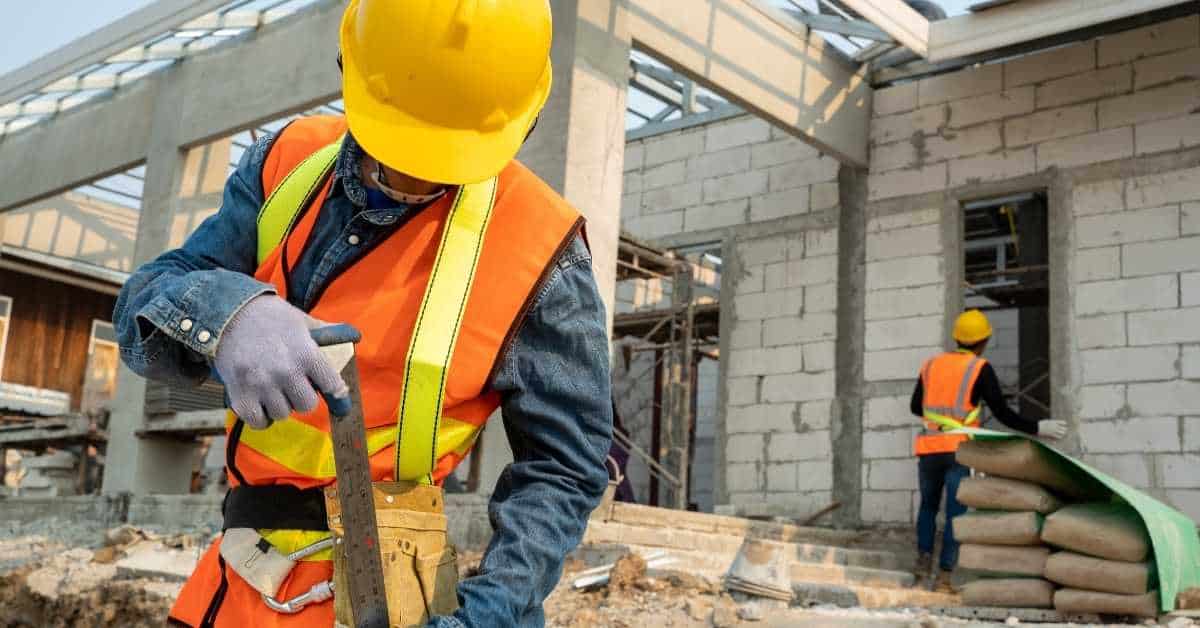
- Safety gear: Hard hat, High-vis vest, Work gloves.
- Supplier safety data: MSDS/SDS sheets for all materials. Check local suppliers for availability and costs.
Quick rule: Always wear appropriate PPE when handling materials and follow supplier safety guidelines.
Common mistakes and troubleshooting
Even with the best intentions, mistakes can happen. Here are some common pitfalls to avoid:
- Improper curing: Curing too fast or slow can weaken your wall. Keep it consistently moist for 7-28 days.
- Incorrect mix ratios: Too much/w little aggregate/binder can cause poor performance. Follow recommended ratios (e.g., hempcrete: 1 part lime, 4 parts hemp).
- Poor compaction: Inadequate compaction in rammed earth or geopolymer can lead to weak spots. Use a vibrating plate compactor.
- Moisture management: Too much moisture can cause cracking, too little can lead to poor strength. Monitor and control moisture levels.
- Thermal bridging: Uninsulated gaps or penetrations can cause heat loss/gain. Ensure proper insulation around windows, doors, and electrical outlets.
Regularly check your walls for signs of these issues and address them promptly to maintain performance.
Long-term maintenance and inspection schedule
A regular maintenance plan will help keep your alternative building materials in top shape. Here’s a simple inspection cadence:
- Annual inspection: Check for cracks, efflorescence (white powder), or signs of water damage.
- Semi-annual re-plastering: Replaster walls with lime plaster to maintain a protective layer and aesthetic appeal.
- Quarterly drainage checks: Ensure gutters, downspouts, and site grading direct water away from walls to prevent moisture buildup.
- Monthly pest prevention: Inspect for signs of pests (rodents, insects) and address any issues promptly.
- Seasonal moisture control: Monitor and control indoor humidity levels to prevent condensation and mold growth.
- Annual sealant refresh: Reapply sealants around windows, doors, and other penetrations to maintain a waterproof barrier.
Quick rule: Regular maintenance is key to maximizing the lifespan of your alternative building materials. Don’t neglect your walls!
Conclusion
Picking the right system matters for safety, durability, and how the finish looks in years to come. Do the basics right now: know the local rules, verify material specs, and run a small test patch before you commit to a full build.
A practical check, in plain language: confirm permits and codes for your chosen material, verify supply-chain availability and lead times, map out the exact wall or foundation section you’ll test, prepare the site and weather plan, mix or mix-equivalent according to the manufacturer or tested recipe, perform a small trial with controlled curing, and document results for scale-up and inspections.
Two or three common mistakes to avoid: rushing the mix or paneling without testing, ignoring moisture and ventilation during curing, and skipping safety gear or proper handling of any binders or dust. Safety rules are simple: work in good light with clean PPE, keep the area dry and well ventilated, and never force a process that shows signs of poor bonding, cracking, or unexpected heat.
If you’re unsure at any point, don’t push past your comfort zone. When critical details—like structural roles, load paths, or legal permits—are unclear, bring in a pro before you lock in materials or finishings. Stay deliberate, document every step, and you’ll build something solid that you can stand behind.
FAQ
What are the practical properties of hempcrete that matter for DIY builders?
Hempcrete is relatively light and breathable. It helps with moisture regulation and insulation, but you won’t get high structural strength from hempcrete alone—it’s usually used with a timber frame or as infill.
Check product data for density, compressive strength, and thermal performance on the label or datasheet. Look for recommended wall assemblies and cure times from the manufacturer or local builders’ guides.
What should I know about limecrete for DIY work and cost considerations?
Limecrete workability depends on mix type and finishing methods. It can be more forgiving than cement mixes, but setting times vary and proper curing matters for durability.
Compare the cost effectiveness by checking bagged lime product specs and supplier guidance. For local rules and installation details, follow manufacturer instructions and any site-specific considerations.
What are the key properties and environmental aspects of rammed earth I should check?
Rammed earth relies on compacted soil mixes; compressibility and tensile strength come from mix composition and compaction technique. It offers strong thermal mass but needs proper detailing for moisture management.
Evaluate environmental impact from the soil source and additives, and verify building guidance with product sheets or local guidelines. Always check compaction equipment specs and curing requirements from the supplier.
What makes geopolymer concrete different in terms of durability and strength, and how should I verify it?
Geopolymer mixes aim to replace Portland cement with aluminosilicate reactions; durability can be high, but performance varies by formulation. Strength depends on mix design, curing, and additives used.
Read the label and manufacturer instructions for cure times and exposure limits. Confirm local applicability and any safety or handling notes with the supplier before mixing on site.