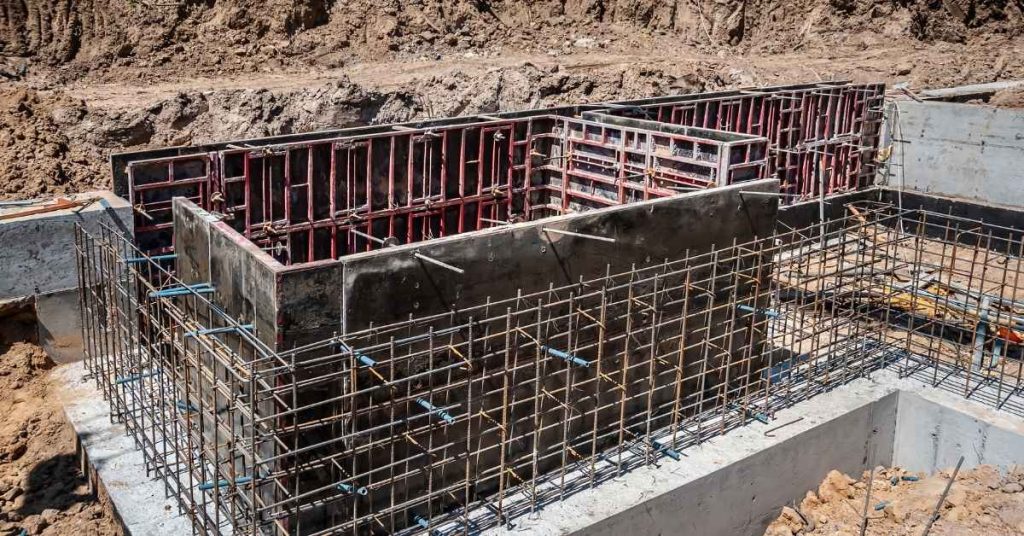
Concrete foundation with steel rebar and formwork on construction site

How to Use Hydration Stabilizers: Small Pours, Hot Weather, and Long Hauls

Introduction

Hydration stabilizers are additives that help concrete stay workable and set more predictably during small pours, hot weather, or long hauls. They help manage hydration so you can pour when conditions would normally cause workability loss or early stiffening.

You’ll use them by following simple mixing steps and applying the stabilizer according to the product label and your mixer setup. Temperature and transit time can affect how the mix behaves, so plan for ambient heat and longer trips. Always check the label, manufacturer instructions, and local rules to confirm compatibility with your concrete mix and jobsite conditions.

Key takeaways

  • Hydration stabilizers help extend workable time for small pours and long hauls in heat.
  • Plan batch sequence and testing to verify compatibility with admixtures and cement.
  • Monitor concrete temperature during transit and adjust mixing order accordingly.
  • Use clear labeling and documentation for dosage guidelines per project and pour.
  • Safety: follow PPE, handling, and spill response; avoid overdosage and contamination.
  • Evaluate cost-benefit and case study lessons to justify stabilizer use decisions.
Table of Contents

What Are Hydration Stabilizers and How Do They Work?

Hydration stabilizers are special additives that slow or pause concrete hydration in a controlled way. They act as advanced set-control agents rather than the usual slowing agents you might have used before. The idea is to keep the mix workable longer without sacrificing early strength later on.

On a chemistry level, these products form a surface coating on cement particles and can chelate key ions to temporarily suspend hydration reactions. This differs from traditional retarders in that the effect is more targeted and time-specific, rather than a blanket slowdown. In practice, you’ll see more predictable setting in small pours, better performance in hot weather, and reduced slump loss during longer transports while still allowing strength development later. Use cases include tight pours, heat exposure, and keeping a batch cohesive over longer holds, with attention to compatibility with air-entraining agents and plasticizers. Watch for misunderstandings about final set timing and curing windows, and plan follow-up checks to confirm strength gain is on track.

Definition and mechanism

Hydration stabilizers are advanced set-control admixtures that pause or slow down the hydration process in concrete. They’re not your typical retarders, but they do a better job at controlling setting time.

Their secret? A surface-coating action and chelation process that temporarily inhibits cement hydration. This means they create a protective layer around cement particles, preventing them from reacting with water immediately. Think of it like putting a pause button on the setting process.

This unique mechanism helps preserve slump, air content, and temperature in your concrete mix, ensuring consistent performance throughout the pour.

Comparison with conventional retarders

Conventional retarders slow down setting time by interfering with the hydration process. But they’re not as predictable or long-lasting as stabilizers.

Stabilizers, on the other hand, can deliver much longer and more uniform set extension. They give you better control over when your concrete sets, especially in small pours or hot weather conditions.

Think of it like this: retarders are like a dimmer switch – they can slow things down, but not always predictably. Stabilizers, however, are more like a timer – they pause the process and then let it resume at a consistent pace.

That said, conventional retarders might still be your best bet if you’re looking for a quick, short-term delay in setting time. But when you need precise control over setting, hydration stabilizers are your go-to.

Back to top ↑

Benefits and Effects on Concrete Performance

The core performance gains from hydration stabilizers include better slump retention, steadier air content, and more controlled temperature during hydration. These effects support workability in challenging conditions without sacrificing later strength. You’ll also benefit from a potentially improved microstructure as the hydration pace is moderated and more uniform early on.

Stabilizers influence the workability window by slowing early set while allowing finishing options to remain open. They interact with air-entraining systems and can alter air void distribution, which ties into durability and frost resistance. Temperature control during hydration helps limit heat buildup in hot weather or during long hauls. Early compressive strength and long-term strength development may shift in timing, with a focus on preserving durability. Verify claims through field tests such as slump, air content, and temperature readings, and plan pilot tests with supplier guidance to confirm gains on a real project.

Strength, microstructure and durability impacts

Hydration stabilizers can boost your concrete’s long-term strength and durability. Here’s how:

Uniform hydration: Stabilizers slow down the hydration process, giving it time to happen evenly throughout the mix. This means no weak spots from rushed or incomplete reactions.

Improved microstructure: Slower hydration allows for better crystal growth and a denser, stronger concrete matrix. Think of it like growing crystals at home – slow and steady wins the race.

But remember, every mix is different. Pre-job tests are crucial to confirm these gains. You don’t want surprises when you’re pouring your foundation!

Air entrainment and workability

Stabilizers can affect air content and workability, so let’s dive in:

Air stability: Stabilizers help keep your air content stable over time. This is great for maintaining consistent durability and frost resistance.

However, they might change how much air entrainer you need. Too little, and you won’t have enough air voids for proper freeze-thaw protection. Too much, and you’ll lose workability. So, adjust your dosages or procedures as needed.

Workability: Stabilizers extend your concrete’s slump life, giving you more time to place and finish it. But they can also make the mix stiffer initially. Just keep this in mind when planning your pours.

Back to top ↑

When to Use Them: Small Pours, Hot Weather, Long Hauls, and Other Scenarios

Identify scenarios where stabilization adds value: small pours with restricted access, hot weather where timing and workability are stressed, long hauls where hold time threatens quality, and other continuity risks like batch fragmentation. Each case benefits from a tailored approach rather than a one size fits all solution. Start by flagging the key constraints for the job at hand.

Create a practical qualification checklist to decide if a job qualifies: ambient and mix temperatures, time between batching and placement, transport duration, batch size, and the project’s finish requirements. Match stabilizer choice and dosage to the scenario, using conservative dosing for marginal cases and higher dosages for longer hold times. Before loading, run a quick decision process to confirm constraints, curing plan, and potential delays are documented.

Small pours and micro-batching

Hydration stabilizers are your friend when you’ve got frequent short loads, multiple stop-starts, or small crews. Keeping workability consistent across loads reduces rework and waste.

For instance, pouring a series of small slabs over several days. Or topping off existing structures with fresh concrete. Stabilizers help maintain that initial mix quality until it’s time to place.

They’re especially useful when you’ve got limited access or tight forms. No need to rush, just keep that slump where you want it.

Long hauls and remote sites

When you’re looking at extended transit times or remote placements, stabilizers are key. They keep your slump and air content in check through that long journey.

Think delivering to a distant jobsite, or pouring on top of a mountain. The longer the haul, the more you’ll appreciate the extra hold time.

But remember, stabilizers aren’t a cure-all. You still need proper truck management and quick placement once you arrive.

Hot-weather and mass placements

Stabilizers are your secret weapon in hot weather or when pouring large masses. They help manage accelerated hydration and heat risk.

In hot summer months, stabilizers slow down the initial set, giving you more time to finish and compact that concrete before it hardens. And for those massive pours, they help prevent excessive temperature rise and potential cracking.

But don’t rely on them alone. Use shade, misting, or ice too. It’s all about integrated temperature management.

Back to top ↑

Dosage, Mix Design Interactions, and Pre-Job Testing

Define a practical, non-prescriptive protocol: start with project goals such as heat management or long holds and identify key dosage ranges to test, avoiding fixed recipes. The emphasis is on planning and verification, not guessing. Keep expectations aligned with supplier guidance and project specifics.

Outline lab versus field trial workflows: set up controlled tests, collect data, and decide when to move from lab results to field trials. Explain how hydration stabilizers interact with cement types, fly ash or other SCMs, air-entraining agents, and superplasticizers, noting potential impacts on slump, set time, and strength development. Document everything using supplier data and keep records for post-job review.

How to determine dosage (pre-job testing matrix)

To find the right hydration stabilizer dosage, start with a baseline mix test using your target concrete recipe. Then, conduct incremental tests adding small amounts of the stabilizer – typically 0.5 to 2 gallons per cubic yard.

Monitor key performance indicators during each test:

  • Set delay: Ensure it meets your project’s timing needs.
  • Slump: Maintain desired workability.
  • Air content: Keep it within acceptable ranges for your application.
  • Temperature: Monitor and adjust as needed to maintain consistency.

Select the lowest dosage that meets all target performance criteria. This approach helps minimize costs while ensuring optimal concrete performance.

Interactions with SCMs, admixtures, and cement types

Hydration stabilizers interact differently with various cement types, supplementary cementitious materials (SCMs), and admixtures. Expect changes in slump, set time, and strength development.

Cement type: Different cements react uniquely to stabilizers due to variations in composition and fineness. Test each type you plan to use.

Fly ash and other SCMs: These can extend setting times when combined with hydration stabilizers. Conduct mix trials to determine the optimal dosage for your specific blend.

Admixtures: Water reducers, air entrainers, and other admixtures may affect stabilizer performance. Test each combination to ensure desired outcomes, as behavior can change based on material sources.

Back to top ↑

Stacked white cement bags piled outdoors in rows

Step-by-Step Planning and Integrating Stabilizers into Pour Management

Define stabilization goals by scenario—small pours, hot weather, and long hauls—and set target dosages, timing, and performance expectations for each case. Translate goals into a practical plan you can follow on site and in the plant. Maintain alignment with the overall pouring schedule and curing plan.

Use a pre-job planning checklist to confirm stabilizer type and quantity, compatible cementitious mix, and a realistic weather outlook. Establish batch timing windows and delivery routes, and outline a batching and mixing workflow that minimizes dwell time. Create a simple run sheet for dosage, temperature, and delivery times to keep the team aligned.

Step-by-Step Pouring Process

The following is a clear, numbered sequence of practical steps for step-by-step planning and integrating stabilizers into pour management. This will help you prepare, perform the main work, and finish with cleanup or final checks.

  1. Preparation: Check safety gear (hard hats, gloves, boots), gather tools (trowels, levels, shovels), and ensure stabilizer is ready.
  2. Check site conditions: Ensure forms are secure, base is clean and dry, and weather is suitable for pouring.
  3. Mixing: Follow batch-timing windows, maintain real-time adjustments, and coordinate with ready-mix trucks to minimize dwell time. Check slump, temperature, and set time at milestones.
  4. Pouring: Start at the highest point, pour in lifts no more than 6 inches thick, and consolidate each lift with a vibrator or poker.
  5. Finishing: Strike off excess concrete, use a bullfloat to smooth the surface, then use an edger to create a clean edge. Allow concrete to cure as per manufacturer’s guidelines.
  6. Cleanup: Remove forms once concrete has set, clean tools and equipment, and dispose of waste responsibly.
  7. Final checks: Inspect the finished pour for any signs of cracking or other defects, and ensure it meets your quality expectations.

Pre-job checklist and logistics

Use this checklist before starting a job to ensure everything is in order and ready for the pour.

  • Supplier tech sheets: Review and understand the stabilizer’s properties, recommended dosages, and handling instructions.
  • SDS review: Check the Safety Data Sheet (SDS) for safety precautions and emergency procedures.
  • Trial results: If available, review previous trial results to confirm the chosen stabilizer works well with your mix design.
  • Storage and dosing equipment: Ensure you have adequate storage space and proper dosing equipment (measuring cups, pumps, etc.).
  • Batching instructions: Understand how to batch the stabilizer accurately based on cement content or volume of concrete.
  • Truck rotation protocols: Plan truck rotations to minimize waiting time and ensure fresh concrete is used within its workability window.
  • Communication protocols: Establish clear communication with dispatch, ready-mix trucks, and site crews about batching times, delivery schedules, and any changes or delays.
  • Weather outlook: Monitor the weather forecast to ensure pouring conditions are suitable for the stabilizer’s performance.

Quick rule: Always double-check your calculations and confirm with suppliers before starting a pour.

Communication, documentation and quality acceptance

Proper documentation and communication are crucial for ensuring the quality of your concrete pours. Here’s how to document dosages, accept loads, and make decisions on-site.

Document dosages on delivery tickets by recording the exact amount of stabilizer added per mix. This helps track usage and ensures accountability.

Establish clear acceptance criteria for loads based on factors such as slump, temperature, and set time. Communicate these criteria to ready-mix truck drivers and site crews.

On-site, use decision rules to reject or adjust a load if it does not meet the established acceptance criteria. Reasons for rejection may include excessive delay, incorrect dosage, or unsuitable concrete properties. Always document reasons for rejection and communicate them to the relevant parties.

Back to top ↑

Field Application Best Practices: Batching, Transit, Placement, and Curing

Batching and admixture timing should specify the stabilizer dosage, sequence, and target slump, with clear ranges for adjustments if early stiffening or retardation is detected. Keep the order simple and consistent to avoid misreads during busy pours. Monitoring is ongoing and adjustments are made as needed.

During drum rotation and transit, define rotation speed, agitation duration, and insulation for hot weather. Track transit time limits, perform temperature checks, and prevent segregation or washout with proper handling. On site, use checklists for real-time tweaks, re-check slump and air content, and verify workability before placing. Finish the pour with a plan for vibration and surface treatment, and ensure curing remains compatible with the stabilizer chosen.

Batching, drum rotation and transit handling

Follow your batch sheet. Add stabilizer after cement and water.

Rotate drums: 10-15 RPM for 2-3 minutes. In hot weather, insulate and rotate slower.

Manage stops: Keep drums turning at idle speed. Check temps every hour.

On-site adjustments, placement and curing

Check slump before placing. Adjust water if needed. Never add more stabilizer on-site.

Place: Pour in sequence to avoid cold joints. Vibrate to remove air, but don’t over-vibrate.

Cure: Cover or mist immediately after finishing. Keep wet for 7 days minimum.

Back to top ↑

Safety, Environmental, and Regulatory Considerations

Safety steps begin with a review of the SDS for the stabilization product, a jobsite risk assessment, and clear PPE and exposure controls, especially in hot conditions. Establishing a safe workflow and designated mixing areas reduces exposure. Training and communication keep the crew aligned on hazards and procedures.

Prepare for spills with a ready containment plan and a cleanup protocol, plus washout management that follows local rules. Maintain proper waste handling and water treatment practices and ensure solvents or cleaners are used only as permitted. Keep regulatory documentation accessible, including records for inspections and SDS access, and stay aware of permits or reporting requirements that may apply.

Handling, PPE and emergency response

Before you start handling hydration stabilizers, review the Safety Data Sheet (SDS). It’ll tell you how to safely store, handle, and dispose of the product.

Personal Protective Equipment (PPE) is crucial. You’ll need eye/face protection, chemical-resistant gloves, and appropriate footwear. If there’s a risk of fumes or dust, use respiratory protection too. Always follow skin protection routines and decontaminate after exposure.

In case of accidental release, immediately contain the spill using available materials like sand or vermiculite. Rinse with water if safe to do so. Report the incident to your supervisor and follow their instructions for cleanup. If there’s a risk of exposure, move to fresh air, rinse skin and eyes, and seek medical attention if symptoms persist.

Environmental impact and disposal/regulatory issues

Concrete washout can contain high levels of solids and chemicals. Contain it using liners or sumps to prevent runoff. Reuse wash water where possible, but always follow local regulations for wastewater discharge.

Stabilizers can affect wastewater treatment processes. Check with your local wastewater treatment facility before disposing of washout. Some may require pretreatment or specific disposal methods.

Local disposal regulations must be followed. Obtain the necessary permits and keep records of disposal activities. Regularly audit your site to ensure compliance.

Consider the environmental trade-offs when selecting a stabilizer. Some may reduce energy use in curing but increase waste or require more water for washout. Always aim to minimize environmental impact and support sustainability goals.

Back to top ↑

Cost-Benefit, Common Mistakes, and Case-Study Lessons

Use a practical framework for estimating costs and ROI by weighing material costs, batching and transport, labor, and potential savings from improved set control and reduced waste. Rather than fixed numbers, focus on the flow of costs and potential savings for typical project sizes and conditions. Consider how faster, more reliable set translates to schedule certainty on site.

Identify common mistakes to avoid, such as mis-dosing, timing misalignment, ignoring compatibility with other admixtures, skipping field tests, and failing to verify performance after cure. Learn from real-world scenarios by noting what worked or didn’t in long-haul, hot-weather, and continuous-pour projects, then apply those lessons to planning and monitoring. Use a simple decision framework to guide when and how to use stabilizers and what tests to run post-pour.

Cost-benefit framework and decision checklist

Before you start, use this checklist to see if hydration stabilizers make sense for your project.

  • Material costs: Estimate the cost of stabilizer, cement, aggregates. Divide by total cubic yards.
  • Batching and transport: Add batching equipment, drum rotation, transit time costs.
  • Labor: Include extra hands for mixing, handling, placement.
  • Rework savings: Estimate reduced waste, fewer cold joints, faster placements.
  • Testing: Factor in pre-job trials, field tests during pour. Don’t skip to avoid surprises.
  • Curing costs: Consider improved finish quality, reduced curing time.
  • Break-even point: Divide total added chemical cost by savings from rework, waste reduction.
  • ROI scenario: Estimate potential gains in strength consistency, early strength, durability under baseline, hot, long-haul conditions.

Quick rule: If added costs are less than expected savings and ROI is positive, use stabilizers.

Common mistakes and troubleshooting

Here’s how to avoid common pitfalls when using hydration stabilizers.

  • No pre-job trials: Skipping tests leads to wrong dosing, inconsistent performance. Always test before pouring.
  • Undocumented on-site additions: Adding more stabilizer without recording it causes confusion, failed loads. Keep records up-to-date.
  • Ignoring interactions: Mixing incompatible admixtures or SCMs reduces effectiveness. Check compatibility before mixing.
  • Poor communication: Lack of clear instructions leads to errors in handling, dosing. Brief all involved parties.
  • Neglecting field tests: Not checking slump, set time under local temps risks poor results. Test regularly during pour.

Catch these mistakes early to avoid costly rework and inconsistent performance.

Real-world examples and lessons learned

From industry practice, here’s what works and what doesn’t in long-haul, hot-weather pours:

Long hauls: Pre-wetting aggregates, using insulated drums maintained set time. Monitor transit temps to avoid premature stiffening.

Hot-weather placements: Early morning pours, shading, misting helped control temp. Regularly test slump, adjust water as needed.

Mass placements: Continuous mixing, immediate placement kept concrete workable. Monitor set time, avoid delays to prevent cold joints.

Document site-specific results for future reference and continuous improvement.

Back to top ↑

Conclusion

Getting hydration stabilizers right protects safety, durability, and the look of the concrete from start to finish. The right approach helps you avoid cracks, uneven finishes, and costly rework, especially in hot weather or when you’re moving material long distances.

Before you pour, confirm your plan in plain terms: verify the dosage against your mix design, run a small test batch, check ambient and substrate conditions, lock in batching, transit, placement, and curing steps, and document the results so you can adjust if needed safety first and stay on budget.

Avoid these common traps: skip pre-job testing or scale up too fast, exceed recommended dosages in a rush, or mishandle mixing and delivery that leaves pockets of stiff or wasted material. Wear proper PPE, monitor the pour, and never push a long haul or hot-weather pour without a clear plan and a back-up mix. If you’re unsure or the project is big or complex, call in a professional to review the plan and supervise the critical steps.

If you know the limits and follow a careful procedure, you can finish with confidence and a solid, durable result. Start small, test, and build from there, then stay disciplined in you follow-through and you’ll keep costs down and quality high.

Back to top ↑

FAQ

How do hydration stabilizers affect mixing and transport of concrete?

They slow slump loss and help keep workability during longer moves. Add them according to the product label and mix design instructions, and never guess. If in doubt, check the manufacturer guidance and local job-site rules.

What are practical application methods for hydration stabilizers in the field?

Follow the recommended dosing method on the label, usually adding with the batch water or during final mixing. Stir or mix thoroughly to ensure even dispersion. If you’re transporting, keep the drum rotated and monitored for consistency until placement.

How should I handle hot weather or long hauls when using stabilizers?

Expect quicker set and potential workability changes; stabilize early in the mix and monitor arrival times. Use the stabilizer as directed and plan pacing so you place concrete before significant slump loss. Always verify dosage and timing with the product instructions.

What should I check when the concrete arrives at the jobsite?

Inspect the mix for consistency and any separation; if it looks off, don’t guess—pause and verify with the label or supplier. If drum rotation or agitation seems inadequate, adjust or request guidance from the supplier before placement. Document observed conditions for future pours.

Back to top ↑

More about this topic