
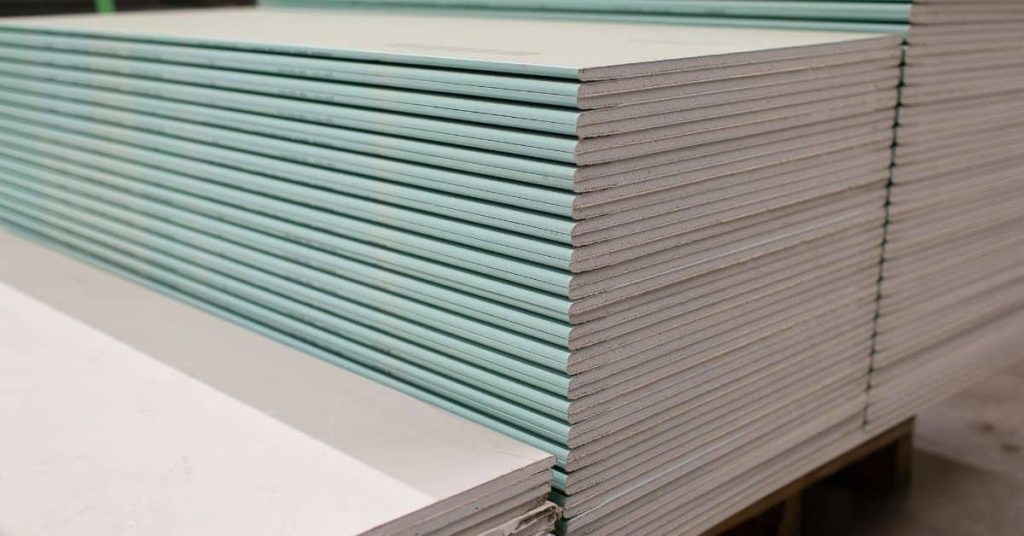
Introduction
Drywall and plaster are two wall finish systems, and the right choice depends on room use and project goals. For quick, clean installs in everyday spaces, drywall is usually easier and quicker. In rooms with traditional aesthetics or long-term durability needs, plaster can offer a different feel, but it takes more time and care.
Think about how you’ll use the room, how much traffic it gets, and how you’ll repair scratches later. If you want a fast finish and easier repairs, drywall is a solid default; if you want a more solid feel, a smooth plaster look, or historic accuracy, plaster may be worth the effort. Always check product labels and follow manufacturer instructions, and verify local rules or codes for your project.
Key takeaways
- Drywall is faster for standard rooms; plaster suits historical finishes and thicker walls.
- For bathrooms and kitchens, moisture-resistant drywall is preferred over traditional plaster.
- Plaster requires skilled labor; drywall can be DIY with basic tools and care.
- Plan longer timelines for plaster repairs or historical restoration versus standard drywall install.
- Wear eye protection and dust mask when cutting gypsum board; follow safety guidelines.
- Install proper moisture barriers and sealants to reduce sound and fire risks.
Table of Contents
- Introduction
- Key takeaways
- Quick Comparison at a Glance
- Room-by-Room Recommendations
- Project-Type Guidance (New Construction, Renovation, Historic Restoration)
- Installation Complexity and Timeline
- Tools and Materials Checklist
- Finishing, Textures, and Paintability
- Performance Factors: Moisture, Sound, Fire, and Durability
- Cost, Budgeting, and Lifecycle Considerations
- Conclusion
- FAQ
Quick Comparison at a Glance
Drywall is a gypsum core board behind paper, generally faster to install and finish. Plaster is a cement-like mix applied in multiple coats over lath or prepared surfaces, taking longer to complete. Both end results vary in texture, maintenance, and when repairs are needed.
Key differences show up in typical room usage and performance. Use this snapshot to orient your decision before diving into room-specific details. For exact specs, always check product labels, manufacturer instructions, or local building guidelines.
Key material differences
Choosing between drywall and plaster depends on their basic makeup and installation.
- Drywall: Made from gypsum sandwiched between paper, it’s lightweight, easy to install, and suitable for most rooms. Look for Type X for fire resistance. Avoid using in high-moisture areas due to potential sagging or mold growth.
- Traditional Plaster: A mix of gypsum, lime, and sand, it’s heavy, labor-intensive, but offers excellent finish quality. Specify ‘3-coat’ for durability. Avoid in homes with structural issues as it can crack due to settling.
- Veneer Plaster: Thin layer of plaster applied over drywall or existing plaster, offering a high-end finish. It’s lighter than traditional but still heavier than drywall. Look for ‘Venetian’ for a smooth, polished look. Avoid applying over damaged surfaces to prevent cracks.
Performance summary
Drywall and plaster offer different performance characteristics:
Moisture Resistance: Drywall is susceptible to moisture damage, while plaster can handle it better due to its lime content.
Durability: Plaster is more durable but also heavier and harder to repair. Drywall is lighter and easier to fix but less durable.
Soundproofing: Both offer some soundproofing, but plaster provides better noise reduction due to its density.
Finish Quality: Plaster offers a smoother, more uniform finish, while drywall can have visible seams and may require additional finishing steps.
Suitability by project scale
Drywall and plaster are suited to different project scales:
Small Repairs: Drywall is easier for small repairs due to its light weight and availability of small sheets. Plaster requires skilled labor, making it less practical.
Whole-Room Installs: Both can be used, but drywall is faster and cheaper, while plaster offers a better finish.
Full-Home Projects: Drywall is the go-to for new construction due to its speed of installation and lower cost. Plaster may be used in select rooms for high-end finishes.
Room-by-Room Recommendations
Bathrooms and kitchens benefit from moisture considerations; plaster can feel more durable, but modern moisture-tolerant drywall options are common. Living rooms and bedrooms usually favor drywall for clean finishes and straightforward repairs. Basements and garages require attention to moisture, framing, and ongoing wear considerations.
For each space, pair the material with typical use and maintenance needs. Look to labels, installation guides, and local codes to confirm suitability. Practical choices come from matching finish expectations with environmental conditions in each room.
Bathrooms and kitchens
In bathrooms and kitchens, moisture is a big concern. You need materials that can handle it.
Drywall comes in moisture-resistant types. Use them here. They’re cheaper than specialized plaster options.
Plaster can be used too, but it’s pricier and needs more care during installation. It’s better for high-end projects where budget allows.
Living rooms, bedrooms, and home offices
Aesthetics matter in these spaces. Plaster gives a smooth, elegant finish. It’s great for high-end looks.
Drywall is cheaper but still offers good aesthetics. It’s easier to install too. Use it where budget is a concern or installation speed matters.
Acoustics are important in home offices. Drywall can be soundproofed, making it a good choice for these spaces.
Basements, garages, and utility spaces
These areas see less traffic. Cost-effective options are key here.
Drywall is cheaper. It’s a good choice for these lower-priority zones. Plus, it comes in moisture-resistant types for damp basements.
Impact resistance matters in garages. Drywall can handle impacts better than plaster. It’s the safer choice here.
Project-Type Guidance (New Construction, Renovation, Historic Restoration)
New construction often benefits from drywall for speed and standardized finishes. Renovations may call for plaster to match existing textures or achieve a specific look. Historic restoration can demand plasterwork to preserve authentic wall finishes and endurance.
Structural and permit considerations vary by project type; verify requirements with the local authority or the project specs. When in doubt, consult manufacturer instructions and label information to ensure compatibility with existing structures and codes.
New construction and framing considerations
When building new, you’ve got a clean slate. Drywall’s your friend here.
Why? It goes up fast, and it plays nice with other trades. Plumbers, electricians – they love drywall because it’s easy to cut and run their lines through.
Framing tolerances are tighter too. Drywall needs a solid, flat surface to stick to. So, make sure your studs are straight and your walls are square.
Prep work? Keep it simple. Just prime the substrate before hanging drywall. That’ll help with soundproofing and paint adhesion.
Renovation and retrofit approaches
Retrofitting’s a bit trickier. You’ve got old walls, maybe some hidden surprises. Plaster or drywall?
Plaster can be a good fit if you’re trying to match an existing finish. But it’s labor-intensive and messy. Plus, it might not play nice with your new framing.
Overboarding – that’s slapping new drywall over old plaster or lath – is an option. But it adds thickness, so consider door clearances and such.
Sometimes, old plaster’s just too damaged to save. If you’re tearing out walls anyway, go ahead and replace with drywall. It’s cheaper and easier in the long run.
Historic and decorative plaster work
Got an old home? Preserving original plaster can be a must. It’s part of your home’s history, after all.
But, if it’s damaged or dangerous, you might need to replace. And that’s where drywall comes in – it’s cheaper and safer.
Matching ornamental profiles? That’s where specialist plaster restoration comes in. They’ve got the skills and tools to mimic old-world craftsmanship.
Before you start, check local historic preservation rules. Some areas require certain materials or techniques to maintain authenticity.
Installation Complexity and Timeline
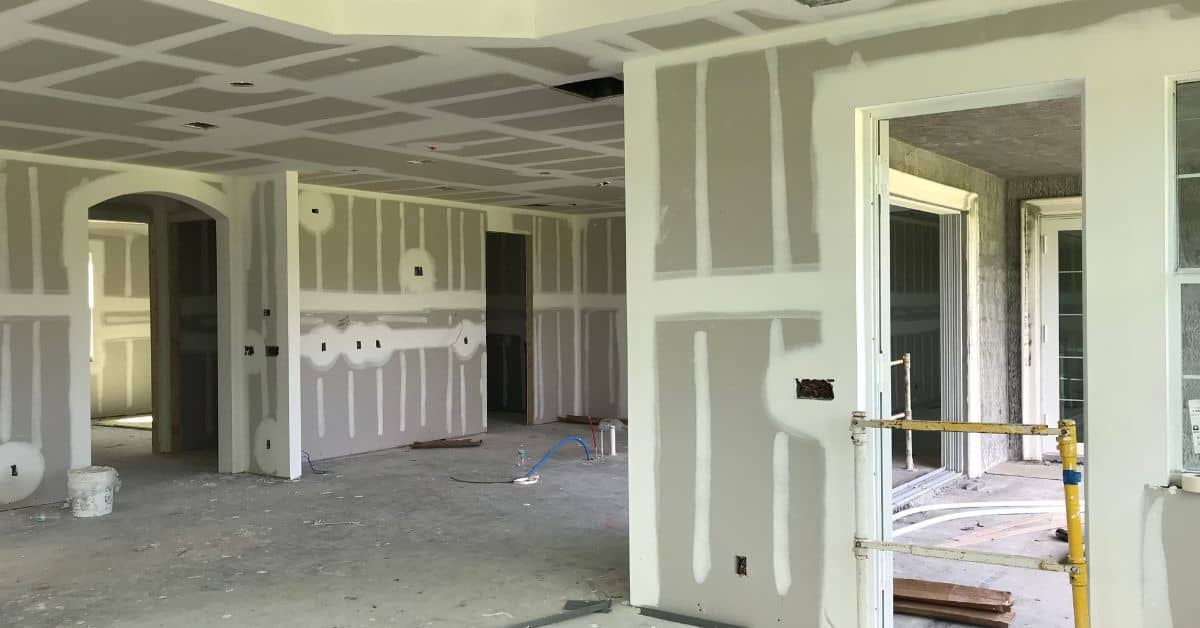
Drywall installation follows a straightforward sequence of framing, hanging, taping, and finishing. Plaster requires careful mixing, base preparation, and multiple coats with curing time between steps. Overall, drywall tends to move faster from start to finish.
Weather, access, and room size affect scheduling; plaster work often extends timelines due to drying and cure times. Always check product data sheets and local rules for any required inspections or set times that apply to your project.
Drywall workflow
Hanging drywall involves lifting and securing sheets to the framing. Start from a corner, work your way out. Use screws, not nails.
Taping follows. Apply joint tape over seams, embedding it in joint compound. Let it dry.
Next is mudding. Apply thin coats of compound over tape, feathering edges. Sand between coats for a smooth finish.
After final sanding, prime the walls to seal them and prepare for paint or wallpaper.
Plaster workflow (traditional and veneer)
Traditional plaster involves multiple coats. First, apply a scratch coat. Let it cure for a day or two before applying the next.
The second coat is the brown coat, which levels out imperfections. Cure time varies but expect at least 24 hours.
The final coat, the finish coat, goes on after another cure period. It’s sanded smooth and ready for paint within a week.
Veneer plaster over drywall is faster. Apply a thin layer of setting-type plaster directly to primed walls. Let it cure for 24-48 hours before painting.
When to hire a professional vs DIY
Hire pros if you’re inexperienced. Drywall and plaster require skill, practice. Pros have both.
Access can be an issue too. If rooms are hard to reach or have complex layouts, consider hiring help.
If finish quality is critical—like in high-end homes or historic restorations—pro pros ensure a top-notch job.
Lastly, safety risks. Heavy lifting, sharp tools, dust—if you’re unsure, hire someone with the right gear and know-how.
Tools and Materials Checklist
Drywall work relies on saws, screws, joint compound, and trowels, plus sanding supplies for smooth finishes. Plaster projects require lath or backing, plaster mixes, hawks, trowels, and brushes for textures. Have all safety gear on hand for both paths.
Stock common consumables like fasteners, joint tape, and finish coats, plus a selection of textures if you plan decorative work. For a precise list, compare the manufacturer instructions and product labels for the materials you intend to use.
Drywall tools and supplies
Before you start hanging drywall, use this checklist to ensure you have everything you need for a smooth installation.
- Tape measure: Check it’s in good working order. A broken tape can lead to inaccurate measurements and costly mistakes.
- Drywall screws or nails: Ensure they’re the correct length (usually 1-1/4″ to 2″) and type (coarse-thread screws are best). Using the wrong size can cause drywall to sag or pop off.
- Drywall saw or utility knife: Verify it’s sharp. A dull blade makes cutting difficult and increases the risk of damage.
- Drywall lift: If you’re working alone, ensure you have one to safely hold drywall sheets in place while you secure them.
- Joint compound (mud): Check it’s fresh and mixed properly. Old or improperly mixed mud can crack or fail to bond.
- Joint tape: Ensure it’s wide enough for your needs (usually 4″ or 5″) and that the roll isn’t damaged. Damaged tape can cause weak joints.
- Finishing tools: Have a broad knife, taping knife, and sanding block ready. Using the wrong tool can result in poor finishes.
- Sandpaper: Check grits are 120 or 150 for final sanding. Coarser grits can damage drywall paper, while finer grits may not remove all compound ridges.
Quick rule: Always check your tools and materials before starting work to avoid costly rework and delays.
Plaster tools and supplies
Use this checklist before starting any plastering job to ensure you have the right tools and materials for traditional or veneer plaster.
- Trowels (3-4 sizes): Check you have trowels in various sizes (6″, 10″, 12″, 14″) for different stages of application and finishing. Trowel edges should be smooth and sharp.
- Hawks: Ensure you have hawks to match your trowel sizes. They should be in good condition with no cracks or warping.
- Plaster mixer: Inspect your plaster mixer (electric or mortar mixer) to ensure it’s clean, functional, and can handle the required batch size.
- Plaster base materials: Verify you have enough base materials like gypsum, lime, or cement for traditional plasters, or acrylic binders for veneer plasters. Check labels for correct proportions and storage conditions.
- Measuring tools (tape measure, level): Ensure you have accurate measuring tools to mark out and check your work as you go.
- Safety gear: Check you have safety glasses, gloves, dust mask, and ear protection for mixing and applying plaster.
- Scratch coat tools (brooms, combs): For traditional three-coat plasters, ensure you have brooms or combs to create a textured surface for better adhesion of the next layer.
- Finishing trowels: Check you have finishing trowels (16″, 24″) with smooth edges for final application and smoothing.
Quick rule: Always check your tools and materials before starting. Missing or damaged items can cause poor results, rework, and delays.
Material specs and standards explained
Before you start mixing or applying any material, use this checklist to ensure you’re using the right stuff for your job. This will save you time, money, and headaches down the road.
- Cement density: Check it’s within safe range (usually 3100-3250 kg/m³). Too low means weak concrete, too high can cause cracking. Verify on product label or manufacturer’s website.
- Moisture rating of aggregates: Ensure they’re within acceptable limits (typically 4-6%). Excess moisture can lead to weak concrete and surface issues. Use a moisture meter to check.
- Fire resistance rating: If required, confirm it meets local building codes. Check product data sheets or consult with your local fire department.
- Concrete mix design: Verify it’s suitable for your project (e.g., strength, durability). Follow manufacturer guidelines or consult a structural engineer if unsure.
- Admixtures: Check they’re compatible with your cement and aggregates. Incorrect admixtures can cause setting issues, reduced strength, or discoloration.
- Finishing systems (sealers, stains, etc.): Ensure they’re compatible with your concrete mix and intended use. Check manufacturer instructions to avoid compatibility issues.
- Reinforcement bars: Verify they meet local standards for size and spacing. Inadequate reinforcement can lead to structural failures.
- Concrete cover: Ensure it’s adequate (typically 2-4 inches) to protect rebar from corrosion. Too little cover can cause rusting, too much wastes material.
Quick rule: Always check local building codes and standards before starting any project. They vary by region and can impact your material choices.
Finishing, Textures, and Paintability
Drywall accepts a wide range of textures and paints with consistent results when properly finished. Plaster finishes can offer unique textures and depth, but may require skilled application for evenness. Consider repair strategies that match the existing look you want to achieve.
When blending new work with old surfaces, plan texture and paint to minimize conspicuous transitions. Always verify texture compatibility and finish recommendations on product labels or data sheets.
Joint finishing, sanding, and skim coats
Drywall seams are typically finished using a combination of joint tape, compound, and sanding. Plaster, on the other hand, often relies on wet-skim techniques for a seamless look.
Sanding drywall: After applying compound and letting it dry, use a sanding screen or pole sander to remove excess material and smooth the seam. Start with coarse (60-80 grit) then finish with fine (120-150 grit).
Wet-skim plaster: Apply a thin layer of finish plaster over the entire wall, including joints. This creates a seamless look but requires more skill and time.
Common textures and matching existing surfaces
Both drywall and plaster can achieve various textures. Here’s how to match common ones:
Drywall: Use joint compound and texture sprays or brush-on textures for knockdown, orange peel, or popcorn effects.
Plaster: Apply finish plasters with aggregates (sand, marble dust) for a textured look. For existing surfaces, scrape off old texture, apply new plaster, and tool it to match.
For complex textures, consider hiring a professional or practicing on scrap material first.
Priming and paint adhesion considerations
Both surfaces need priming, but the type of primer differs:
Drywall: Use a PVA (polyvinyl acetate) or drywall-specific primer to seal the paper face and improve paint adhesion. Apply with a roller or sprayer.
Plaster: Choose an oil-based or shellac primer for better adhesion on porous plaster surfaces. Apply with a brush, working it into the surface.
For both, use high-quality 100% acrylic latex paint systems for long-lasting results and easy touch-ups.
Performance Factors: Moisture, Sound, Fire, and Durability
Moisture resistance varies by material and product type; assess room environment and use appropriate moisture-rated options. Sound control depends on wall assemblies and insulation choices rather than material alone. Fire resistance is influenced by board type and overall assembly as well as local code requirements.
Durability considerations include impact resistance and long-term wear; plaster can be more rigid and crack-prone in some settings, while drywall can be more forgiving with proper framing. Always cross-check ratings and installation standards with your local codes and manufacturer guidance.
Moisture resistance and mold risk
Drywall and plaster both can be susceptible to moisture damage, but with the right choices, you can minimize risks.
Drywall: Use moisture-resistant drywall in bathrooms, kitchens, or laundry rooms. It’s green on one side and blue on the other for easy identification. Seal seams and edges with special tape and compound to prevent water penetration.
Plaster: Traditional three-coat plaster has natural moisture resistance due to its lime content. However, it’s more porous than drywall, so seal it well with primer and paint. Consider using a waterproof finish like latex or oil-based paint in high-moisture areas.
Soundproofing and insulation options
Both drywall and plaster can be used to create soundproof walls, but they perform differently.
Drywall: For better soundproofing, use double layers of 1/2″ or 5/8″ drywall with staggered seams. Add a layer of acoustic insulation like mineral wool or fiberglass between the studs for extra noise reduction.
Plaster: Plaster has natural sound-absorbing properties due to its porous nature. For better soundproofing, use two coats of plaster on each side of the wall and add a layer of acoustic insulation behind it.
Fire resistance and code considerations
Both drywall and plaster can provide fire resistance, but you must follow local building codes to ensure safety.
Drywall: Use Type X or fire-resistant drywall in areas required by code. It has a gypsum core with glass fibers for added fire resistance. Follow manufacturer guidelines for assembly thickness and joint treatment to meet fire-resistance ratings.
Plaster: Traditional three-coat plaster provides natural fire resistance due to its lime content. However, it may not meet modern fire-resistance codes on its own. Consult local codes and consider using a fire-resistant drywall base with a thin plaster finish for best results.
Cost, Budgeting, and Lifecycle Considerations
Material costs, labor rates, and finish quality affect overall budget; drywall typically offers a lower upfront cost and faster turnaround. Plaster work can require more skilled labor and may incur higher labor costs but can add lasting texture and authenticity in certain spaces.
Think about lifecycle value: repairs, retexturing, and repainting frequency influence long-term expense. For precise budgeting, review the contractor quotes, material labels, and local code requirements before committing.
Cost drivers and estimating approach
The price of drywall vs plaster projects varies based on several factors. Let’s break down the main cost drivers:
Labor: Skilled labor is crucial for a quality finish. Expect to pay more for experienced workers.
Access: Hard-to-reach areas like stairs or high ceilings can increase labor costs due to time and safety considerations.
Substrate prep: Existing walls may need repair before installation, adding to the total cost. Ask contractors about any additional prep work needed.
Finish level: Higher finish levels (e.g., Level 5 for drywall) require more time and skill, increasing labor costs.
Long-term maintenance and repair costs
Consider the long-term maintenance needs of each material when budgeting:
Drywall: Easier to repair but susceptible to damage from moisture, pests, or accidents. Expect occasional repairs.
Plaster: More durable and resistant to cracks but harder to repair. Repairs may require a professional to match the existing finish.
Regular maintenance like touch-ups and cleaning can help extend the lifespan of both materials. Factor these into your lifecycle budgeting.
Environmental and health impacts
Both drywall and plaster have environmental and health considerations:
Indoor air quality: Both materials can cause dust during installation. Plaster also emits volatile organic compounds (VOCs) as it dries. Ensure proper ventilation.
Recyclability and disposal: Drywall is recyclable but may contain gypsum, which can’t be reused in plaster. Plaster is more eco-friendly but generates waste during installation.
Check product environmental declarations to understand the full impact. Consider low-VOC and recycled content options for a greener project.
Conclusion
Choose the path that keeps your walls safe, durable, and looking right for the room—because the right choice prevents costly rework and long-term headaches.
Start by verifying the room’s needs, then confirm your timeline and tools, test a small area, and proceed in a logical order: decide the material based on moisture and use, prep the existing surface, install or patch in the correct sequence, finish with proper textures and paint, and always confirm every step meets the project’s moisture, sound, fire, and durability goals.
Avoid common mistakes: don’t mix materials without a compatible base, don’t skip moisture and structural tests, and don’t rush through finishing or misjudge nail, screw, or joint placement. Always wear PPE, keep the area well ventilated, test small areas first, and protect floors and adjoining work from dust or spills.
If you’re unsure about historic constraints, hidden framing, or large or high-moisture spans, or you uncover materials that require special handling, call a professional instead of forcing the project. Stay steady, follow the checks, and you’ll land with solid walls and a finish you can be proud of.
FAQ
Which system is best for humidity-prone rooms like bathrooms or kitchens?
Drywall with moisture-resistant board is usually easier to manage. Check the product label for moisture tolerance and any required sealants or coatings. Follow the manufacturer’s instructions for ventilation and drying times between coats.
Can I DIY plaster if I’ve always done drywall, or should I stick to drywall for renovations?
Drywall is generally the safer DIY option for most renovations. Plaster work can be messy and lacks forgiving install timing. If you’re set on plaster, read the plaster product instructions and local rules, and plan for extra time and cleanup.
How do I finish and paint plaster versus drywall surfaces?
Plaster finishes need a proper skim coat and sanding before paint. Drywall finishes are usually ready for primer once joints are sealed. Always follow the product data sheet for sanding, priming, and compatible paint types.
What should I consider for sound, fire, and durability when choosing between plaster and drywall?
Plaster can offer a denser feel in some setups, but it’s heavy and harder to repair. Drywall with appropriate layering and insulation can meet common needs with simpler repairs. Check product labels for sound-damping, fire-resistance ratings, and installation guidelines.