
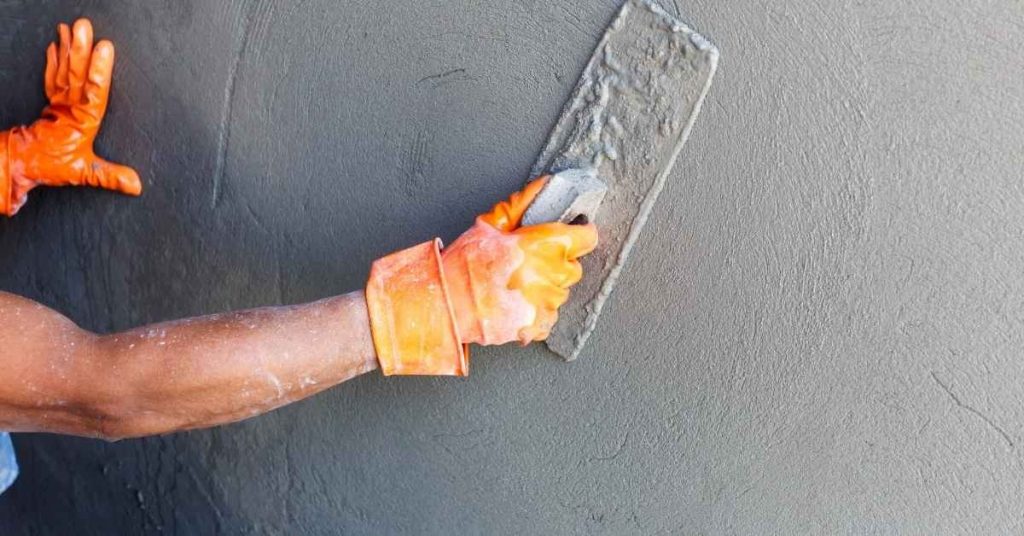
Introduction
Drywall texture matching is the process of reproducing a wall’s texture so new work blends with the old. It covers orange peel, knockdown, and skip trowel textures, whether you spray or hand‑apply. You’ll decide based on what you’re trying to reproduce and what tools you have on hand.
Start by inspecting the existing surface and making a small test patch to compare results. For spray textures, practice on a scrap board or a hidden area to dial in your technique before committing to the wall. If you’re hand‑applying, sketch out a plan and work in small sections, adjusting pressure and motion to imitate the neighboring texture.
Key takeaways
- Inspect existing texture under good lighting before choosing spray or hand methods.
- Test small patch first to adjust spray settings or joint compound thickness.
- Orange peel, knockdown, and skip trowel require different timing between coats.
- Mask, plastic containment, and ventilation are essential during spray work.
- Match texture by color and sheen before patching to avoid mismatches.
- Allow patches to dry per product instructions and revisit touch-ups safely.
Table of Contents
- Introduction
- Key takeaways
- Quick Visual and Functional Comparison of the Three Textures
- Tools and Materials Checklist (Spray and Hand)
- Choosing DIY Spray Vs. Hand Techniques
- Preparing the Wall and Patching for a Match
- Orange Peel — DIY Spray and Hand Approaches (Step-by-Step)
- Knockdown — Spray and Hand Techniques with Timing Tips
- Skip Trowel — Hand-Dominant Workflow and Faux Approaches
- Matching Existing Texture and Blending Repairs (Visual Checkpoints)
- Conclusion
- FAQ
Quick Visual and Functional Comparison of the Three Textures
Orange peel, knockdown, and skip trowel each have a distinct look and feel. You can identify them by texture density, height, and the way light plays across the surface. This intro helps you know which style suits your walls and your DIY comfort level.
Think about where the texture hides flaws and how forgiving the technique is for beginners. Some textures work better in high traffic areas or ceilings, while others hide patch work more effectively. When in doubt, check product guidelines and local rules before choosing a method.
Appearance and room-appropriate uses
Orange peel texture, named for its resemblance to the surface of an orange, creates a fine, uniform pattern. It’s commonly used in bedrooms, living rooms, and other spaces where a subtle, smooth look is desired.
Knockdown texture features deeper valleys and peaks, giving it a more dramatic appearance. It’s often chosen for ceilings or high-traffic areas like hallways and kitchens due to its ability to hide minor imperfections.
Skip trowel texture has wide, deep grooves that create a bold, architectural look. It’s typically used in commercial spaces or homes with an industrial aesthetic, but can also be used in large living rooms or entryways for a striking effect.
Skill level and finish tolerance
Orange peel is the easiest texture for beginners to match. Its fine, consistent pattern requires less precision than other textures.
Knockdown can be more challenging due to its varied depth. It takes practice to achieve a consistent knockdown look.
Skip trowel is the most difficult texture for DIYers. The wide, deep grooves require a steady hand and good technique to apply evenly.
Pros, cons, and maintenance considerations
Orange peel: Pros – Easy to apply, hides minor imperfections. Cons – Can show seams if not applied properly, may require more coats of paint.
Knockdown: Pros – Hides major imperfections, durable. Cons – More difficult to apply, can look too busy in small spaces.
Skip trowel: Pros – Creates a bold, unique look. Cons – Very labor-intensive to apply, shows every imperfection, requires more paint.
Tools and Materials Checklist (Spray and Hand)
Start with a compact list of essential tools for spray and hand application. Include a texture sprayer, baskets or hopper, extension hoses, and a cleanup kit. For hand work, gather a mud pan, mixing tough, taping knife, and a flexible blade for feathering edges.
Also include joint compound or texture mix, priming products, and drop cloths. When selecting equipment, consider room size and the capacity limits on the label or instructions. Always verify compatibility with your texture choice and local requirements.
Compounds and material specs explained
Before you start mixing or applying compounds, use this checklist to ensure you’ve got the right materials for your job. This will help you avoid common mistakes that can lead to costly rework.
- Pre-mixed vs. powder joint compound: Check if you need pre-mixed (ready-to-use) or powder (needs mixing). Pre-mixed is convenient but has a shorter shelf life, while powder offers longer storage and can be customized with additives.
- Viscosity: Check the product label for viscosity. Lower viscosity compounds are thinner and better for filling small gaps, while higher viscosity is thicker and ideal for wider gaps or embedding mesh tape.
- Additives: If using powder compound, check if you need to add water or other additives (like accelerators or retarders) based on manufacturer instructions. Additives can speed up or slow down drying time.
- Setting type: Check if the compound is fast-setting (dries in 24 hours), medium-setting (30-60 days), or slow-setting (90+ days). Choose based on your project timeline and local climate.
- Shrinkage: Check for low shrinkage properties to prevent cracking. Shrinkage can cause visible cracks, leading to rework and additional costs.
- Sand content: Check the sand-to-compound ratio. Higher sand content provides better strength but can make application more difficult. Lower sand content is easier to apply but may not provide as much strength.
- Temperature range: Check if the compound’s ideal working temperature matches your job site conditions. Applying in temperatures outside this range can affect drying time and overall performance.
- Humidity control: Check if the compound requires humidity control during application or drying. Improper humidity management can lead to poor adhesion, warping, or other issues.
Quick rule: Always check and follow manufacturer instructions for your specific joint compound. Skipping this step can result in improper mixing, application, and drying, leading to subpar results and potential rework.
Spray equipment and accessories
Before you start spraying texture on your walls or ceilings, use this checklist to ensure all your spray equipment is in top shape. This will save you time, material, and prevent costly rework.
- Texture Sprayer: Check the type – airless (piston pump) or air-powered (diaphragm). Ensure it’s suitable for your chosen texture compound. (Check manufacturer instructions)
- Nozzle: Inspect for wear and tear, replace if necessary. Choose the right size and type for your desired texture pattern. (Refer to ‘Compounds and material specs explained’ section)
- Hose: Check for leaks or cracks. Ensure it’s long enough to reach all areas without straining. (Typically 50-100 ft depending on job size)
- Air Filter (for air-powered sprayers): Clean or replace if clogged. A clean filter ensures consistent airflow and texture quality.
- Air Compressor (for air-powered sprayers): Check pressure – it should be within the range specified by your sprayer’s manufacturer. (Usually 90-150 PSI)
- Gun and Wand: Inspect for leaks or blockages. Ensure they’re compatible with your chosen nozzle.
- Texture Compound Hose (if applicable): Check for leaks, ensure it’s long enough to reach all areas without straining.
- Tip Cleaner: Have a tip cleaner ready to prevent nozzle clogging during breaks or at the end of the day. (What goes wrong if you skip this: Clogged nozzles lead to inconsistent texture and downtime for cleaning)
Quick rule: Always inspect your equipment before starting a new job. A few minutes spent checking can save hours of rework later.
Hand tools, knives and finishing gear
Before you start mixing or spraying concrete, make sure you have all the necessary hand tools and finishing gear at hand. This checklist will help you verify that you have everything needed for a smooth and professional finish.
- Trowels ( various sizes ): Check you have trowels in different sizes (e.g., 6″, 12″, 18″) to suit your project. Trowels should be straight, not warped or bent.
- Knockdown Knife: Ensure you have a knockdown knife for smoothing and leveling the concrete surface. The blade should be straight and sharp.
- Skip Trowel: Verify you have a skip trowel with a flexible, non-warped blade to create texture and improve traction on your concrete surface.
- Concrete Brushes ( stiff and soft ): Check you have both stiff-bristled brushes for scrubbing and soft-bristled brushes for final cleaning. Bristles should be intact and firmly attached.
- Hawks: Ensure you have hawks in the right size to hold and carry concrete mix. They should be clean, undamaged, and able to hold a consistent amount of mix.
- Sanding/Grinding Tools ( optional ): If your project requires a smooth finish, check you have sanding or grinding tools in good working order with suitable grits for concrete (e.g., 30-80 grit).
- Cleaning Supplies: Verify you have brooms, mops, and other cleaning supplies to keep your work area tidy and remove any excess concrete or debris.
- Finishing Float: Ensure you have a finishing float with a straight, smooth edge for leveling and smoothing the concrete surface. The handle should be secure and comfortable to use.
Quick rule: Always inspect your tools before starting work. Bent or damaged tools can cause uneven surfaces and rework, costing you time and money.
Choosing DIY Spray Vs. Hand Techniques
For larger rooms or rough patterns, spraying can cover faster and produce consistent texture. Hand methods give you control for small patches or tricky edges. Your choice affects cleanup and the level of finish you can tolerate.
Consider whether you will rent or own equipment, and how much you value speed versus precision. Check rental terms or manufacturer guidance to confirm what is practical for your space and budget. Verify any local rules about spray mist or ventilation if applicable.
When spray is the better option
Spraying drywall texture is ideal for large areas where a uniform, consistent finish is desired. It’s faster and easier to cover big spaces with a sprayer than by hand.
Large rooms, open floor plans, or entire walls are perfect candidates for spraying. The even application helps hide minor wall imperfections, creating a smooth, professional look.
Spraying also saves time when you need to match an existing texture. It’s easier to replicate the same pattern across a large area with a sprayer than by hand.
When hand methods are preferable
Hand application is best for small areas, intricate corners, or when you need fine control over the texture. It’s perfect for touch-ups, repairs, or creating unique patterns.
Small patches, complex corners, or accent walls are ideal for hand texturing. You can easily adjust the pressure and angle of your trowel to create different effects.
Hand application also allows for better control over the final finish, making it easier to match existing textures in smaller areas.
Cost, noise, and cleanup tradeoffs
The upfront cost of spraying vs. hand application depends on whether you rent or buy equipment. Renting is cheaper but limits your ability to reuse the equipment in the future.
Sprayers are noisier than hand tools due to their compressed air operation. They also require more masking effort to protect adjacent areas from overspray. Cleanup involves removing tape and washing out the sprayer.
Hand application, on the other hand, is quieter and requires less masking. However, it can be messier, with texture compound drips that need cleaning up. Both methods require proper disposal of used materials according to local regulations.
Preparing the Wall and Patching for a Match
Begin with a close wall inspection for cracks, dents, and peeling paint. Feather any edges so the new texture blends smoothly with the old. Ensure the substrate is sound and primed as recommended by the product label.
Control environmental factors like humidity and temperature to help the texture cure properly. Match the patch thickness to surrounding areas, and follow the compound’s guidance for priming and adhesion. When in doubt, consult the manufacturer instructions or local codes.
Assessing existing texture and surface condition
Before you start, grab a small sample of the existing texture. Use a utility knife to cut out a piece about 4″ x 4″. This will help you match the texture depth.
Measure the depth of the texture on your sample. You’ll need this info later when mixing your compound. Be accurate. A few thousandths can make a big difference.
Now, examine the surface for any flaws. Look for cracks, holes, or other imperfections that need fixing. These will show up under your new texture, so fix them now with joint compound and sand smooth.
Patching, feathering, and drying best practices
Start by applying a thin layer of joint compound to your patched areas. Use a wide taping knife (12″ or 14″) for better control.
Feather the edges well. This means tapering the compound out so it’s barely there at the surface. This prevents ridges and ensures a smooth texture application.
Let it dry according to the manufacturer’s instructions. Usually, this is 24 hours. Sand lightly with a fine-grit sanding screen to remove any dust or high spots.
Priming, moisture checks, and adhesion tips
Prime the wall before applying texture. This seals the surface and helps with adhesion. Use a primer that’s designed for your specific texture type.
Check for moisture or contamination on the surface. If it’s damp or has mold, clean it off and let it dry completely. Texture won’t stick to a dirty or wet surface.
To prevent texture failure, make sure the surface is clean, dry, and free of contaminants. This includes dirt, grease, and old paint that might peel off later.

Orange Peel — DIY Spray and Hand Approaches (Step-by-Step)
Outline a concise plan for orange peel with both spray and hand methods. Set up your spray pattern and distance to test on a scrap board. Confirm the texture looks and feels even before moving to the wall.
For hand work, practice a light dabbing or stippling motion to mimic the spray result. Test, compare, and adjust pressure or pressure correspondingly until satisfied. Always verify technique specifics on product data sheets or manufacturer guidance.
Step-by-Step Process
Follow this clear, numbered sequence to achieve an orange peel texture using both spray and hand methods.
- Preparation: Gather tools, materials, and safety gear. Ensure the wall is clean, dry, and primed.
- Safety checks: Put on gloves, goggles, and a mask. Cover nearby areas with drop cloths.
- Spray method: Set up your sprayer (see next section), test on scrap material, then apply to the wall using smooth, steady motions at the recommended distance.
- Hand method: For small patches, use a roller or stipple brush to mimic the orange peel texture. Blend edges into surrounding texture.
- Drying and inspection: Allow the texture to dry (see ‘Drying, inspection, and touch-up strategy’ below), then inspect for any missed spots or imperfections.
- Touch-ups: Use a small roller or brush to apply touch-ups as needed. Ensure they blend seamlessly with the surrounding texture.
- Cleanup: Clean your tools thoroughly to prevent dried compound from causing issues later. Remove drop cloths and dispose of waste materials properly.
Spray method: setup, pattern, and test patches
Setting up your sprayer correctly is crucial for achieving a consistent orange peel texture.
First, adjust the nozzle to create a fine pebble pattern. Hold the sprayer 6-10 inches from the wall and move it in steady, overlapping ‘W’ or ‘M’ patterns to ensure full coverage.
Pro tip: Always test your setup on scrap material before spraying the wall. This allows you to fine-tune the nozzle setting and practice your motion without wasting material or creating visible mistakes.
Hand/simulated method for small patches
For small repairs, using a roller or stipple brush can help you mimic the orange peel texture and blend it into the surrounding area.
Dip your tool into the compound, then gently press it onto the wall. Use a light touch to create the pebble-like texture. Work in small sections at a time to ensure consistency.
Pro tip: To blend edges, use a drywall knife or trowel to lightly stipple the surrounding area and feather the new texture into the old.
Drying, inspection, and touch-up strategy
After applying your orange peel texture, follow this checklist to ensure a successful outcome.
- Wait 24-48 hours: Allow the texture to dry completely before inspecting or touching up.
- Check for missed spots: Inspect the wall closely for any areas that may have been missed during application. Use a small roller or brush to apply touch-ups as needed.
- Look for imperfections: Check for any inconsistencies in texture, such as areas that are too thick or thin. Lightly sand and touch up as necessary.
- Avoid over-sanding: Be careful not to sand through the texture, which can create visible patches.
- Test paint adhesion: Apply a small piece of painter’s tape to an inconspicuous area, let it sit for 24 hours, then remove it. If the texture comes off with the tape, you may need to apply another coat or use a primer designed for textured surfaces.
- Check for dust: Ensure there is no residual drywall dust on the wall that could interfere with paint adhesion. Wipe the wall down with a damp cloth if necessary.
- Prime before painting: Apply a coat of primer designed for textured surfaces to ensure proper paint adhesion and coverage.
- Quick rule: Always inspect your work under good lighting conditions to catch any imperfections or missed spots before moving on to the next step.
Knockdown — Spray and Hand Techniques with Timing Tips
Develop a plan to apply the pattern with even spacing and control. After spraying, monitor the surface for the right moment to knock down peaks. Timing will influence the flattened look and overall balance of the texture.
Use a broad blade or finish trowel to glide across the surface with steady pressure. Avoid overworking to reduce smearing and loss of raised elements. When unsure, check the product label, instructions, or local guidance for timing recommendations.
Spray application then knockdown blade technique
Start by setting your sprayer to a heavy pattern. You want a thick, textured coat for the knockdown effect.
Spray in short, controlled bursts, moving quickly and steadily across the wall. Keep your distance consistent – about 12 inches away – for even coverage.
Wait about 5-10 seconds after spraying before running your knockdown blade through the texture. You want to catch it just as it starts to set but hasn’t fully hardened yet.
Hold your blade at a consistent angle, around 45 degrees, and pull it firmly across the peaks, flattening them. Work in small sections, keeping your timing and pressure even for a uniform look.
Hand-applied knockdown for small areas
When spraying isn’t an option, use a trowel or broad knife to create your texture. Load it with joint compound and press it firmly against the wall.
Pull the trowel down in smooth, steady strokes, creating peaks and valleys. Work in small sections to keep the compound from drying out.
Knockdown the peaks using a drywall knife or taping knife. Hold it at an angle – around 45 degrees – and pull it firmly across the peaks, flattening them but leaving some texture behind.
Work quickly to avoid letting the compound dry out too much before you knockdown. If it starts to feel hard, wet your trowel or use a damp sponge to moisten the surface.
Controlling sheen and shadow for a match
The height of your peaks and the angle at which you knockdown them will affect how much light is reflected off the wall, creating shadows. To match an existing texture, you need to mimic these.
For taller peaks, use a lighter touch with your sprayer or trowel, and hold your blade more upright when knocking down. This will create longer, less flattened peaks that cast deeper shadows.
For shorter peaks, apply a heavier texture and hold your blade at a steeper angle to flatten the peaks more. This will create shorter, wider peaks with shallower shadows.
Remember, it’s all about practice and observation. Look at the existing texture, understand what creates its look, and mimic that in your application and knockdown technique.
Skip Trowel — Hand-Dominant Workflow and Faux Approaches
Describe skip trowel as primarily a hand technique that builds texture in a controlled layer. Start with a thin coat and use a light hand to create random, uneven patches. Move methodically to avoid overloading any area.
Explore options to simulate the look with partial tools if full equipment isn’t available. Practice on scrap to refine edge transitions and overall density. If details matter, verify technique notes on the product label or manufacturer instructions.
Traditional skip trowel hand technique
The skip trowel, also known as a hawk and trowel, is your tool for this job. First, load your hawk with joint compound, about 1/4 to 1/3 full.
Now, hold the trowel at a 45-degree angle to the wall. Start at the top and use a skipping motion – push the compound onto the wall, then pull it off before it spreads too much. The key is rhythm: push, pull, skip. It’s like you’re playing a musical instrument.
For that uneven plaster-like pattern, vary your pressure. Light for thin layers, heavy for thicker ones. And don’t be afraid to leave some voids – they add character.
Faux skip trowel using spray+skim
If you’ve got a texture sprayer, here’s a trick to mimic the skip trowel look. First, give your wall a light coat of texture using your sprayer.
Before it dries, grab your trowel. Hold it at that familiar 45-degree angle and lightly skim over the texture. You’re not trying to remove it, just blend it. Think of it as playing a very slow game of connect-the-dots with your trowel.
The result? A textured wall that looks like it was done by hand with a skip trowel. Just remember, this is a faux finish. It won’t be exactly the same as the real thing.
Visual checkpoints for an authentic skip finish
Before you start, assess your existing skip trowel surface. This checklist helps ensure your new work matches.
- Voids: Look for areas where the compound was barely applied or skipped entirely. These are intentional and give the texture its unique look.
- Raised edges: Check for spots where the compound was pushed too thick, creating raised edges. This is a common skip trowel characteristic.
- Strokes: Observe the direction of the strokes. They should be mostly vertical but with some variation to mimic the hand motion.
- Thickness variation: The texture shouldn’t be uniform. It should vary in thickness, creating depth and dimension.
- Color consistency: Ensure your new compound matches the color of the existing texture as closely as possible.
- Avoiding sags: Check for any areas where the compound sagged under its own weight. This can happen if it’s too thick or the wall isn’t flat enough.
- No visible trowel marks: Unlike other textures, skip trowel shouldn’t show clear trowel marks. It should look more like a random, uneven plaster application.
- Consistent texture throughout: The skip trowel effect should be consistent across the entire surface, not just in certain areas.
Quick rule: If it looks too uniform or perfect, it’s probably not a true skip trowel finish.
Matching Existing Texture and Blending Repairs (Visual Checkpoints)
Adopt a systematic approach to analyze the existing texture, noting height, pattern, and edge softness. Test-match on scrap or a hidden area before committing. Use clear visual cues to guide your repair plan.
Plan to blend edges with controlled feathering and gradual transitions. Establish checkpoints to evaluate success under different lighting conditions. If you’re unsure, consult product data sheets or guidance from the texture’s manufacturer.
How to create and evaluate test patches
Before you start patching, it’s crucial to create test patches to ensure your technique matches the existing texture. Here’s a checklist to guide you:
- Choose multiple spots: Select various areas with different lighting and angles.
- Document settings: Note down spray pressure, hopper settings, and knockdown blade angle for each test patch.
- Use scrap material: Apply the texture on scrap drywall or plywood to avoid damaging existing walls.
- Match lighting: Ensure consistent lighting when comparing test patches with the reference area.
- Check scale: Verify that the size and spacing of your texture match the original.
- Inspect sheen: Check if the sheen of your patch matches the existing wall. Sheen can vary based on how much light bounces off the surface.
- Evaluate shadowing: Observe how shadows are cast in both your test patches and the original texture to ensure they match.
- Compare under different angles: Check your test patches from various angles to see if they blend seamlessly with the existing wall.
Quick rule: The more test patches you create, the better you can fine-tune your technique for a perfect match.
Edge blending and feather techniques
To make patched areas disappear from typical viewing distances, follow this checklist to master edge blending and feathering:
- Start at the top: Begin your patch at the ceiling or crown molding to avoid visible seams.
- Use a smaller trowel: For edges, switch to a smaller trowel for better control and a smoother blend.
- Thin out compound: Mix in more water to thin out the joint compound for feathering at the edges.
- Lightly skim edges: Apply a light, thin layer of compound along the edge using a wide taping knife or trowel.
- Blend into existing texture: Work the compound into the existing texture, ensuring it matches seamlessly.
- Avoid heavy buildup: Be cautious not to apply too much compound at the edges, as this can cause visible seams.
- Inspect from different angles: Check your work from various angles to ensure edges blend smoothly with the existing wall.
- Let it dry completely: Allow the patched area to dry thoroughly before sanding and applying primer or paint.
Quick rule: Patience is key when blending edges. Take your time, and don’t be afraid to step back and inspect your work from different angles.
Troubleshooting common mismatch problems
Even with careful planning, issues can arise when matching existing textures. Use this checklist to diagnose and fix common problems:
- Scale mismatch: If your texture appears too large or small compared to the original, adjust your spray pressure or hopper settings.
- Sheen differences: To match sheen, experiment with different joint compound mixes, primers, or topcoats. Sanding can also help reduce gloss.
- Obvious seams: If edges are visible, reapply feathering techniques and ensure proper drying before sanding and painting.
- Shadowing issues: Check your lighting conditions when comparing test patches with the original texture. Adjust as needed to achieve consistent shadowing.
- Inconsistent knockdown: If your knockdown technique varies from the original, practice on scrap material until you achieve a consistent result.
- Color discrepancies: Ensure that you’re using the same primer and paint colors as the existing wall. Test in an inconspicuous area first.
- Texture too thick: If your texture appears too heavy, thin out your joint compound mix with more water or use a smaller trowel for application.
- Texture too light: If your texture is too faint, increase spray pressure, hopper settings, or use a larger trowel for application.
Quick rule: Regularly step back and inspect your work from different angles to catch potential issues early on.
Conclusion
Getting the texture to match is less about luck and more about disciplined prep, controlled application, and clean patches that respect the wall you’re blending into. Safety and patience matter because a small misstep can ripple into visible spots or damaged surfaces that cost more to fix.
Do a quick patch test in a inconspicuous area, pick the spray or hand approach based on the target texture, set up masking and tools, apply in light, even passes or stippled layers, compare to the existing texture against a steady light, adjust spacing and timing as you go, and let it cure before final finish or paint. Keep the process steady and check your work often as you move.
Common mistakes to avoid are over-wetting or spraying too close, rushing the timing or cure windows, and skipping masking or edge blending work. Follow basic safety rules: wear eye protection and a dust mask, ventilate the room, keep ladders stable, and never force a patch through with aggressive pressure or rapid, heavy coats that drench the wall.
If the area is large, the wall is cracked, or you’re matching several textures across ceilings or multiple rooms, consider calling a professional. When you stay methodical, you preserve the surface and save money in the long run. Stay practical, stay safe, and you’ll get a convincing texture that looks built-in.
FAQ
How do I decide which texture to use for a repair when matching existing walls?
Compare the feel and look of the surrounding area. If the wall has a light, subtle pattern, orange peel or a fine spray may work. For a slightly flattened, sandy look, knockdown can blend better. Skip trowel is usually for specialty finishes and should be used only if it matches nearby walls.
What’s the best way to blend a repaired spot with the existing texture?
Patch the deep area first, then reapply texture in small passes to match the surrounding pattern. Feather edges beyond the repair so the transition isn’t obvious. Drying times vary—listen to the texture as it sets and adjust pressure or spray distance accordingly.
What are common mistakes that ruin texture matching, and how can I avoid them?
Don’t over-wet the patch or the surrounding wall. Don’t rush the texture while it’s setting. Avoid trying to recreate the texture with the wrong tool or technique. If in doubt, test on a hidden area or a scrap piece and compare to the room first.
How can I test texture match before finishing the whole wall?
Make a small test patch on an inconspicuous spot. Let it dry fully, then compare to the existing wall under typical lighting. Adjust technique or spray/hand pressure and try again until you’re satisfied with the blend.