Search Results for: finishing

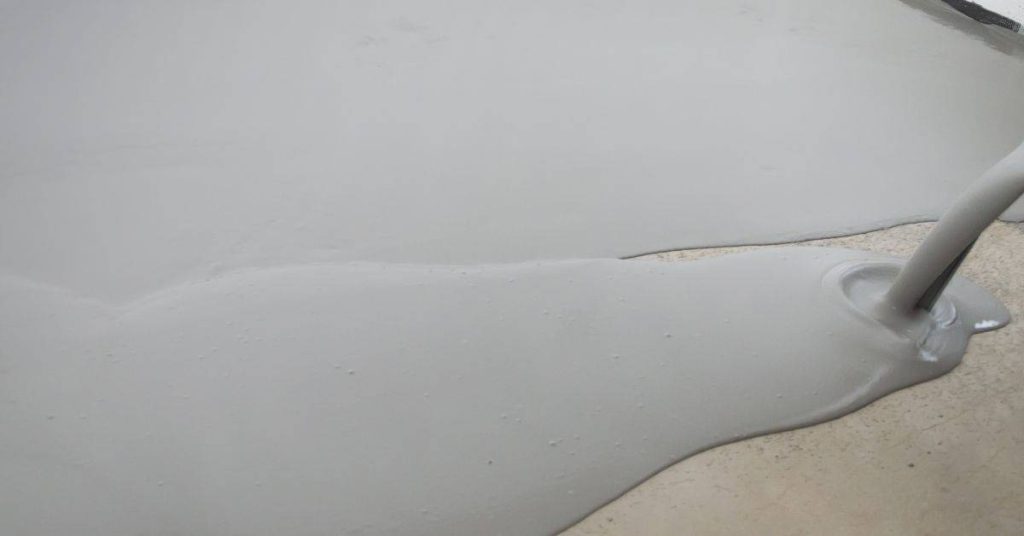
Fresh gray concrete being poured onto surface

Evaporation Reducer for Concrete: When to Spray, How Much to Use, and What It Fixes

Introduction An evaporation reducer for concrete is a chemical spray or treatment that slows water loss from fresh concrete. Use it when drying conditions are hot, windy, or dry to help finish quality and reduce surface crazing. Always read the product label and follow local rules to determine if it’s appropriate for your mix and […]

Evaporation Reducer for Concrete: When to Spray, How Much to Use, and What It Fixes Read More »

Cut cement board pieces with green cutting tool and yellow level

CSA Cement Repairs: Fast-Set Patches That Don’t Turn to Dust

Introduction CSA cement repairs are fast-setting patches that stay solid rather than crumbling. This guide shows you how to apply them on small cracks, chips, and damaged edges without turning the project into a mess. You’ll get a workable patch quickly and keep the surface ready for use. Check product labels and follow manufacturer instructions

CSA Cement Repairs: Fast-Set Patches That Don’t Turn to Dust Read More »

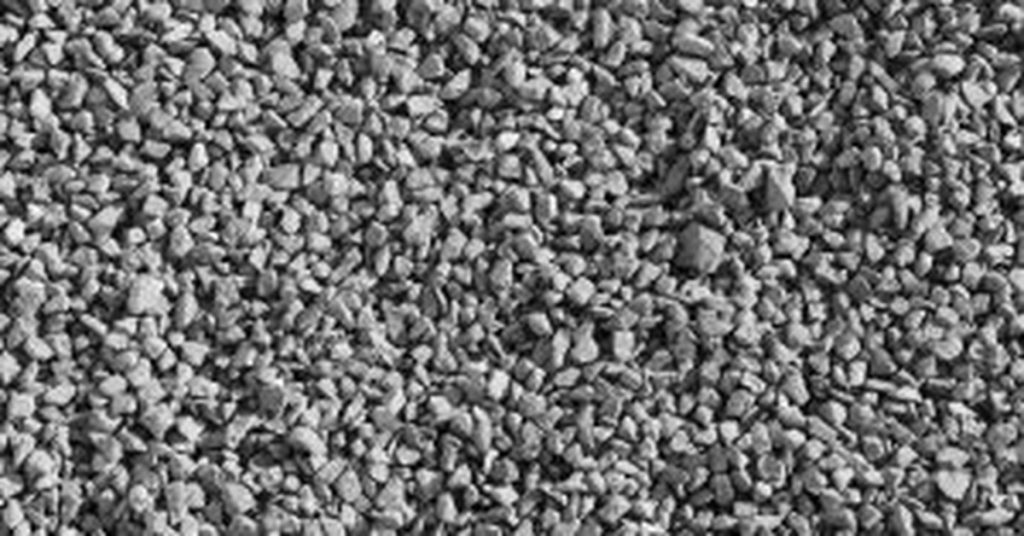
Close-up of small gravel aggregate stones

UHPC for Small Projects: When It’s Worth It and How to Mix It Safely

Introduction UHPC for small projects is a high-performance concrete mix designed for limited-volume jobs where strength and durability matter. This introduction explains, in plain terms, when it makes sense to choose UHPC and how to start mixing it safely for a DIY setup. It’s about weighing benefits against preparation, tooling, and costs. When mixing UHPC

UHPC for Small Projects: When It’s Worth It and How to Mix It Safely Read More »

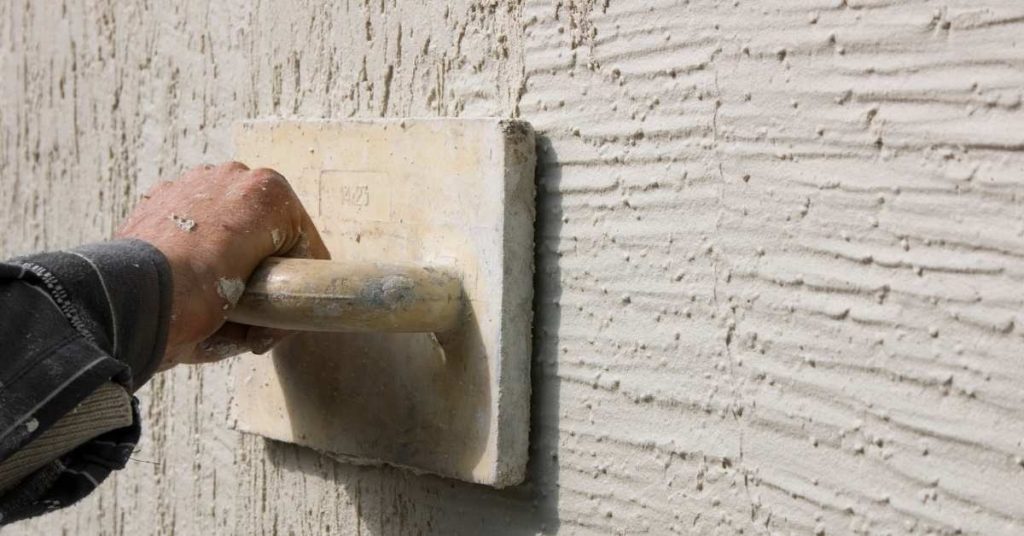
Hand smoothing textured stucco wall with float

GFRC Countertops: Face Coat vs Backer Coat (and How to Avoid Pinholes)

Introduction GFRC countertops use a thin face coat over a cement-rich backer to give the look of stone while keeping strength and cost in check. The face coat forms the visible surface and texture, while the backer provides depth and rigidity. In DIY practice, you’ll mix, pour, and cure them in layers, paying attention to

GFRC Countertops: Face Coat vs Backer Coat (and How to Avoid Pinholes) Read More »

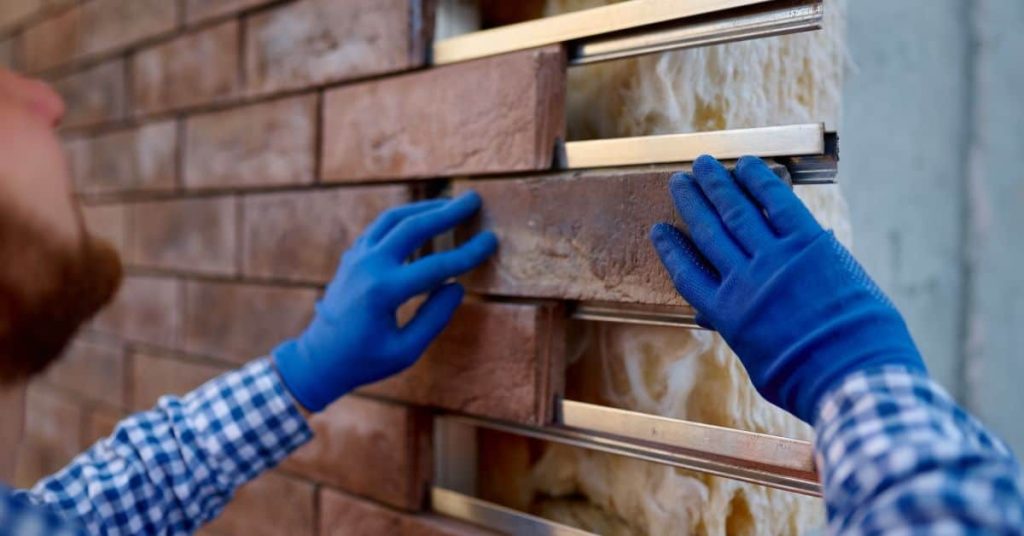
Person installing faux brick GFRC panels with blue gloves

GFRC Panels for DIY Projects: Mix Basics, Fiber Dosage, and Common Failures

Introduction GFRC panels are lightweight, fiber-reinforced cement panels that you can cast for DIY projects. They mix cement, fine aggregates, water, plus short glass fibers to add strength. Proper mixing and curing matter to avoid cracks. Getting the mix right means watching the ratio of cement to aggregate and ensuring the fiber dosage is even.

GFRC Panels for DIY Projects: Mix Basics, Fiber Dosage, and Common Failures Read More »

Concrete stairs with a smooth central ramp

Concrete Maturity Method for DIY Pours: Estimate Strength by Tracking Temperature

Introduction The concrete maturity method is a practical way to estimate concrete strength by tracking temperature over time. In DIY pours, you monitor concrete temperature as it cures and use that data to infer when it reaches sufficient strength. Always follow product labels and local rules, and understand that this method is a guide, not

Concrete Maturity Method for DIY Pours: Estimate Strength by Tracking Temperature Read More »

Orange road work ahead sign with workers in safety gear

Ferrocement Repair Shells: When They Work, How to Build Them, and How They Fail

Introduction A ferrocement repair shell is a thin, reinforced mortar skin applied over a frame to repair or rebuild a boat or similar surface. Work is done in stages—from prep to application to curing—and relies on a solid bond to the existing substrate. This article walks you through what you need to know to decide

Ferrocement Repair Shells: When They Work, How to Build Them, and How They Fail Read More »

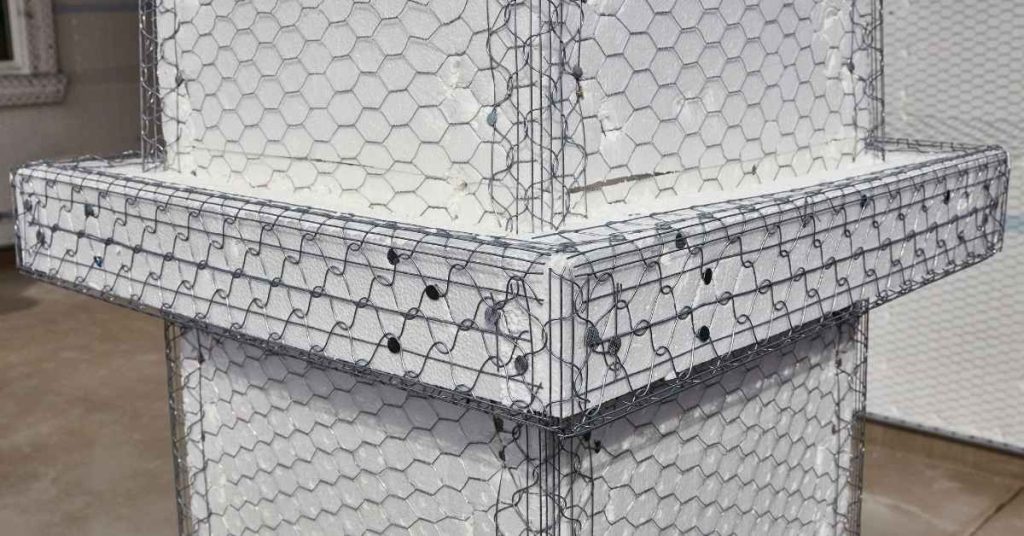
Corner of foam insulation covered with metal wire lath for stucco

Inside Corner Stucco Cracks: Reinforcement details that reduce repeat cracking

Introduction Reinforcement details inside a corner of stucco help prevent cracks from redeveloping. This article gives practical, home-friendly ways to strengthen the joint as you repair. Think of it as a light rebuilding of the corner so movement from framing or temperature doesn’t keep tearing at the surface. Start by inspecting the crack and removing

Inside Corner Stucco Cracks: Reinforcement details that reduce repeat cracking Read More »

Window with white horizontal blinds and green plants outside

Sealing Window-to-Stucco Joints: Backer rod depth and tooling that lasts

Introduction Backer rod depth and proper tooling create a durable seal between a window and stucco. The depth you choose should be guided by the joint width and the sealant you plan to use, and you must check the manufacturer’s guidelines. Using the right tooling helps the sealant lay smooth and stay in place as

Sealing Window-to-Stucco Joints: Backer rod depth and tooling that lasts Read More »

beige textured stucco wall close up

Rust Stains on Stucco: Removing iron marks without damaging the finish coat

Introduction Rust stains on stucco are iron marks that show up as reddish or orange streaks on the surface. This article explains how to remove those marks without harming the finish coat. You’ll learn practical, hands-on steps that you can try on your own wall. Start by testing a small, hidden area to ensure the

Rust Stains on Stucco: Removing iron marks without damaging the finish coat Read More »