Search Results for: finishing

Close-up of rough light gray stucco wall texture

Stopping Mold Regrowth on Stucco: Fixing moisture sources, not just the surface

Introduction Stopping mold regrowth on stucco means addressing the moisture that feeds it, not just cleaning the surface. Mold on stucco tends to come back if you don’t fix leaks, condensation, or improper drainage. Look for obvious sources like roof or gutter leaks, cracked stucco, and flashing issues, and note what you can realistically repair […]

Stopping Mold Regrowth on Stucco: Fixing moisture sources, not just the surface Read More »

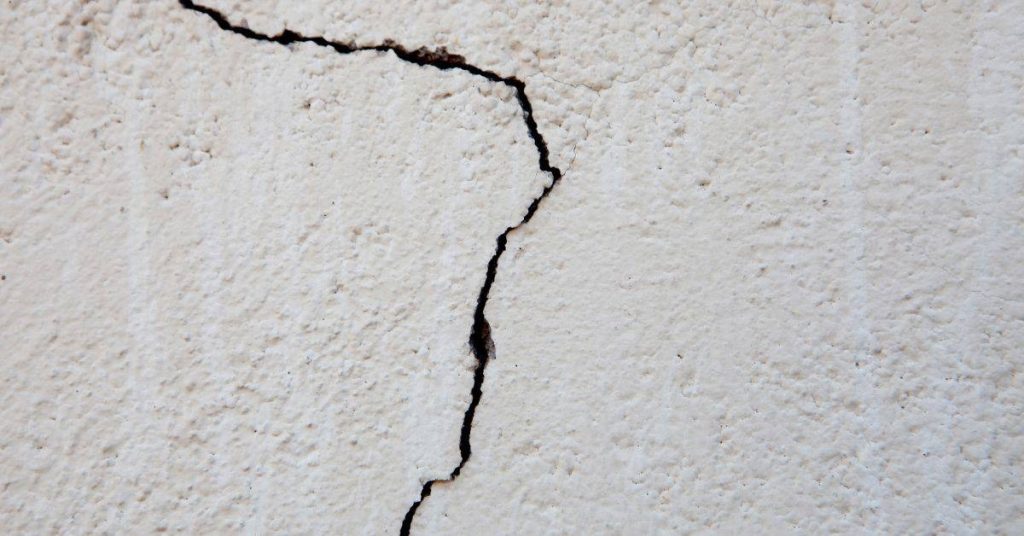
Closeup of cracked white stucco wall texture

Stucco Patch Color Matching: Avoiding halos and obvious repair rings

Introduction Color matching stucco patches means blending the new patch with the existing wall so it looks seamless. Start by inspecting the surface, note the shade under natural light, and compare small test spots. Plan to mix from the same material and apply in thin layers to avoid halos. Feather the edges and apply thin,

Stucco Patch Color Matching: Avoiding halos and obvious repair rings Read More »

Close-up of wrinkled burlap fabric texture in natural brown color

Stucco Patch Blending: Matching texture so it doesn’t flash in sunlight

Introduction Stucco patch blending is the process of making a new patch texture match the existing wall so it doesn’t flash in sunlight. Keep the goal simple: blend edges, lay color or texture subtly, and avoid obvious patches. Work in small, incremental steps and compare under the sun as you go. Check the patch material

Stucco Patch Blending: Matching texture so it doesn’t flash in sunlight Read More »

Rough concrete wall with horizontal wood grain texture

Lime Leaching on Concrete Features: Why it happens and how to reduce it

Introduction Lime leaching on concrete features is the migration of lime compounds to the surface, leaving white deposits. This happens when water moves through the concrete and dissolves soluble lime, then brings it up as it evaporates. For DIY work, you can slow it by careful curing, avoiding long wet periods, and following manufacturer guidance

Lime Leaching on Concrete Features: Why it happens and how to reduce it Read More »

Concrete surface with small holes and surface pitting

Hairline Cracks in Countertops: Repair methods that don’t leave lines

Introduction Hairline cracks in countertops are tiny, surface-level fractures that often appear in concrete or stone slabs. They can be caused by shrinkage, temperature changes, or minor impacts during curing and use. Polishing can sometimes reveal hidden flaws, so assess the whole slab before deciding how to fix it. For repair, choose materials designed for

Hairline Cracks in Countertops: Repair methods that don’t leave lines Read More »

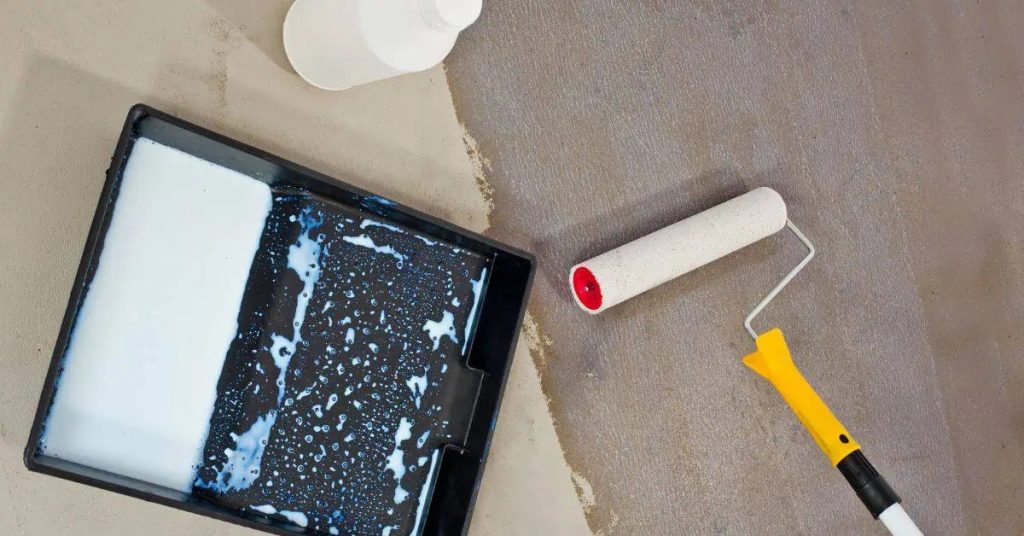
Paint roller and tray with white primer on concrete floor

Etching on Concrete Countertops: Fixing dull spots without changing sheen

Introduction Etching on concrete countertops is the process of lightly abrading the surface to restore or adjust the sheen in dull spots. It’s a hands-on fix you can do with basic tools. Start by identifying dull spots, then prep the area by cleaning and protecting surrounding surfaces, and check any product or finish labels for

Etching on Concrete Countertops: Fixing dull spots without changing sheen Read More »

Workers pouring wet concrete into a wooden form

Pouring Concrete in Two Lifts: How to avoid a weak plane between pours

Introduction Pouring concrete in two lifts means placing the slab in two separate sessions to build up thickness while ensuring a solid joint. Work carefully so the second lift bonds to the first without forming a weak plane. Keep the site organized and follow the manufacturer’s guidance for timing and preparation. The key is proper

Pouring Concrete in Two Lifts: How to avoid a weak plane between pours Read More »

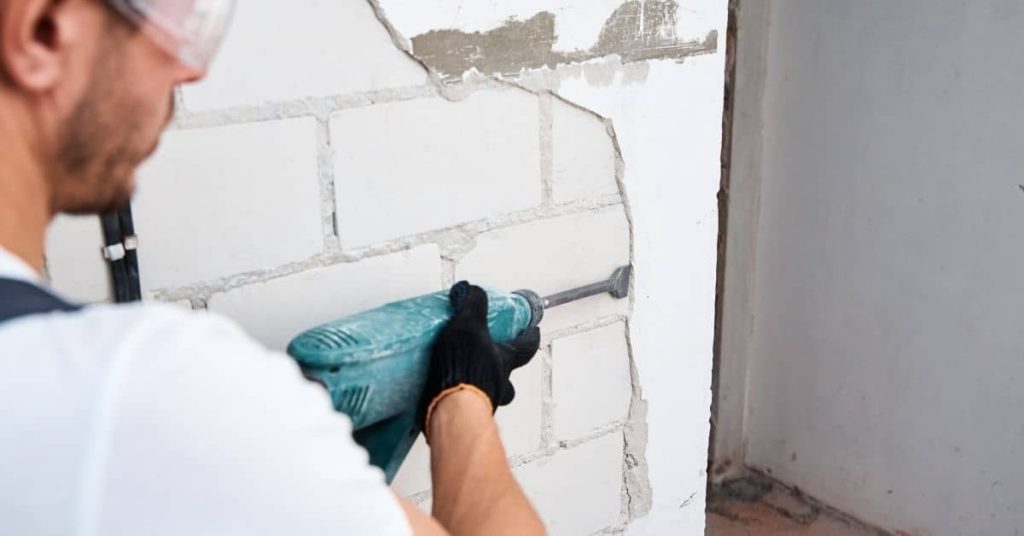
Worker using electric chisel removing stucco from wall

Stucco Bottom Edge Crumbling: Fixing wicking and keeping the base dry

Introduction Crumbling stucco at the bottom edge happens when moisture wicks into the base and weakens the coating. This article covers a practical DIY approach to stop the leak, remove damaged material, and start a proper patch. Check your local rules and product labels for compatibility and any safety steps. Start by cleaning the edge,

Stucco Bottom Edge Crumbling: Fixing wicking and keeping the base dry Read More »