Search Results for: dry silicone sand

Empty concrete parking garage with white pillars and ceiling

Sealing Concrete That’s Still Green: Safe Timing When You Can’t Wait 28 Days

Introduction Sealing concrete that’s still green means applying a sealer before the full curing time is finished. This can trap moisture and interfere with the concrete’s hardening. Always check the product label and local rules to know if sealing early is allowed and what risks to expect. If you can’t wait, use only sealers labeled […]

Sealing Concrete That’s Still Green: Safe Timing When You Can’t Wait 28 Days Read More »

Stone fireplace surrounded by plaster walls and large windows

Clay Plaster in Entryways: Scuff Resistance, Touch-Ups, and Protective Finishes

Introduction Clay plaster in entryways is a clay-based finish applied to walls to create a durable, breathable surface. In busy entry spots you’ll want to understand how it resists scuffs and how touch-ups go when scuffs happen. Check product labels and local rules for any limits on sealing or indoor use before you start. Touch-ups

Clay Plaster in Entryways: Scuff Resistance, Touch-Ups, and Protective Finishes Read More »

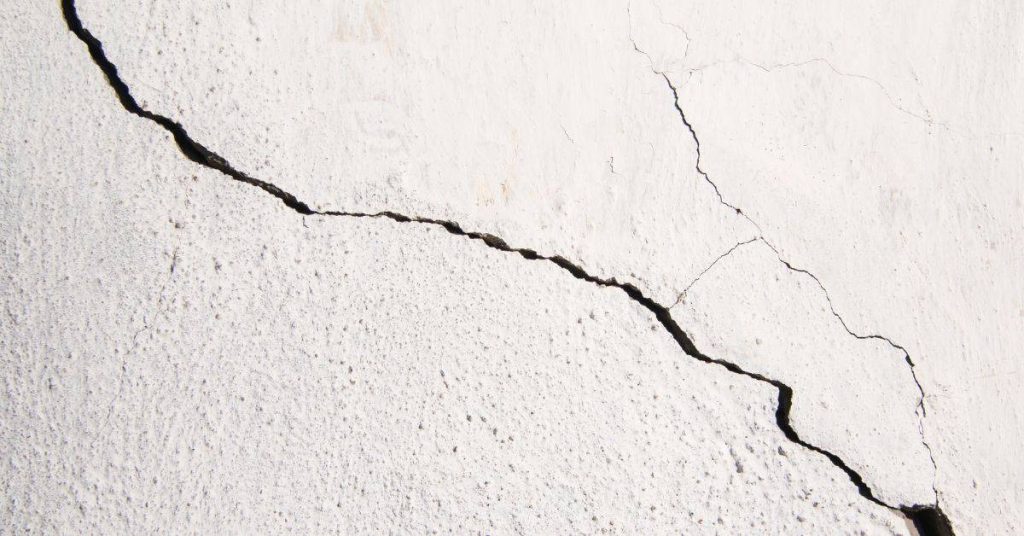
Closeup of large crack in white stucco wall surface

Tracking Crack Movement With Cheap Gauges: What to Record and How to Interpret It

Introduction Tracking crack movement with cheap gauges means using simple, low-cost devices to measure how cracks in concrete or masonry open, close, or shift over time. Place the gauges at consistent points on or near the crack and record readings at regular intervals, then photograph the crack and note the date and weather each time.

Tracking Crack Movement With Cheap Gauges: What to Record and How to Interpret It Read More »

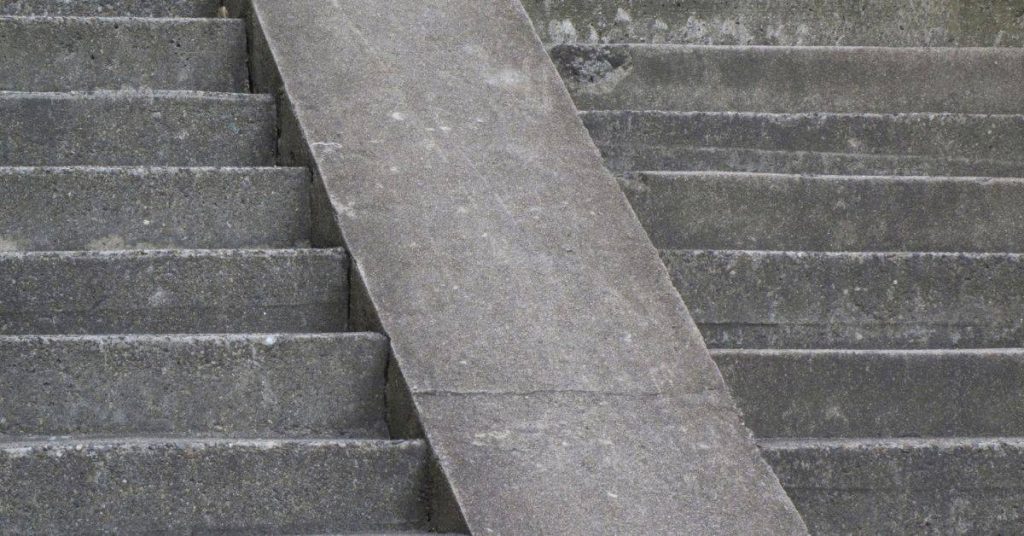
Concrete stairs with a smooth concrete ramp in the middle

Finishing Concrete Along Stairs and Steps: Clean Risers, Tight Corners, and No Ragged Edges

Introduction Finishing concrete along stairs and steps means smoothing and shaping risers and treads to remove ridges and achieve clean, even faces. This work uses hand tools and careful edging to keep joints tight and consistent along each stair edge. The goal is a safe, neat look that lasts without ragged edges. Start by outlining

Finishing Concrete Along Stairs and Steps: Clean Risers, Tight Corners, and No Ragged Edges Read More »

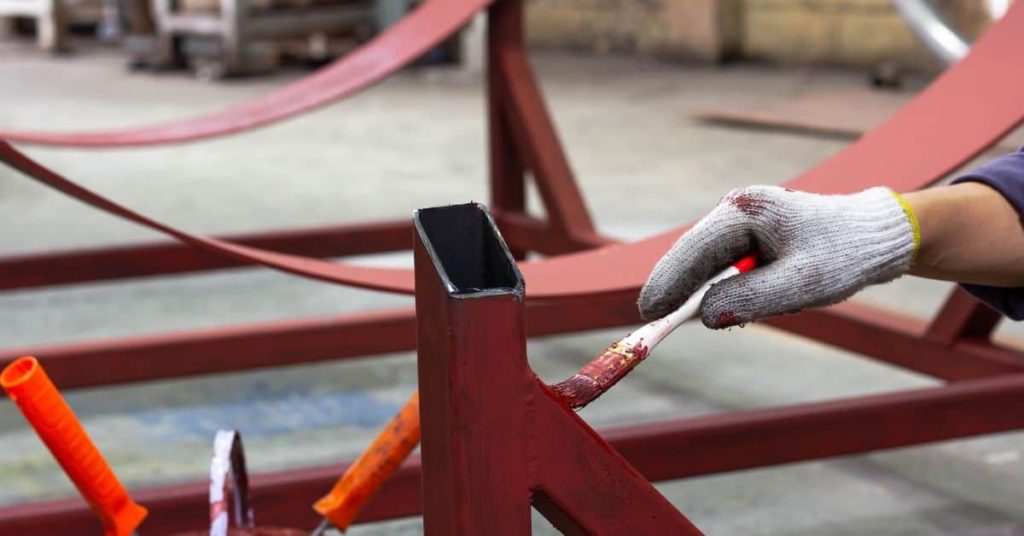
Gloved hand painting metal structure with red paintbrush

Plaster Delamination After Painting: Diagnosing Bad Primer vs Moisture vs Salt

Introduction Plaster delamination after painting is when the painted surface loses adhesion and the plaster layer peels or flakes away from the wall. It often points to issues with the primer, the presence of moisture, or salt-related damage behind the paint. Look for peeling edges, bubbling, or a chalky feel as you inspect the area.

Plaster Delamination After Painting: Diagnosing Bad Primer vs Moisture vs Salt Read More »

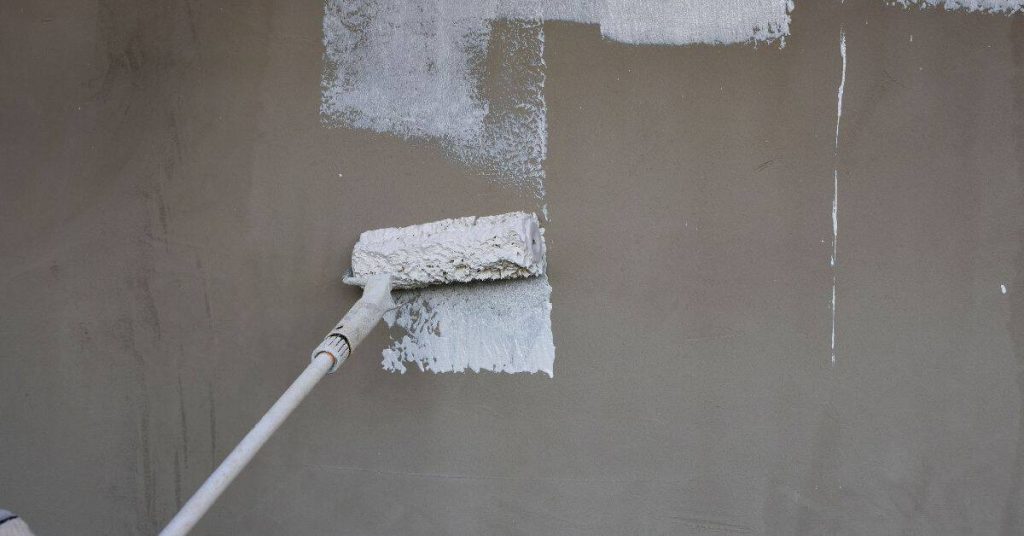
Paint roller applying white paint on brown stucco wall

Elastomeric Paint Over Hard Coat Stucco: When It Bridges Cracks and When It Blisters

Introduction Elastomeric paint over hard coat stucco is a flexible coating designed to bridge small cracks in the surface. It can improve weather resistance but may blister if the surface is dirty, damp, or improperly prepped. Proper prep and careful application are essential to a durable coat. Preparation and proper application are key to avoiding

Elastomeric Paint Over Hard Coat Stucco: When It Bridges Cracks and When It Blisters Read More »

Person spraying paint on white interior wall wearing protective gear

Painting Stucco After Patch Repairs: Timing, Primers, and Avoiding Halo Rings

Introduction Painting stucco after patch repairs means applying a fresh coat once patched areas have fully cured to protect and blend with the rest of the wall. Treat the patched spots as part of the surface and plan for color uniformity across the whole wall. Avoid rushing the cure; follow product labels and local rules

Painting Stucco After Patch Repairs: Timing, Primers, and Avoiding Halo Rings Read More »

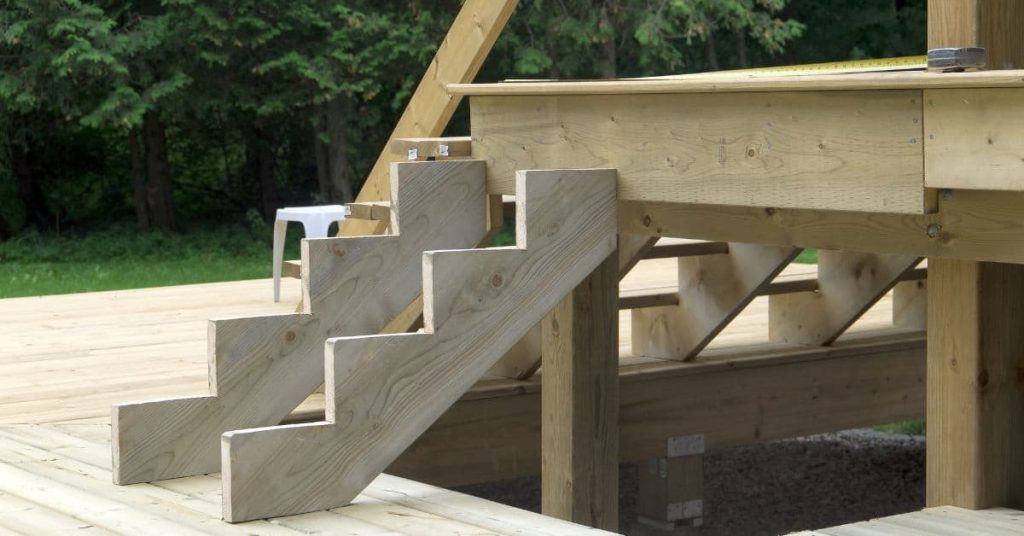
Wooden stair stringers attached to deck frame outdoors

Stucco Around Deck Ledger Boards: Waterproofing Details That Don’t Rely on Caulk

Introduction Stucco around a deck ledger boards is a method to seal and protect the joint where the deck meets the house. It relies on proper transitions and flashing rather than relying on caulk as the main waterproofing tool. The goal is to keep water from getting behind the stucco and into the wall cavity.

Stucco Around Deck Ledger Boards: Waterproofing Details That Don’t Rely on Caulk Read More »

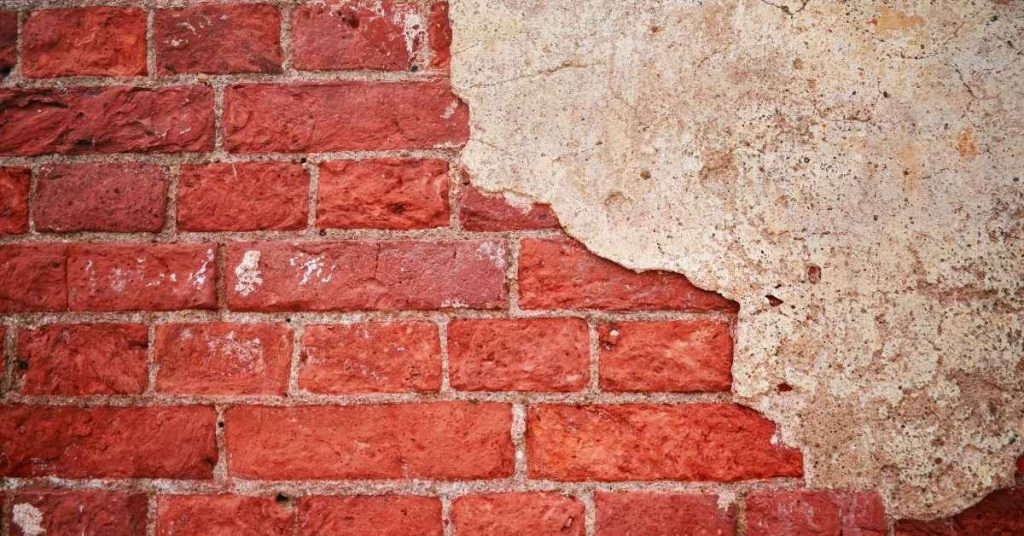
Peeling stucco on red brick wall

Stucco Patch Cracks That Reappear: Movement vs Shrinkage and How to Tell

Introduction Cracks that reappear after patching are usually caused by movement or shrinkage in the stucco system. You can tell them apart by looking at how the crack ran and what the surrounding area did over time; movement cracks often change with structure or temperature, while shrinkage cracks stay smaller and more uniform. To start,

Stucco Patch Cracks That Reappear: Movement vs Shrinkage and How to Tell Read More »

Close-up of rough concrete wall with wood formboard texture

Concrete That Looks Mottled After Sealing: Moisture Trap vs Uneven Absorption

Introduction Mottled concrete after sealing is uneven color that shows up on the surface due to moisture movement or uneven absorption. This isn’t a failure of the seal alone—it’s how the color beneath the seal reacts to the moisture levels in the slab. In plain terms, small differences in how the concrete absorbed the mix

Concrete That Looks Mottled After Sealing: Moisture Trap vs Uneven Absorption Read More »