Search Results for: drainage stucco

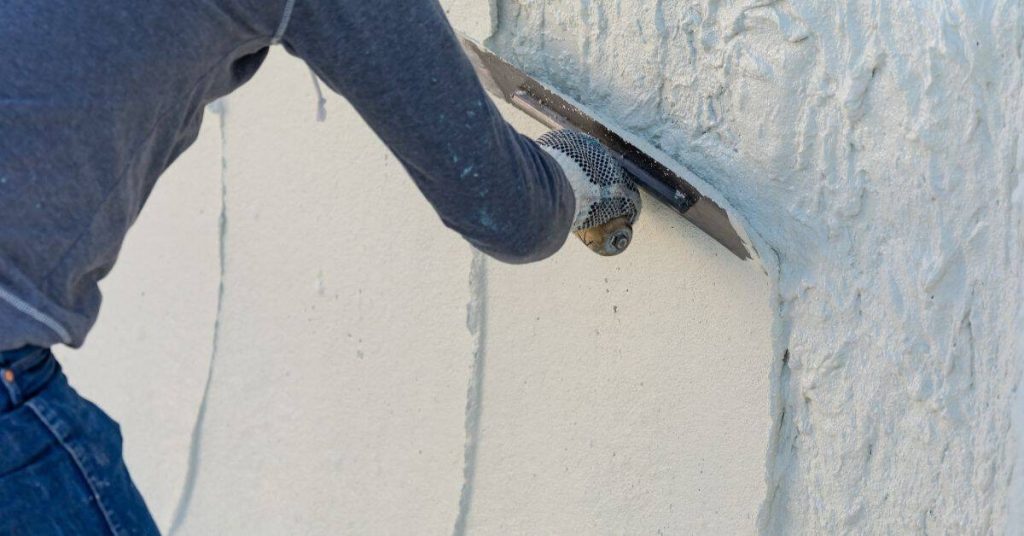
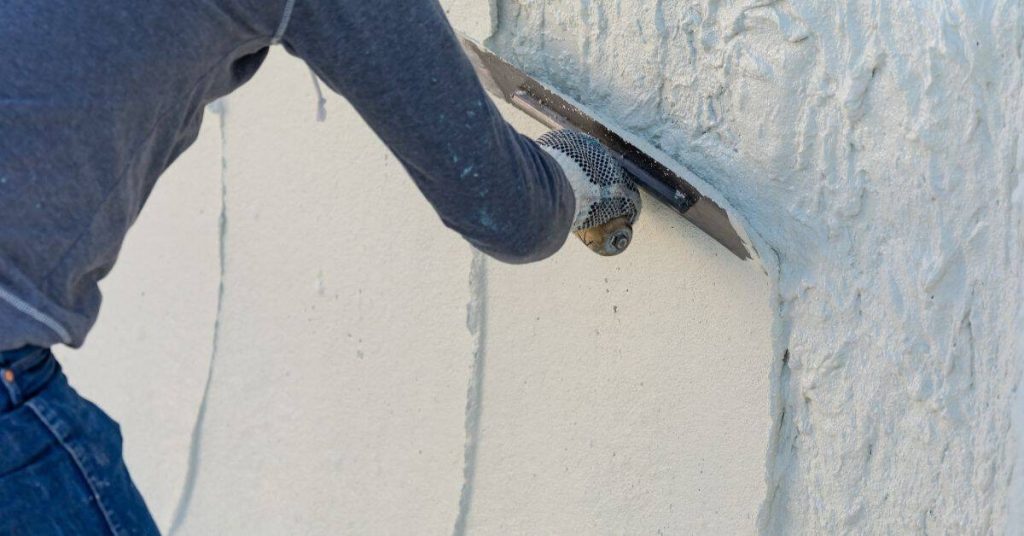
Person smoothing stucco on exterior wall with trowel

Drainage Stucco vs Barrier Stucco: How to Tell What You Have on Your House

Introduction Drainage stucco is a cladding system designed to let water that gets behind the finish drain out, while barrier stucco is meant to shed water at the surface and keep moisture out; that’s the practical difference. Think of drainage as a layered system with a gap or channels to manage moisture and barrier as […]

Drainage Stucco vs Barrier Stucco: How to Tell What You Have on Your House Read More »

Blue scaffolding in front of building with white and yellow walls

Drainage Stucco vs Barrier Stucco: A Step-by-Step Timeline for DIY Inspection and Maintenance

Introduction Unsure about the stucco system on your house? Don’t let the mystery linger. With a systematic approach, you can determine if it’s drainage or barrier stucco in just a few hours. The key is to follow a clear timeline, ensuring you cover all essential steps without rushing through critical checks. Let’s dive into a

Drainage Stucco vs Barrier Stucco: A Step-by-Step Timeline for DIY Inspection and Maintenance Read More »

Close-up of damaged stucco wall with peeling and exposed underlying surface

Wind-driven rain on stucco walls: drainage details that matter more than thicker coats

Introduction Wind-driven rain on stucco walls is best managed through proper drainage details rather than thicker coats. This article focuses on how flashing, joints, weep screed, and surface slope influence moisture control. A DIY approach works when you follow practical steps and check manufacturer guidance. Myths about EIFS trapping moisture are common, but proper drainage

Wind-driven rain on stucco walls: drainage details that matter more than thicker coats Read More »

Close-up of stucco edge with foam insulation and sealant

Bottom edge stucco moisture wicking: diagnosing capillary rise and fixing the drainage plane

Introduction Bottom-edge stucco moisture wicking occurs when capillary rise pulls moisture from the foundation into the lower stucco courses. This guide helps you spot the signs and understand why the drainage plane matters. Look for damp patches, staining, softening, or peeling where the stucco meets the foundation, and check for poor drainage or blocked weep

Bottom edge stucco moisture wicking: diagnosing capillary rise and fixing the drainage plane Read More »

Worker smoothing stucco plaster on wall

Stucco Around Solar Mounts: Standoffs, Sealants, and Keeping Drainage Paths Open

Introduction This article covers how to stucco around solar mounts to seal, support, and keep drainage clear. It’s a hands-on, DIY approach that balances protection with easy maintenance. Use proper technique for applying stucco around mounts, choosing standoffs that keep panels level and allow drainage paths. Select sealants rated for roof penetrations and check manufacturer

Stucco Around Solar Mounts: Standoffs, Sealants, and Keeping Drainage Paths Open Read More »

Hand holding blue caulking gun near white ceiling corner

Stucco-to-Window Caulk Lines: Where to Seal and Where to Leave Drainage

Introduction Caulking between stucco and window frames should be sealed where moisture can enter and left unblocked where drainage is needed. This article keeps it simple for DIYers: look for gaps, cracks, and misfitting edges and decide what to seal. Use the right sealant and apply cleanly, then check drainage paths. Identify gaps around windows

Stucco-to-Window Caulk Lines: Where to Seal and Where to Leave Drainage Read More »

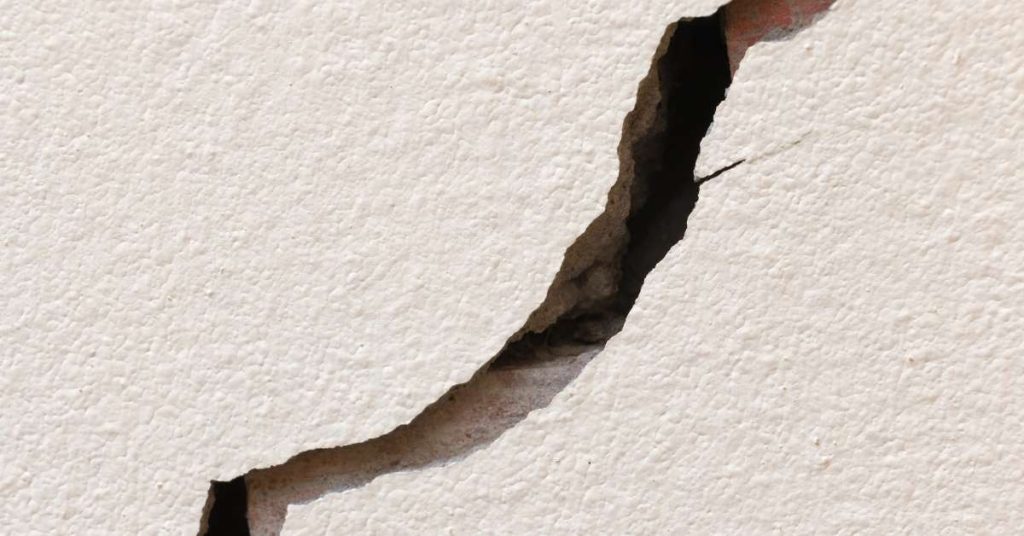
Closeup of deep irregular crack in textured stucco wall

Crack Repairs in Stucco Without Trapping Water: Drainage Plane Reality Check

Introduction Drainage planes are designed to move water out from behind stucco so you don’t trap it against the wall. When cracking repairs are done, you need to preserve that path for moisture to escape while sealing the crack. Check your current system and follow manufacturer guidance for any patch materials and installation steps. If

Crack Repairs in Stucco Without Trapping Water: Drainage Plane Reality Check Read More »

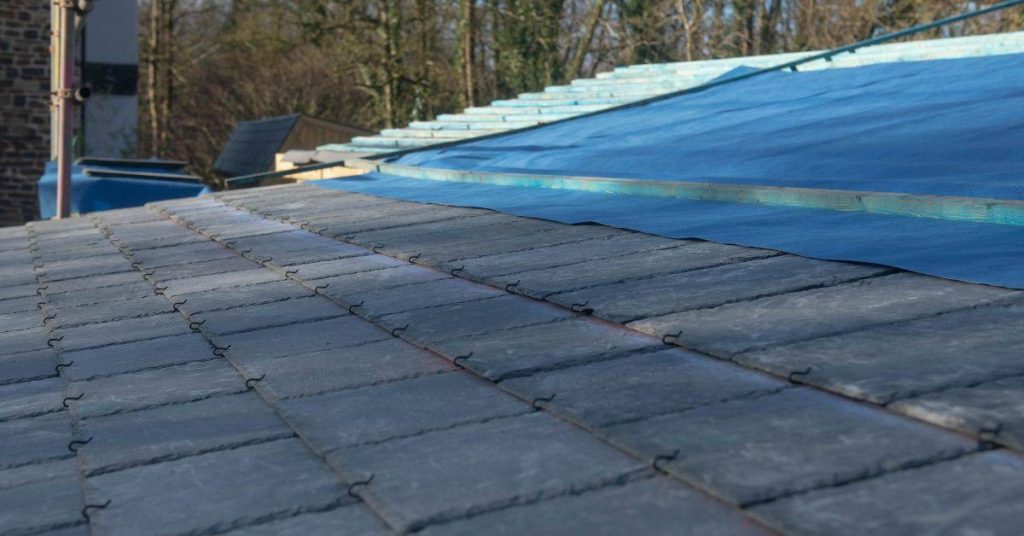
Slate roof tiles partially installed with underlayment visible

Stucco Meets Roof: Step Flashing, Sealant Placement, and Drainage Gaps

Introduction Step flashing, sealant placement, and drainage gaps are the practical techniques used at the stucco-roof intersection to prevent leaks. In plain talk, they’re the fail-safes you create where the wall meets the roof to keep water out. Follow local practice and the manufacturer instructions for flashing, sealant, and any required gaps, and check product

Stucco Meets Roof: Step Flashing, Sealant Placement, and Drainage Gaps Read More »

Person applying stucco texture to exterior foam wall

Stucco + Exterior Foam Additions: Transition Details That Keep Drainage Paths Open

Introduction This approach combines stucco with exterior foam to manage drainage and keep water from standing against the foundation. It adds an insulating layer outside the wall and creates a smooth receiver for the stucco finish. You’ll want to plan how drainage paths remain open while the layers are installed and sealed. For DIY work,

Stucco + Exterior Foam Additions: Transition Details That Keep Drainage Paths Open Read More »

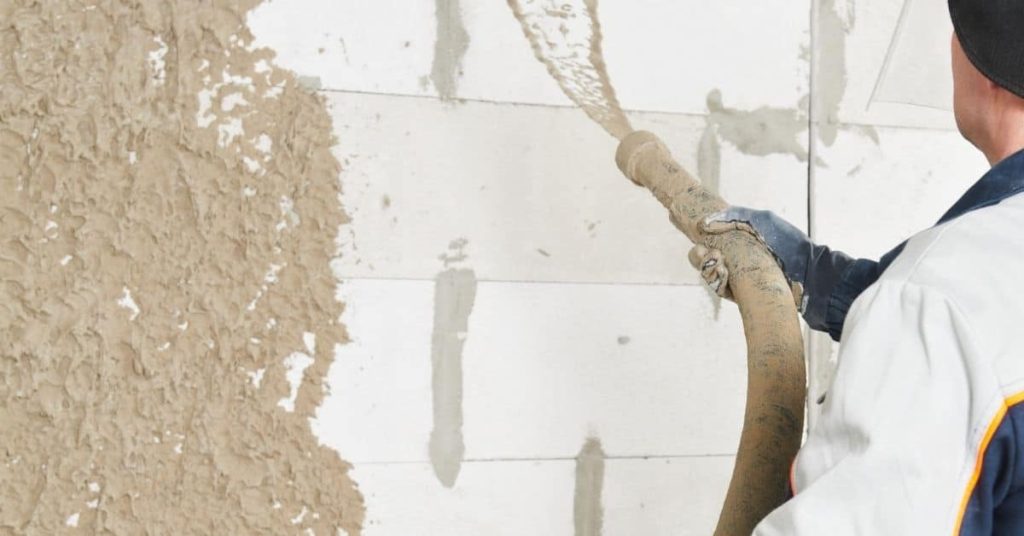
Worker spraying brown stucco on white wall

Adding Blocking Behind Stucco for Mounts: Finding Studs and Keeping Drainage Paths

Introduction Blocking behind stucco provides a solid mount point that the hardware can bite into. To find studs behind stucco, look for the interior framing and intended anchor points, and test suspected areas with a stud finder or by tapping and listening. Check manufacturer instructions and local rules for acceptable methods, and proceed only after

Adding Blocking Behind Stucco for Mounts: Finding Studs and Keeping Drainage Paths Read More »