Search Results for: drainage stucco

Textured blue stucco wall with recessed section

Retrofitting Drainage Behind Barrier Stucco: What’s Realistic and What’s Wishful Thinking

Introduction Retrofitting drainage behind barrier stucco means creating a practical path for moisture to escape from behind the stucco without compromising the wall. Start with a careful visual check of the barrier, flashing, and any visible weep gaps, then plan based on your wall type and conditions. Always verify with manufacturer instructions and local rules […]

Retrofitting Drainage Behind Barrier Stucco: What’s Realistic and What’s Wishful Thinking Read More »

Weathered pink stucco wall with discoloration and patches

Stucco at Deck Ledger Boards: Integrating Flashing, Tape Membranes, and Drainage Space

Introduction This article explains how to install stucco around a deck ledger by using flashing, tape membranes, and a drainage space. It covers practical, hands-on steps you can take to keep water out and prevent damage. It keeps the process straightforward and doable for a DIY project. Check manufacturer instructions and local codes for flashing

Stucco at Deck Ledger Boards: Integrating Flashing, Tape Membranes, and Drainage Space Read More »

Hand applying stucco with a trowel on wall surface

Stucco-to-Foundation Transitions: Sealing and drainage without trapping moisture

Introduction This topic is about preventing moisture from moving between stucco and the foundation by sealing and managing drainage. In practice, you aim to keep water from soaking into the joint while letting any seepage drain away. It’s a hands-on process that starts at the edge where stucco meets concrete and uses straightforward materials chosen

Stucco-to-Foundation Transitions: Sealing and drainage without trapping moisture Read More »

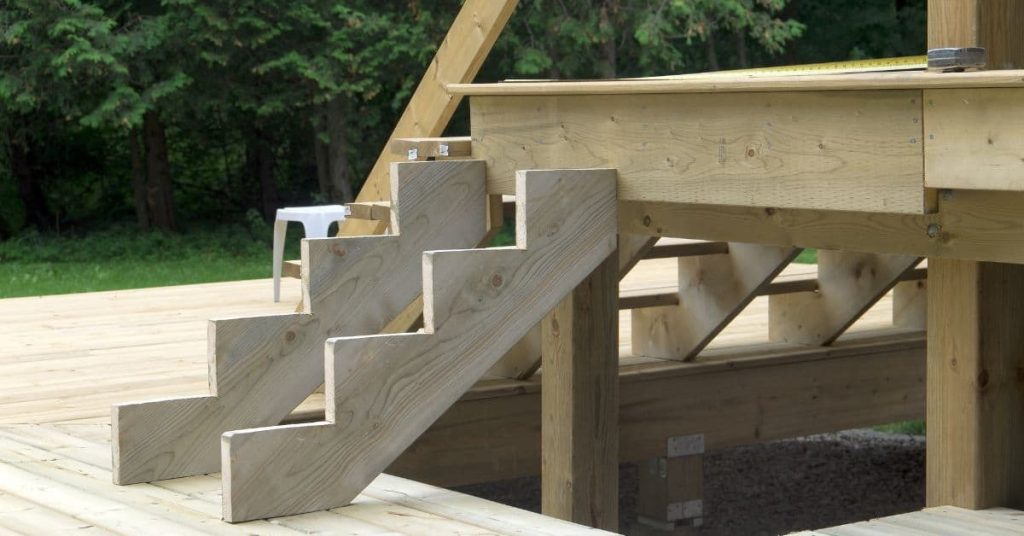
Wooden stair stringers attached to deck framing outdoors

Deck Ledger Through Stucco: Retrofit Flashing Strategy That Preserves Drainage

Introduction Deck ledger through stucco means installing the ledger board and flashing so water shed from the deck doesn’t get behind the stucco; it’s a retrofit move to tie the ledger into the house while preserving the wall’s drainage plane. This usually involves removing a section of stucco and lath to access the sheathing or

Deck Ledger Through Stucco: Retrofit Flashing Strategy That Preserves Drainage Read More »

Worker spraying stucco onto concrete block wall

Stucco Drainage Mats Explained: When a ‘Rainscreen’ Layer Helps and How to Detail It

Introduction A rainscreen behind stucco is a ventilated gap that lets water drain and dry. This article explains when adding that layer helps and how to detail it for DIY projects. Check your local rules and product instructions for any specific gaps and materials. Set up a continuous, vented cavity behind the stucco using a

Stucco Drainage Mats Explained: When a ‘Rainscreen’ Layer Helps and How to Detail It Read More »

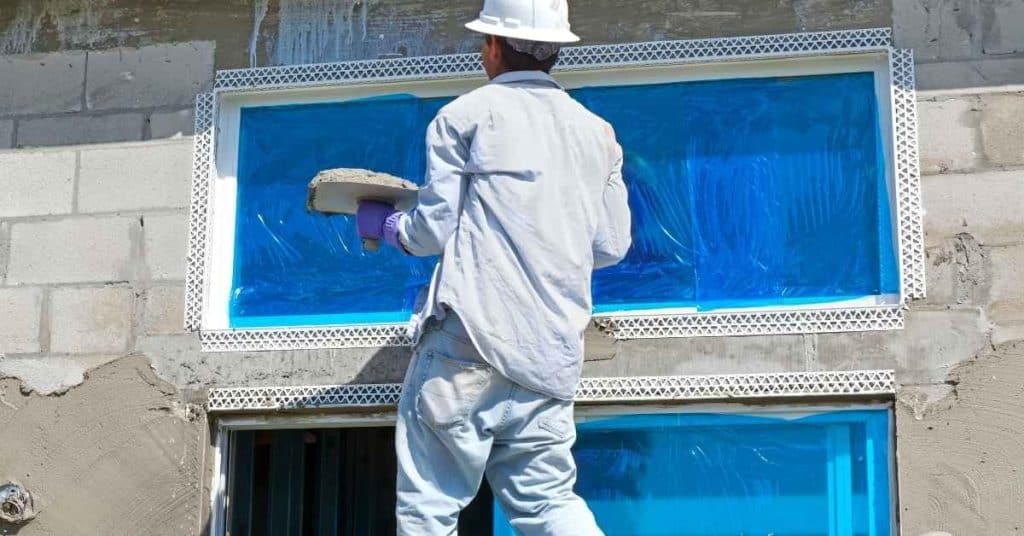
Worker applying stucco around window frames on building exterior

Caulking Stucco to Window Joints: Where to Seal and Where to Leave Drainage

Introduction Caulking stucco to window joints means sealing the gaps where the stucco meets the window frame to keep water out and air in check. It’s a hands-on job that protects the wall and helps prevent leaks. You’ll want to know where not to seal so drainage isn’t blocked and you don’t trap moisture. Start

Caulking Stucco to Window Joints: Where to Seal and Where to Leave Drainage Read More »

Close up of overlapping black flexible industrial vacuum hoses

Tool maintenance for winter on concrete and stucco jobsites: hoses, sprayers, and batteries that hate freezing

Introduction Winter tool maintenance for hoses on concrete jobsites means prepping and protecting hoses so they won’t crack or leak in freezing weather. Inspect hoses for wear, drain any residual water, and store them where they won’t freeze. Always check the manufacturer guidance on storage and use. Winter care for sprayers on stucco jobsites involves

Tool maintenance for winter on concrete and stucco jobsites: hoses, sprayers, and batteries that hate freezing Read More »

Worker wearing yellow helmet drilling into wall with power drill

Adding drainage to an existing block retaining wall: surface fixes vs partial rebuilds

Introduction Adding drainage to an existing block retaining wall involves improving water handling to prevent pressure buildup behind the wall. It covers surface fixes and partial rebuild options for managing run-off and seepage. This guide stays practical and aims to help you assess signs of drainage problems and choose safe approaches. You’ll start by identifying

Adding drainage to an existing block retaining wall: surface fixes vs partial rebuilds Read More »