
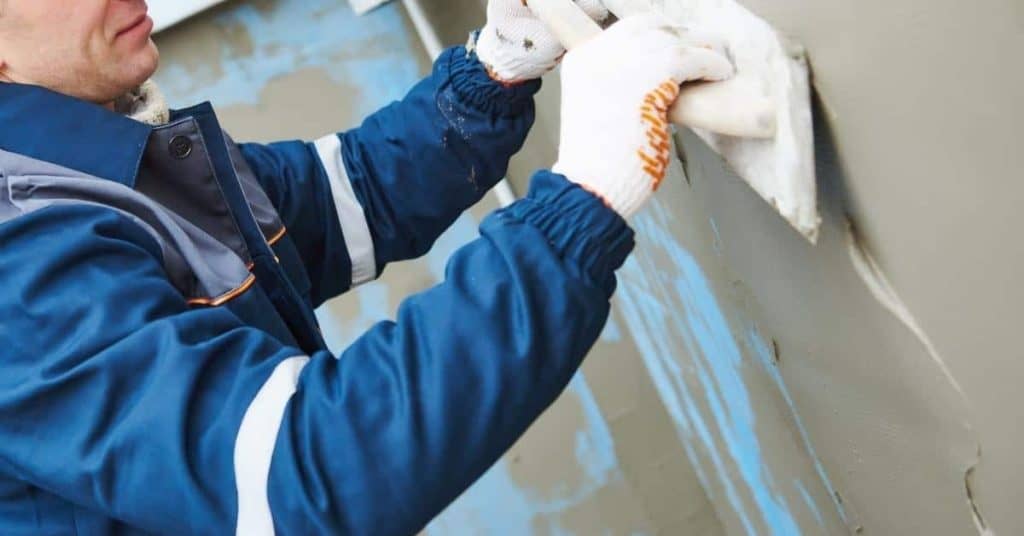
Introduction
A drainage plane helps keep water away from the stucco by directing it outward rather than behind the wall. This article walks through fixing cracks without blocking that flow. Keep in mind that your goal is to let water run down and out, not seal it in.
Start by inspecting the drainage layer and any existing weather barrier for gaps or damage. Clean the crack, dry it, and use a flexible patch or compatible repair method that won’t trap moisture behind the surface. Always check product labels, manufacturer instructions, and local rules for acceptable materials and methods.
Key takeaways
- Always verify drainage plane continuity before patching, to avoid hidden water traps.
- Wear eye protection and gloves during inspections and repairs for safety.
- Diagnose cracks for moisture entry with visible moisture or staining patterns.
- Choose crack repairs that maintain drainage, not seal against concealed leaks.
- Avoid caulk-only fixes over stucco; use compatible lath, mesh, and patch.
- Test repaired areas with cautious rain or spray simulation before enclosing and finishing.
Table of Contents
- Introduction
- Key takeaways
- Why the Drainage Plane Matters in Stucco Repairs
- Diagnosing Whether Cracks Are Letting Water in
- Common Causes of Stucco Cracking That Affect Drainage
- Risks of Common DIY Repairs That Trap Water
- Step-by-Step Repair Workflow That Preserves Drainage
- Materials, Compatibility and Specs Explained
- Visual Checkpoints and Tests After Repair
- When to Call a Pro, Permits, Insurance and Warranty Implications
- Conclusion
- FAQ
Why the Drainage Plane Matters in Stucco Repairs
The drainage plane sits behind the stucco and acts as a barrier between the wall assembly and the exterior finish. It helps shed water and provides a path for any infiltration to escape. Preserving its function is essential to stop hidden moisture from accumulating and causing rot over time.
When you work near the WRB, follow the manufacturer instructions and local rules for installation and repair. Check labels or data sheets for required clearances and materials compatibility before making changes. If in doubt, verify with the product spec or a building code reference to ensure the system remains continuous.
How a Stucco Assembly is Supposed to Shed Water
The purpose of a stucco wall assembly is to protect the building from water intrusion while allowing any incidental moisture to escape. This is achieved through several key components:
Weep screeds at the bottom of the wall allow water to drain out. They’re small, slotted pieces of metal or plastic that sit just above the foundation, creating a gap for water to exit.
Gaps are also left between the stucco and windows, doors, and other openings. These expansion joints prevent cracking due to movement and allow any trapped moisture to escape.
Additionally, an air gap is maintained behind the stucco, thanks to furring strips or other spacers. This allows water vapor to move freely and exit through weep screeds and expansion joints.
What Happens When the Drainage Plane is Compromised
When the drainage plane in a stucco wall assembly is compromised, water that should have drained away becomes trapped. This can happen due to several reasons:
Blocked weep screeds or clogged expansion joints prevent water from escaping, leading to moisture buildup behind the stucco.
Bridging of the water-resistive barrier (WRB) occurs when something – like a nail or screw – punctures it. This allows water to bypass the WRB and get trapped in the wall cavity, leading to mold growth and potential structural damage.
Damaged flashing at windows, doors, or other openings can also cause water to leak behind the stucco, resulting in substrate deterioration. Over time, this can lead to serious issues like rot and structural compromise.
Diagnosing Whether Cracks Are Letting Water in
Begin with a visual inspection for crack size, shape, and position relative to windows and joints. Look for signs of staining, efflorescence, or softening near the crack base. Trace the crack to see if it follows a sealant line or runs through the stucco and backing material.
Next, perform a moisture check by probing around the crack with your hand or a moisture meter if you have one. Consider a simple water test by lightly spraying the area and watching for any dampness or staining beyond the surface. Confirm findings by cross-checking with manufacturer guidance or local codes on moisture intrusion assessment.
Visual mapping and crack characterization
Start by grabbing a notebook and a measuring tape. You’re going to create a visual map of the cracks.
For each crack, note down its width and length. A hairline crack is less than 1/8 inch wide, while anything wider needs immediate attention.
Observe the pattern – are they horizontal, vertical, or diagonal? This can hint at the cause. Also, mark their proximity to flashings, windows, and transitions. These areas are common trouble spots.
Using moisture meters, probes, and borescopes
Now it’s time to check for moisture behind the stucco. You’ll need a moisture meter or a simple probe with an ohmmeter.
First, dry the surface around the crack with a towel. Then, press your tool firmly against the wall. If you get a high reading (above 15% for meters, low resistance for probes), there’s likely moisture behind the stucco.
For deeper checks, use a borescope. Drill a small hole, insert the scope, and look for signs of water or dampness. Remember to seal the hole afterwards.
Interior clues and secondary signs
Moisture can cause problems inside your home too. Keep an eye out for these symptoms:
1. Stains on ceilings, walls, or floors. These could be from water seeping through cracks.
2. Peeling paint or wallpaper. This often happens when moisture is present.
3. A musty smell. This indicates mold growth, which loves damp environments.
Exterior signs include:
– Efflorescence: a white, powdery substance on the stucco. It’s a sign of water moving through the wall.
– Rust on metal flashings or trim. This shows that water is getting where it shouldn’t be.
Common Causes of Stucco Cracking That Affect Drainage
Cracks often start from movement in the structure, such as settlement or frame shrinkage. Details around openings and corners also create stress points that open cracks. Material incompatibility between stucco, reinforcement, and WRB can worsen movement and cracking over time.
Installation errors like improper mesh embedding, insufficient control joints, or poor flashing detail can compromise drainage. These issues can create bridging or gaps that misdirect water away from the drainage plane. Always check that the system components are compatible and installed per instructions.
Structural and Thermal Movement
Stucco cracks often start due to the house moving. This can happen because of settlement, framing shifting, or temperature changes.
Settlement is when your foundation sinks a bit over time. This can cause stress on the walls, leading to cracks.
Framing movement happens when wood expands and contracts with humidity changes. This can push against the stucco, causing it to crack.
Thermal cycles are when temperatures rise and fall. Stucco expands and contracts with these temperature changes, which can also cause cracks.
Faulty Detailing at Penetrations and Transitions
Cracks often form where stucco meets other materials like windows, roofs, or walls. These are called penetrations and transitions.
If these areas aren’t flashed properly, water can get behind the stucco and cause leaks. This bypasses the drainage plane, leading to moisture problems.
Windows are a common trouble spot. If they’re not flashed correctly, water can get in at the seams between the window and the wall.
Rooflines and through-wall connections can also be problematic if they’re not detailed properly. Water can get behind the stucco here too, causing leaks and drainage failures.
Risks of Common DIY Repairs That Trap Water
Many quick fixes seal or bridge cracks without addressing drainage behind the wall. These methods can create a hidden moisture trap and encourage rot and mold growth. A cosmetic fill may look tidy but does not restore proper water shedding at the substrate.
Be careful with products that claim to be universal patches or self-adhesive membranes. If the drainage plane is bridged or sealed, water can’t drain properly. When in doubt, review the product label and manufacturer recommendations for limitations.
Surface-only patching without addressing the WRB
The biggest mistake DIYers make is filling cracks at the finish layer and calling it a day. Here’s why that’s a problem:
Hiding water entry. Filling surface cracks with stucco or caulk might look good, but it doesn’t stop water from getting in. It just hides the fact that your wall is still leaking.
Accelerating decay. Water trapped behind the finish layer can’t escape. This leads to moisture buildup, which promotes mold growth and rots the substrate over time.
Always address the drainage plane when fixing stucco cracks. That’s where the real waterproofing happens.
Using non-breathable coatings, tapes, or excessive sealant
Another common DIY error is using non-breathable materials to seal cracks. Here’s why that’s a bad idea:
Trapping moisture. Non-breathable materials don’t allow water vapor to escape. This traps moisture in the wall, leading to all sorts of problems.
Preventing drying. Stucco needs to breathe to dry out properly. Non-breathable coatings can prevent this from happening, keeping your walls wet and susceptible to damage.
Instead of using non-breathable materials, opt for breathable alternatives that allow water vapor to escape while still keeping liquid water out.
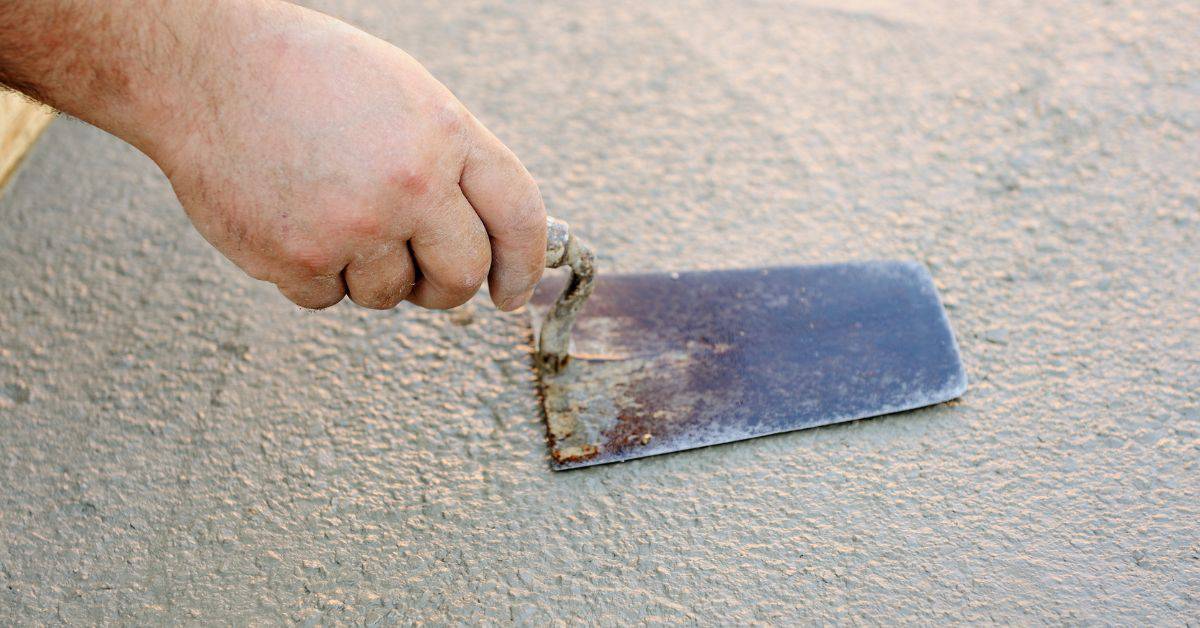
Step-by-Step Repair Workflow That Preserves Drainage
Start with a thorough assessment of the crack location, movement, and surrounding details. Document the current condition and plan the repair sequence. Prioritize preserving or restoring the drainage plane continuity before any visible patching.
Then prepare the substrate, address any movement with appropriate control joints, and install compatible materials in the correct order. Finish with a compatible topcoat that won’t seal the assembly prematurely. Always verify the sequence against the manufacturer instructions or local guidelines.
Step-by-Step Repair Process
This sequence guides you through a practical repair workflow that preserves drainage, from preparation to final checks.
- Preparation and safety: Clear the area, wear PPE, and cover nearby surfaces. Ensure ladders are secure.
- Exposure: Carefully remove damaged stucco using a chisel or oscillating tool. Keep it dry if wet.
- Main work: Inspect and repair substrate, WRB/flashing (next steps), then reinstall proper gaps.
- Stucco application: Apply new stucco layers, following manufacturer’s instructions for mixing and application.
- Final checks: Inspect your work, ensure drainage is restored, and clean up the area.
Tools, safety, and materials checklist before starting
Use this checklist before you begin to ensure a safe and successful repair.
- PPE: Gloves, goggles, dust mask, hard hat (if needed).
- Tools: Trowel, chisel, oscillating tool, utility knife, tape measure, level.
- Materials: Stucco mix, WRB material, flashing, screws/nails, sealant.
- Safety: Ladder, secure footing, clear work area.
- Permits: Check local requirements for repairs.
- Compatibility: Ensure new materials match existing ones in composition and performance.
Quick rule: Always prioritize safety first; check tools, PPE, and work area before starting.
Open the crack/detail, inspect and document the WRB and substrate
Safely expose the assembly to inspect the WRB and substrate. Document findings for accurate repair planning.
Carefully: Remove damaged stucco using a chisel or oscillating tool. Keep it dry if wet.
Inspect the exposed WRB/flashing for tears, gaps, or missing pieces. Note any substrate damage like rot or cracks.
Document findings with photos and notes. This helps plan repairs accurately and ensures you have a record of the original condition.
Repairing the substrate, WRB/flashing, and reinstalling proper gaps
Replace or patch the WRB/flashings, re-establish drainage gaps/weep paths, then reapply stucco layers.
Substrate: Repair any rotten or damaged substrate using appropriate materials. Ensure it’s structurally sound before proceeding.
WRB/Flashing: Replace or patch the WRB and flashing as needed. Use compatible materials that match existing ones in performance.
Reinstall proper drainage gaps/weep paths to ensure water can escape. This is crucial for preventing future moisture issues.
Materials, Compatibility and Specs Explained
Clarify which stucco mixes, reinforcement fabrics, sealants, and WRB/flashing components are appropriate for your system. Check that all parts are compatible with each other and with your climate and substrate. The compatibility discussion should reference product datasheets or installation guides.
Before purchasing or mixing materials, verify the labels and instructions for substrate prep, cure times, and curing conditions. If you’re unsure, consult the manufacturer or a knowledgeable supplier to confirm suitability. Avoid mixing brands without confirmed compatibility.
Stucco Base Coats, Reinforcement, and Finish Choices
Alright, listen up. We’ve got two main systems here: cementitious and acrylic. Both can give you a solid finish, but they work different.
Cementitious is your traditional mix. It’s strong, but it can crack if not done right. That’s where reinforcement comes in. You want to place those fibers or mesh evenly throughout the base coat, not just on top or bottom.
Acrylic is more flexible. It stretches with your house, so it’s less likely to crack. But it needs a good base too. Check that first coat for proper compaction and curing. Reinforcement goes in the same way as cementitious.
Now, finishes. You’ve got smooth, textured, and colored. Smooth is easy to clean but shows imperfections. Textured hides a lot, but can be harder to maintain. Colored’s just what it sounds like. Check with your local building codes before you decide.
Backer rod, sealants, and breathable finishes
When it comes to sealing your stucco joints, you’ve got a few things to consider. First off, never skimp on backer rod. It’s the foam stuff that goes into the joint before you apply sealant. It fills the gap and gives your sealant something to stick to.
Now, about those sealants. You want one that’s 100% silicone or polyurethane, nothing else. Silicone’s easy to apply and cleans up with water. Polyurethane’s tougher but needs a solvent for cleanup. Both are breathable, which means they let moisture escape – crucial in our line of work.
Here’s what you don’t want: acrylic latex sealants. They’re cheap, sure, but they trap moisture and can cause all sorts of problems down the road. Plus, they don’t hold up to weather as well as silicone or polyurethane.
Lastly, remember that breathable finishes are your friend. They let moisture escape just like backer rod and sealant do. Check your paint’s label – it should say something about being ‘vapor permeable’. If it doesn’t, keep looking.
Flashing and WRB Product Considerations and Standards to Verify
Before you start, check your manufacturer instructions. Flashing and weather-resistive barrier (WRB) products need to play nice with your stucco system.
Flashing: It’s your first line of defense against water intrusion. Make sure it’s compatible with your stucco finish. Check if it can handle the movement of your walls and if it’s rated for your climate. Don’t skimp on quality here, cheap flashing is a recipe for disaster.
WRB: This keeps water out but lets moisture escape. Ensure it’s breathable and compatible with your stucco base coats. Check local codes to see if you need a specific type or if it needs to meet certain standards like ASTM E1677.
Visual Checkpoints and Tests After Repair
Perform a quick water shed check by applying a light spray to the repaired area and watching the surface for drips or pooling. Observe the area after several hours of drying conditions to look for new damp spots. Take note of any staining that appears near joints or around openings.
Then inspect the drainage plane continuity and flashing details to ensure they remain visible and functional. Repeat a shorter moisture check after a few days of dry weather to confirm the assembly is drying as intended. If any concerns arise, revisit the repair steps with the applicable instructions or codes.
Moisture testing and infrared checks
After your repair, use this checklist to re-check moisture readings and confirm drying trends.
- Re-measure initial moisture: Use a moisture meter at the repaired area. It should read < 15% MC.
- Infrared scan (IR): IR camera shows heat loss, helping spot trapped water. Cold spots indicate issues.
- Probe test: Use a moisture probe to confirm no hidden moisture behind the stucco.
- Check backer rod: Ensure it’s not holding water. It should feel dry and firm.
- Sealant integrity: Inspect sealants around windows, doors, and other openings for gaps or cracks.
- Flashing check: Make sure flashings are intact and directing water outwards.
- Wall-to-wall joints: Ensure they’re properly filled and sealed to prevent water intrusion.
- Drainage plane inspection: Check that the WRB is undamaged and draining correctly.
Quick rule: Regular checks ensure your repair isn’t trapping water, keeping your wall dry and healthy.
Water test and visual monitoring schedule
After repairs, follow this schedule for safe, controlled water tests and reinspections.
- Day 1: Initial check: Inspect the repair visually. Ensure no immediate issues.
- Week 1: Light mist test: Spray a fine mist over the repaired area. Watch for water beads or runs indicating trapped moisture.
- Week 2: Heavy rain test: If possible, expose the repair to heavy rainfall. Check for leaks afterwards.
- Month 1: Re-inspection: Check for any signs of water intrusion, mold, or mildew.
- Month 3: Moisture test: Use a moisture meter to ensure the wall is drying properly (MC < 15%).
- Year 1: Final inspection: Perform a thorough visual and moisture check. Touch up if necessary.
- Every year thereafter: Conduct annual reinspections to catch any issues early.
Quick rule: Regular monitoring helps catch potential problems before they become major repairs.
When to Call a Pro, Permits, Insurance and Warranty Implications
Red flags include signs of structural movement, extensive moisture intrusion, or suspected rot behind the stucco. If the repair requires major removal or changes to the WRB or flashing, a professional is likely needed. Start by checking local permit requirements and whether a licensed contractor is advisable for your project.
Review warranty coverage tied to your home and the repair materials. Insurance considerations may apply if there was weather damage or hidden moisture. When in doubt, contact a qualified contractor to assess the scope and discuss permits and warranty implications with the insurer or homeowner association as required.
Signs you need a contractor or structural engineer
If you’re seeing widespread cracks, it’s time to take a closer look. Here are some red flags that tell you it’s not just a simple DIY job:
Delamination, where the stucco is peeling off in large sheets, could indicate a serious problem with the substrate.
If you notice rot or framing damage, it’s time to call in a pro. Repeated failures in the same area also warrant professional attention.
Interior structural movement, like sloping floors or cracked walls, is a sign of a bigger issue that needs a structural engineer’s expertise.
Permits, building code, warranty and insurance notes
Before you start any repairs, check with your local authorities. Repairs over a certain value may require permits:
Building codes vary by location. Your local building department can tell you what’s required.
Repairs might affect product warranties. Check with the manufacturer before proceeding.
If water damage is involved, it could be an insurance claim. Contact your insurance provider first to understand their process and requirements.
Conclusion
Keep the drainage plane intact and your safety in front of every repair. When done right, you prevent water damage, keep a clean look, and save yourself costly fixes later.
First, verify the drainage plane is still doing its job, inspect cracks for signs of active water intrusion, and run small, controlled tests in a hidden or low-risk area before expanding work. Then follow the workflow you already outlined: prep and seal properly, use compatible materials, test birds-eye and visual checkpoints after each step, and recheck drainage paths before finishing.
Avoid common missteps that trap water: don’t skip surface prep, don’t mix incompatible products, and don’t over seal or under vent the system. Always wear eye protection and gloves, work in daylight or good lighting, and test surfaces with a simple moisture check before and after repairs. If you’re unsure about the plane, the crack’s depth, or the overall moisture profile, pause and evaluate safety and access to pro help.
Call in a pro when structural movement is evident, when permits or insurance considerations come into play, or when multiple areas show chronic backing water despite careful DIY steps. Stay steady, document what you do, and aim for a repair that breathes with the wall and lasts. You’ve got this—move forward with clarity, and protect the structure you’re rebuilding.
FAQ
Can I fix cracks without compromising the drainage plane?
Yes, but you must keep the drain path clear. Use patch methods that don’t seal over the entire wall and avoid thick, solid patches that block weep or vent paths. Check manufacturer guidance for compatible sealants or patch materials.
What should I look for before choosing a patch material?
Look for compatibility with your stucco finish and backing. Read labels for adhesion, flex, and weather resistance. If in doubt, confirm with the product instructions or the manufacturer before applying.
How do I avoid trapping water in the wall after repairs?
Keep the texture and slope consistent so water can drain away. Don’t create a flat patch that holds moisture. Test with a quick water run-off check and follow any drainage recommendations from the product you use.
When is it better to call a pro?
If cracks are wide, running, or you suspect hidden water damage, stop and get a professional assessment. They can verify drainage paths, diagnose hidden leaks, and ensure repairs won’t trap moisture. Always check your local rules and warranty requirements before proceeding.