Search Results for: contractor cement

Drywall panels with taped and mudded joints in unfinished room

Drywall Butt Joint ‘Humps’: Prevention With Back-Blocking and Repair Options

Introduction A drywall butt joint hump is an uneven bump along a seam where two panels meet. It happens when compaction or framing flex creates a little bulge that catches the eye. This article covers how back-blocking and simple repair steps can keep seams flat. Back-blocking involves inserting solid material behind the joint to help […]

Drywall Butt Joint ‘Humps’: Prevention With Back-Blocking and Repair Options Read More »

Close-up of blue fiberglass mesh rolls

Paperless Drywall (Fiberglass-Faced): Where It Helps, How to Finish It, and Common Pitfalls

Introduction Paperless drywall with fiberglass facing is a gypsum board that uses a fiberglass mat instead of paper on the surface. It’s designed to resist moisture and mold better in damp spaces, though it still needs proper installation and sealing. This article covers where it helps, how to finish it, and common pitfalls. When finishing,

Paperless Drywall (Fiberglass-Faced): Where It Helps, How to Finish It, and Common Pitfalls Read More »

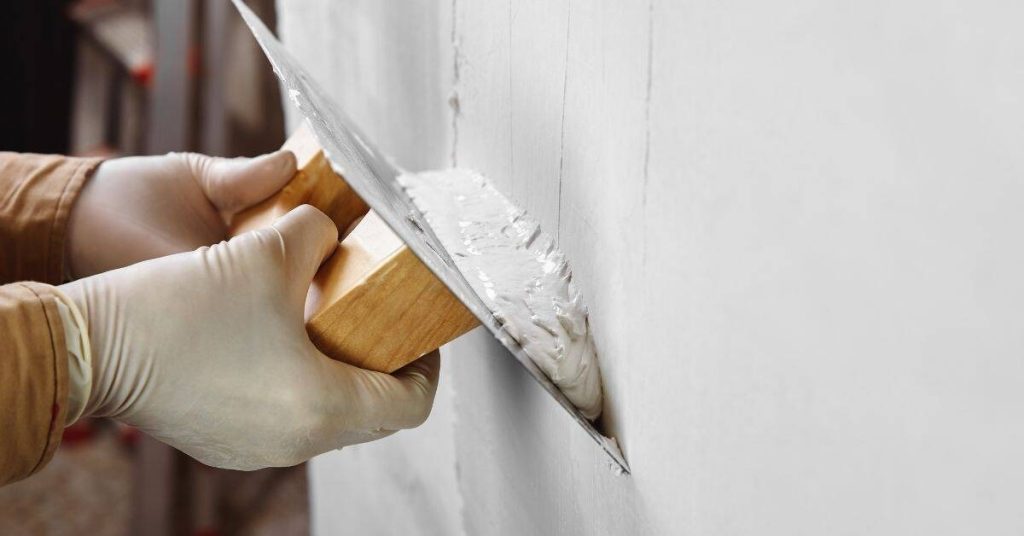
Hands applying plaster smoothly on interior wall

Plaster Soundproofing Add-Ons: When an Extra Coat Helps and When It’s Wishful Thinking

Introduction Extra plaster coats provide additional mass and seal to help reduce sound transmission when the first layer isn’t enough. A second coat can improve sound dampening by filling gaps and smoothing the surface. But it’s not a magic fix for loud environments or structural issues. Whether to add another coat depends on the room,

Plaster Soundproofing Add-Ons: When an Extra Coat Helps and When It’s Wishful Thinking Read More »

Person applying plaster to brick oven dome with trowel

Plaster Repairs Over Masonry Fireplaces: Managing Heat Cycles and Soot Staining

Introduction Plaster repairs over masonry fireplaces are patches of plaster applied to brick or stone around the firebox to restore a smooth, protected surface. Heat cycles and soot staining can crack and discolor the area, so you approach it in layers and blend with the surrounding texture. Keep an eye on existing cracks and smoke

Plaster Repairs Over Masonry Fireplaces: Managing Heat Cycles and Soot Staining Read More »

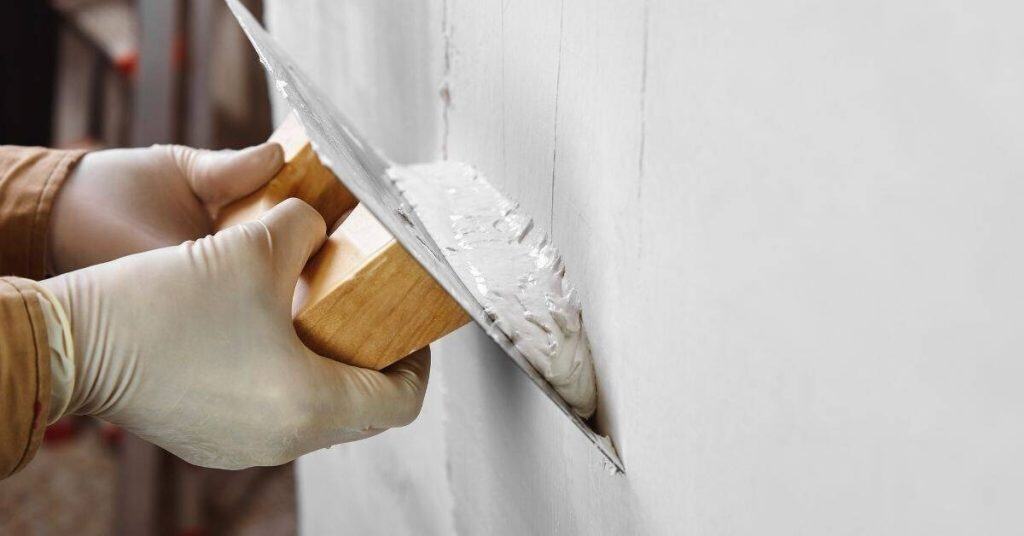
Hands applying plaster with a trowel on wall

Clay Plaster Basics for Homeowners: Mixing, Application, and Crack Control

Introduction Clay plaster is a traditional, breathable finish made from clay and water that you apply to walls. It’s forgiving and doable for DIY projects when you work in small, manageable steps. Check the bag or supplier instructions for how to blend, the right water amount, and any additives. Apply in thin coats, letting each

Clay Plaster Basics for Homeowners: Mixing, Application, and Crack Control Read More »

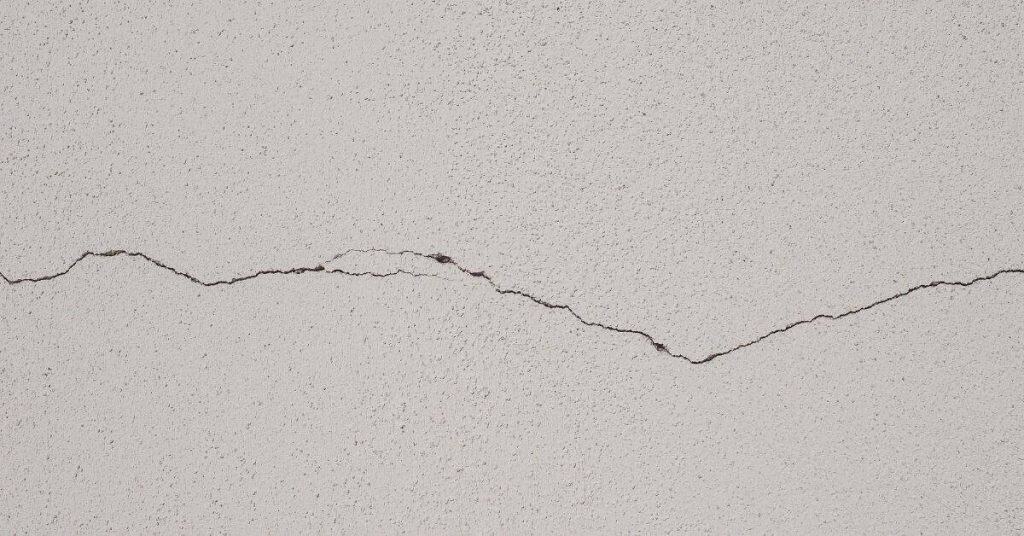
horizontal crack in white stucco wall surface

DIY Stucco Weep Path Maintenance: Keeping Bottom Terminations From Clogging With Dirt

Introduction Weep paths are channels at the bottom of stucco details that drain moisture away. Keeping them clear helps prevent water from backing up into the wall. This article shows a plain‑language, DIY approach to inspecting and cleaning them without tearing the finish. Start by locating the bottom terminations and looking for dirt, debris, or

DIY Stucco Weep Path Maintenance: Keeping Bottom Terminations From Clogging With Dirt Read More »

Worker spraying stucco onto a brick wall

Stucco Screed Beads and Termination Beads: Which Profile Goes Where (and Why It Matters)

Introduction Screed beads and termination beads are edge profiles used to shape and finish stucco at joints and edges. They help keep the finish straight and seal transitions where the stucco meets other surfaces. Check the product label and manufacturer guidance to ensure you’re matching the profile to your job and local rules. Plan where

Stucco Screed Beads and Termination Beads: Which Profile Goes Where (and Why It Matters) Read More »

closeup of red brick wall with mortar joints

Installing Expansion Joints in New Stucco: Simple Layout Rules for DIY Projects

Introduction Expansion joints are gaps that let stucco expand and contract without cracking. In new stucco, plan these joints where movement or stress is likely and at regular intervals. Keep joints clean and avoid sealing them with rigid materials. Where to place joints depends on wall size, substrate, and climate. Check manufacturer guidance and local

Installing Expansion Joints in New Stucco: Simple Layout Rules for DIY Projects Read More »

Hand wearing glove installing fastener into foam board insulation

Stucco Over Foam Board: Choosing Mesh Weights and Avoiding ‘Wavy Wall’ Syndrome

Introduction This article explains how to apply stucco over foam board and why mesh weight matters. You’ll learn about choosing the right mesh and what to watch for to keep the wall flat. We’ll keep it practical and hands-on, with steps you can check on the job site. Start by confirming your foam board and

Stucco Over Foam Board: Choosing Mesh Weights and Avoiding ‘Wavy Wall’ Syndrome Read More »