
Introduction
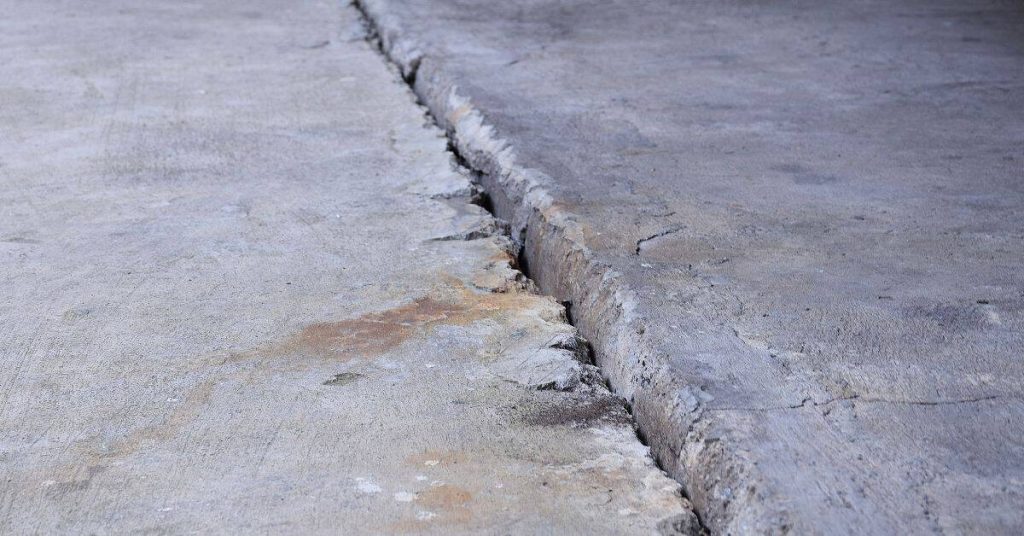
A crack that leaks only during heavy rain is a rainwater ingress issue that you can patch and seal to stop the drip. The goal is to stop the water at the surface and slow or prevent seepage behind the crack. Work methodically, starting from dry weather when possible.
Start by cleaning the crack and removing loose material. Choose a sealant or patch material suitable for exterior concrete and follow the label for cure time and weather requirements. If heavy rain is forecast soon, wait for a dry spell and follow safe application guidelines, and check local rules or manufacturer instructions for any temperature or moisture constraints.
Key takeaways
- Inspect cracks in dry weather to differentiate moisture from active water ingress.
- Use flashlight and mirror to trace water paths before sealing patches.
- Clean and dry the area thoroughly to improve patch adhesion and cure.
- Choose patch material compatible with concrete, during rainy conditions and long-term exposure.
- Wear PPE, eye protection, and dust mask when cutting or grinding substrate.
- Schedule repairs in dry forecast and test for leaks after rainfall ends.
Table of Contents
- Introduction
- Key takeaways
- Assessing the Leak and Diagnosing the Root Cause
- Tools and Materials Checklist
- Material Specs and Choosing the Right Product
- Preparing the Crack and Surrounding Concrete
- Step-by-Step Patch-and-Seal Methods for Rain-Only Leaks
- Curing, Weather Timing, and Testing the Repair
- Long-Term Waterproofing and Drainage Improvements
- Troubleshooting, Signs of Failure, and When to Call a Professional
- Conclusion
- FAQ
Assessing the Leak and Diagnosing the Root Cause
Start by observing the pattern of wetting during a rain event. Look for where the moisture appears on the surface and how it progresses. Collect clues about whether the leak is cosmetic, through-wall, or potentially structural based on timing and location.
As you observe, note if the water runs along joints, seeps through cracks, or emerges from a specific wall area. Use this information to form a repair priority and decide if you are dealing with a temporary fix or a more involved solution. Always cross-check your observations with product labels or manufacturer instructions before choosing materials.
Documenting when and where it leaks
First, observe the leak during heavy rain. Make notes on exactly when it starts leaking and stops.
Take photos or videos of the active seepage. This will help you pinpoint the exact location(s) of the leak. Use a flashlight to illuminate the area if needed.
Mark the leak locations with chalk or tape for future reference. This will save you time when it comes to repairing the crack.
Classifying the crack type and activity
Inspect the crack visually. Is it a hairline crack, or is it wider? Is it straight or jagged?
Check for signs of movement. Try to feel if the crack moves when you push on either side. This could indicate an active structural issue.
Look for other cracks nearby. If they’re aligned, it might suggest settlement or structural movement.
Checking external factors (drainage, slope, gutters)
Check the grading around your home. Water should flow away from the foundation. If it’s flowing towards the crack, you might need to regrade.
Inspect your gutters and downspouts. Are they clogged or damaged? This could cause water to pool near the crack.
Look at where your downspouts discharge water. Is it too close to the crack, causing excess water to seep in?
Tools and Materials Checklist
Gather common hand tools, a putty knife, and a stiff brush for cleaning. Have a moisture meter or simple test kit if you want to confirm damp conditions before application. Include PPE such as gloves and eye protection for safety during work.
Include a few practical options for renters or one-off fixes, like patch materials that can be applied in a single step or sealants that don’t require mixing. If you’re unsure, verify compatibility with the concrete and read the product label or data sheet to confirm suitability for exterior use and rain exposure.
Essential tools
Before you start, make sure you have these tools on hand. They’ll help you prep the crack and apply the sealant.
- Stiff-bristle brush: To clean out debris from the crack.
- Grinder or chisel: For widening or deepening the crack, if needed.
- Caulking gun or injection kit: To apply sealant. Choose based on your crack’s size and shape.
- Tape measure: To accurately measure the length of the crack.
- Pencil: For marking where to apply sealant.
- Putty knife or trowel: For applying patching mortar, if necessary.
- Hammer and chisel (optional): For removing loose concrete from the crack.
- Level (optional): To ensure your repair is even and won’t collect water.
Quick rule: Don’t skip measuring. It ensures you have enough sealant for the job.
Recommended materials and backups
Here’s what you’ll need to fill, seal, and protect your crack. Having a backup can save your repair if the first option fails.
- Concrete cleaner: To remove dirt, grease, and old sealant from the crack surface.
- Primer (e.g., acrylic or epoxy): To improve sealant adhesion. Choose based on your sealant type.
- Backer rod: For wide cracks, this foam strip helps support the sealant and prevents overfilling.
- Flexible sealant (e.g., silicone, polyurethane, or epoxy): To fill and seal the crack. Choose based on your crack’s size, shape, and expected movement.
- Patching mortar: If your crack is wide, you might need to fill it with mortar before applying sealant.
- Injection resin (optional): For deep cracks, this can be injected to fill from the inside out.
- Surface membrane (e.g., acrylic or polyurethane paint): To protect the repaired area and help prevent future cracking.
- Backup sealant: If your first choice doesn’t adhere well, have a backup ready. Different sealants have different adhesion properties.
Quick rule: Always test your chosen materials on a small, hidden area first to ensure they work together and with your concrete type.
Safety and site-prep supplies
Protect yourself and keep your workspace clean and dry for a successful repair.
- Gloves: To protect your hands from chemicals, debris, and sharp edges.
- Eye protection (safety glasses or goggles): To shield your eyes from dust, debris, and splashes.
- Dust mask: To protect your lungs from concrete dust during prep work.
- Drop cloths: To keep the repair area clean and prevent sealant from sticking to unwanted surfaces.
- Temporary tarps: To cover the repair area if it rains, keeping your patch dry until it’s fully cured.
- Plastic sheeting (optional): For larger repairs, this can help contain dust and debris during prep work.
- Ladder (if needed): To safely access high cracks or sloped surfaces.
Quick rule: Always wear appropriate PPE. It’s your first line of defense against job site hazards.
Material Specs and Choosing the Right Product
Explain how crack width, movement, and exposure guide material choice, including patch compounds and sealants. Consider whether the crack is indoors or outdoors and how much movement is expected over time. Emphasize the importance of compatibility with concrete substrates.
Encourage readers to read manufacturer data sheets and labels for performance notes, cure guidance, and environmental conditions. If in doubt, compare options and opt for products that specify adhesion to concrete and suitability for rain-prone applications.
Flexible sealants vs rigid fillers
When choosing between flexible and rigid materials, consider the crack’s movement. Flexible options like polyurethane or silicone sealants are best for active cracks that move slightly due to temperature changes or minor settling.
Why choose flexible? They can stretch and compress without breaking, preventing re-cracking. However, they’re not suitable for wide cracks (over 1/4 inch) as they lack structural strength.
Rigid options, like epoxy or hydraulic cement, are better for wider cracks or when you need to restore some structural integrity. But they can’t handle much movement without cracking again.
Injection resins and structural fixes
For larger cracks (over 1/8 inch) or when you need to stop water intrusion in a structurally significant area, consider injection systems. These use low-viscosity epoxy or polyurethane resins.
Structural repairs: For wider cracks where the concrete’s integrity is compromised, use high-strength, two-part epoxy injections. They can restore structural strength and prevent further damage.
Water-stopping: For narrower cracks (1/8 to 1/4 inch) that leak during heavy rain, use low-viscosity polyurethane injections. They’re designed to seal against water intrusion but don’t provide much structural reinforcement.
What to check on product labels
Before buying, verify these details on the technical data sheet or product label. This ensures you’re using the right product for your crack’s size, location, and movement.
- Adhesion: Check if it adheres well to concrete. Some products work better than others depending on your substrate.
- Crack width range: Ensure the product is suitable for your crack’s width. Using a product designed for wider cracks on a narrow one can lead to premature failure.
- UV exposure limits: If it’s an exterior crack, check if the product can withstand sun exposure without degrading.
- Water exposure limits: Ensure the product can handle prolonged water contact or immersion if necessary.
- Substrate prep: Follow recommended surface preparation to ensure proper adhesion and performance.
- Cure time: Consider how long you’ll need to wait before using the area again.
- Mixing ratio: Ensure you understand how to mix the product correctly for optimal results.
- Safety precautions: Follow safety guidelines, such as wearing gloves or using proper ventilation.
Quick rule: Always read and follow manufacturer instructions. They know their product best and can help you avoid common mistakes.
Preparing the Crack and Surrounding Concrete
Begin with a thorough cleaning to remove dust, debris, and loose material. Use a brush and a gentle vacuum to expose a solid edge around the crack. Create a reservoir shape that matches the repair product’s intended fill profile as you prepare.
Keep the area as dry as possible before application and avoid trapping moisture under the patch. Check the surrounding surface for any signs of damage that would need attention before sealing.
Cleaning and removing debris
Start by clearing the crack of any loose material, dirt, or debris. Use a wire brush to scrub away any efflorescence – that white powdery stuff you might see on concrete surfaces.
Next, use a pressure washer to clean the area thoroughly. If you don’t have one, a garden hose with a strong spray nozzle will do. Make sure to remove all silt and organic material from the crack.
Finally, use a vacuum or compressed air to ensure the crack is completely dry and free of any remaining debris. This step is crucial for a good bond between the concrete and your sealant.
Routing, undercutting, and creating a bonding profile
Not all cracks need to be widened or deepened. If the crack is narrow and stable, a simple surface fill might be enough.
However, if the crack is wide or active (moving), you’ll want to create a ‘V’ shape by routing or undercutting it slightly. This increases the surface area for your sealant to bond with and helps prevent water from flowing over the top of the repair.
Use a concrete saw or a chipping hammer to carefully widen and deepen the crack. Be sure not to go too deep, as this can weaken the concrete.
Note: If you’re unsure about whether to widen or deepen the crack, it’s always better to err on the side of caution and consult a professional.
Installing backer rod and priming
A backer rod is a compressible material used to control the depth of your sealant. It’s especially useful in wide cracks.
Insert the backer rod into the crack, using a caulk gun or your fingers. Make sure it’s firmly seated at the bottom and flush with the surface.
Before applying your sealant, apply a primer to the concrete. This improves the bond between the concrete and the sealant, ensuring a longer-lasting repair.
Tip: Always follow the manufacturer’s instructions for the specific primer you’re using.

Step-by-Step Patch-and-Seal Methods for Rain-Only Leaks
For small non-structural cracks, apply a ready-to-use patch or sealant following the product instructions. Smooth the surface to blend with the surrounding concrete and ensure a tight seal. Allow the material to set per the label, keeping the area dry as advised.
For larger leaks, consider a two-part approach that may involve a patch insert and surface sealant. If a combination method is recommended, apply according to the manufacturer’s sequence and timing. In all cases, verify you meet the product’s exterior exposure requirements and cure conditions.
Step-by-Step Process
Follow these clear, numbered steps to effectively patch and seal rain-only leaking concrete cracks.
- Inspect the crack’s length, width, and depth. If it’s structural or too large, call a pro. Safety first!
- Clean the crack with a wire brush and compressed air to remove debris.
- If required, prime the crack using a bonding primer to improve sealant adhesion.
- For hairline cracks, apply a flexible sealant. For wider ones, route a reservoir, insert backer rod, then apply sealant or use an injection packer system.
- Allow the sealant to cure according to the manufacturer’s instructions. Inspect for any missed areas and reapply if necessary.
- Apply a breathable silane/siloxane coating or membrane over the repaired area for added protection against heavy rains.
- Clean up tools and materials, ensuring no hazards remain on-site.
Method for hairline or minor seepage cracks
For tiny cracks that only leak during heavy rain, follow this simple method to stop water infiltration.
Clean the crack thoroughly using a wire brush and compressed air. Remove any loose material.
If required, prime the crack with a bonding primer to improve sealant adhesion. Let it dry as per instructions.
Apply a flexible sealant or surface-injected hydrophobic resin along the crack’s length using a caulking gun or injection tool. Ensure even coverage and smooth finish. Allow it to cure according to the manufacturer’s guidelines.
Method for wider or actively leaking cracks
For larger, actively leaking cracks, use this method to stop water intrusion immediately while considering structural assessment.
Route a reservoir along the crack’s length using a concrete saw or router. This creates space for sealant and improves adhesion.
Insert a backer rod into the routed reservoir to create a tight seal and prevent over-application of sealant.
Apply a premium flexible sealant or use an injection packer system, filling the routed reservoir completely. Ensure even coverage and smooth finish. Allow it to cure according to the manufacturer’s guidelines. If the crack is structurally compromised, consult a professional for further assessment.
Adding surface waterproofing and protective coats
After repairing the crack, apply these coatings to reduce water penetration from repeat heavy rains.
Apply a breathable silane/siloxane coating or membrane over the repaired area using a paintbrush, roller, or sprayer. Follow the manufacturer’s instructions for coverage and drying times.
These coatings penetrate deep into the concrete surface, creating a water-repellent barrier while allowing moisture vapor to escape.
Inspect the treated area after application to ensure even coverage and no missed spots. Allow it to cure completely before exposing it to heavy rain or foot traffic.
Curing, Weather Timing, and Testing the Repair
Plan work around forecasted weather to avoid wet curing. Follow the manufacturer’s cure recommendations and avoid premature loading or disturbance of the patch. Use the provided guidance on return-to-service timing without assuming exact times.
Test the repair after it has cured by observing for any additional dampness during a rain event or by performing a non-destructive check as described in the product instructions. If seepage persists, reassess per the manufacturer guidelines and local rules before proceeding further.
Planning around weather and moisture
Timing is key when it comes to patching concrete cracks that leak only during heavy rain. You’ll want a prolonged dry spell to ensure your repair stays intact.
Check the forecast for at least 24-48 hours of dry weather before starting. If you’re unsure, wait a bit longer. Patience here pays off.
Unexpected rain can happen, though. Have some tarps ready to cover your repair temporarily if it does. This won’t fix the problem, but it’ll keep water from washing away your patch.
Curing expectations and following product instructions
Each repair product has its own cure time. This is when the material hardens and gains strength. Follow these instructions to the letter. It’s crucial for a lasting repair.
Temperature and humidity can affect curing too. Most products need warm, humid conditions. If it’s cold or dry where you live, consider covering your patch with plastic sheeting to trap moisture.
Don’t rush things by applying sealants or loading the area before the cure is complete. This could ruin your repair.
How to test the repair under simulated or natural heavy rain
After your patch has cured, it’s time to test its durability. You can do this in two ways: with a garden hose or waiting for the next heavy rain.
Hose testing gives you control over the situation. Use a strong jet of water to mimic heavy rain. Start at one end of the crack and work your way down, checking for any leaks or signs of failure.
If natural heavy rain is coming, keep an eye on your repair. Check for new stains, leaks, or adhesion failures. If everything looks good after a solid rain, you can be confident in your patch job.
Long-Term Waterproofing and Drainage Improvements
Look beyond a single repair to address water management around the slab. Consider grading changes to direct water away from the surface and verify gutter flow, downspout placement, and drainage paths. External membranes or coatings may be appropriate where intermittently exposed to rain.
Plan interior drainage or sump considerations if the area repeatedly collects water. Always confirm compatibility with existing concrete and follow any instructions for layering or surface preparation with the chosen products.
Fixes to keep runoff away from the wall or slab
First, let’s stop water from pooling near your concrete. You’ve patched the crack, but water can still find its way back if you don’t control runoff.
Regrade around your foundation. Slope the ground away so water drains naturally. A simple 1-inch drop for every 10 feet is a good start.
Extend your downspouts. If they’re dumping water near your concrete, extend them further away to carry water at least 5-10 feet from the foundation.
Create swales or install gutters if needed. Swales are shallow ditches that collect and redirect water. Gutters can be installed along the edge of your roof to direct water away from the concrete.
Exterior membranes and professional waterproofing
Sometimes, you need extra protection on the outside. This is where exterior membranes come in.
Negative-side coatings are applied to the wall or slab before backfilling. They create a barrier that stops water from getting through. Sheet systems work similarly, using sheets of waterproof material instead of liquid coatings.
Check substrate compatibility. Not all exterior membranes work with every concrete mix. Make sure yours is suitable for your specific situation.
Professional waterproofing might be needed if the job is too big or complex. They have specialized equipment and experience to get it right.
Interior options and foundation drainage
When you can’t access the exterior, interior options are your best bet.
Negative-side interior sealants work like their exterior counterparts. They’re applied to the inside of the wall or slab before backfilling. Crack stitching involves drilling holes into the crack and filling them with a flexible grout to hold the concrete together.
Interior drain systems are installed at the base of your foundation. They collect water and direct it away from your home. These systems often require professional installation due to their complexity.
Remember, these interior options only work if you’ve also addressed any exterior issues. Water will still find its way in if you don’t control runoff outside.
Troubleshooting, Signs of Failure, and When to Call a Professional
Watch for ongoing seepage, expanding cracks, or new signs of movement after repair. If moisture returns with heavy rain or if cracks grow, reassess the diagnosis and materials used. Document observations to help decide on the next steps.
Use clear decision points to determine when DIY limits are reached and professional help is warranted. Rely on product guidance, local rules, and manufacturer instructions to guide escalation and repairs.
Red flags that indicate structural or widespread water problems
If you notice any of these signs, it’s time to dig deeper. These could signal serious issues beyond a simple crack patch:
Progressive widening: If the crack is getting wider over time, it might be due to ongoing movement in the concrete.
Offset or bulging: These signs indicate that the concrete has shifted or settled unevenly, which could mean a more significant structural problem.
Major efflorescence: While some efflorescence is normal, excessive white powdery deposits on your concrete’s surface might suggest water is trapped within and evaporating out.
Damp basements: If you’re seeing water in your basement after heavy rain, it could be a sign of widespread water issues that need professional attention.
How to choose and brief a contractor or engineer
When it’s time to call in the pros, follow these steps to ensure you’re well-prepared:
Gather photos: Document the problem with clear, detailed images. This helps contractors understand the scope of work.
Keep records: Collect any test results or repair history related to your concrete issue. This can help inform their assessment and quote.
Get multiple quotes: Don’t settle for one estimate. Contact several licensed professionals to compare itemized quotes and ensure you’re getting a fair price.
Check references: Ask for references and follow up with them. A reputable contractor will have happy customers willing to vouch for their work.
Budget and timeline expectations (DIY vs pro)
Before you decide, consider the costs and timelines of both DIY and professional repairs:
DIY: Material-only repairs are typically faster and cheaper. You’ll need to factor in your time and any tools you might need to purchase.
Professional: Waterproofing services can vary widely in cost and timeline. Expect to pay more for labor, materials, and expertise. However, professionals can often complete the job faster due to their experience and access to specialized equipment.
Get local estimates: To get a better idea of what you’re up against, reach out to local suppliers for material prices and contact contractors for quotes.
Conclusion
Patching and sealing a rain-only leak is about staying practical, protecting structure, and keeping water away from your living spaces. Do the work in the right sequence, test it, and document what you did so you don’t chase the same problem again.
First, confirm the leak only happens in heavy rain, inspect the crack and surrounding concrete, verify the materials meet the project’s specs, prepare the crack and surface, apply the patch and seal in the correct order, cure as required, and then test with controlled rain or water flow. Then plan for long-term improvements like proper drainage and waterproofing so this doesn’t come back with the next storm.
Common mistakes to avoid include rushing the prep or cure, using the wrong product for a rain leak, and skipping a thorough test after repair. Always wear proper safety gear, work in daylight or good light, avoid applying products on wet or freezing surfaces, and respect product cure times so you don’t trap moisture or weaken the repair.
If you’re unsure about crack size, substrate condition, or multiple leaks, it’s time to call a professional rather than pushing forward and risking more damage. Stay deliberate, follow the steps you outlined, and you’ll finish with a solid seal and a dry, durable surface. You’ve got this.
FAQ
What should I check first if the crack leaks only when it rains hard?
Look for active seepage through the crack or around the edges. Check if water is coming from behind the crack or pooling above it. Note if the leak stops when it’s dry, which tells you the issue is moisture-driven, not a full-on structural crack.
Can I use any concrete crack sealer for rain leaks?
Use products labeled for active leaks and outdoor use. Read the label to confirm it’s compatible with rain exposure and vertical or horizontal cracks. If in doubt, follow the manufacturer instructions or ask at a hardware store for guidance.
What’s the right sequence for patching a rain-leaking crack?
Clean the crack and dry the area as much as possible. Apply the chosen patch or injectable according to the product directions, then seal the surface. If it’s actively leaking, you may need to allow the material to set before heavy rain returns.
When should I call a professional instead of DIY patching?
If water is coming from below grade, backing up, or the crack is wide and active over time, get a pro. If you’re unsure about the correct product or how to treat moss, efflorescence, or multiple cracks, ask for a second opinion. Always follow your local safe-work practices and manufacturer guidance.