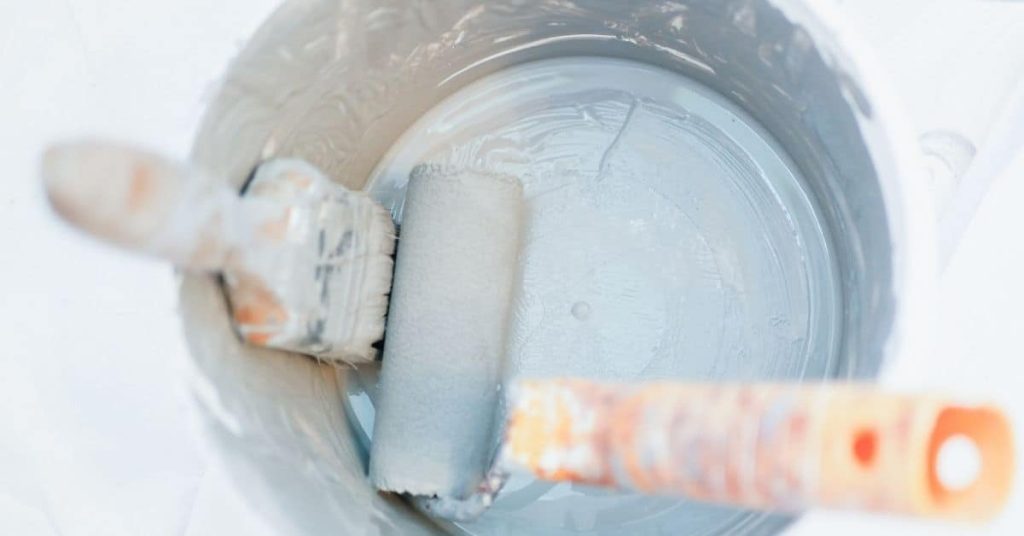
paint roller and brush in bucket of gray coating

Negative-Side Basement Waterproofing: Coatings That Actually Hold (and Why Others Don’t)

Introduction

Negative-side basement waterproofing coatings are interior wall treatments applied to the inside surface to block water from seeping in.

These coatings work by forming a barrier on the wall that resists moisture that pushes inward. Choose coatings that are rated for interior use and compatible with the wall material, and always follow product labels for surface prep and curing.

Common types include cementitious, rubberized, epoxy, and polyurethane coatings, each with its own prep and application steps.

The process usually involves cleaning, repairing cracks, applying primer if required, and applying the coating in multiple coats or a thick film per the instructions, then letting it cure. If in doubt about what to use or how to apply it, check the product label, manufacturer instructions, and local requirements for honest, safe guidance.

Key takeaways

  • Choose coatings compatible with damp interior walls, mitigate hydrostatic pressure and moisture.
  • Apply cementitious or polymer-modified coatings per manufacturer instructions for best adhesion.
  • Follow proper surface prep: clean, primed, and damp-cured substrate before coating.
  • Check local codes and warranties; some systems require professional installation or inspection.
  • Safety: ventilate, wear respirators, protect adjacent finishes, and avoid indoor humidity spikes.
  • Compare brands and products; verify warranty terms, coverage, and maintenance expectations.
Table of Contents

What Is Negative-Side Basement Waterproofing?

Negative-side waterproofing is an interior-focused approach aimed at stopping water before it reaches living spaces. It contrasts with positive-side methods that work from the exterior and deal with soil and foundation exposure. The interior goal is to manage moisture and redirect water away from usable areas.

Typical interior systems include coatings, waterproof membranes, drainage boards, interior basins, and sump pump configurations. Each component serves a purpose, whether blocking seepage, guiding water to collection points, or removing it from the space. Patterns of use depend on the structure and the moisture profile found inside the basement.

How negative-side waterproofing works

Negative-side waterproofing is like a barrier, stopping water from entering your basement. It’s applied on the inside, so it tackles seepage and minor cracks right where they start.

Coatings used here interact with moisture in the substrate (the material beneath). They either repel or absorb it, preventing further intrusion into living spaces.

Think of it like a waterproof jacket. It keeps you dry by stopping rain from getting to your clothes. Same idea here, but for your basement walls and floors.

When to choose negative-side over positive-side

Negative-side waterproofing is great when you’ve already finished your interior. You can’t access the outside, or it’s just too much work.

Budget might also play a role. Interior fixes are often cheaper than digging up your yard for exterior repairs.

But remember, negative-side isn’t always the answer. If you’ve got major cracks or serious water issues, you might need to go positive-side too. It’s about tackling the root cause.

Always consult with a pro if you’re unsure. They can help you weigh your options and make the best choice for your home.

Back to top ↑

Common Coating Types and Materials Used

Interior negative-side coatings come in several broad classes: cementitious, epoxy, polyurethane, acrylic or membrane coatings, with bituminous products in some cases. Each class has a different emphasis on durability, flexibility, and moisture handling. The choice depends on substrate condition and the intended interface with other systems.

Considerations include adhesion to damp concrete, vapor resistance, chemical and salt tolerance, and potential VOC implications for indoor air quality. Substrate prep, cure requirements, and compatibility with drainage components influence performance. Selecting and applying coatings requires matching the product to the wall and floor conditions you face.

Cementitious and Polymer-Modified Cement Coatings

These coatings are made from cement, sand, and sometimes polymers. They’re great for interior walls as they stick well to masonry and poured concrete.

Adhesion is top-notch due to the cement base. But remember, surface prep is key – clean, dry, and free of contaminants. Check product labels for specific prep needs.

They can bridge hairline cracks, but not wide ones. For larger cracks, you might need to fill them first or use a different coating. Always check the manufacturer’s instructions for suitability with your surface condition.

Elastomeric and acrylic film-forming coatings

These coatings are like a flexible skin for your concrete. They stretch and move with the surface, but they ain’t perfect.

Flexibility: Elastomerics and acrylics can handle cracks up to 1/8″ wide. They’re great for places where the concrete moves around, like on top of expansive soils or in areas with temperature swings.

Vapor permeability: Here’s where they differ from cementitious coatings. Elastomerics and acrylics can trap moisture, so you gotta make sure your slab is dry before applying. Check the product label for specific moisture content limits. Also, these coatings don’t breathe like cement-based ones, so they’re not ideal for areas with high humidity or frequent wetting.

Use ’em where you need flexibility and a nice finish, but keep an eye on moisture levels. And remember, no coating’s perfect – even these can crack if the base concrete ain’t up to snuff. Always check base compaction before applying.

Crystalline and Penetrating Sealers

Alright, listen up. We’re talking about two types of sealers here: crystalline and penetrating. Both are good for concrete, but they work differently.

Crystalline sealers, they react with the concrete itself. Once applied, they move into the pores and start a chemical reaction that blocks moisture and other nasties from getting in. You’ll want to check the product label to see how long it takes for this process to complete.

Penetrating sealers, on the other hand, don’t form a film like some of those other coatings we talked about earlier. Instead, they soak into the concrete and block pores that way. They’re great for driveways and other areas where you don’t want any sort of shiny or slippery surface.

Now, here’s what you need to do before applying either:

  • Check base compaction. You don’t want any soft spots in your concrete. If there are, fix ’em before sealing.
  • Make sure the surface is clean and dry. No dirt, no grease, no nothing.
  • Follow the manufacturer’s instructions to a T. They know their product best, so don’t go off half-cocked.

Back to top ↑

How the Best Coatings Actually Hold — Performance Mechanisms

The strongest interior coatings rely on solid adhesion to damp concrete, while remaining flexible enough to accommodate movement. Pore-blocking behavior helps limit water ingress without sealing in moisture that needs to escape. Pressure tolerance under negative-side conditions supports long-term containment of leaks.

Surface prep is critical: remove laitance, normalize moisture, and ensure proper curing state. Different chemistries trade flexibility for vapor permeability or hardness, so pick based on the surrounding environment and any radon or finish requirements. This section also guides you toward practical application parameters and common failure modes to avoid.

Substrate adhesion and mechanical bond

The key to any coating’s success is its bond with the concrete. Here’s how we ensure a strong, lasting grip:

Surface Prep: Remove contaminants (like dust or oil), laitance, and ensure humidity levels are below 15%. The concrete should be at least 28 days old and cured.

Primer Selection: Use a primer designed for damp surfaces. It’ll improve adhesion and seal minor defects. Apply it evenly with a brush or roller, following the manufacturer’s guidelines.

Managing hydrostatic pressure and water vapor

Basement coatings face two main challenges: hydrostatic pressure from outside water and water vapor drive from inside. Here’s how different chemistries handle each:

Hydrostatic Pressure: Epoxy and cementitious coatings can withstand high pressures, making them ideal for wet conditions. However, they’re less flexible, so consider soil movement.

Water Vapor Drive: Acrylic and elastomeric coatings are more permeable to water vapor, allowing moisture to escape. This makes them suitable for damp but not constantly wet environments. They’re also more flexible, accommodating minor movements better.

Back to top ↑

Why Other Coatings Fail — Common Failure Modes

Interior coatings fail most often due to adhesion issues, blistering, or pinholes arising from insufficient surface prep or damp install conditions. Vapor transmission problems can cause moisture blisters if the coating is not compatible with sub-slab conditions. Chemical attack and alkali exposure are also recurring causes in basements with high pH surfaces.

Substrate movement, contamination, and improper overcoating schedules contribute to delamination and reduced life. Practical checks include verifying surface readiness, controlling humidity at install, and ensuring primer and top coats are compatible. The post-application window for testing and maintenance is essential for long-term success.

Inadequate surface preparation and contaminants

Proper surface prep is key for any coating to bond well. But often, we see folks rushing through this step or skipping it altogether.

Efflorescence, those white salts on your walls, can prevent bonding. Scrub them off with a wire brush and acid solution before applying the coating.

Paint, oil, or other contaminants also stop coatings from sticking. Clean these off thoroughly using a degreaser or paint stripper.

Unsound concrete, like crumbling or soft spots, won’t hold any coating. Remove these areas and patch with fresh concrete before applying your waterproofing layer.

Using the wrong product for the condition

Choosing the right coating is crucial, but many DIYers get this wrong. Here’s why:

  • Non-breathable films on wet walls: These trap moisture, leading to blisters and delamination.
  • Using acrylics on alkaline surfaces: Alkaline concrete can break down acrylic coatings, shortening their lifespan.
  • Applying thin coats of cementitious coatings: Thin layers won’t hold up against hydrostatic pressure.

Always test your substrate’s pH and moisture content. Choose a coating that’s compatible with your conditions and follow the manufacturer’s guidelines for application thickness.

Application errors and environmental conditions

Mistakes during application can ruin even the best coatings. Here are some common slip-ups to avoid:

  • Improper mixing: Follow the manufacturer’s instructions for mixing ratios and times.
  • Incorrect thickness: Too thin, and it won’t protect; too thick, and it can crack or peel.
  • Low temperatures: Most coatings need warm surfaces (above 50°F/10°C) to cure properly.
  • High humidity: High RH during application can trap moisture, causing blisters and delamination.

Control your environment as much as possible. Keep temperatures and humidity within the coating’s specified range during application and curing.

Back to top ↑

Concrete foundation wall with black waterproof coating

Application Methods, Tools, and Step-by-Step DIY Plan

Plan the project flow from prep and safety to coating, curing, and inspection. Use stage gates to prevent rework and ensure each step is complete before moving on. A clear sequence helps keep dust and fumes contained and reduces disruption to living spaces.

Prepare surfaces, repair cracks, and verify coating compatibility with existing membranes. Safety gear, ventilation, and containment practices are essential for a DIY approach. Consider edge detailing and the order of operations so you don’t trap moisture or unfinished transitions.

Step-by-Step Process

Follow this clear, numbered sequence to prep, apply, and inspect your negative-side basement waterproofing coating like a pro.

  1. Prep and safety checks: Inspect surfaces for moisture or cracks. Ensure PPE (respirator, gloves, eye protection) is on. If working from heights, secure fall protection.
  2. Clean and degrease surfaces: Use a wire brush and concrete cleaner to remove dirt, efflorescence, and contaminants. Let it dry.
  3. Repair cracks or laitance: Apply a cement-based patching compound to seal any visible cracks or damaged areas. Allow it to cure as per manufacturer’s instructions.
  4. Prime the surface: If recommended by your coating product, apply a primer using a brush or roller. Let it dry according to the product’s guidelines.
  5. Apply first coat: Using a trowel, sprayer, or roller, apply the first coat of waterproofing material evenly. Follow the manufacturer’s recommendations for coverage and drying time.
  6. Cure/curing conditions observation: Maintain recommended curing conditions (humidity, temperature) to ensure optimal coating performance. Check for any signs of poor adhesion or unexpected moisture.
  7. Apply second coat: Once the first coat is fully cured, apply a second coat following the same method and manufacturer’s guidelines. This provides added protection against water intrusion.
  8. Final inspection: Inspect the entire surface for proper adhesion, film integrity, and any signs of missed spots or defects. Address any issues immediately to avoid rework.

Tools and materials checklist

Use this list before starting your project to ensure you have everything needed for a successful application.

  • Wire brush: For removing dirt and efflorescence. A stiff-bristled, heavy-duty wire brush works best.
  • Concrete cleaner: Choose a cleaner compatible with your coating product to avoid contamination.
  • Cement-based patching compound: Select one that matches the substrate and is suitable for your specific crack repair needs.
  • Respirator, gloves, eye protection: Essential PPE for protecting against harmful dust and chemicals.
  • Fall protection equipment (if needed): Harness, lanyard, and anchor points if working from heights.
  • Coating application tools: Trowel, sprayer, or roller depending on your chosen application method. Ensure they’re clean and in good condition.
  • Primer (if needed): Choose one recommended by the coating manufacturer for optimal adhesion.
  • Waterproofing material: Select a quality product suitable for your basement’s specific conditions, as discussed earlier in this guide.
  • Moisture meter: To check for unexpected moisture and verify proper curing conditions.
  • Tape measure and level: For ensuring even application and proper edge detailing.

Quick rule: Always consult the product datasheet to confirm compatibility with your substrate and existing membranes before starting any work.

Surface prep, patching, and priming steps

Proper surface preparation is crucial for reliable adhesion of your waterproofing coating. Follow these steps to ensure a successful application.

Begin by thoroughly inspecting the surfaces to be coated. Look for signs of moisture or efflorescence, which indicate potential issues that need addressing before proceeding.

Using a wire brush and concrete cleaner, remove any dirt, efflorescence, or contaminants from the surface. Allow it to dry completely before moving on to the next step.

Inspect for cracks or laitance (loose, powdery surface layer) and repair as needed using a cement-based patching compound. Ensure the patches are fully cured before priming and coating.

If recommended by your coating product, apply a primer using a brush or roller. Primers help improve adhesion and seal the substrate, preventing moisture from passing through. Follow the manufacturer’s guidelines for application and drying times.

Application technique, curing, and verification

Proper application technique, along with careful monitoring of cure conditions, ensures optimal performance of your waterproofing coating. Follow these guidelines for best results.

Apply the first coat using a trowel, sprayer, or roller, depending on your chosen method. Ensure even coverage and follow the manufacturer’s recommendations for drying time between coats.

Maintain recommended curing conditions (humidity, temperature) to allow the coating to cure properly. Check for any signs of poor adhesion or unexpected moisture during this period. If issues arise, address them promptly to avoid rework.

After the first coat has fully cured, apply a second coat following the same method and manufacturer’s guidelines. This provides added protection against water intrusion and helps ensure long-term performance. Before applying the second coat, verify that the first coat is fully cured using a simple moisture test or visual inspection.

Quick tip: Always follow the manufacturer’s recommendations for application techniques, cure conditions, and recoating intervals to maximize your coating’s lifespan and effectiveness.

Back to top ↑

Long-Term Performance, Warranties, and Maintenance

Real-world durability shows up as how coatings resist cracking, blistering, and delamination years after installation. Substrate moisture, movement, and alkalinity influence how long a coating lasts. Expect variations based on climate, use, and basement conditions from year to year.

Warranty terms define coverage, exclusions, and required maintenance practices. Documenting installation conditions and substrate prep supports claims. Regular inspections and minor touch-ups can extend service life without full replacement.

Understanding warranty scope and limitations

A warranty is only as good as its fine print. Here’s what to look for when comparing negative-side waterproofing coating warranties.

Coverage period: This is the length of time the manufacturer promises their product will perform. It can range from 10 to 30 years, or even lifetime warranties.

Water penetration vs. structural issues: Some warranties cover water intrusion only, while others may include structural damage caused by hydrostatic pressure. Be sure to understand what’s covered and what’s not.

Required prep documentation: Some manufacturers require proof of proper surface preparation before honoring their warranty. Keep records of your prep work for a smooth claims process.

Routine inspection and maintenance tips

Regular check-ups are key to catching potential issues early and extending the life of your negative-side waterproofing coating. Here’s a simple checklist to follow.

  • Annual or post-storm: Inspect your basement walls for any signs of cracking, blistering, or delamination. These could indicate water intrusion or other issues.
  • Moisture levels: Use a moisture meter to check for excess moisture in the walls. High readings may indicate a problem with the coating or the substrate.
  • Surface cleanliness: Gently clean any dirt or debris from the surface using a soft brush and mild detergent. Avoid harsh chemicals that could damage the film.
  • Seals and touch-ups: Reapply sealants around pipes, cracks, or other openings as needed to maintain a continuous barrier.
  • Patching compounds: If you need to patch any areas, ensure the compound is compatible with your coating to avoid damaging it.
  • Document findings: Keep records of your inspections, including photos and notes. This will help you track trends over time and support warranty claims if needed.

Quick rule: Inspect annually or after heavy storms. Address any issues promptly to prevent them from worsening and compromising the coating’s integrity.

Back to top ↑

Safety, Environmental, and Structural Considerations

Prioritize safety with appropriate PPE, fall protection where needed, and electrical risk awareness. Ventilation and air quality affect both application and cure, so plan for mechanical ventilation and monitoring of fumes. Keep the workspace organized to prevent trips and injuries.

Assess foundation cracks, wall movement, and historical water damage before coating. Check moisture migration indicators, sump operation, and drainage conditions. Be mindful of environmental and material safety, including waste disposal and local guidelines for DIY work.

Personal protective equipment and ventilation

Before you start mixing concrete, gear up. It’s not just about looking tough; it’s about staying safe.

PPE must-haves:

  • Steel-toed boots to protect your feet from falling objects and sharp edges.
  • A hard hat to shield your head from impacts and falling debris.
  • Safety glasses or goggles to keep cement dust out of your eyes. Check product datasheets for specific eye protection requirements.
  • Gloves to protect your hands, but remember, they won’t save you from every injury. Be careful with that shovel!
  • A high-visibility vest so everyone on site can see you coming.

Ventilation:

Concrete dust is harmful if inhaled, and some additives can be downright nasty. Keep your workspace well-ventilated. If you’re working indoors or in a confined space, consider using a respirator with a particulate filter. Always check the manufacturer’s instructions for specific ventilation requirements.

When coatings are not enough — structural or drainage issues

If you’re seeing persistent water problems after applying coatings, it’s time to dig deeper. Coatings can’t fix underlying issues.

Persistent hydrostatic pressure means water is pushing against your foundation walls with constant force. You might see this as recurring dampness or efflorescence (white powdery deposits). Check for signs of water around the exterior, especially after heavy rain.

Structural cracks are a big red flag. If they’re wider than a hairline and run up or down your walls, it’s more than just surface damage. Check base compaction – if it’s poor, water can push through easily. Exterior drainage problems like clogged gutters or sloping soil towards the house also need fixing.

These issues require professional remediation. Don’t try to patch cracks with coatings; they’ll just crack again. Consult a structural engineer or foundation repair specialist. They can assess the damage and recommend appropriate solutions, which might include waterproofing membranes, exterior drainage systems, or even underpinning.

Back to top ↑

Cost-Benefit Comparison and Decision Guide

Evaluate lifecycle costs by weighing initial material and labor against exterior options and ongoing maintenance. Interior coatings offer different management of hydrostatic pressure and moisture control compared with exterior membranes and drainage. The decision hinges on how interruptions, remodeling plans, and budget line up with long-term performance.

Consider site prerequisites such as interior humidity, existing cracks, and crawlspace conditions. Use a practical decision framework to balance severity, timelines, and willingness to perform interior work. Look for credible warranty terms and documented performance when comparing options.

Upfront vs long-term costs and effectiveness

The cost of negative-side coatings can vary greatly depending on the extent of damage, access to the area, and desired finishes. Expect to pay more upfront for better quality materials and professional application.

Long-term, however, negative-side coatings often prove more cost-effective due to reduced maintenance needs compared to exterior systems. Recoating intervals are typically longer, and expected service life is usually greater.

Before making a decision, assess the current state of your basement walls and floors. Severe damage or extensive cracks may warrant additional repairs before coating application. Always get multiple professional estimates to ensure you’re getting the best value.

Making the right choice for your basement

Before deciding on a waterproofing solution, assess your basement’s condition. Check for cracks, leaks, or signs of moisture. Consider the intended use of the space – will it be living area, storage, or workshop? This can impact your decision.

Timeline is another factor. If you’re planning to move in soon, interior coatings might be quicker as they don’t require exterior excavation or weather-dependent curing times.

Risk tolerance also plays a role. Negative-side coatings provide peace of mind knowing that water intrusion is being addressed directly at the source. However, they do require more upfront investment and interior work. Exterior systems may be less invasive but offer less protection against hydrostatic pressure.

Back to top ↑

Conclusion

With the right coating and a careful, tested approach, you get a durable, clean basement surface that keeps water out and looks solid for years. The key is sticking to proven materials and a method that matches your wall condition, so safety, durability, and appearance all stay intact.

Begin by testing a small area, then follow a steady sequence: prep and clean the surface, apply the chosen coating in thin, even coats, monitor for proper cure, and perform any needed back-up steps from the plan you followed. Check for surface compatibility, follow manufacturer directions, and document weather and substrate conditions as you go. If you’re uncertain about substrate health or moisture levels, pause and reassess before proceeding.

Common mistakes to avoid include rushing the prep, skipping surface repair, or applying coats when the surface isn’t dry. Always wear eye protection and gloves, maintain good ventilation, and work in dry conditions to prevent trapping moisture. If you detect active water intrusion that worsens after a trial coat, or if the area is large and the substrate shows structural signs, stop and consult a professional rather than pushing ahead.

When in doubt about scope, budget, or potential structural issues, call in a pro to verify the diagnosis and performance expectations. Stay disciplined, work in stages, and you’ll keep water out without wrecking the wall or your budget. You can handle this—and you’ll see the payoff in fewer headaches and a drier, safer basement. Test first, seal properly, and document your process.

Back to top ↑

FAQ

What types of negative-side waterproofing coatings are commonly used for basements?

Two main families show up: cementitious coatings and elastomeric or polymer-based coatings. Cementitious options are mixed on site and set to a hard, plaster-like film. Elastomeric coatings stay flexible and are often applied as a liquid or thin sheet over the wall.

How do I apply a coating on the negative side of the wall, step by step?

Clean and roughen the surface so the coating can grab. Prime if the product requires it, then apply per the label in thin, even coats. Finish with the recommended cure time and avoid traffic or moisture exposure until it’s fully set.

What brands or products are commonly used for negative-side waterproofing?

Look for products labeled for negative-side (inside-wall) use and follow manufacturer instructions. Check the label for surface prep, mixing, and cure times. If you’re unsure, ask the supplier to show you the exact product and read the datasheet before buying.

What are the key safety steps to take during coating application?

Ventilate the area and wear eye protection, gloves, and a respirator if the product demands it. Keep the work area dry and avoid applying coatings over active leaks. Always follow the product’s safety data sheet and local rules for disposal.

Back to top ↑

More about this topic