Search Results for: contractor cement

Workers on suspended scaffold painting exterior building wall

Stucco Cure Time Before Painting: A Simple Calendar That Prevents Blistering

Introduction Stucco cure time before painting is the period you wait for the material to dry and chemically set enough to accept paint without trapping moisture. In plain jobsite terms, that means letting the stucco go from soft, damp, or lime-rich to stable and dry according to the product instructions before anyone brushes on paint. […]

Stucco Cure Time Before Painting: A Simple Calendar That Prevents Blistering Read More »

Closeup of a cracked white stucco wall surface

Choosing Elastomeric Coatings for Stucco: When They Help and When They Trap Moisture

Introduction Elastomeric coatings are thick, flexible paint-like products designed to bridge small cracks in stucco and shed water, but they work only when the wall is dry, well-prepared, and compatible with the substrate. Think of them as a weatherproof skin that can help stop rain infiltration on sound stucco but can trap moisture if applied

Choosing Elastomeric Coatings for Stucco: When They Help and When They Trap Moisture Read More »

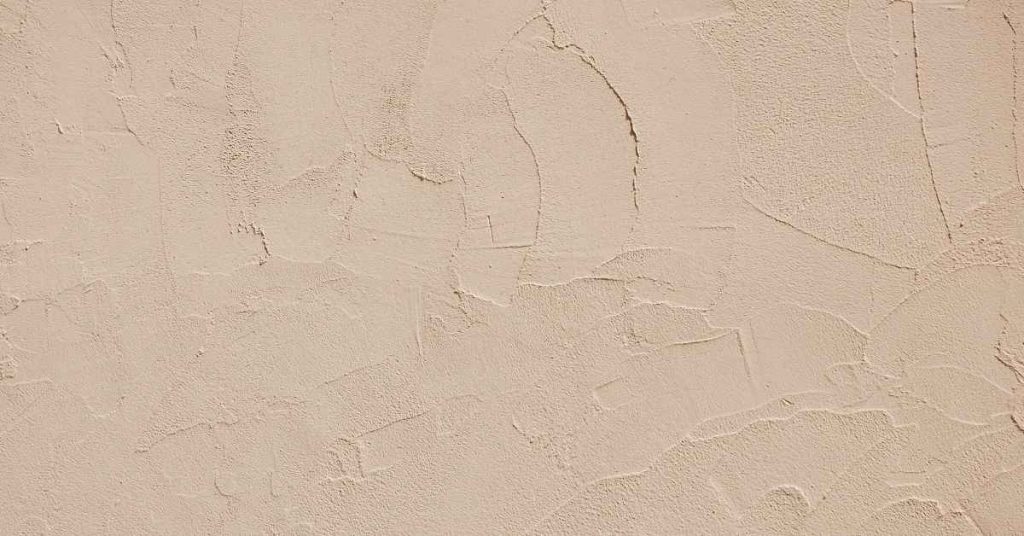
Close-up of beige textured stucco wall surface

Silicate Mineral Paint on Stucco: Breathability, Prep, and Why It Bonds Differently

Introduction Silicate mineral paint is a water-based, mineral-bound finish that bonds chemically to masonry and remains vapor-permeable. It soaks into and reacts with mineral substrates rather than sitting on top like many organic paints, which is why it behaves differently on stucco. For a DIYer that means fewer film failures but you need the right

Silicate Mineral Paint on Stucco: Breathability, Prep, and Why It Bonds Differently Read More »

Hands holding a stud finder and marking a wall with a pencil

Stucco Efflorescence That Keeps Returning: Moisture Path Checks and Long-Term Fixes

Introduction Stucco efflorescence that keeps returning is a salt deposit left when moisture repeatedly migrates through stucco and evaporates, and the fix starts with finding and stopping the moisture paths. Look for leaks, poor flashing, grade or drainage issues, and moisture sources inside the wall assembly; check product labels and manufacturer instructions for compatible sealers

Stucco Efflorescence That Keeps Returning: Moisture Path Checks and Long-Term Fixes Read More »

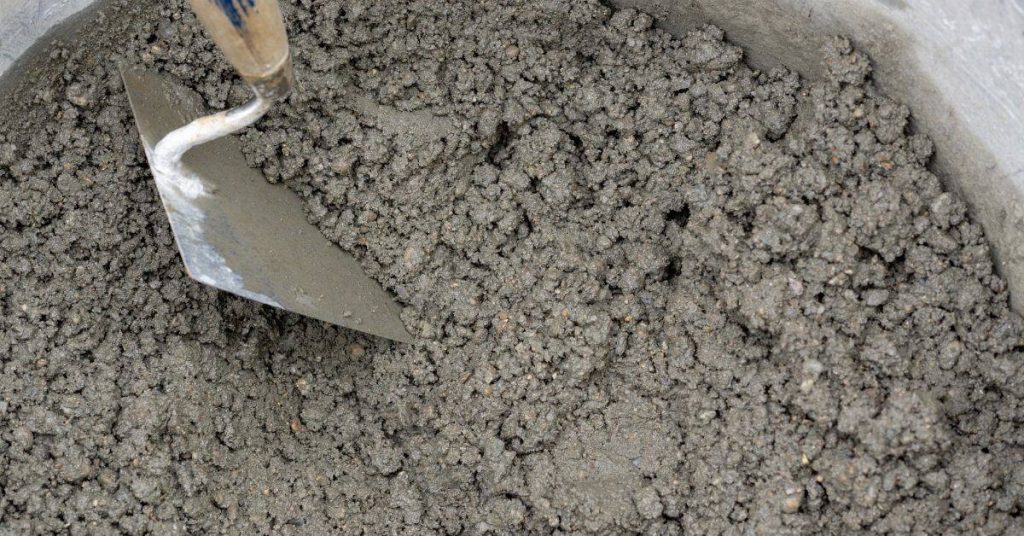
Close-up of wet mortar mix with a metal trowel in bucket

Rain Hit Your Fresh Mortar? Protection Steps, Damage Checks, and When You Need to Redo the Joint

Introduction Rain on fresh mortar can range from a minor nuisance to a ruinous washout depending on how soft the joint was and how long it was exposed, so act fast to protect and assess it. Cover undisturbed mortar with a breathable tarp or plastic supported off the joint until it firms, and check product

Rain Hit Your Fresh Mortar? Protection Steps, Damage Checks, and When You Need to Redo the Joint Read More »

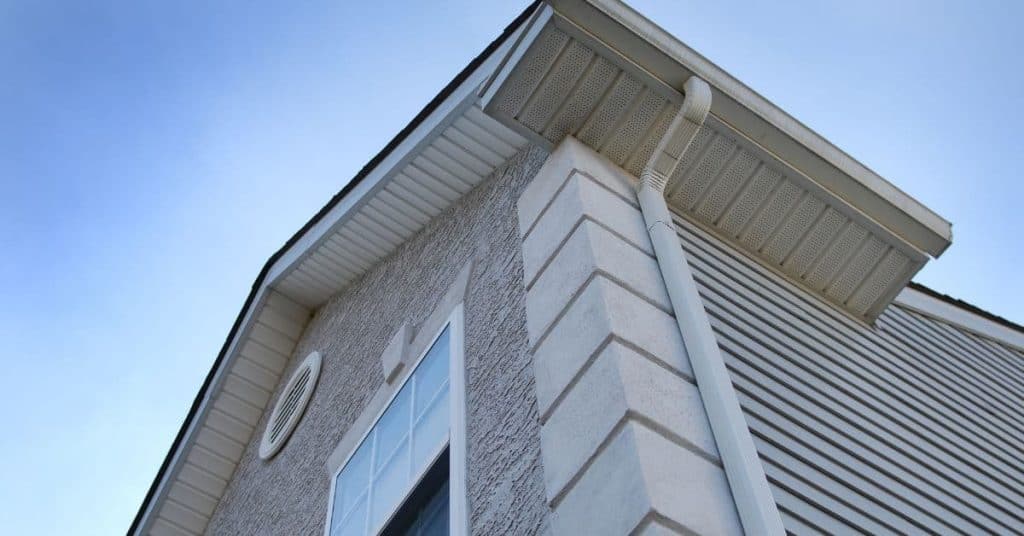
Close-up of house corner showing fascia drip edge gutter downspout

Fascia and Drip Edge: Common Failures, How to Diagnose, and Repairs That Last

Introduction Drip edge is the metal or flashing that directs roof runoff into the gutter and protects the fascia. Fascia is the board along the roof edge that the gutter hangs from. Common failures include loose or bent drip edge, corroded metal, gaps at corners, and damaged fascia that lets water behind the gutter. To

Fascia and Drip Edge: Common Failures, How to Diagnose, and Repairs That Last Read More »

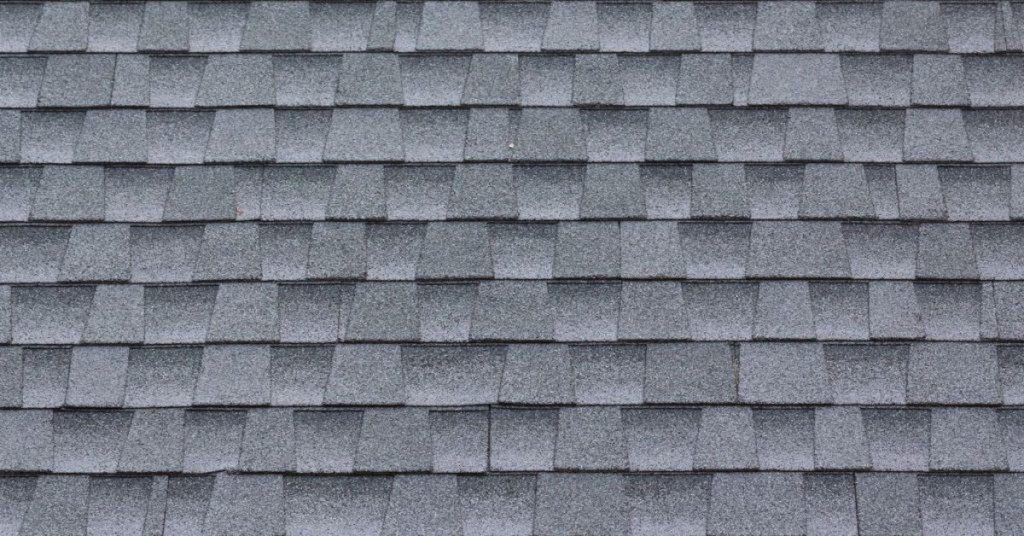
Close-up of gray asphalt shingle roof

Most Durable Roofing Material: How to Compare, Test, and Choose

Introduction The most durable roofing material is the option that resists weathering and lasts the longest with proper installation and maintenance. In practice, that means considering how well a roof stands up to wind, hail, temperature changes, and UV exposure. A good choice fits your climate, roof pitch, and maintenance plan. When comparing options, balance

Most Durable Roofing Material: How to Compare, Test, and Choose Read More »

Close-up of gray asphalt shingle roof tiles

Best Roofing Material: How to Decide (DIY Checklist + When to Stop)

Introduction The best roofing material is the option that fits your climate, budget, and DIY skill. When deciding, consider how the roof is built, how much weight you can handle, and how much maintenance you’re willing to do. Always check manufacturer instructions and local rules for weight limits, ventilation, and installation requirements. Start with a

Best Roofing Material: How to Decide (DIY Checklist + When to Stop) Read More »

Drywall panels with taped and mudded joints in unfinished room

How to Repair a Damaged Drywall Vapor Barrier/Poly Behind the Wall (When It Matters)

Introduction Repairing a damaged drywall vapor barrier behind the wall means fixing the moisture barrier layer in the wall cavity to control condensation and potential mold. This is a hands-on job you can do with basic tools, but you need to confirm the barrier’s location and condition. Check the wall area for moisture signs and

How to Repair a Damaged Drywall Vapor Barrier/Poly Behind the Wall (When It Matters) Read More »