Search Results for: contractor cement

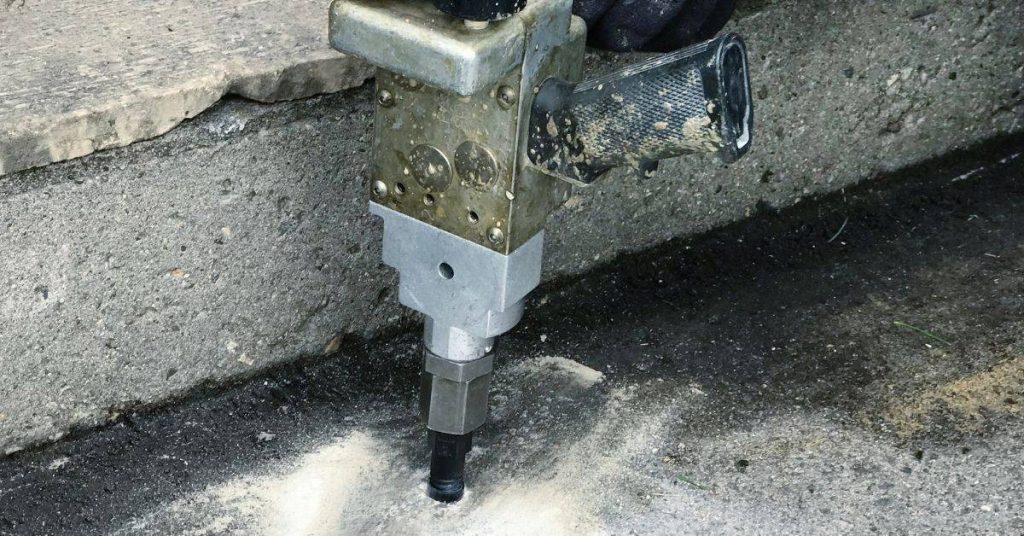
Close-up of concrete injection repair tool on cracked concrete

Epoxy Crack Injection Basics: When It’s Structural and When Flexible Sealants Are Better

Introduction Epoxy crack injection is a method that bonds and restores load-bearing concrete when a crack is clean, stable, and dry, while flexible sealants are better for cracks that move or need to keep out water without carrying structural loads. Think of epoxy like a hard glue for structural repair and polyurethane or silicone as […]

Epoxy Crack Injection Basics: When It’s Structural and When Flexible Sealants Are Better Read More »
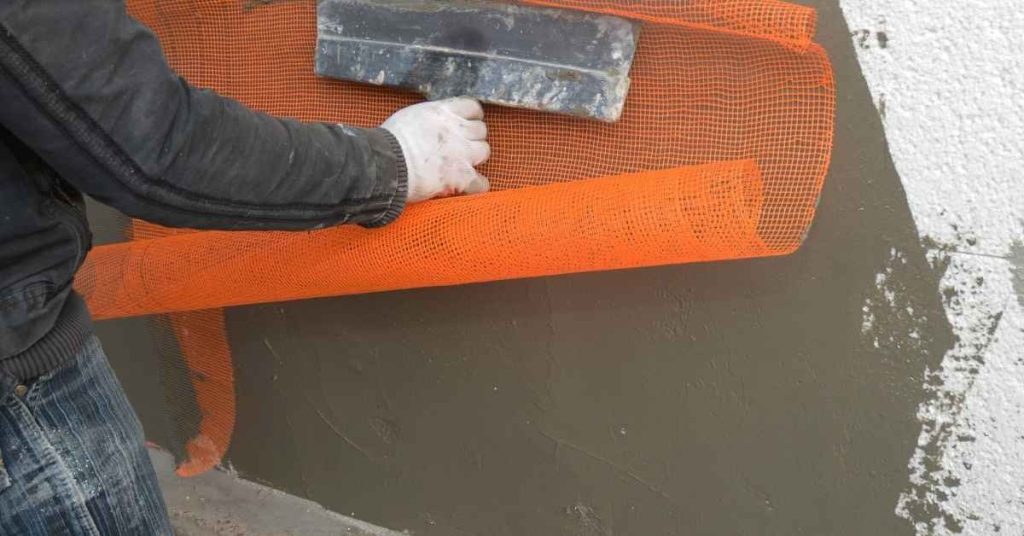

Worker applying orange mesh on wet stucco surface

Repairing Stucco at Inside Corners: Mesh Layout and Stress Relief Details

Introduction Repairing stucco at inside corners means reinforcing the corner with mesh and creating controlled stress relief so the patch bonds and moves without cracking. In practice you’ll cut and embed mesh over the corner, feather the scratch/base coats into the surrounding sound stucco, and finish with compatible topcoat material; check product labels and local

Repairing Stucco at Inside Corners: Mesh Layout and Stress Relief Details Read More »

Closeup of cracked and deteriorated concrete wall surface

Concrete Patching in Thin Layers: A Step-by-Step Timeline for DIY Success

Introduction Embarking on a concrete patching project? Understanding the timeline is crucial to ensure your repair lasts. This guide walks you through each step, from preparation to final curing, so you can complete your thin-layer patching job efficiently and effectively. Before you start, set aside enough time for each phase. Rushing through steps can lead

Concrete Patching in Thin Layers: A Step-by-Step Timeline for DIY Success Read More »

Wooden concrete forms with rebar and soil inside foundation trenches

Concrete Capillary Breaks at Foundation Walls: Gravel, Footing Drains, and Wicking Prevention

Introduction Concrete capillary breaks at foundation walls are measures that stop water from wicking up through concrete by interrupting the tiny pathways in and around the footing and wall. In practice that means using a combination of granular backfill, a drainage layer next to the footing, and details at the wall/soil interface to prevent water

Concrete Capillary Breaks at Foundation Walls: Gravel, Footing Drains, and Wicking Prevention Read More »

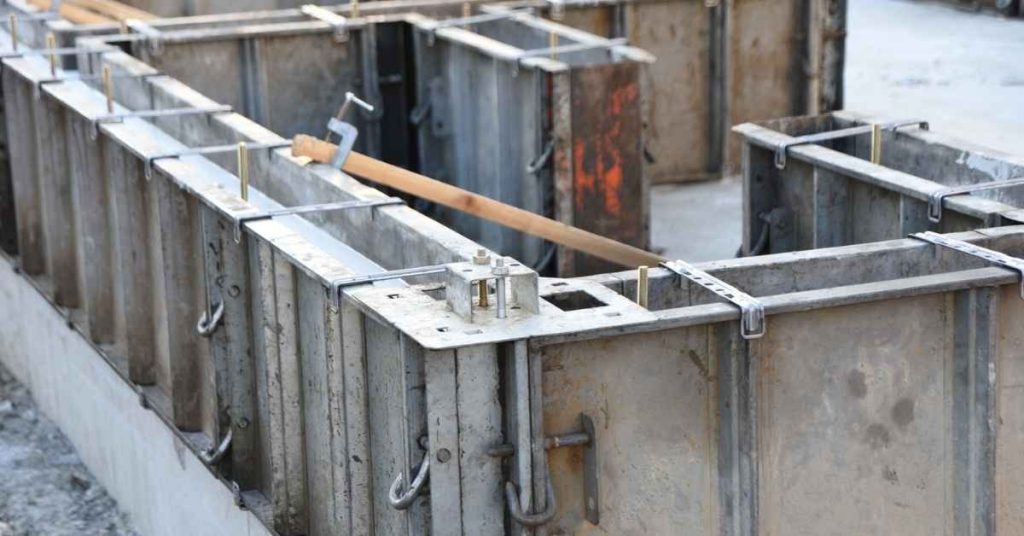
Metal concrete formwork panels arranged in a rectangular shape

Concrete Formwork for Curves: Kerfing Plywood, Flexible Liners, and How to Keep Edges True

Introduction Concrete formwork for curves means shaping temporary molds that guide wet concrete into a smooth, accurate curved edge, using techniques like kerfing plywood or flexible liners to follow the radius you need. In plain terms: kerfing lets stiff sheets bend by cutting relief slots, liners conform with support framing, and both need bracing to

Concrete Formwork for Curves: Kerfing Plywood, Flexible Liners, and How to Keep Edges True Read More »

Closeup of fresh concrete surface with some texture details

Concrete Surface Laitance: Timeline for Spotting, Removing, and Preventing It

Introduction Tackling concrete surface laitance requires a strategic approach that involves careful timing. From spotting the issue to removing it and preventing its recurrence, understanding the timeline is crucial for successful DIY management. This guide walks you through each stage of dealing with laitance, ensuring you allocate sufficient time for each task and maintain a

Concrete Surface Laitance: Timeline for Spotting, Removing, and Preventing It Read More »

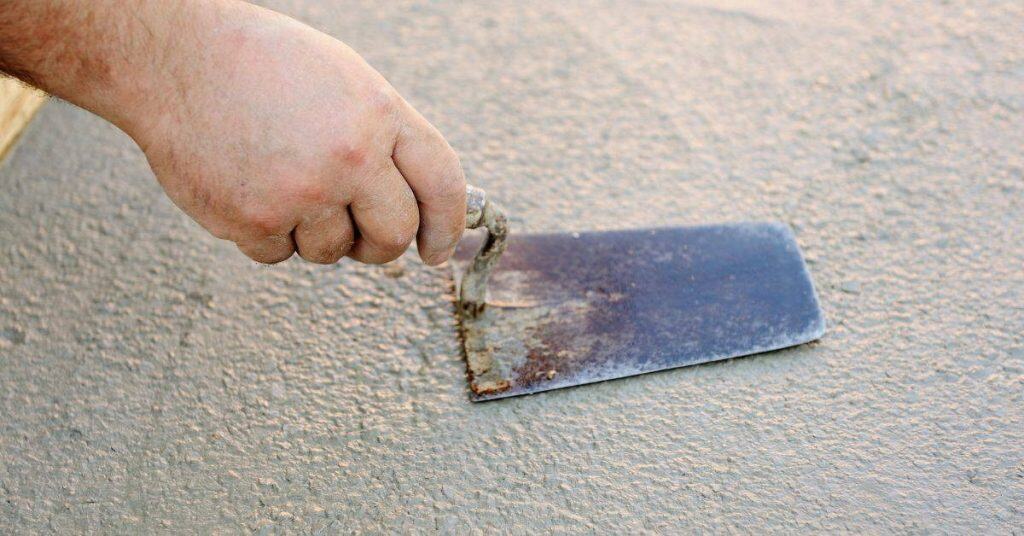
Hand holding a rusty trowel on a stucco surface

Stucco Layers and Purpose: How Each Coat Works and What Failures Look Like When One Is Wrong

Introduction Stucco layers are a sequence of coats—usually a scratch or bonding layer, a brown or leveling layer, and a finish coat—each serving to bond, build thickness, and protect or texture the wall. In plain jobsite terms: the first coat grabs the mesh and substrate, the middle builds out thickness and straightens the plane, and

Stucco Layers and Purpose: How Each Coat Works and What Failures Look Like When One Is Wrong Read More »

Person applying drywall joint compound near window

Choosing Plaster vs Joint Compound for Repairs: Durability, Sanding, and Paint Finish Differences

Introduction Plaster is a harder-setting wall finish made from cement- or gypsum-based mixes, while joint compound is a softer, gypsum-based product meant for taping and small repairs. For DIYers that means plaster will hold up better in high-traffic areas and where impact resistance matters, and joint compound is easier to apply and feather for small

Choosing Plaster vs Joint Compound for Repairs: Durability, Sanding, and Paint Finish Differences Read More »

Exterior stucco wall with scaffolding and windows

Stucco-to-Window Joint Leaks: Backer Rod Depth, Sealant Profiles, and Flashing Red Flags

Introduction Stucco-to-window joint leaks are failures where the seal between the stucco and the window lets water in, usually from improper backer rod depth, wrong sealant profile, or missing/incorrect flashing. Fixing them is about getting the joint depth right for the backer rod, choosing a compatible sealant, and making sure flashing directs water away from

Stucco-to-Window Joint Leaks: Backer Rod Depth, Sealant Profiles, and Flashing Red Flags Read More »

Tile cutter with tape measure and pencil on tiled floor

Tile Layout “Money Line” Mistakes: How to Avoid Skinny Cuts at Doorways, Niches, and Focal Walls

Introduction “Money line” in tile layout means the primary straight reference you use to place tiles so you avoid tiny, ugly slivers at doorways, niches, and focal walls. It’s the on-site line you snap, test-fit, and adjust before you mortar so your visible edges end up full and balanced. Think like a foreman: set the

Tile Layout “Money Line” Mistakes: How to Avoid Skinny Cuts at Doorways, Niches, and Focal Walls Read More »