Search Results for: breathable paint stucco

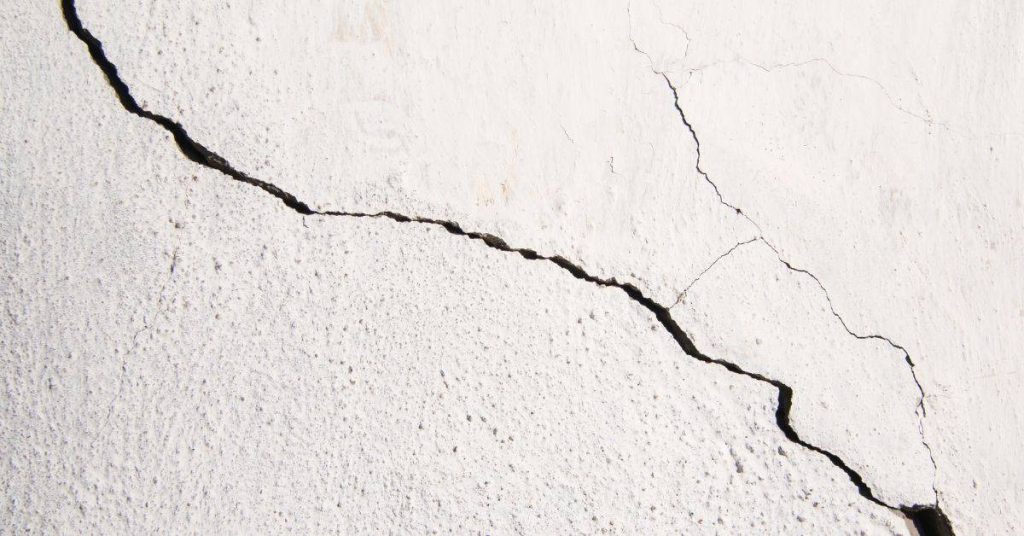
close up of white textured hardwall plaster surface

Hairline Crazing in Hardwall Plaster: Surface Keying and Breathable Topcoats

Introduction Hairline crazing in hardwall plaster is fine cracks that form on the surface when the plaster dries and the finish isn’t keyed well enough for the next coat. It happens when the surface isn’t gripping the base layer, or small movements stress the top layers. The fix starts with proper surface keying and choosing […]

Hairline Crazing in Hardwall Plaster: Surface Keying and Breathable Topcoats Read More »

Person spraying stucco onto brick wall with hose

Stucco Patch Failures from Suction: Pre-Wet Rules and Bonding Timing

Introduction Suction in stucco patching happens when the surface draws water away as the patch cures, which can lead to poor bonding. Pre-wet rules help control the moisture draw so the patch cures with intact adhesion. Follow basic guidelines on dampening the area and feeling the surface moisture before applying patch material. Bonding timing matters:

Stucco Patch Failures from Suction: Pre-Wet Rules and Bonding Timing Read More »

Close-up of blue painted stucco wall texture

Patch “Picture Framing” on Painted Stucco: Prime Zones and Feathered Coating Steps

Introduction Patch “Picture Framing” on painted stucco means touching up small areas so the patch blends with the surrounding paint while keeping the texture. This guide introduces how to spot the framing, choose basic tools, and apply a feathered coat with primer over patches. Keep it practical and straightforward, like a real hands-on repair. Before

Patch “Picture Framing” on Painted Stucco: Prime Zones and Feathered Coating Steps Read More »

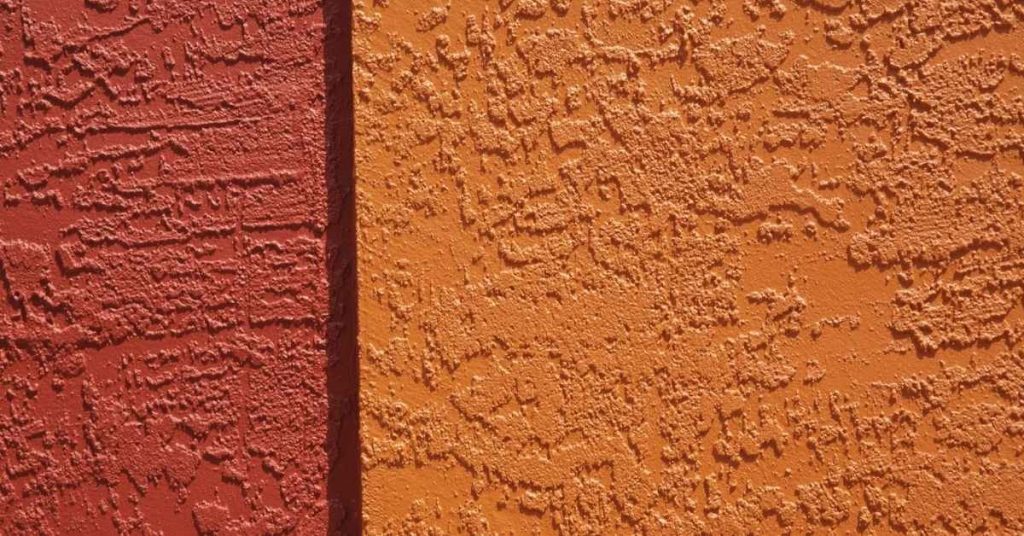
Close-up of two-tone orange and red textured stucco wall

Two-Tone Stucco Bands Without Cracks: Movement Joints and Sequencing

Introduction Two-tone stucco bands without cracks are achieved by using deliberate movement joints and proper sequencing to control where cracks form. This approach keeps the color bands crisp and the surface durable during temperature changes and settling. Avoid guessing—check labels and manufacturer guidance for allowable joint spacing and material compatibility. Identify crack types as they

Two-Tone Stucco Bands Without Cracks: Movement Joints and Sequencing Read More »

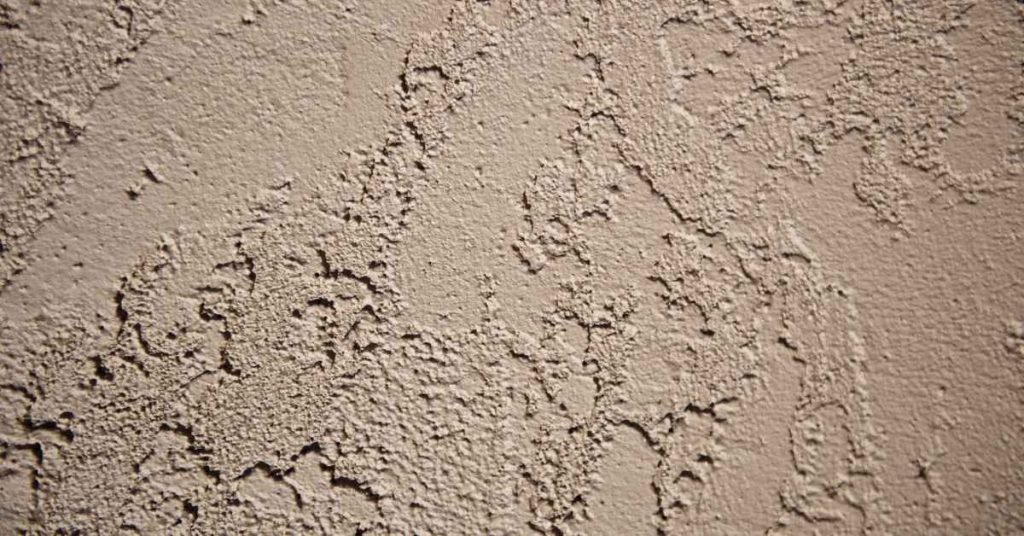
Close-up of rough stucco wall texture in neutral color

Blending Stucco Texture on Large Patches: Avoiding the “Panel” Look in Sunlight

Introduction Blending stucco texture on large patches means creating a continuous, uniform surface that hides seams and avoids the “panel” look when sunlight hits the wall. This article keeps things practical for DIY homeowners, focusing on how to feather textures, work in stages, and check for consistent saturation. You’ll want to match the base coat,

Blending Stucco Texture on Large Patches: Avoiding the “Panel” Look in Sunlight Read More »

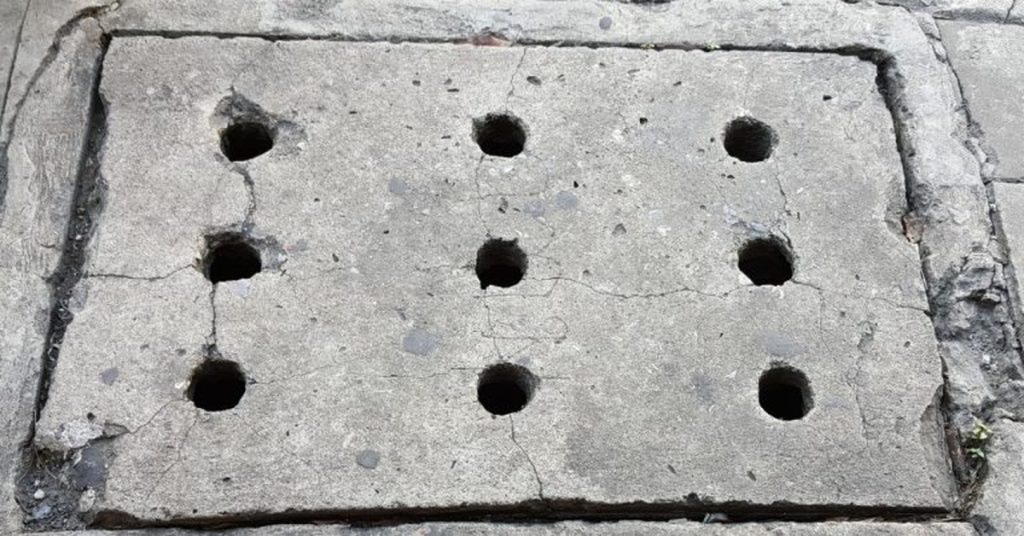
Concrete slab with multiple drainage holes and visible cracks

Concrete Planters Without Efflorescence: Mix Design, Drainage, and Breathable Waterproofing

Introduction Concrete planters without efflorescence come from a careful mix, proper drainage, and breathable waterproofing that lets moisture escape. This is a hands‑on guide, built from real-world steps you can follow in a DIY project. Always check product labels and local rules if a spec or method seems unclear. We touch on practical techniques for

Concrete Planters Without Efflorescence: Mix Design, Drainage, and Breathable Waterproofing Read More »

Closeup of wooden decking planks with natural grain patterns

Breathable Concrete Coatings: When Vapor Permeability Beats “Tougher” Paint

Introduction Breathable concrete coatings allow water vapor to pass through the film while still protecting the surface. For DIY folks, that means you get a protective layer without sealing in moisture or trapping dampness. Check the product label and manufacturer instructions for exact permeability guidance and proper preparation steps. Compared to traditional paints, these coatings

Breathable Concrete Coatings: When Vapor Permeability Beats “Tougher” Paint Read More »

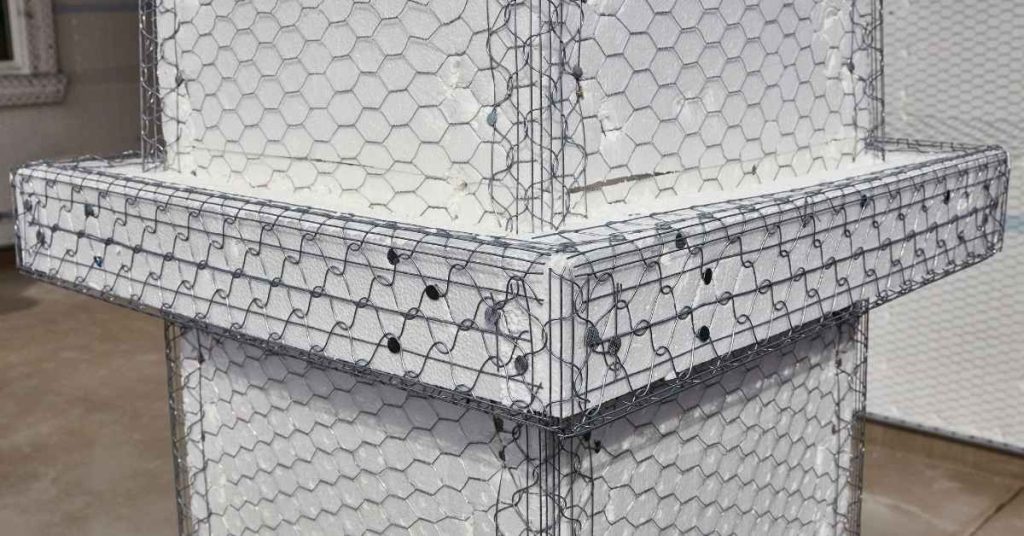
Wire lath attached over foam insulation at inside corner

Inside-Corner Stucco Cracks: Reinforcement That Works Without Bulking

Introduction Inside-corner stucco crack reinforcement is a way to strengthen the joint without making it bulky. It focuses on tying the corner back together and borrowing the surrounding material’s strength so the crack doesn’t widen. Check local guidelines and product instructions to choose a method that fits your wall and climate. Different stucco types and

Inside-Corner Stucco Cracks: Reinforcement That Works Without Bulking Read More »

Closeup of a large crack in white stucco wall

Stucco Too Close to Grade: Fix Options Short of Full Tear-Down

Introduction Stucco too close to grade means the stucco base sits near soil and splash zones, which can trap moisture and invite damage. Common signs include cracking, staining, or peeling where the wall meets the ground, plus any bubbling or powdery finish. Watch for moisture staining, plant growth against the wall, and gaps that let

Stucco Too Close to Grade: Fix Options Short of Full Tear-Down Read More »

Partially removed stucco revealing brick wall underneath

Crumbling Stucco Bottom Edges: Rebuild Steps and Keeping the Base Dry

Introduction Crumbling stucco bottom edges are where the material pulls away from the base near the ground, often letting moisture into the wall. This article shows you how to inspect the problem, remove damaged stucco safely, and plan repairs in plain, hands-on terms. You’ll learn what to look for so you can decide what needs

Crumbling Stucco Bottom Edges: Rebuild Steps and Keeping the Base Dry Read More »